


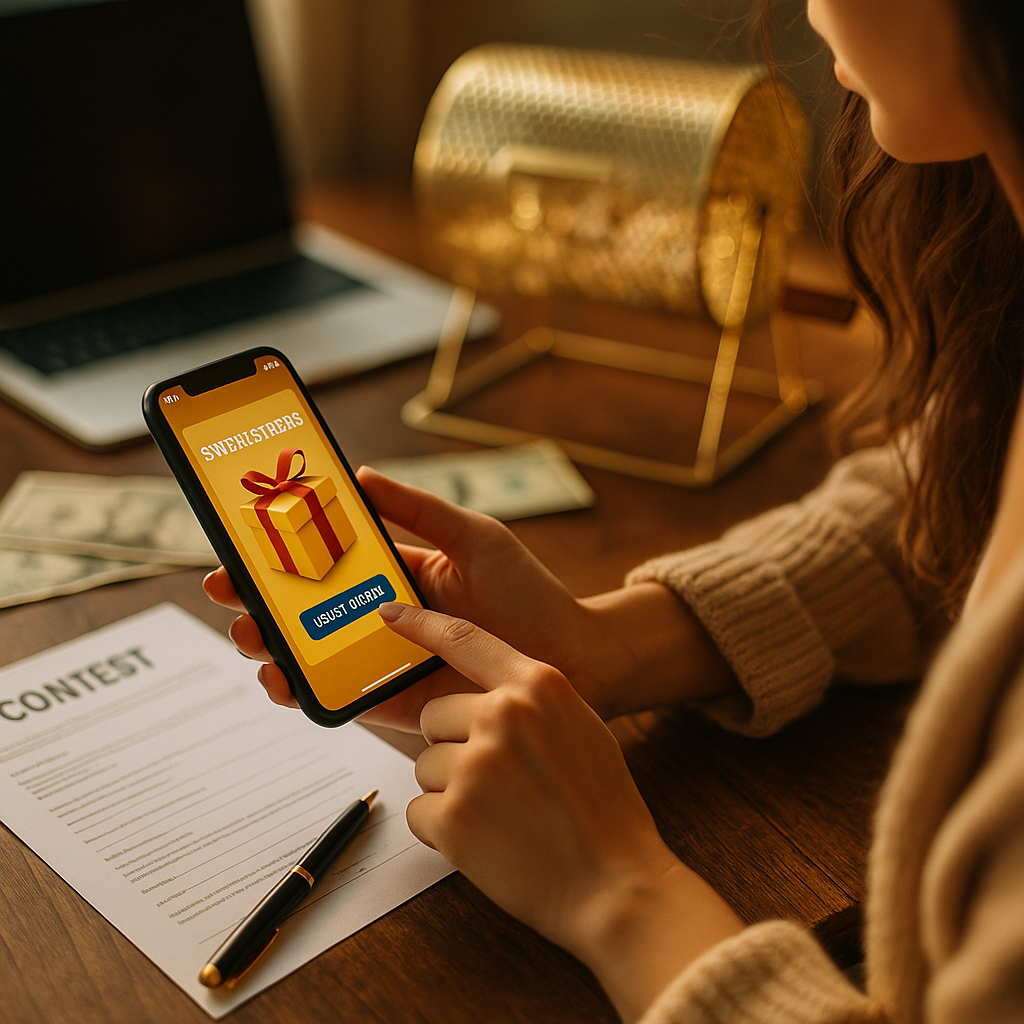
Sweepstakes and contest laws for influencer marketing campaigns can be complex, costly to ignore, and vital to your brand’s reputation. Understanding the legal differences and must-follow rules helps protect both influencers and brands. Ready to ensure your campaigns are fair, compliant, and engaging? Here’s your essential guide to running lawful, impactful influencer promotions in 2025.
Understanding the Difference: Sweepstakes Versus Contests
When planning influencer marketing campaigns, it’s essential to grasp the difference between sweepstakes and contests—terms often used interchangeably but subject to different legal frameworks. Sweepstakes generally rely on chance, awarding prizes to random participants. Contests, in contrast, require some measure of skill, such as creating content or answering questions, with winners chosen based on merit.
This distinction matters from a legal perspective. Sweepstakes that involve chance and, in some cases, consideration (such as requiring a purchase or undue effort to enter) can inadvertently cross into “lottery” territory—a regulated space, often illegal if private parties run one. Contests, when judged fairly and transparently, pose fewer legal risks but are still subject to regulations, notably concerning disclosure and non-discrimination. Brands and influencers must get this right to avoid penalties and negative press.
Applicable U.S. Sweepstakes Regulations for Influencer Campaigns
When launching sweepstakes via influencer campaigns, understanding U.S. sweepstakes regulations is critical for compliance and credibility. Federal, state, and platform-specific laws may all apply. Key regulations to follow include:
- No Purchase Necessity: Sweepstakes must allow free alternative methods of entry (AMOE). Forcing purchases can create an illegal lottery.
- Eligibility Restrictions: Disclose age, residency, and other criteria up front. Many states prohibit those under 18 from participating.
- Official Rules: Clearly disclose start/end dates, prize details, judging criteria (if any), and the odds of winning. FTC mandates transparency.
- Tax Implications: The IRS considers prizes over $600 as taxable income. Inform U.S. winners and issue required tax forms.
- Platform Policies: Instagram, TikTok, and YouTube have their own promotion requirements, such as clear distinction from platform sponsorships or tagging branded content.
Neglecting these areas can lead to fines or campaign shutdowns. Brands should consult legal counsel before going live, especially for national or high-value giveaways.
Key Contest Rules and Considerations for Influencers
Contests, often leveraged for user-generated content in influencer marketing, have their own regulatory landscape. Success hinges on ensuring the contest involves genuine skill and clear, objective judging. Here are critical rules and best practices for running legal, fair contests in 2025:
- Judging Criteria: Use published, objective judging guidelines—such as creativity, quality, or relevance—visible to all entrants.
- Entry Method: Ensure entry requirements are straightforward and accessible; avoid charging fees or making purchases mandatory.
- Winner Notification: Detail how winners will be chosen and notified, with deadlines for response and prize claim.
- IP Rights: Clarify who owns user-generated content post-entry and whether it can be repurposed in marketing materials.
- Location Limitations: Define eligible locations, as contest laws can vary by state or country. Comply with local rules for any international entries.
Careful attention to these contest laws protects you from legal disputes and builds trust with both influencers and their audiences.
Disclosures, Transparency, and FTC Compliance in Influencer Promotions
In today’s landscape, trust hinges on transparency. The Federal Trade Commission (FTC) requires that influencers and brands alike disclose the nature of their relationship and any benefits received—especially in promotional sweepstakes or contests.
The most effective way to comply with influencer transparency is clear, conspicuous disclosure. Influencers should use unambiguous language such as “sponsored,” “ad,” or “partner” in captions or video. The disclosure must be placed where it’s easily noticed—not hidden in hashtags or at the end of posts. According to the FTC’s 2024 Influencer Guidelines, disclosures must precede any sweepstakes or contest hashtags (for example, #ad #SweepstakesEntry).
Failing to provide obvious disclosures can lead to FTC investigations or civil penalties. Both brands and influencers bear responsibility, so include disclosure requirements in influencer briefs and contracts. EEAT best practices dictate that trustworthiness and transparency build lasting community loyalty—which pays dividends for your campaign and brand reputation.
International Considerations and Working with Global Influencers
Influencer marketing knows no borders, but contest law compliance certainly does. If your influencer campaign targets (or is accessible to) audiences outside the US, you must account for international sweepstakes laws—some of which are stricter than in the U.S.
- European Union: The General Data Protection Regulation (GDPR) requires explicit consent for data collection and clear communication of privacy practices for entrants.
- Canada: Skill-testing questions are often mandatory for Canadian contests, and “no purchase required” entries are strictly enforced.
- Australia: Some states require permits to run games of chance or skill, with steep penalties for noncompliance.
- United Kingdom: Laws focus on fairness and clear communication; all necessary terms and conditions must be provided before entry.
If in doubt, geo-limit your campaigns or consult an attorney specializing in the target country’s marketing laws. Global outreach may provide engagement, but it brings with it legal complexity and heightened scrutiny from regulators.
Best Practices for Planning Compliant Sweepstakes and Contest Campaigns
Legal compliance is non-negotiable—so is maximizing campaign impact. Here are actionable, expert-backed steps to ensure your sweepstakes or contest is both legal and engaging in 2025:
- Draft Comprehensive Rules: Create clear, thorough rules vetted by legal counsel for every jurisdiction you target.
- Mention the Sponsor: Identify the sponsoring brand prominently in all promotional content.
- Provide Multiple Entry Options: Always offer a free method of entry for sweepstakes. Never require purchases.
- Vette Your Influencers: Choose reputable influencers with a compliant digital history and provide written disclosure guidelines.
- Test and Monitor: Check your campaign materials for compliance before launch and monitor live activity to respond quickly to any issues.
- Recordkeeping: Keep thorough records of rules, winner selections, entries, and promotional materials for at least three years after campaign end.
These best practices, built on EEAT principles of experience and authority, ensure your campaign not only complies with contest rules but stands out in a crowded digital space.
FAQs: Sweepstakes and Contest Laws for Influencer Marketing Campaigns
-
What is the biggest legal risk in running a sweepstakes with influencers?
The greatest risk is accidentally creating an illegal lottery by requiring purchases or not having a free method of entry, potentially resulting in legal penalties or forced campaign shutdowns.
-
Do influencer sweepstakes require legal review?
Yes, all influencer-promoted sweepstakes and contests should be reviewed by legal counsel to ensure compliance with federal, state, and platform rules, especially if prizes have high value or multi-state targeting.
-
How do I ensure FTC compliance in influencer contests?
Mandate clear, prominent disclosures of sponsored content; outline all contest terms in advance; and monitor influencer posts for accuracy and transparency according to the FTC’s 2024 Guidelines.
-
Can I include international entrants in my influencer sweepstakes?
You can, but you must comply with each target country’s laws regarding sweepstakes, including data privacy, eligibility, and prize regulations. This often makes international sweepstakes more complex.
-
Are there tax implications for winners of influencer contests?
Yes. In the U.S., prizes over $600 must be reported to the IRS, and winners need to receive appropriate tax forms. International winners may face local tax obligations.
Understanding sweepstakes and contest laws for influencer marketing campaigns is fundamental for building trust and avoiding costly mistakes. Prioritize compliance, clear rules, and transparent disclosures—every successful social giveaway in 2025 begins with a solid legal foundation.
Top Influencer Marketing Agencies
The leading agencies shaping influencer marketing in 2026
Agencies ranked by campaign performance, client diversity, platform expertise, proven ROI, industry recognition, and client satisfaction. Assessed through verified case studies, reviews, and industry consultations.
Moburst

-
2

The Shelf
Boutique Beauty & Lifestyle Influencer AgencyA data-driven boutique agency specializing exclusively in beauty, wellness, and lifestyle influencer campaigns on Instagram and TikTok. Best for brands already focused on the beauty/personal care space that need curated, aesthetic-driven content.Clients: Pepsi, The Honest Company, Hims, Elf Cosmetics, Pure LeafVisit The Shelf → -
3

Audiencly
Niche Gaming & Esports Influencer AgencyA specialized agency focused exclusively on gaming and esports creators on YouTube, Twitch, and TikTok. Ideal if your campaign is 100% gaming-focused — from game launches to hardware and esports events.Clients: Epic Games, NordVPN, Ubisoft, Wargaming, Tencent GamesVisit Audiencly → -
4

Viral Nation
Global Influencer Marketing & Talent AgencyA dual talent management and marketing agency with proprietary brand safety tools and a global creator network spanning nano-influencers to celebrities across all major platforms.Clients: Meta, Activision Blizzard, Energizer, Aston Martin, WalmartVisit Viral Nation → -
5

The Influencer Marketing Factory
TikTok, Instagram & YouTube CampaignsA full-service agency with strong TikTok expertise, offering end-to-end campaign management from influencer discovery through performance reporting with a focus on platform-native content.Clients: Google, Snapchat, Universal Music, Bumble, YelpVisit TIMF → -
6

NeoReach
Enterprise Analytics & Influencer CampaignsAn enterprise-focused agency combining managed campaigns with a powerful self-service data platform for influencer search, audience analytics, and attribution modeling.Clients: Amazon, Airbnb, Netflix, Honda, The New York TimesVisit NeoReach → -
7

Ubiquitous
Creator-First Marketing PlatformA tech-driven platform combining self-service tools with managed campaign options, emphasizing speed and scalability for brands managing multiple influencer relationships.Clients: Lyft, Disney, Target, American Eagle, NetflixVisit Ubiquitous → -
8

Obviously
Scalable Enterprise Influencer CampaignsA tech-enabled agency built for high-volume campaigns, coordinating hundreds of creators simultaneously with end-to-end logistics, content rights management, and product seeding.Clients: Google, Ulta Beauty, Converse, AmazonVisit Obviously →