


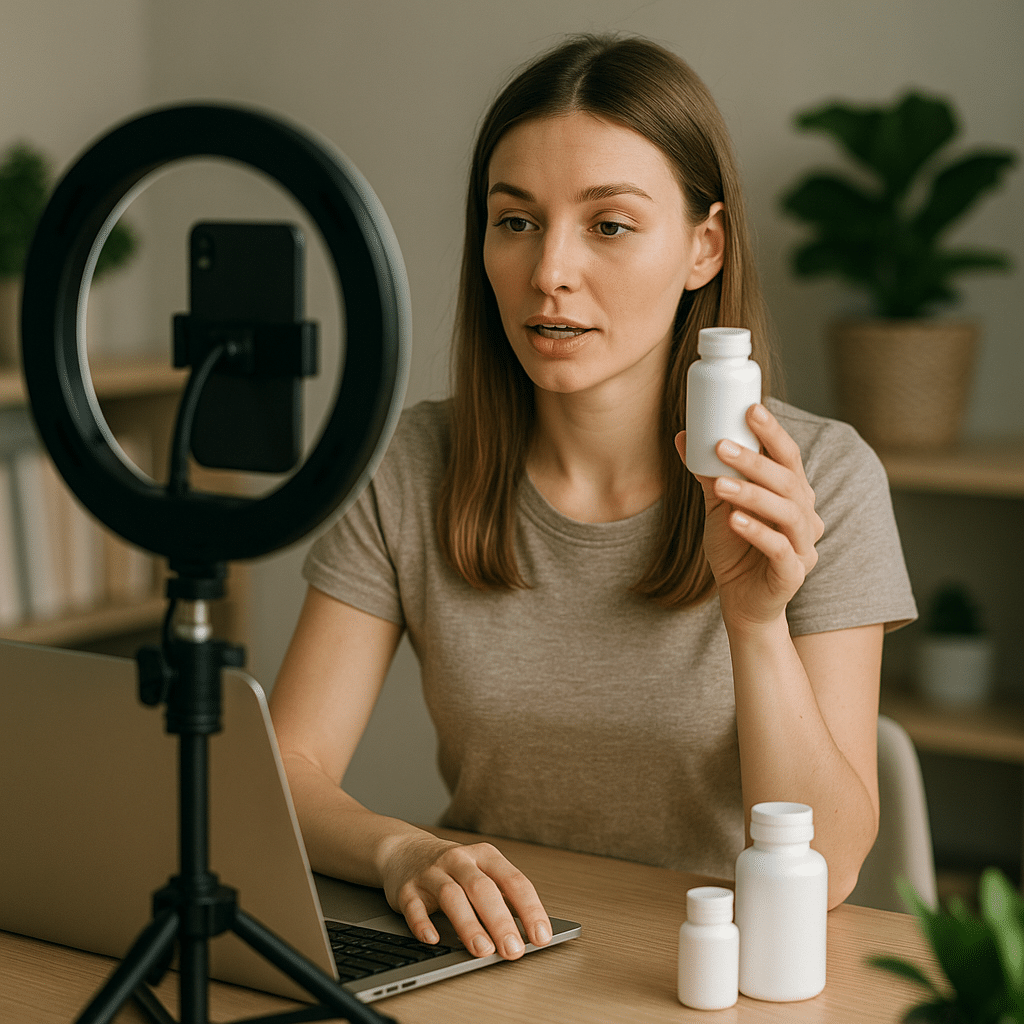
Navigating health & wellness claims in influencer marketing requires a deep understanding of FDA and FTC rules. As more creators partner with health brands, compliance is critical to build trust and avoid penalties. What exactly should influencers and brands know in 2025? Discover smart strategies that keep your campaigns compliant—and your reputation stellar.
Understanding the Difference: FDA vs. FTC Authority in Influencer Marketing
Health and wellness influencer marketing sits squarely at the intersection of two powerful regulatory bodies: the Food and Drug Administration (FDA) and the Federal Trade Commission (FTC). Each plays a distinct role:
- FDA: Regulates the labeling and advertising of foods, supplements, drugs, cosmetics, and medical devices in the U.S. Focuses on whether claims are truthful, backed by science, and that products are safe for intended use.
- FTC: Focuses on advertising practices, including social media and influencer endorsements. Their core mandate is preventing deceptive or misleading advertising across all platforms.
Both agencies expect clear, honest communication from influencers and brands. The FDA enforces labeling accuracy and substantiation for health claims, while the FTC expects all connections and material benefits to be clearly disclosed in every promotion.
Types of Health & Wellness Claims: What Needs Substantiation?
Whether you’re an influencer or a brand, understanding what constitutes a “health claim” is essential. The FDA and FTC rules for influencer marketing draw sharp distinctions:
- Health Claims: Statements about disease risk reduction (e.g., “reduces risk of heart disease”). These require solid scientific evidence.
- Structure/Function Claims: Relate to how a product affects the body’s structure or function (e.g., “supports immune health”). These must be truthful, not misleading, and appropriately substantiated.
- General Well-Being Claims: General statements like “helps you feel your best” may seem less risky, but can still attract regulatory scrutiny, especially if they imply medical effects.
As of 2025, both agencies increasingly scrutinize claims about weight loss, “detox,” immunity, and mental wellness. The expectation? Claims must be truthful and supported by credible, up-to-date research—mere anecdotes or testimonials won’t suffice.
Disclosure Requirements: How Influencers Stay Transparent
Transparency is a cornerstone of compliant influencer marketing. The FTC, in particular, has updated its guidance to make clear that endorsements and sponsorships must be unmistakable to every audience segment:
- Clear Disclosure: Always disclose material relationships—a financial, product, or other incentive that could affect credibility or perception. Use easy-to-understand language such as “Ad,” “Paid partnership,” or “Sponsored.”
- Placement Matters: Disclosures must be visible “above the fold” on social content. In Stories or videos, the disclosure should be on screen long enough to be read and understood. Voice-only content should include a spoken disclosure.
- No Hidden Disclosures: Don’t bury disclosures in a long list of hashtags, links, or at the bottom of a post. In 2025, FTC enforcement actions focus on making sure viewers grasp the relationship instantly.
Consistent, prominent disclosures not only satisfy legal requirements—they also foster genuine trust with audiences, a critical pillar of long-term brand growth in the wellness sector.
Best Practices for Substantiating Health & Wellness Claims
Staying compliant with FDA and FTC rules for influencer marketing means more than using the right hashtags. It demands robust, documented substantiation of every claim:
- Rely on Recent Scientific Evidence: Back up statements with peer-reviewed studies, systematic reviews, or meta-analyses. The FTC expects the “quality and quantity” of evidence to match the claim’s strength.
- Avoid Overstatement: Don’t imply a product treats, cures, or prevents disease without FDA approval. Avoid exaggerating benefits—stick to facts supported by research.
- Review All Content: Brands should screen influencer scripts, posts, and videos to ensure compliance before content goes live.
- Keep Records: Document the scientific rationale and sources used to support health claims. This helps provide a “reasonable basis” if a claim is ever challenged.
- Stay Updated: Regulatory standards evolve. Subscribe to FTC and FDA bulletins to stay ahead of new guidance or enforcement trends in health-centric marketing.
By building campaigns on evidence, not hype, you protect your audience—and your business—from regulatory issues.
Smart Strategies for Brands and Influencers in 2025
With health and wellness trends booming, how can brands and influencers promote responsibly—while maximizing campaign impact?
- Educate Influencers: Provide up-to-date training on FDA and FTC requirements for health-related content. This education helps prevent costly missteps.
- Use Legal Reviews: Prior to launch, have legal or regulatory experts vet claims and disclosures.
- Promote Balanced Messaging: Share benefits and limitations of products. Avoid suggesting universal results; recognize individual variation.
- Leverage Expert Collaboration: Collaborating with registered dietitians, physicians, or scientists adds authority and EEAT-boosting credibility to campaigns.
- Monitor and Adapt: After publishing, proactively monitor content for compliance and audience feedback. Respond quickly to potential issues or misinformation.
The most successful 2025 influencer campaigns blend evidence-based content, transparent disclosures, and audience-centered storytelling. This creates both regulatory safety and authentic influence.
Potential Penalties: What Happens if You Violate Guidelines?
Penalties for violating FDA or FTC rules in influencer marketing can be significant, affecting both creators and brands. Recent FTC actions have included:
- Fines exceeding $50,000 per violation for deceptive practices
- Mandatory public corrections and refunds
- Long-term monitoring or imposed reporting requirements
The FDA can also issue warning letters, demand content removal, or restrict sales of non-compliant products. More critically, public trust can be eroded, which is difficult to rebuild. Prioritizing compliance safeguards your reputation as well as your bottom line.
Conclusion: Building Trust with FDA & FTC Rules for Influencer Marketing
In 2025, brands and creators navigating health & wellness claims must prioritize truthfulness, transparency, and regulatory compliance. By rigorously substantiating claims and making clear disclosures, your influencer campaigns not only meet FDA and FTC rules, but also build enduring credibility—creating long-term trust in an evolving digital health landscape.
FAQs: Health & Wellness Claims in Influencer Marketing
-
What claims require FDA approval in influencer marketing?
Only disease-related claims (such as “treats diabetes”) require FDA approval. Structure/function and general wellness claims must still be truthful and substantiated with credible evidence, even if FDA pre-approval isn’t required.
-
How should influencers disclose sponsored health products?
Influencers should use clear terms like “Ad,” “Sponsored,” or “Paid partnership” in visible positions on every post, video, or story. Disclosures must be understandable, prominent, and communicated at the beginning of content when possible.
-
Can testimonials alone substantiate a health claim?
No. The FTC and FDA require scientific evidence—like peer-reviewed research or clinical studies—to support health-related statements. Personal anecdotes or testimonials, even if genuine, are insufficient for substantiation.
-
What happens if I accidentally make an unapproved claim?
Rapid correction is crucial. Brands and influencers should remove or revise problematic content, publicly clarify the error, and implement new review steps to prevent future mistakes. Persistent issues may lead to penalties or additional enforcement action.
-
Are there special rules for international influencer campaigns?
Yes. While this article addresses U.S. rules, campaigns targeting other regions must also comply with local regulations. Many countries have unique laws for health claims and influencer disclosure—always research and consult legal experts accordingly.
Top Influencer Marketing Agencies
The leading agencies shaping influencer marketing in 2026
Agencies ranked by campaign performance, client diversity, platform expertise, proven ROI, industry recognition, and client satisfaction. Assessed through verified case studies, reviews, and industry consultations.
Moburst

-
2

The Shelf
Boutique Beauty & Lifestyle Influencer AgencyA data-driven boutique agency specializing exclusively in beauty, wellness, and lifestyle influencer campaigns on Instagram and TikTok. Best for brands already focused on the beauty/personal care space that need curated, aesthetic-driven content.Clients: Pepsi, The Honest Company, Hims, Elf Cosmetics, Pure LeafVisit The Shelf → -
3

Audiencly
Niche Gaming & Esports Influencer AgencyA specialized agency focused exclusively on gaming and esports creators on YouTube, Twitch, and TikTok. Ideal if your campaign is 100% gaming-focused — from game launches to hardware and esports events.Clients: Epic Games, NordVPN, Ubisoft, Wargaming, Tencent GamesVisit Audiencly → -
4

Viral Nation
Global Influencer Marketing & Talent AgencyA dual talent management and marketing agency with proprietary brand safety tools and a global creator network spanning nano-influencers to celebrities across all major platforms.Clients: Meta, Activision Blizzard, Energizer, Aston Martin, WalmartVisit Viral Nation → -
5

The Influencer Marketing Factory
TikTok, Instagram & YouTube CampaignsA full-service agency with strong TikTok expertise, offering end-to-end campaign management from influencer discovery through performance reporting with a focus on platform-native content.Clients: Google, Snapchat, Universal Music, Bumble, YelpVisit TIMF → -
6

NeoReach
Enterprise Analytics & Influencer CampaignsAn enterprise-focused agency combining managed campaigns with a powerful self-service data platform for influencer search, audience analytics, and attribution modeling.Clients: Amazon, Airbnb, Netflix, Honda, The New York TimesVisit NeoReach → -
7

Ubiquitous
Creator-First Marketing PlatformA tech-driven platform combining self-service tools with managed campaign options, emphasizing speed and scalability for brands managing multiple influencer relationships.Clients: Lyft, Disney, Target, American Eagle, NetflixVisit Ubiquitous → -
8

Obviously
Scalable Enterprise Influencer CampaignsA tech-enabled agency built for high-volume campaigns, coordinating hundreds of creators simultaneously with end-to-end logistics, content rights management, and product seeding.Clients: Google, Ulta Beauty, Converse, AmazonVisit Obviously →