


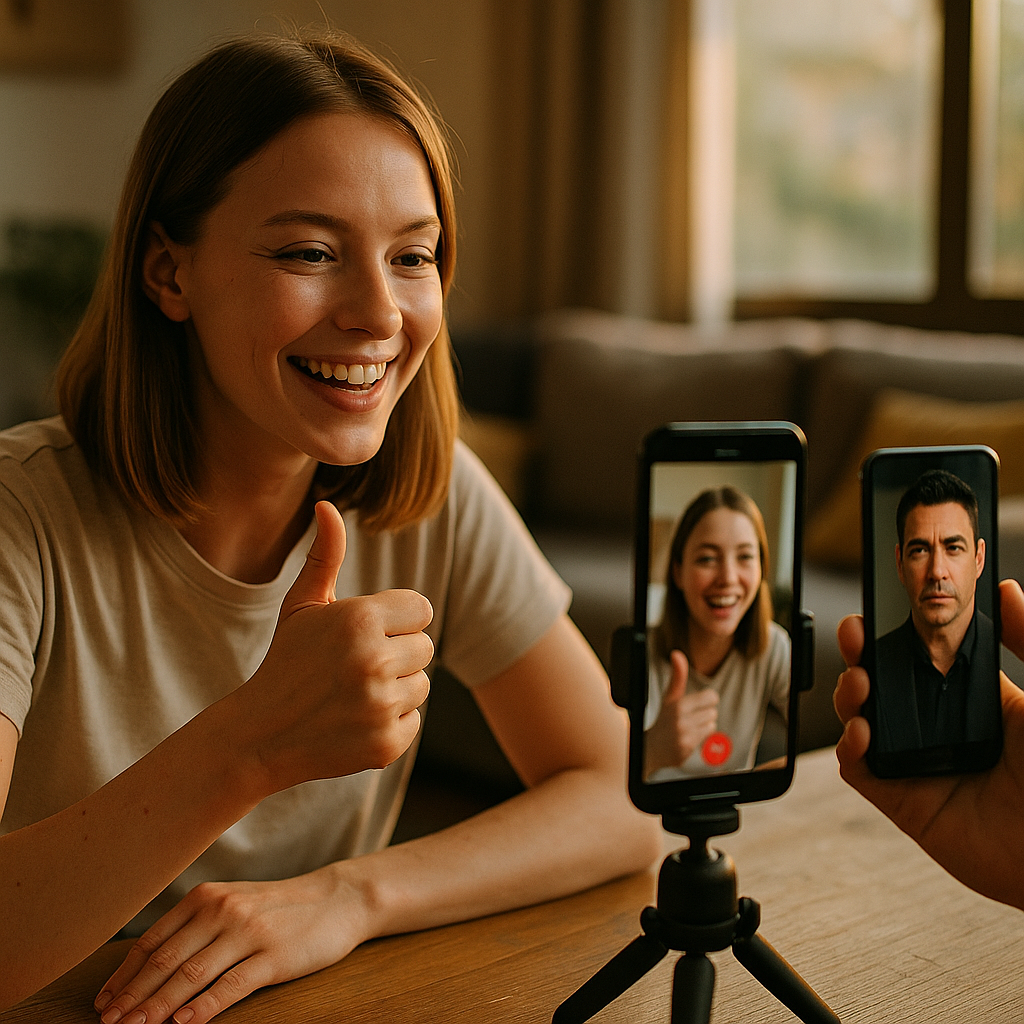
In 2025, the landscape of influencer marketing has shifted dramatically—consumers now trust “Real User” creators more than celebrities. This pivotal change impacts brand strategy, campaign ROI, and purchase decisions. But what drives this surge in consumer trust for everyday creators over famous faces? Let’s explore the evolving dynamics behind today’s influencer economy.
Authenticity: The Heart of Real User Creator Influence
One of the primary reasons consumers place their trust in “real user” creators is authenticity. Audiences relate to content made by everyday people because it feels genuine and unbiased. Unlike celebrities, who are often seen endorsing products for lucrative deals, real user creators typically share their personal experiences, struggles, and triumphs without heavy-handed sponsorship.
Research in 2025 demonstrates that 52% of consumers say user-generated content (UGC) feels more trustworthy than branded marketing or celebrity partnerships. When a real user shares an honest review, it resonates with viewers—they see the creator as a peer, not a paid promoter. Their candidness builds credibility and fosters genuine connections.
- Personal stories: Real user creators reveal intimate details about how a product fits into their daily life.
- No scripted endorsements: Content is perceived as organic, not dictated by brand messaging.
- Error-prone, not perfect: Audiences value creators who are unafraid to show mistakes, bloopers, or imperfect results.
This alignment with real-world experiences makes audiences much more likely to trust and act on the recommendations of real user creators.
Relatability: How Everyday Creators Mirror Consumer Lifestyles
The relatability of real user creators is a cornerstone of their influence. Unlike celebrities who inhabit a world of luxury and exclusivity, these creators face the same challenges, budgets, and decisions as their viewers. They transform mundane routines—cooking, parenting, budgeting—into accessible inspiration, sparking a sense of “if they can do it, so can I.”
Relatability drives emotional connection. According to a 2025 survey, 71% of digital consumers reported they were more likely to try a product when it was featured by someone whose life mirrored their own. This effect multiplies in niche communities: parents trust parenting advice from fellow parents, fitness beginners trust amateur athletes over professional trainers, and everyday makeup lovers follow non-professional beauty creators more closely than celebrity endorsers.
- Shared demographics: Age, location, family status, and career paths influence whom audiences follow and trust.
- Everyday challenges: Creators document common struggles, from budget constraints to product failures, making their advice more approachable.
- Interactive discussions: Small creators often respond in real-time to questions, fostering a two-way dialogue that celebrities typically can’t manage at scale.
This mirrors the way consumers trust friends and peers for advice, closing the gap between creator and audience and reinforcing brand messaging.
Transparency: Establishing Trust by Disclosing Sponsorships
Increasingly, consumers demand full transparency from influencers. Real user creators often lead this movement by openly disclosing partnerships, sponsorships, and honest product opinions—even when their views are less than favorable. This strengthens their integrity and the perceived value of their recommendations.
In contrast, celebrities and legacy influencers have faced criticism for unclear or buried sponsorship disclosures. This erodes trust. In 2025, regulations require all digital creators to clarify sponsored content, but real user creators tend to go the extra mile. They’ll outline:
- How they were approached by the brand
- Whether they received products for free or were paid for the collaboration
- Their actual, unfiltered opinions—even negative feedback
This practice allows viewers to make informed decisions. A study published in early 2025 by Digital Trust Metrics showed that transparency boosts engagement and conversion rates by up to 32% in “real user” creator campaigns.
Brands that empower creators to share both positives and negatives win long-term loyalty, as consumers see these testimonials as honest and balanced—unlike sponsorship-heavy celebrity endorsements which often lack critical evaluation.
Community Engagement: Creating a Two-Way Conversation
A vital secondary keyword in this ecosystem is community engagement. Real user creators typically have closer-knit online communities. They are actively involved with their audience via comment sections, live streams, and direct messages. This regular, two-way communication allows for personalized advice, direct Q&A sessions, and ongoing feedback—none of which are feasible for celebrities with millions of followers.
In 2025, engagement rates for micro-influencers and real user creators routinely surpass those of A-list celebrities. Recent analytics reveal engagement rates of 6-9% for small creators, compared to less than 1% for top-tier celebrities.
- Direct interaction: Audiences can ask questions and receive tailored guidance.
- Content co-creation: Followers often suggest new topics, vote on product choices, or participate in creator-led initiatives.
- Shared identity: Communities foster a sense of belonging, encouraging users to share their own experiences and results.
Brands partnering with real user creators benefit from this engaged environment—consumers trust creator recommendations within a nurturing, interactive space and are more likely to act on suggestions made by members of their trusted circle.
Expertise and Credibility: Why EEAT Matters More Than Fame
In the era of Google’s EEAT (Experience, Expertise, Authoritativeness, Trustworthiness) guidelines, real user creators excel. Consumers look for content created by people with hands-on experience and proven expertise in their niche, not just fame.
Whether it’s a home cook mastering affordable family meals, a parent sharing tried-and-tested baby gear, or a “skinfluencer” comparing drugstore skincare routines, niche creators demonstrate practical know-how with real results. They establish trust by:
- Sharing before-and-after evidence, receipts, and documentation
- Consistently updating their audience with honest progress reports
- Referencing current data, user polls, and third-party benchmarks
This track record builds not only credibility but also authoritativeness within their micro-community. Google’s search algorithms now prioritize EEAT signals, amplifying the reach of real-user creators who demonstrate genuine expertise over celebrities with limited hands-on experience.
Consumers increasingly search for detailed, “unfiltered reviews” and “real results” when making purchase decisions—and real user creators meet this demand better than traditional celebrities.
Cost-Effectiveness and ROI: Why Brands Pivot to Everyday Influencers
Finally, from a brand’s perspective, marketing through real user creators delivers higher ROI than traditional celebrity endorsements. With rising costs attached to celebrity deals and decreasing trust in star-driven advertising, brands are investing more in micro-influencers and everyday content creators.
Brands find that campaigns driven by real user creators:
- Cost less upfront, allowing for diversified spend across multiple creators
- Drive higher engagement and authentic conversions
- Yield more actionable feedback and market insights
In 2025, digital marketing budgets for “real user” collaborations have increased by almost 40%, reflecting the transition away from costly, celebrity-centric strategies. By focusing on trust-based marketing, brands create campaigns that generate long-term customer loyalty rather than short-term buzz.
Conclusion: The Rise of the Trusted Real User Creator
Consumers trust real user creators more than celebrities because of their authenticity, relatability, transparency, and expertise. For brands, building with real people is the new path to lasting trust and engagement. By embracing this shift, marketers can connect better with their audiences and drive meaningful, long-term results.
FAQs About Why Consumers Trust Real User Creators More Than Celebrities
-
What is a real user creator?
A real user creator is a non-celebrity content maker who shares genuine, personal experiences and reviews of products or services on digital platforms. Their content typically feels relatable and free of heavy brand influence.
-
Do real user creators have more engagement than celebrities?
Yes. In 2025, real user creators consistently see higher engagement rates (6-9%) compared to celebrities (under 1%) because their communities are smaller, closer-knit, and more interactive.
-
Are brands investing more in real user creators than celebrities?
Absolutely. Brands are allocating larger portions of their influencer marketing budgets to real user creators for better ROI, authenticity, and long-term customer loyalty.
-
Can celebrity endorsements still be effective?
Celebrity endorsements can still increase brand awareness, but they rarely build the same level of trust or lasting engagement as authentic, real user collaborations.
-
How do consumers spot trustworthy creators?
Trustworthy creators are transparent about sponsorships, provide honest opinions (positive and negative), and openly engage with their audience. Their credibility is earned through consistent, genuine content.
Top Influencer Marketing Agencies
The leading agencies shaping influencer marketing in 2026
Agencies ranked by campaign performance, client diversity, platform expertise, proven ROI, industry recognition, and client satisfaction. Assessed through verified case studies, reviews, and industry consultations.
Moburst

-
2

The Shelf
Boutique Beauty & Lifestyle Influencer AgencyA data-driven boutique agency specializing exclusively in beauty, wellness, and lifestyle influencer campaigns on Instagram and TikTok. Best for brands already focused on the beauty/personal care space that need curated, aesthetic-driven content.Clients: Pepsi, The Honest Company, Hims, Elf Cosmetics, Pure LeafVisit The Shelf → -
3

Audiencly
Niche Gaming & Esports Influencer AgencyA specialized agency focused exclusively on gaming and esports creators on YouTube, Twitch, and TikTok. Ideal if your campaign is 100% gaming-focused — from game launches to hardware and esports events.Clients: Epic Games, NordVPN, Ubisoft, Wargaming, Tencent GamesVisit Audiencly → -
4

Viral Nation
Global Influencer Marketing & Talent AgencyA dual talent management and marketing agency with proprietary brand safety tools and a global creator network spanning nano-influencers to celebrities across all major platforms.Clients: Meta, Activision Blizzard, Energizer, Aston Martin, WalmartVisit Viral Nation → -
5

The Influencer Marketing Factory
TikTok, Instagram & YouTube CampaignsA full-service agency with strong TikTok expertise, offering end-to-end campaign management from influencer discovery through performance reporting with a focus on platform-native content.Clients: Google, Snapchat, Universal Music, Bumble, YelpVisit TIMF → -
6

NeoReach
Enterprise Analytics & Influencer CampaignsAn enterprise-focused agency combining managed campaigns with a powerful self-service data platform for influencer search, audience analytics, and attribution modeling.Clients: Amazon, Airbnb, Netflix, Honda, The New York TimesVisit NeoReach → -
7

Ubiquitous
Creator-First Marketing PlatformA tech-driven platform combining self-service tools with managed campaign options, emphasizing speed and scalability for brands managing multiple influencer relationships.Clients: Lyft, Disney, Target, American Eagle, NetflixVisit Ubiquitous → -
8

Obviously
Scalable Enterprise Influencer CampaignsA tech-enabled agency built for high-volume campaigns, coordinating hundreds of creators simultaneously with end-to-end logistics, content rights management, and product seeding.Clients: Google, Ulta Beauty, Converse, AmazonVisit Obviously →