


Your Creator Content Is Leaving Retail Media Money on the Table
Google’s ecosystem reaches 96 percent of ad-supported CTV households. Yet most CPG brand managers still commission creator content for social conversion and retail media placements as two completely separate workstreams. That’s a budget structure built for 2019, not now.
The opportunity sitting in front of you is architectural: design a single creator asset that performs on YouTube, converts on Google Shopping, and qualifies for retail media network (RMN) placements across Google’s audience segments simultaneously. The brands figuring this out are compressing cost-per-acquisition while extending reach into living rooms their social budgets never touched.
Why the Google Ecosystem Is the RMN Battlefield CPG Has Been Ignoring
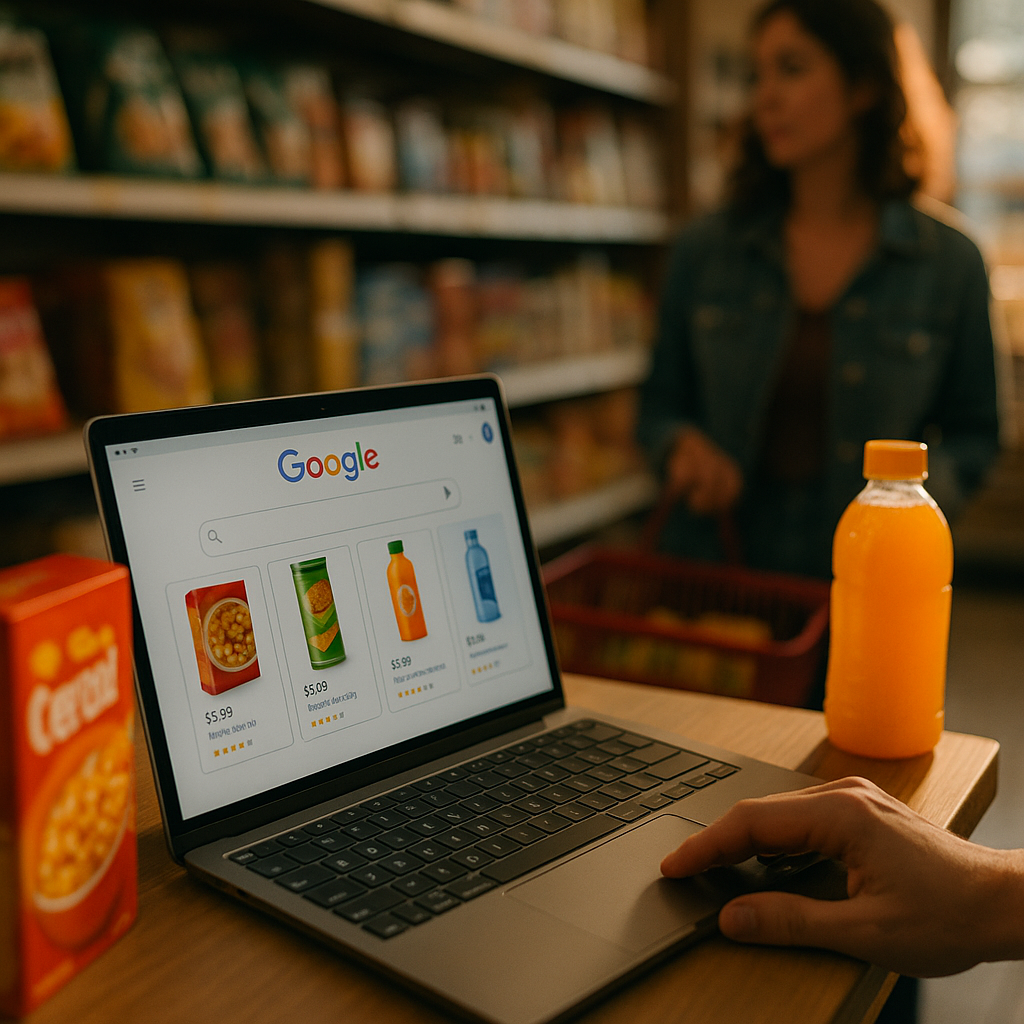
Retail media network conversation inside CPG largely still centers on Walmart Connect and Amazon DSP. Those platforms matter. But Google’s retail media infrastructure has quietly become the most expansive cross-surface system available to brand managers. Through Performance Max, Google Merchant Center, YouTube, Google TV, and Display and Video 360 (DV360), a single creator asset can serve as a shoppable video ad, a discovery unit in Search, a CTV pre-roll, and a targeted display placement — all within one campaign architecture.
The scale point deserves real weight. Reaching 96 percent of ad-supported CTV households means your creator content, properly formatted and rights-cleared, stops being a social asset and becomes a living-room-scale media unit. For CPG categories like food, beverage, personal care, and household goods, that’s the kind of distribution that has historically required a full TV buy.
When a single creator video is structured to meet Google’s asset requirements upfront, it can qualify for Performance Max, YouTube in-stream, Google TV, and DV360 simultaneously — compressing what used to be four separate production workstreams into one.
The strategic implication: your creator briefing process needs to start with Google’s technical and brand safety requirements, not end with them as an afterthought.
Asset Architecture: What “Dual-Purpose” Actually Means in Production
Dual-purpose creator content is not about adding a product shot at the end. It requires deliberate structural decisions made before the creator opens a camera app.
Here’s what that looks like in practice. Google’s Performance Max and YouTube in-stream require video assets in 16:9 (1920×1080 minimum), with key brand messaging delivered in the first five seconds before a skip option appears. Google TV pre-roll follows similar spec requirements. Creator-shot vertical content from TikTok or Instagram Reels does not automatically qualify. The gap between “creator video” and “Google-eligible media unit” is usually a spec gap, not a creative quality gap.
Actionable asset framework for CPG brand managers:
- Primary cut (16:9, 15-30 seconds): Designed for YouTube in-stream, Google TV pre-roll, and Performance Max video inventory. Brand mention and product visibility must occur within the first five seconds.
- Vertical cut (9:16, 15-60 seconds): For YouTube Shorts, Discovery ads, and social platforms. This is your social commerce driver.
- Static frame extraction: Pull high-resolution product-forward stills from the shoot for Google Shopping, Display, and Merchant Center feed enrichment.
- Headline and description copy: Creator-voiced, benefit-led copy variants (3-5 options) written for Performance Max text assets and Google Shopping ad copy.
When creators are briefed on all four outputs from day one, production cost per qualified asset drops significantly. Most CPG teams are commissioning these outputs separately because their briefs don’t account for the full Google ecosystem. Review how you’re currently structuring creator deliverables against this framework — the gap is almost certainly in the 16:9 primary cut and the headline copy variants.
For deeper guidance on spec requirements when creator content moves into programmatic environments, the programmatic CTV specs guide covers the rights and technical requirements in detail.
Audience Segment Alignment: Matching Creator Audiences to Google’s RMN Targeting
Google’s retail media targeting draws on its first-party audience graph: Search intent data, YouTube watch history, Google Shopping browse behavior, Gmail signals, and Google Maps activity. For CPG brands, this means the audience segments available inside Performance Max and DV360 are built on actual purchase-adjacent behavior, not demographic proxies.
The matching challenge is this: a creator’s audience on YouTube may look like the right demographic, but does it actually index against the Google audience segments you’re targeting in your RMN campaign? This is where most CPG teams leave efficiency on the table.
Before briefing a creator, cross-reference their YouTube channel analytics against the Google in-market and affinity segments relevant to your category. A niche YouTube creator whose audience over-indexes on “grocery shoppers, ages 25-44” and “health-conscious food buyers” will deliver RMN-qualified impressions at a fraction of the CPM you’d pay for a lifestyle generalist with larger reach but weaker audience alignment.
The practical tool here is Google’s Audience Insights inside Google Ads, cross-referenced with YouTube Studio analytics. Ask creators for their audience demographic breakdown before contracting. If their YouTube audience doesn’t map to your target Google segments, their content won’t amplify your RMN efficiency even if it performs well on social.
Rights Clearance: The Operational Bottleneck Nobody Talks About
Getting a creator to produce a dual-purpose asset is the creative problem. Getting the rights to actually run that asset across Google’s full ecosystem is the operational one.
Standard influencer contracts grant usage rights for “social media platforms,” which is precisely the clause that will block you from serving the asset as a Google TV pre-roll or a DV360 programmatic placement. The rights gap between social usage and paid media amplification across CTV and programmatic is where CPG legal teams and influencer program managers regularly collide.
Your creator contracts need explicit rights grants that cover:
- Paid media amplification across Google’s platforms, including YouTube, Google TV, and DV360
- Retail media network usage, named specifically (not just “third-party platforms”)
- Duration aligned to your RMN campaign calendar (minimum 12 months for evergreen CPG content)
- Right to extract static frames for Google Shopping and Display use
- Right to modify for spec compliance (aspect ratio, duration edits)
For teams managing multiple markets and platforms, reviewing the ad disclosure audit framework alongside your rights language will help catch compliance gaps before a campaign goes live. The FTC’s guidance on endorsement disclosures applies regardless of where the asset runs, including CTV placements.
Performance Max Integration: Where Creator Content Becomes a Machine Learning Input
Performance Max campaigns are asset-hungry. Google’s machine learning tests combinations of headlines, descriptions, images, and videos to find the highest-performing mix across its inventory. Most CPG brand managers feed Performance Max generic brand assets. The teams generating outsized returns are feeding it creator assets.
Why does this matter? Creator content in Performance Max carries authentic social proof signals that Google’s algorithm can leverage when serving across YouTube, Discover, Gmail, and Search. When the same face and voice that appears in an organic YouTube review shows up as a paid Shopping ad unit, conversion rates improve because the creative isn’t flagged by viewer cognition as traditional advertising.
Creator assets fed into Performance Max campaigns consistently outperform studio-produced CPG creative in Google’s own internal testing environments, because the algorithm rewards content that generates engagement signals, not just impressions.
The operational implication: upload creator assets as distinct asset groups within Performance Max, segmented by creator audience profile. This allows Google’s algorithm to learn which creator voice resonates with which audience segment and allocate budget accordingly. Track asset performance through the Asset Report inside Google Ads to identify which creator-produced elements are driving conversion. This feeds directly into your next creator briefing cycle.
For CPG teams also managing creator content amplification more broadly, the programmatic boost campaign guide covers amplification architecture across platforms. And if you’re rethinking your brief structure across multiple channels simultaneously, the cross-platform brief framework is worth reviewing before your next campaign cycle.
Google’s own Performance Max documentation outlines asset specifications, and eMarketer’s retail media research provides benchmarks for CPG category performance across RMN channels. For CTV-specific planning data, Statista’s CTV household reach data provides third-party validation for budget planning conversations.
Start With the Brief, Not the Budget Conversation
The single most actionable change CPG brand managers can make right now: rewrite your creator brief template to include Google ecosystem asset requirements as mandatory deliverables, not optional add-ons. Before the next campaign brief goes to a creator or agency, add a section titled “Google Retail Media Outputs” that specifies the 16:9 cut, the copy variants, the static frames, and the rights language required.
That brief change costs nothing. The revenue efficiency it unlocks — by turning every creator production into a multi-surface retail media asset — compounds across every campaign you run. The brands winning in retail media right now are not spending more. They’re briefing smarter, from the first document they write.
Review your current creator brief against the asset framework in this article, identify the gap in your 16:9 production and rights language, and fix both before your next campaign kicks off.
Frequently Asked Questions
What makes a creator asset eligible for Google retail media network placements?
To qualify for Google’s retail media placements across Performance Max, YouTube in-stream, and Google TV, creator assets need to meet specific technical requirements: 16:9 aspect ratio at 1920×1080 minimum resolution, brand and product visibility within the first five seconds, and rights clearances that explicitly cover paid media amplification across Google’s platforms. Assets also need to be uploaded to Google Merchant Center or the Google Ads asset library with proper product feed linkage for shoppable formats.
How does Performance Max use creator content differently from standard brand assets?
Performance Max uses machine learning to test combinations of all uploaded assets — videos, images, headlines, and descriptions — across Google’s full inventory. Creator content tends to outperform studio-produced assets in this environment because it generates stronger engagement signals (watch time, click-through) that the algorithm rewards when allocating impressions. Uploading creator assets as separate asset groups, segmented by creator audience profile, allows the system to learn which voices resonate with which Google audience segments.
What rights language do CPG brands need in creator contracts for RMN use?
Standard social media usage rights are insufficient for retail media network placements. Creator contracts should explicitly grant rights for paid media amplification across Google’s platforms including YouTube, Google TV, and DV360; retail media network usage named specifically; usage duration of at least 12 months for evergreen content; the right to extract static frames for Shopping and Display placements; and the right to modify assets for spec compliance such as aspect ratio and duration edits.
How do you match creator audiences to Google’s retail media audience segments?
Before contracting a creator, cross-reference their YouTube channel analytics (available through YouTube Studio) against Google’s in-market and affinity segments in Google Ads Audience Insights. Request audience demographic data from creators as part of the vetting process. Creators whose audiences over-index on purchase-adjacent segments like “grocery shoppers” or “health-conscious food buyers” will generate RMN-qualified impressions that amplify your retail media efficiency, rather than adding reach without segment alignment.
Can vertical video content from Instagram or TikTok be repurposed for Google CTV placements?
Not directly. Vertical 9:16 content does not meet the 16:9 spec requirements for Google TV pre-roll or YouTube in-stream placements. The practical solution is to brief creators on delivering both formats from a single production session: a primary 16:9 cut for Google ecosystem and CTV placements, and a vertical 9:16 cut for social platforms. This dual-format briefing approach keeps production costs controlled while generating assets that are immediately eligible across both environments.
Top Influencer Marketing Agencies
The leading agencies shaping influencer marketing in 2026
Agencies ranked by campaign performance, client diversity, platform expertise, proven ROI, industry recognition, and client satisfaction. Assessed through verified case studies, reviews, and industry consultations.
Moburst

-
2

The Shelf
Boutique Beauty & Lifestyle Influencer AgencyA data-driven boutique agency specializing exclusively in beauty, wellness, and lifestyle influencer campaigns on Instagram and TikTok. Best for brands already focused on the beauty/personal care space that need curated, aesthetic-driven content.Clients: Pepsi, The Honest Company, Hims, Elf Cosmetics, Pure LeafVisit The Shelf → -
3

Audiencly
Niche Gaming & Esports Influencer AgencyA specialized agency focused exclusively on gaming and esports creators on YouTube, Twitch, and TikTok. Ideal if your campaign is 100% gaming-focused — from game launches to hardware and esports events.Clients: Epic Games, NordVPN, Ubisoft, Wargaming, Tencent GamesVisit Audiencly → -
4

Viral Nation
Global Influencer Marketing & Talent AgencyA dual talent management and marketing agency with proprietary brand safety tools and a global creator network spanning nano-influencers to celebrities across all major platforms.Clients: Meta, Activision Blizzard, Energizer, Aston Martin, WalmartVisit Viral Nation → -
5

The Influencer Marketing Factory
TikTok, Instagram & YouTube CampaignsA full-service agency with strong TikTok expertise, offering end-to-end campaign management from influencer discovery through performance reporting with a focus on platform-native content.Clients: Google, Snapchat, Universal Music, Bumble, YelpVisit TIMF → -
6

NeoReach
Enterprise Analytics & Influencer CampaignsAn enterprise-focused agency combining managed campaigns with a powerful self-service data platform for influencer search, audience analytics, and attribution modeling.Clients: Amazon, Airbnb, Netflix, Honda, The New York TimesVisit NeoReach → -
7

Ubiquitous
Creator-First Marketing PlatformA tech-driven platform combining self-service tools with managed campaign options, emphasizing speed and scalability for brands managing multiple influencer relationships.Clients: Lyft, Disney, Target, American Eagle, NetflixVisit Ubiquitous → -
8

Obviously
Scalable Enterprise Influencer CampaignsA tech-enabled agency built for high-volume campaigns, coordinating hundreds of creators simultaneously with end-to-end logistics, content rights management, and product seeding.Clients: Google, Ulta Beauty, Converse, AmazonVisit Obviously →