


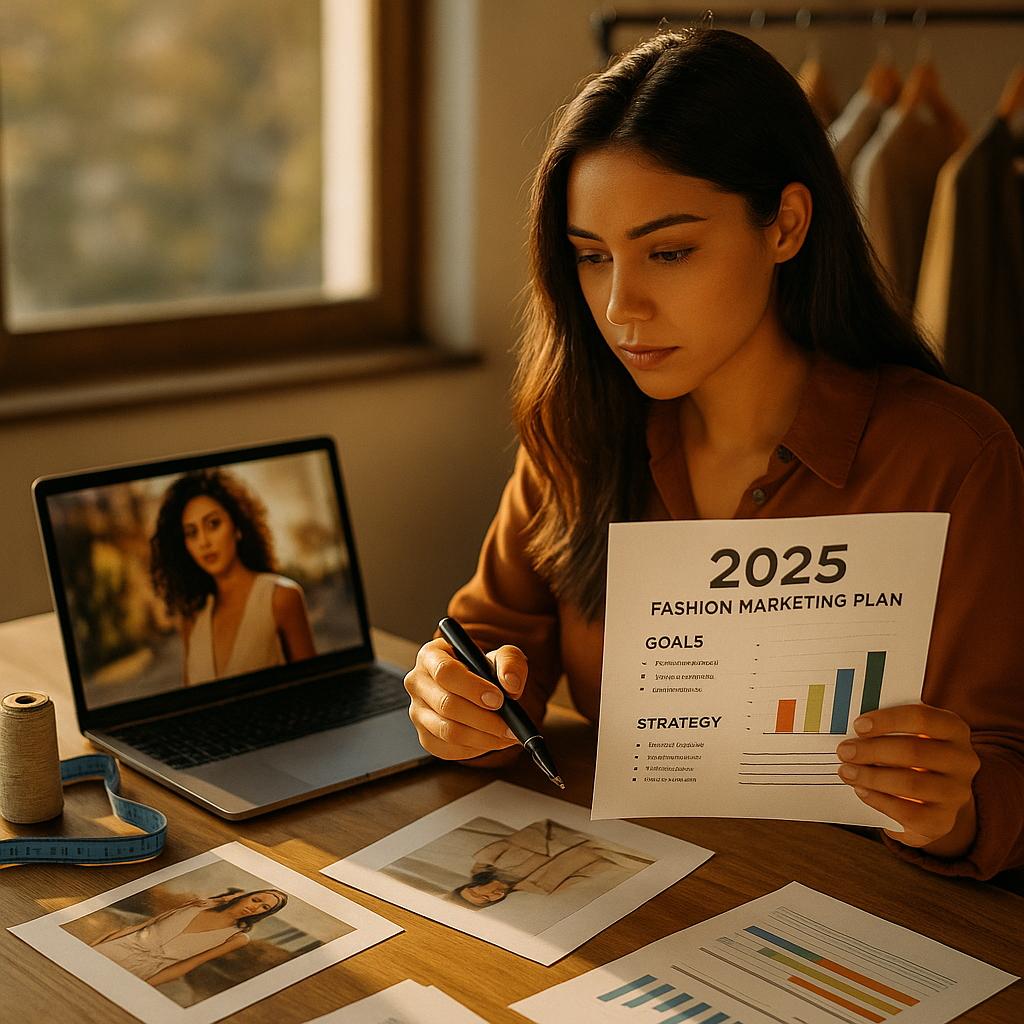
Building a strong marketing plan is essential for any D2C fashion brand looking to thrive in 2025’s dynamic ecommerce landscape. A thoughtful strategy not only boosts sales but fosters loyalty and brand love. Ready to create a marketing plan for a D2C fashion brand that stands out? Let’s dive into a step-by-step approach for serious results.
Conduct a Fashion Market Analysis for D2C Brands
Before sketching your marketing roadmap, analyze the fashion market in the D2C space. Use tools like Google Trends, Statista, and NielsenIQ for fresh insights. Study consumer behavior shifts—Gen Z’s focus on sustainability or the rising demand for inclusivity, for example. Research leading competitors: assess their social media, product range, pricing, and customer reviews. Identify trends shaping fashion: digital-first shopping, virtual try-ons, AI-driven customer service, and personalization.
- Customer persona mapping: Build detailed personas using demographic and psychographic data, focusing on interests, pain points, and purchasing triggers.
- Gap analysis: Find unmet needs. Are shoppers craving better size inclusivity? Smarter returns? Unique designs?
- TAM/SAM/SOM analysis: Estimate your Total Addressable Market, Serviceable Addressable Market, and Serviceable Obtainable Market to size up your true opportunity.
Rooting your marketing plan in data ensures you’re building strategies that attract the right shoppers—not chasing irrelevant trends.
Define Clear D2C Fashion Brand Positioning and Objectives
Set a magnetic brand identity that speaks to your audience. What does your brand stand for—affordable luxury, sustainable streetwear, tech-integrated designs? Write a core positioning statement to guide every campaign and collab. Align this with your products, customer service, and visuals.
- Set SMART goals: For example, “Grow online sales 30% in Q2” or “Achieve a 20% repeat purchase rate by December 2025.”
- Build brand voice: Choose language (playful, bold, inclusive, ethical) that fits your market and resonates on every channel.
- Differentiate: Spotlight what you offer that competitors don’t. Is it digital-only drops, AR try-ons, or ethical sourcing transparency?
Clearly defined objectives provide direction—and key metrics—for marketing spending and campaign tactics throughout the year.
Develop an Omnichannel Digital Marketing Strategy for D2C Fashion
Your customers shop and interact across dozens of digital touchpoints. Winning D2C fashion marketing strategies unify those journeys for a seamless experience. Prioritize the channels that best reach your ideal shoppers.
- Website optimization: Your ecommerce site is your digital flagship. Invest in mobile-first design, interactive product pages, lightning-fast checkouts, and standout imagery.
- Email lifecycle marketing: Use segmentation and automation to send welcome offers, cart reminders, product launches, and curated content tailored to shopper interests.
- Social media activations: Build campaigns on Instagram, TikTok, Pinterest, and Snapchat. Harness trending audio, reels, collabs, and interactive polls. Use social commerce features for easy buying.
- Paid ads: Start targeted campaigns on Google Search, Meta, TikTok, and niche fashion sites. Set goals, track ROAS (Return on Ad Spend), and optimize placements for style and seasonality.
- Influencer partnerships: Pursue influencers or micro-influencers who authentically connect with your audience. User-generated content outperforms traditional ads in fashion.
- SEO content: Consistently publish blog posts, trend reports, and style guides using relevant keywords your audience searches. This positions your brand as a fashion authority.
Omnichannel marketing ensures customers experience your brand at every step of the buying journey—building recognition and increasing conversion rates.
Leverage Personalization and Data Analytics in D2C Fashion Marketing
Personalization is a must-have for fast-growing D2C fashion brands in 2025. Today’s shoppers expect curated experiences that reflect their unique tastes and needs. Use analytics tools such as Google Analytics 4, Klaviyo, or Segment to collect, analyze, and act on behavioral data across your channels.
- Dynamic product recommendations: Show shoppers items based on browsing history or previous purchases, boosting engagement and average order values.
- Personalized emails and SMS: Segment campaigns by gender, age, style preference, and purchase frequency. Referencing recent behavior (like abandoned carts or favorited items) increases open and conversion rates.
- Retargeting strategies: Run hyper-targeted retargeting on social and web to remind window shoppers—and encourage incomplete buyers—to return and purchase.
- Customer feedback loops: Use reviews, surveys, and post-purchase emails to refine your product selection and customer experience.
Every shopper interaction becomes fuel for smarter, more profitable marketing—and an even tighter fit between your brand and your customer base.
Maximize Customer Loyalty and Retention for D2C Fashion Brands
Repeat customers drive outsized profits for D2C brands. According to Shopify’s 2025 data, returning shoppers spend 33% more than first-time buyers. A robust retention strategy turns occasional shoppers into brand evangelists.
- Loyalty and referral programs: Introduce point-based rewards, early access to drops, or VIP-only events. Reward word-of-mouth referrals with discounts or cash-back offers.
- Post-purchase follow-up: Delight customers with order tracking, personalized care instructions, and how-to-wear content. Ask for reviews or UGC (user-generated content) for a brand flywheel effect.
- Consistent brand experience: Maintain high-touch service—from sleek digital comms to packaging. Every touchpoint should reflect your brand signature.
- Community building: Create brand forums, style challenges, or ambassador programs to foster belonging around your label. Customers who invest emotionally return more frequently and refer friends.
Retention strategies lower acquisition costs and help you weather changing ad landscapes and market shifts—making your D2C business more sustainable.
Measure, Optimize, and Scale Your D2C Fashion Brand Marketing Plan
A marketing plan is a living document. Use clear KPIs to assess what’s working—then double down. Focus on metrics like:
- Website traffic and conversion rate
- Customer acquisition cost (CAC)
- Customer lifetime value (CLV)
- Social engagement and follower growth
- Email open and click-through rates
- Return on ad spend (ROAS)
Adopt an agile approach: run A/B tests on creative, landing pages, email flows, and ad copy. Use heatmaps and user recordings to remove friction from shopping. Regularly survey your customers—not just about what they buy, but why. The more you listen and iterate, the stronger and more profitable your marketing plan will become.
Frequently Asked Questions
-
What is a D2C fashion brand?
A D2C (direct-to-consumer) fashion brand sells apparel, accessories, or shoes directly to shoppers via digital channels rather than through third-party retailers or wholesalers. This enables brands to control customer experience, pricing, and data.
-
How much budget should a D2C fashion brand allocate to marketing?
Industry benchmarks suggest investing 10-30% of projected online sales revenue into marketing. Allocate spending based on historical performance, growth goals, and channel effectiveness.
-
What are effective marketing channels for D2C fashion brands?
Focus on your branded website, social media (Instagram, TikTok, Pinterest), email/SMS, influencer partnerships, content marketing, and paid ads. Adapt your mix to where your target audience spends the most time and shops.
-
How often should you revise your D2C fashion marketing plan?
Review performance monthly, with a deep-dive and strategic update at least quarterly. Refresh objectives, budgets, and tactics after major campaigns or when market conditions shift.
-
What are the biggest D2C fashion marketing trends for 2025?
Top trends include generative AI content, omnichannel social commerce, advanced personalization, live commerce, sustainability storytelling, and expanded use of augmented reality for fit and style.
Creating a marketing plan for a D2C fashion brand in 2025 is about data-driven analysis, clear differentiation, omnichannel activation, and ongoing optimization. With these tailored strategies, you’ll build a brand that not only captures attention, but also earns loyalty in a fiercely competitive digital fashion world.
Top Influencer Marketing Agencies
The leading agencies shaping influencer marketing in 2026
Agencies ranked by campaign performance, client diversity, platform expertise, proven ROI, industry recognition, and client satisfaction. Assessed through verified case studies, reviews, and industry consultations.
Moburst

-
2

The Shelf
Boutique Beauty & Lifestyle Influencer AgencyA data-driven boutique agency specializing exclusively in beauty, wellness, and lifestyle influencer campaigns on Instagram and TikTok. Best for brands already focused on the beauty/personal care space that need curated, aesthetic-driven content.Clients: Pepsi, The Honest Company, Hims, Elf Cosmetics, Pure LeafVisit The Shelf → -
3

Audiencly
Niche Gaming & Esports Influencer AgencyA specialized agency focused exclusively on gaming and esports creators on YouTube, Twitch, and TikTok. Ideal if your campaign is 100% gaming-focused — from game launches to hardware and esports events.Clients: Epic Games, NordVPN, Ubisoft, Wargaming, Tencent GamesVisit Audiencly → -
4

Viral Nation
Global Influencer Marketing & Talent AgencyA dual talent management and marketing agency with proprietary brand safety tools and a global creator network spanning nano-influencers to celebrities across all major platforms.Clients: Meta, Activision Blizzard, Energizer, Aston Martin, WalmartVisit Viral Nation → -
5

The Influencer Marketing Factory
TikTok, Instagram & YouTube CampaignsA full-service agency with strong TikTok expertise, offering end-to-end campaign management from influencer discovery through performance reporting with a focus on platform-native content.Clients: Google, Snapchat, Universal Music, Bumble, YelpVisit TIMF → -
6

NeoReach
Enterprise Analytics & Influencer CampaignsAn enterprise-focused agency combining managed campaigns with a powerful self-service data platform for influencer search, audience analytics, and attribution modeling.Clients: Amazon, Airbnb, Netflix, Honda, The New York TimesVisit NeoReach → -
7

Ubiquitous
Creator-First Marketing PlatformA tech-driven platform combining self-service tools with managed campaign options, emphasizing speed and scalability for brands managing multiple influencer relationships.Clients: Lyft, Disney, Target, American Eagle, NetflixVisit Ubiquitous → -
8

Obviously
Scalable Enterprise Influencer CampaignsA tech-enabled agency built for high-volume campaigns, coordinating hundreds of creators simultaneously with end-to-end logistics, content rights management, and product seeding.Clients: Google, Ulta Beauty, Converse, AmazonVisit Obviously →