


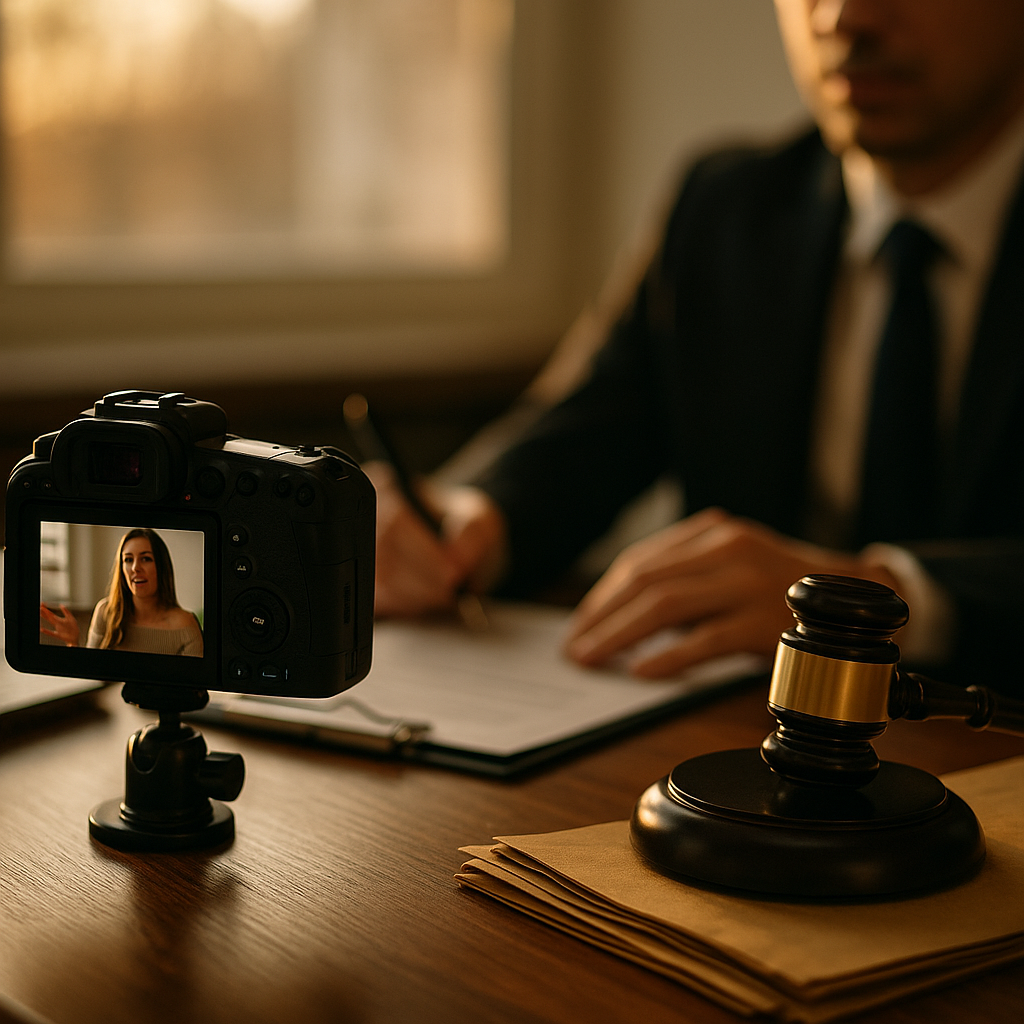
Here’s an uncomfortable number: most brands running creator content as paid social ads can’t produce a signed license proving they have the right to do it. Creator asset licensing is the single most skipped step in influencer marketing, and it’s the one that gets campaigns pulled mid-flight. If your legal team has ever asked “wait, can we actually boost this?”, you already know the stakes.
Why Organic Rights and Paid Rights Are Not the Same Thing
A creator posting a video on their own feed is exercising their own publicity and copyright. The moment a brand wants to run that same clip as a paid ad, through Meta Advantage+, TikTok Spark Ads, or a programmatic display network, the legal ground shifts entirely. Organic posting rights and paid media rights are separate grants. Treating them as interchangeable is the single costliest assumption in modern influencer contracting.
Platforms don’t police this for you. TikTok and Meta will happily let an ad run even if the brand never secured a usage license from the creator. The liability sits entirely with the advertiser, not the platform. That’s a risk allocation most marketing teams don’t fully appreciate until a creator’s lawyer sends a cease and desist mid-campaign.
If your influencer agreement only mentions “the right to post,” you likely have zero contractual basis to run that content as a paid ad, no matter how well it performed organically.
What “Repurposing” Actually Covers
Repurposing is a deceptively broad word. It can mean lifting a 15 second organic clip and running it as a Spark Ad. It can mean cutting a longer video into three vertical snippets for different ad sets. It can mean pulling a still frame for a carousel, translating captions for a different market, or feeding the footage into an AI tool to generate new variations. Each of those uses needs to be contemplated, ideally explicitly, in the licensing language.
- Platform expansion: moving content from the creator’s organic feed to the brand’s paid ad account.
- Format editing: cropping, trimming, adding captions, or combining clips from multiple creators.
- Geographic expansion: running the asset in markets outside where it was originally posted.
- Duration extension: using the asset beyond the original campaign window.
- Derivative creation: generating AI variations, dubs, or remixes from the base asset.
Every one of these is a separate usage event that a tight contract should anticipate. Vague language like “brand may use content for marketing purposes” is a trap. It feels broad but gets interpreted narrowly the moment a dispute lands in front of a judge or arbitrator.
The Repurposing Legal Checklist
Before any creator asset moves into a paid media plan, run it through this checklist. Treat it as a gate, not a suggestion.
- Confirm the license is in writing and signed. Verbal approval from a creator’s manager is not a license. Get the actual document, not a Slack message summarizing it.
- Check the usage scope. Does the contract explicitly say “paid media,” “advertising,” or “whitelisting”? If it only says “social posting” or “organic use,” you need an amendment before you spend a dollar boosting it.
- Verify the duration window. Most creator licenses expire after 30, 60, or 180 days. Running an ad past that window without renewal is a breach, even if the original deal was perfectly clean.
- Check platform specificity. A license scoped to “Instagram” doesn’t automatically cover TikTok, YouTube, or connected TV. Cross-platform repurposing needs cross-platform rights.
- Confirm geographic scope. A US-only license doesn’t let you run the same asset in the UK, EU, or APAC. This matters enormously for global brands consolidating creative across regions.
- Clear any third-party elements. Music, bystanders, logos, or minors in the frame each carry their own clearance requirements, separate from the creator’s own rights.
- Document derivative and edit rights. If your team plans to crop, caption, translate, or feed the clip into an AI editing tool, the license needs to say so explicitly.
- Archive proof of consent. Save the signed agreement, the usage window, and the exact asset file. You’ll need all three if a regulator or the creator’s counsel ever asks.
This isn’t busywork. It’s the difference between a defensible paid media program and one sitting on borrowed content. For a deeper look at the contract language that actually locks this down, see our breakdown of whitelisting consent clauses.
Whitelisting, Spark Ads, and the Platform-Specific Traps
Whitelisting (sometimes called creator-to-brand connections) lets a brand run ads directly from a creator’s handle, which is powerful for authenticity but legally loaded. The creator is effectively granting the brand access to their ad account, their follower trust, and their name, all at once. TikTok’s Spark Ads and Meta’s branded content tools both require explicit permission toggles, but those platform-level toggles are not a substitute for a real licensing agreement. They control technical access, not legal liability.
Brands frequently assume that because a creator flipped the “allow ads” switch in their TikTok settings, the usage is automatically licensed and unlimited. It isn’t. That toggle grants technical permission to run the ad through the platform’s ad system. It says nothing about duration, geography, or derivative use. Treat the platform permission as step two, after the contract, never as a replacement for it.
According to eMarketer, paid amplification of creator content now represents a growing share of total influencer marketing spend, which means the legal exposure scales right alongside the budget. The bigger the paid push, the bigger the downside if the license doesn’t hold up.
AI Variations Multiply the Risk
Generative AI tools now let brands take one creator clip and spin out dozens of ad variations: different hooks, different voiceovers, different backgrounds. That’s efficient for media testing, but it’s also a licensing minefield. Each AI-generated variation is arguably a new derivative work built from the creator’s likeness and performance. If the original license didn’t contemplate AI-assisted editing, running those variants could expose the brand to both a contract breach claim and a right of publicity claim.
This is a fast-moving area. We’ve covered the disclosure side of this problem in AI generated ad variations, and the likeness protection angle in state right of publicity laws. Both are worth a read before your creative team hands footage to an AI editing pipeline.
Every AI-generated variation of a creator’s likeness is a new use case. If your license was signed before you started running AI tools, assume it doesn’t cover them.
Fan Pages, Repost Accounts, and Borrowed Content
Not every piece of “creator content” a brand wants to repurpose actually came from a direct deal. Marketing teams sometimes pull clips that performed well on fan-run repost accounts, assuming virality equals availability. It doesn’t. The underlying creator, and sometimes the fan page operator, both hold rights that need clearing before that footage touches a paid ad account. We go deeper on this specific trap in fan page clip redistribution.
Similarly, UGC sourced through hashtag campaigns or branded challenges needs its own audit trail. A consumer tagging your brand in a post is not the same as granting commercial ad usage rights. Our piece on UGC audit rights clauses walks through how to build that chain of title properly.
Building the Operational Workflow
Checklists only work if someone owns enforcement. Here’s a lean workflow that scales from a five-person growth team to a global brand with a creator roster in the thousands.
- Centralize contracts. Every creator agreement should live in one searchable repository, tagged by usage scope, platform, duration, and territory. No more digging through email threads to find out if a license expired.
- Tag assets at ingestion. When a media buyer pulls an organic asset for paid use, the system should flag whether a valid license exists before the file can even enter the ad platform.
- Set renewal alerts. Build automated reminders 30 days before any usage window closes, so paid media doesn’t quietly run on an expired license.
- Loop in legal before scale-up, not after. If a test ad is performing and the team wants to 10x the budget behind it, that’s exactly the moment to re-verify usage rights, not after spend has already gone out the door.
- Keep an audit trail. Store the signed license, the platform permission screenshot, and the final ad creative together. If a regulator or creator’s attorney comes asking, you want a three-minute answer, not a three-week scramble.
This kind of operational rigor mirrors what compliance-heavy industries already do. Our coverage of BFSI influencer sign off frameworks shows how regulated sectors structure approval chains, and the same discipline translates well to any brand running serious paid spend behind creator content. For broader context on how marketing teams are structuring these approval processes, HubSpot and Sprout Social both publish useful benchmarking resources on creator collaboration workflows.
Frequently Asked Questions
FAQs
What is creator asset licensing in the context of paid media?
It’s the legal permission a brand obtains to take content originally created or posted by an influencer and run it as paid advertising, covering scope, duration, platform, and geography of use.
Does a creator’s organic posting agreement automatically cover paid ads?
No. Organic posting rights and paid media rights are legally distinct. A contract needs to explicitly grant advertising or whitelisting rights for a brand to safely run that content as a paid ad.
How long does a typical creator content license last?
It varies widely, but many brand deals default to 30, 60, or 180 day usage windows. Running ads past that window without a renewal is a breach of contract, even if the original agreement was properly executed.
Can a brand repurpose creator content across different countries?
Only if the license explicitly grants geographic expansion. A license scoped to one country or region doesn’t automatically extend to global paid media campaigns.
Are AI-generated ad variations covered under standard creator licenses?
Usually not, unless the contract specifically addresses derivative or AI-assisted editing rights. Brands running AI variations on older licenses should get those agreements reviewed or amended.
What happens if a brand runs paid ads without proper creator licensing?
Exposure can include breach of contract claims, right of publicity lawsuits, platform ad account penalties, and reputational damage if the dispute becomes public.
Next step: audit your current paid social campaigns this week, pull every creator asset currently running as a boosted post or Spark Ad, and match it against a signed license that explicitly covers paid usage, platform, duration, and geography. If you can’t produce that document in under five minutes, pause the spend until you can.
Top Influencer Marketing Agencies
The leading agencies shaping influencer marketing in 2026
Agencies ranked by campaign performance, client diversity, platform expertise, proven ROI, industry recognition, and client satisfaction. Assessed through verified case studies, reviews, and industry consultations.
Moburst

-
2

The Shelf
Boutique Beauty & Lifestyle Influencer AgencyA data-driven boutique agency specializing exclusively in beauty, wellness, and lifestyle influencer campaigns on Instagram and TikTok. Best for brands already focused on the beauty/personal care space that need curated, aesthetic-driven content.Clients: Pepsi, The Honest Company, Hims, Elf Cosmetics, Pure LeafVisit The Shelf → -
3

Audiencly
Niche Gaming & Esports Influencer AgencyA specialized agency focused exclusively on gaming and esports creators on YouTube, Twitch, and TikTok. Ideal if your campaign is 100% gaming-focused — from game launches to hardware and esports events.Clients: Epic Games, NordVPN, Ubisoft, Wargaming, Tencent GamesVisit Audiencly → -
4

Viral Nation
Global Influencer Marketing & Talent AgencyA dual talent management and marketing agency with proprietary brand safety tools and a global creator network spanning nano-influencers to celebrities across all major platforms.Clients: Meta, Activision Blizzard, Energizer, Aston Martin, WalmartVisit Viral Nation → -
5

The Influencer Marketing Factory
TikTok, Instagram & YouTube CampaignsA full-service agency with strong TikTok expertise, offering end-to-end campaign management from influencer discovery through performance reporting with a focus on platform-native content.Clients: Google, Snapchat, Universal Music, Bumble, YelpVisit TIMF → -
6

NeoReach
Enterprise Analytics & Influencer CampaignsAn enterprise-focused agency combining managed campaigns with a powerful self-service data platform for influencer search, audience analytics, and attribution modeling.Clients: Amazon, Airbnb, Netflix, Honda, The New York TimesVisit NeoReach → -
7

Ubiquitous
Creator-First Marketing PlatformA tech-driven platform combining self-service tools with managed campaign options, emphasizing speed and scalability for brands managing multiple influencer relationships.Clients: Lyft, Disney, Target, American Eagle, NetflixVisit Ubiquitous → -
8

Obviously
Scalable Enterprise Influencer CampaignsA tech-enabled agency built for high-volume campaigns, coordinating hundreds of creators simultaneously with end-to-end logistics, content rights management, and product seeding.Clients: Google, Ulta Beauty, Converse, AmazonVisit Obviously →