


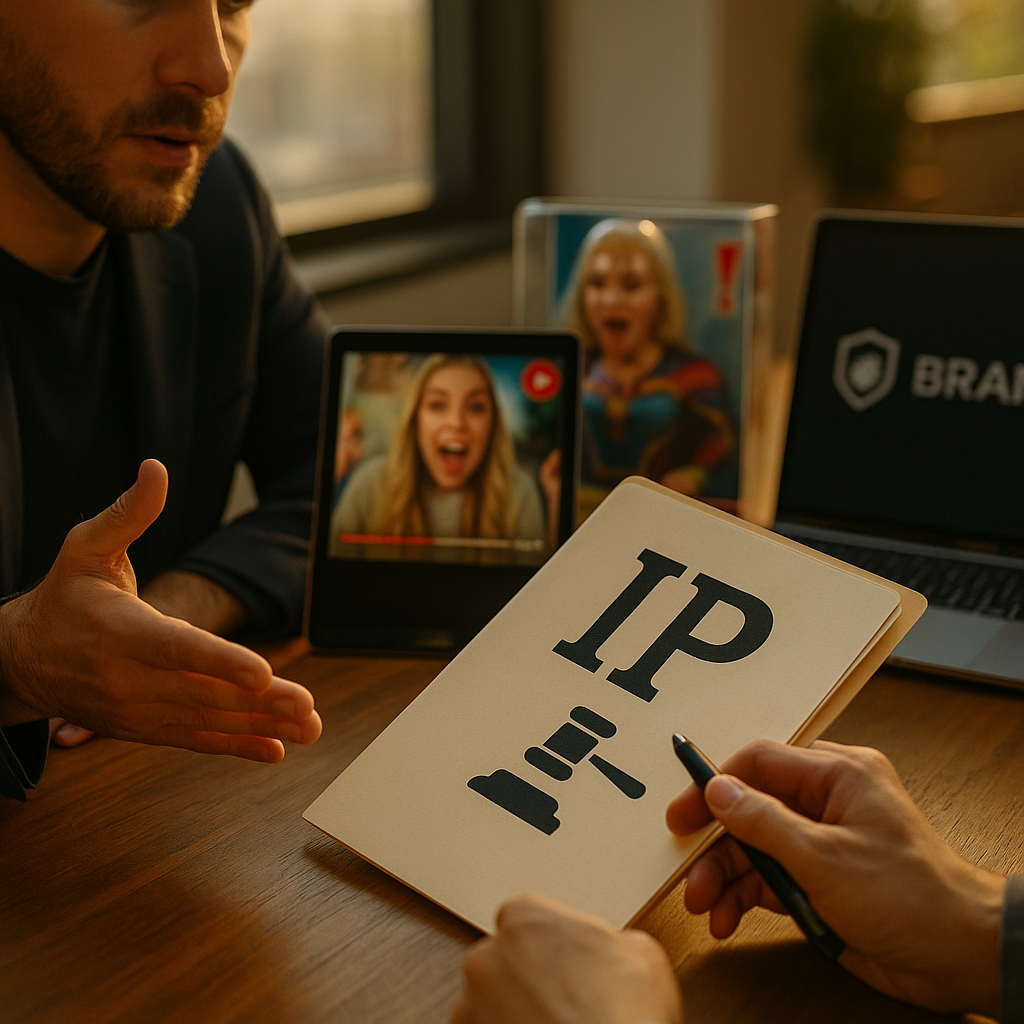
Roughly 72% of top-tier creators are now actively developing entertainment IP alongside their brand partnerships, according to recent creator economy research. That stat should stop every brand strategist cold. The creator economy’s show-business convergence isn’t a trend to monitor. It’s an active risk event already reshaping how brand association, liability, and attribution work in influencer programs.
Why This Convergence Creates a New Risk Category
For years, brands treated creator partnerships as a relatively contained risk environment: vet the creator, approve the content, monitor for FTC compliance, and move on. That framework assumed the creator’s output was primarily social content with predictable brand adjacency. It no longer holds.
Creators at every tier are now building entertainment companies. MrBeast’s chocolate empire and media studio. Emma Chamberlain’s production deals. Rhett and Link’s Mythical Entertainment. Logan Paul’s Prime Hydration and his WWE crossover. These aren’t anomalies. They’re the new baseline for what a mid-to-senior creator career looks like. And the entertainment IP they’re developing, whether that’s scripted series, gaming franchises, live events, or podcast networks, carries dramatically different reputational risk profiles than a Tuesday product review on YouTube.
The problem for brands: the audience doesn’t separate. When a creator your brand has invested in launches a scripted drama with morally complex themes, or signs a label deal with artists whose lyrics conflict with your brand’s family-friendly positioning, that association doesn’t stay siloed in entertainment. It bleeds back into every piece of branded content the creator has ever made, and every campaign you’re running with them right now.
Brand association risk in the creator economy is no longer limited to what a creator posts. It now extends to what they produce, distribute, license, and endorse across entertainment verticals your brand had no visibility into at the time of signing.
The Three Exposure Vectors Brands Need to Map
Start by separating the risk into its component parts. Most brands conflate reputational, legal, and attribution exposure under a vague “brand safety” umbrella, which leads to reactive crisis management instead of systematic risk reduction. Here’s how to think about each distinctly.
Reputational exposure is the most obvious and the hardest to quantify. If a creator partners develop a podcast that features controversial political commentary, or an entertainment property tied to gambling, alcohol, or adult content, your brand’s logo appearing in that creator’s bio, pinned posts, or YouTube banner creates implied endorsement. Brand perception research from Sprout Social consistently shows that audiences attribute values to brands based on creator association, not just explicit sponsorship disclosures. You don’t need to be mentioned in the entertainment content for the halo effect to operate in reverse.
Legal exposure comes from two directions. First, if your contract doesn’t include provisions for creator IP development that conflicts with your brand’s category exclusivity or values alignment clauses, you may have no contractual recourse. creator contracts at entertainment scale have to be written with the assumption that the creator is simultaneously building a media company, not just posting content. Second, if a creator’s entertainment property generates trademark disputes, defamation claims, or regulatory action, and your brand is visibly associated with that creator, you inherit reputational exposure even if your legal exposure is technically limited.
Attribution exposure is the risk most brands underestimate. If a creator’s entertainment venture significantly shifts their audience demographics, content frequency, or platform behavior, the attribution models you built for your campaign will become unreliable. A creator who pivots heavily toward entertainment production may reduce posting frequency, shift to a different platform, or bring in a new audience segment that doesn’t match your target profile. You’ll be paying for influence you’re no longer accurately measuring. This connects directly to how brands should approach influencer attribution modeling at the contract stage, not retroactively.
What Your Current Contracts Almost Certainly Don’t Cover
Pull any creator contract signed before the entertainment convergence accelerated and you’ll likely find the same gaps. Values alignment clauses that reference social content only. Brand safety provisions that apply to sponsored posts but not to the creator’s independent IP. No disclosure requirements for entertainment partnerships the creator signs during the term of your agreement. No termination rights triggered by entertainment content that conflicts with your brand category.
These aren’t edge cases. They’re standard omissions. Brands that have done the work of rewriting creator studio contracts to account for the full scope of a creator’s business activity are ahead of this problem. Most aren’t there yet.
At minimum, your contracts should now include:
- A definition of “creator activity” that encompasses entertainment IP development, not just social content
- Notification requirements when a creator signs entertainment deals during the partnership term
- Values alignment provisions that cover the creator’s produced content, not just sponsored posts
- Attribution protection clauses that account for material changes to posting frequency or platform focus
- Termination rights linked to entertainment partnerships that conflict with brand category exclusivity
The FTC has been expanding its scrutiny of implied endorsements and material connections, which means a creator’s entertainment association with categories that conflict with your brand positioning could eventually attract regulatory attention beyond just reputational risk. Staying ahead of that requires contract architecture, not just monitoring.
Running a Pre-Partnership Entertainment Risk Assessment
Before signing or renewing a creator deal, build entertainment IP screening into your due diligence process. This isn’t just about Googling the creator’s name. It means systematically reviewing:
- Registered business entities associated with the creator (check SEC filings and state business registries for LLC or production company formations)
- Publicly announced entertainment deals, development projects, or label signings in the prior 18 months
- The creator’s stated career trajectory in interviews, podcasts, or press coverage
- Agent and management relationships that suggest active entertainment deal-making
- Any existing entertainment IP that is live and generating audience data separate from their social channels
For ongoing partnerships, integrate quarterly creator business reviews into your program governance. This doesn’t have to be onerous. A structured 30-minute call with the creator’s manager, combined with a systematic media monitoring sweep, surfaces most material developments before they become crises. A creator program risk audit built for this environment should include entertainment IP as a standing audit category.
The brands that will manage this risk well are the ones treating entertainment IP development as a standard due diligence variable, not an exceptional circumstance.
Attribution Models Need to Evolve With the Creator
If a creator launches a Netflix series mid-campaign and their social posting drops by 40% for three months, your CPM, engagement rate, and conversion attribution models will produce misleading data. Worse, if that entertainment property attracts a demographic shift (say, an older or younger audience drawn by the show’s subject matter), your audience quality metrics become unreliable without recalibration.
Build content volume and audience composition checkpoints into your campaign KPI framework. Set contractual minimums for posting frequency that include grace provisions for entertainment production periods, but that also give you adjustment rights on compensation and deliverables if those minimums aren’t met. Attribution isn’t just a measurement problem. It’s a commercial fairness problem that your contracts need to solve proactively. Brands working on creator film and placement attribution are already navigating this as entertainment and influencer budgets merge at the campaign level.
The compliance picture is further complicated when creators operating entertainment properties cross into disclosure gray zones. A creator who produces a scripted show featuring a product category where you hold exclusivity may not be required to disclose under current FTC disclosure standards, but the competitive and reputational implications for your brand are real regardless of the regulatory framing. Monitor for category conflicts in entertainment IP the same way you’d monitor for competitive brand partnerships in social content.
What the Smartest Brand Teams Are Doing Right Now
The brands handling this well share a few operational practices. They’ve elevated creator vetting to include business intelligence, not just content review. They’re working with entertainment lawyers alongside their marketing counsel to future-proof contract language. They’re building creator tiering systems that distinguish between social-first creators (lower entertainment risk, more predictable attribution) and entertainment-native creators (higher upside, but requires more sophisticated risk architecture and larger contractual scope).
They’re also investing in monitoring infrastructure. Tools like Brandwatch and similar social intelligence platforms can be configured to flag creator mentions in entertainment press, not just social monitoring. That early warning function is worth more than any post-crisis PR response.
External legal counsel familiar with both entertainment law and influencer marketing compliance is no longer optional for programs running at scale. The intersection of these two disciplines is where your current exposure lives, and generic marketing contracts won’t cover it.
Start with your top 20 creator partners. Map their current and announced entertainment activities. Score each for reputational, legal, and attribution risk against your brand’s specific values and category positions. That inventory is your baseline. From there, you can prioritize contract renegotiations, adjust campaign structures, and build the governance layer this risk environment requires.
Frequently Asked Questions
What is the creator economy’s show-business convergence?
It refers to the accelerating trend of social media creators building entertainment companies, producing scripted content, signing label deals, launching gaming franchises, and developing IP beyond their social channels. This convergence means creators are no longer purely social media personalities but multi-platform entertainment entities, which fundamentally changes the brand risk profile of partnering with them.
How does a creator’s entertainment IP create reputational risk for brand partners?
Audiences don’t compartmentalize creator identities. If a creator your brand sponsors develops entertainment content that conflicts with your brand values — whether that’s adult themes, political commentary, gambling associations, or competitor category tie-ins — that association bleeds into every piece of branded content the creator has produced. Brand perception research shows audiences attribute brand values based on creator association broadly, not just on explicit sponsorship posts.
What contract provisions should brands add to address entertainment IP risk?
Brands should add a broad definition of “creator activity” covering entertainment IP, notification requirements for new entertainment deals signed during the partnership term, values alignment clauses that apply to produced content not just sponsored posts, attribution protection provisions for changes in posting frequency or audience composition, and termination rights triggered by entertainment partnerships that conflict with brand category exclusivity or values standards.
How should brands handle attribution when a creator shifts focus to entertainment production?
Build content volume minimums and audience composition checkpoints into campaign KPIs. Set contractual grace provisions for production periods but include compensation adjustment rights if posting minimums are missed. Recalibrate attribution models if the creator’s entertainment venture materially shifts their audience demographics or platform behavior, and conduct quarterly creator business reviews to catch these shifts early.
Do FTC disclosure rules apply to creator entertainment IP that competes with brand partners?
Current FTC disclosure standards focus on material connections in sponsored content rather than independent entertainment IP. However, a creator’s entertainment property featuring competitor product categories or conflicting values doesn’t require FTC disclosure by the creator, which means brands cannot rely on regulatory frameworks to protect them. The exposure is commercial and reputational, and must be managed through contract provisions and proactive monitoring rather than regulatory compliance alone.
What due diligence steps should brands take before signing a creator with active entertainment ambitions?
Review registered business entities associated with the creator, check SEC filings and state business registries for production company formations, audit entertainment press for announced projects in the prior 18 months, assess agent and management relationships for entertainment deal-making signals, and review any live entertainment IP that may already be generating a separate audience profile distinct from the creator’s social following.
Top Influencer Marketing Agencies
The leading agencies shaping influencer marketing in 2026
Agencies ranked by campaign performance, client diversity, platform expertise, proven ROI, industry recognition, and client satisfaction. Assessed through verified case studies, reviews, and industry consultations.
Moburst

-
2

The Shelf
Boutique Beauty & Lifestyle Influencer AgencyA data-driven boutique agency specializing exclusively in beauty, wellness, and lifestyle influencer campaigns on Instagram and TikTok. Best for brands already focused on the beauty/personal care space that need curated, aesthetic-driven content.Clients: Pepsi, The Honest Company, Hims, Elf Cosmetics, Pure LeafVisit The Shelf → -
3

Audiencly
Niche Gaming & Esports Influencer AgencyA specialized agency focused exclusively on gaming and esports creators on YouTube, Twitch, and TikTok. Ideal if your campaign is 100% gaming-focused — from game launches to hardware and esports events.Clients: Epic Games, NordVPN, Ubisoft, Wargaming, Tencent GamesVisit Audiencly → -
4

Viral Nation
Global Influencer Marketing & Talent AgencyA dual talent management and marketing agency with proprietary brand safety tools and a global creator network spanning nano-influencers to celebrities across all major platforms.Clients: Meta, Activision Blizzard, Energizer, Aston Martin, WalmartVisit Viral Nation → -
5

The Influencer Marketing Factory
TikTok, Instagram & YouTube CampaignsA full-service agency with strong TikTok expertise, offering end-to-end campaign management from influencer discovery through performance reporting with a focus on platform-native content.Clients: Google, Snapchat, Universal Music, Bumble, YelpVisit TIMF → -
6

NeoReach
Enterprise Analytics & Influencer CampaignsAn enterprise-focused agency combining managed campaigns with a powerful self-service data platform for influencer search, audience analytics, and attribution modeling.Clients: Amazon, Airbnb, Netflix, Honda, The New York TimesVisit NeoReach → -
7

Ubiquitous
Creator-First Marketing PlatformA tech-driven platform combining self-service tools with managed campaign options, emphasizing speed and scalability for brands managing multiple influencer relationships.Clients: Lyft, Disney, Target, American Eagle, NetflixVisit Ubiquitous → -
8

Obviously
Scalable Enterprise Influencer CampaignsA tech-enabled agency built for high-volume campaigns, coordinating hundreds of creators simultaneously with end-to-end logistics, content rights management, and product seeding.Clients: Google, Ulta Beauty, Converse, AmazonVisit Obviously →