


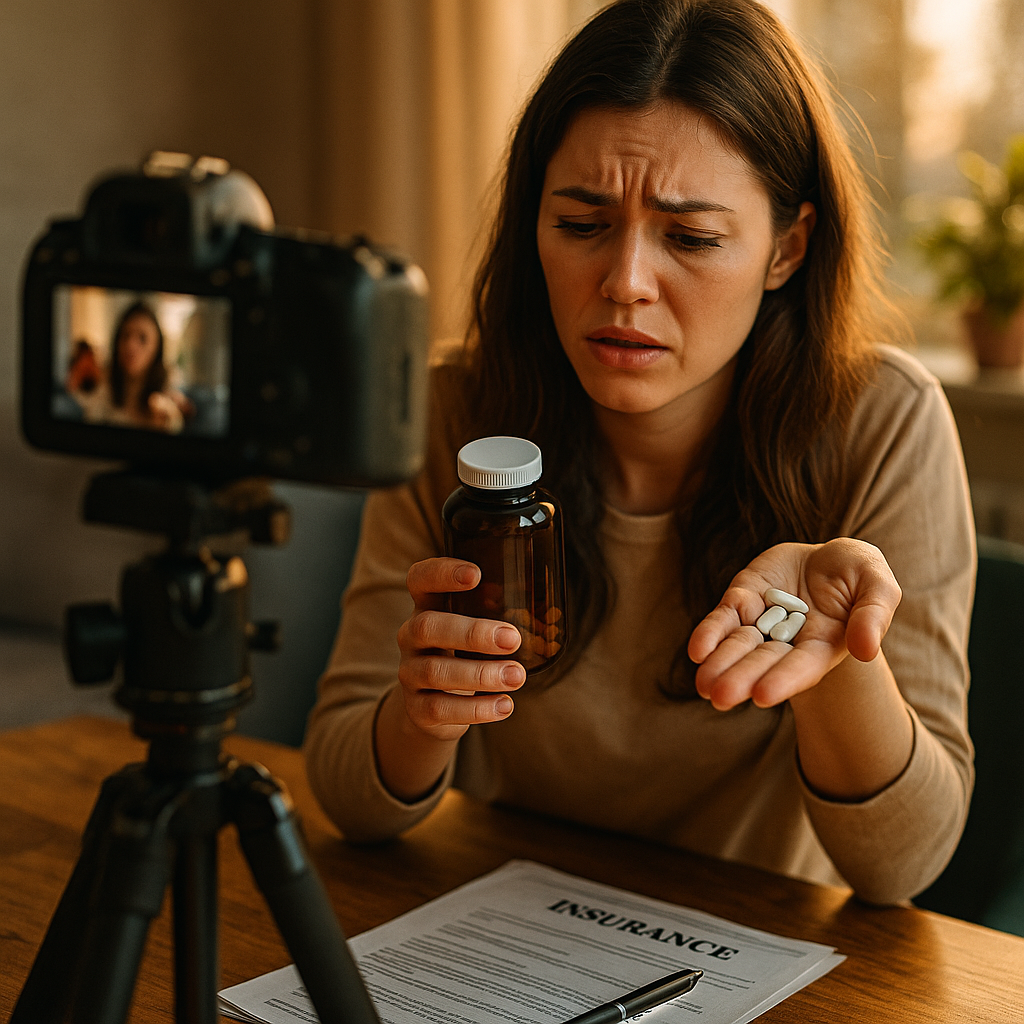
Roughly 73% of consumers say they’ve encountered a health or wellness claim from an influencer that turned out to be false or exaggerated, according to survey data cited by Statista. Now ask your risk management team a harder question: does your product liability insurance actually cover what happens when a creator says your supplement “cures inflammation” on a livestream? For most brands, the answer is no, and they don’t find out until a claim is already filed.
The Coverage Assumption That’s Costing Brands
Marketing teams tend to treat insurance as a background utility, something legal and finance handle while campaigns run. That assumption breaks down fast in the influencer channel, especially when health, wellness, or medical device claims enter the picture.
Standard commercial general liability (CGL) policies were built for a different era of advertising, one where a brand’s own marketing department controlled every word in a script. Influencer content doesn’t work that way. Creators improvise. They answer follower questions live. They repeat claims they saw in a brief without understanding the substantiation requirements behind them. And when something goes wrong, brands often discover their policy has a carve-out they never noticed.
Most CGL and product liability policies exclude claims arising from “unauthorized” or “unsubstantiated” representations about a product’s health benefits, even when the brand paid for the content.
That single exclusion clause can turn a routine FTC complaint into an uninsured six or seven figure exposure. Supplement brands, skincare companies, and wellness device makers are the most exposed categories right now, but the gap applies anywhere a creator ties a product to a health outcome.
Where Standard Policies Stop Covering Creator Claims
Here’s the pattern that keeps showing up in coverage disputes. A brand runs a campaign, the creator says something like “this helped my anxiety” or “it cleared my skin in a week,” and a consumer later sues claiming injury or deceptive marketing. The brand turns to its insurer, expecting the product liability policy to respond. Instead, the carrier flags one of a few common exclusions:
- Advertising injury carve-outs that exclude claims tied to representations the insured “knew or should have known” were false, which plaintiffs’ attorneys love to argue applies to any health claim without clinical backing.
- Professional services exclusions that kick in when content implies medical or nutritional advice, even informally.
- Named insured limitations that only cover statements made by employees or authorized spokespeople, not third-party creators operating under a looser contractor relationship.
- Social media and influencer marketing exclusions that some carriers have started adding explicitly, precisely because claims volume from this channel has increased.
That last one is newer and worth flagging to your broker directly. As influencer spend has grown (eMarketer estimates it now represents a meaningful share of total digital ad budgets for consumer brands), insurers have responded by narrowing what they’ll cover rather than pricing in the added risk. Ask your carrier point blank whether creator-generated content is excluded. Get it in writing. Don’t rely on a verbal assurance from your account rep.
Why Health Claims Specifically Trigger Denial
Property damage and general bodily injury claims tend to have clearer causal chains. Health claims are messier, and insurers know it. Proving that a consumer’s eczema flare-up was caused by a product versus a hundred other variables is hard, but proving that a creator said something false or misleading on camera is easy. That evidentiary asymmetry is exactly why carriers write exclusions around “representations” rather than the underlying product defect. They’re not betting on whether the product is safe. They’re betting on whether the marketing claim was defensible, and creator content rarely comes with the substantiation paperwork that would make it defensible.
The FTC’s endorsement guidelines require that health and efficacy claims be backed by competent and reliable scientific evidence, and that requirement doesn’t disappear because a creator, not the brand’s own copywriter, made the claim. Brands remain liable for endorser statements they solicited or should have reasonably anticipated. That liability exposure and the insurance gap are two separate problems, and most compliance teams only address one of them.
What Happens When a Creator Goes Off Script?
Briefs rarely say “claim this cures anything.” The risk shows up in the gap between what’s written and what’s said on camera. A creator paid to promote a magnesium supplement adds, unprompted, that it “fixed my sleep apnea.” Nobody at the brand approved that line. It wasn’t in the contract. But the content is live, it’s monetized, and a viewer with an adverse reaction now has a plausible claim against both the creator and the brand that paid for the placement.
This is where a lot of brands assume their contract’s indemnification clause solves the problem. It doesn’t, at least not fully. Indemnification shifts financial responsibility on paper, but it only works if the creator has assets or coverage to actually pay out. Most individual creators don’t carry personal liability insurance, and even if your contract entitles you to sue them for damages, that’s a slow, expensive path that does nothing to stop a class action or an FTC inquiry from landing on the brand first.
A contract clause is a legal remedy after the fact. Insurance is the mechanism that actually pays the claim. Brands frequently confuse having the first for having the second.
If your legal team has been treating creator agreements as a substitute for adequate coverage, it’s worth revisiting the vetting process outlined in our pre-launch review checklist, which flags off-script health and efficacy claims before content ever goes live.
Closing the Gap: What Actually Needs to Change
There isn’t a single policy add-on that solves this cleanly, but there are several moves that meaningfully reduce exposure:
- Media liability or advertisers’ liability coverage. This sits alongside CGL and is designed to cover claims arising from advertising content, including third-party endorsements. Ask specifically whether creator and UGC content is included, not assumed.
- Errors and omissions (E&O) riders that extend to marketing claims, particularly relevant for brands in regulated categories like supplements, cosmetics, and medical devices.
- Named creator endorsements on the policy for high-spend, long-term ambassador relationships, similar to how brands add named drivers to a commercial auto policy.
- Substantiation files maintained per claim, so that if a creator’s statement is challenged, the brand can show it had reasonable grounds to believe the claim was true, which matters both for FTC defense and for insurer good faith arguments.
None of this replaces disclosure discipline either. The FTC has been increasingly active on how and when sponsorship is flagged, and health claims paired with weak disclosure compound the risk rather than existing as separate problems. If you haven’t audited your live and pre-recorded disclosure placement recently, our breakdown on live shopping disclosure placement is a useful companion to this issue, since livestreams are where off-script health claims happen most often.
The Contractor Classification Problem Makes This Worse
There’s a compounding issue here that doesn’t get enough attention. The more control a brand exerts over a creator’s script, wording, and claims to reduce liability risk, the closer that relationship drifts toward employee classification under labor law. This tension between compliance control and contractor status is explored in depth in our piece on managed creator programs, and it’s directly relevant here. Brands can’t simply script every word to eliminate health claim risk without triggering a separate misclassification exposure. The fix has to run through insurance and vetting, not just tighter scripts.
Finance and crypto brands have wrestled with a parallel version of this problem for years, where creators make promotional claims that trigger regulatory touting rules. The parallels are close enough that the enforcement logic in our SEC touting gap analysis is worth a read if you’re building out a cross-functional risk framework that covers both financial and health claim categories.
Practical Steps for the Next Renewal Cycle
Insurance renewal season is the actual leverage point here, not a crisis response. Bring these questions to your broker before you’re forced to:
- Does our current CGL or product liability policy explicitly include or exclude influencer and UGC generated advertising claims?
- Is there a separate carve-out for health, wellness, or medical efficacy statements, regardless of who made them?
- What’s the process and timeline for adding a media liability endorsement, and what does it cost relative to our current creator spend?
- Does our contract’s indemnification language align with what our insurer will actually recognize as recoverable?
If you work with an agency of record managing creator relationships, loop them in early. Programs that centralize creator vetting, briefing, and substantiation review through a system like the one outlined in BBB National Programs’ campaign preparation framework tend to catch problematic health claims before they go live, which is cheaper than any insurance settlement. Tools like Sprout Social and campaign management platforms can also flag flagged keywords in creator drafts, giving compliance teams a chance to intervene before publish.
FAQs
Frequently Asked Questions
Does general liability insurance cover influencer marketing claims?
Usually only partially. Most standard commercial general liability policies were not written with creator-generated content in mind, and many carriers now include specific exclusions for advertising injury tied to unsubstantiated representations, which frequently applies to health claims made by influencers.
Who is legally responsible if a creator makes a false health claim about a brand’s product?
Both parties can face exposure. The FTC holds brands responsible for endorser statements they solicited, and consumers can name the brand, the creator, or both in a lawsuit. Indemnification clauses can shift cost responsibility contractually, but they don’t guarantee recovery if the creator lacks assets or coverage.
What is a media liability policy and do I need one?
Media liability (sometimes called advertisers’ liability) insurance covers claims arising from advertising and promotional content, including third-party endorsements. If your brand runs regular influencer campaigns, especially in supplements, skincare, or wellness categories, it’s worth adding as a supplement to standard product liability coverage.
Can a brand be held liable for a creator’s off-script comments during a livestream?
Yes. If the content was part of a paid partnership, brands can be held responsible for statements made during the segment, even if those statements weren’t in the original brief. This is one reason livestream and unscripted content carries higher insurance and compliance risk than pre-approved scripted posts.
How can brands reduce the risk of uninsured health claim exposure?
Maintain substantiation files for every health-related claim in a brief, review creator content before publish using a documented checklist, confirm explicitly with your insurer whether creator content is covered, and consider adding media liability or E&O riders that extend to third-party marketing claims.
Next step: pull your current CGL and product liability policies before your next renewal call and ask your broker, in writing, whether creator-generated health claims are excluded. If the answer is yes or unclear, price out a media liability endorsement now, not after a claim forces the conversation.
Top Influencer Marketing Agencies
The leading agencies shaping influencer marketing in 2026
Agencies ranked by campaign performance, client diversity, platform expertise, proven ROI, industry recognition, and client satisfaction. Assessed through verified case studies, reviews, and industry consultations.
Moburst

-
2

The Shelf
Boutique Beauty & Lifestyle Influencer AgencyA data-driven boutique agency specializing exclusively in beauty, wellness, and lifestyle influencer campaigns on Instagram and TikTok. Best for brands already focused on the beauty/personal care space that need curated, aesthetic-driven content.Clients: Pepsi, The Honest Company, Hims, Elf Cosmetics, Pure LeafVisit The Shelf → -
3

Audiencly
Niche Gaming & Esports Influencer AgencyA specialized agency focused exclusively on gaming and esports creators on YouTube, Twitch, and TikTok. Ideal if your campaign is 100% gaming-focused — from game launches to hardware and esports events.Clients: Epic Games, NordVPN, Ubisoft, Wargaming, Tencent GamesVisit Audiencly → -
4

Viral Nation
Global Influencer Marketing & Talent AgencyA dual talent management and marketing agency with proprietary brand safety tools and a global creator network spanning nano-influencers to celebrities across all major platforms.Clients: Meta, Activision Blizzard, Energizer, Aston Martin, WalmartVisit Viral Nation → -
5

The Influencer Marketing Factory
TikTok, Instagram & YouTube CampaignsA full-service agency with strong TikTok expertise, offering end-to-end campaign management from influencer discovery through performance reporting with a focus on platform-native content.Clients: Google, Snapchat, Universal Music, Bumble, YelpVisit TIMF → -
6

NeoReach
Enterprise Analytics & Influencer CampaignsAn enterprise-focused agency combining managed campaigns with a powerful self-service data platform for influencer search, audience analytics, and attribution modeling.Clients: Amazon, Airbnb, Netflix, Honda, The New York TimesVisit NeoReach → -
7

Ubiquitous
Creator-First Marketing PlatformA tech-driven platform combining self-service tools with managed campaign options, emphasizing speed and scalability for brands managing multiple influencer relationships.Clients: Lyft, Disney, Target, American Eagle, NetflixVisit Ubiquitous → -
8

Obviously
Scalable Enterprise Influencer CampaignsA tech-enabled agency built for high-volume campaigns, coordinating hundreds of creators simultaneously with end-to-end logistics, content rights management, and product seeding.Clients: Google, Ulta Beauty, Converse, AmazonVisit Obviously →