


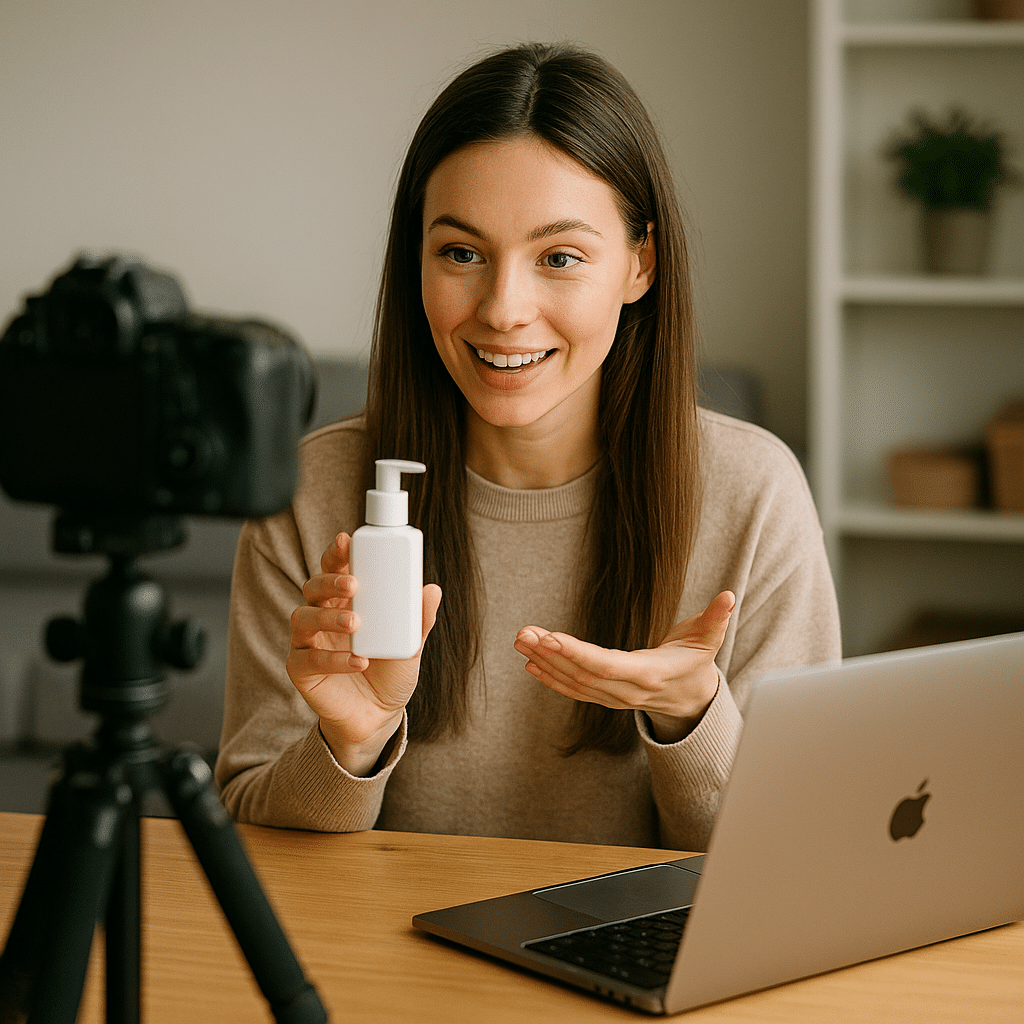
The rise of the “creator-led brand” has rapidly transformed the marketing and ecommerce landscape, as influencers evolve from brand ambassadors to direct competitors. Businesses now face not only other companies but charismatic content creators who build loyal audiences and launch products of their own. How can brands adapt—and thrive—amid this creator-driven revolution?
Understanding Creator-Led Brands: A New Competitive Frontier
Creator-led brands are more than celebrity endorsements; they are businesses founded and operated by influencers who command dedicated fanbases across platforms like Instagram, YouTube, and TikTok. Unlike traditional companies, creators leverage their authenticity, established trust, and relentless content output to introduce products ranging from fashion and beauty to tech and personal development. According to Shopify’s 2025 Future of Commerce report, over 30% of new product launches in beauty and wellness come from individual creators rather than legacy brands, solidifying their role as serious competition.
The effectiveness of a creator-led brand comes down to direct community engagement, nimble product development, and rapid iteration based on real-time feedback. Creators listen closely to their audiences, and their agile approach allows them to develop offerings that precisely fit market demand.
How Influencers Build Trust—and Buy-In—at Scale
Trust is a currency creators spend wisely. Influencers-turned-entrepreneurs typically build brands that are extensions of their personal values and style, offering transparency rarely matched by larger companies. Creator-led brand success stories like Glossier and Emma Chamberlain’s Chamberlain Coffee show how communities that once engaged with content now become invested customers, thanks to perceived authenticity and direct access.
A recent Nielsen Global Trust in Advertising survey shows 76% of consumers trust recommendations from people they follow online—more than ads from traditional brands. Influencer brands use this trust to foster loyalty, gather raw feedback, and co-create products with their audience. This two-way conversation continually refines and strengthens the brand’s market fit.
Direct-to-Community Commerce: Influencers Redefine Sales Channels
Content creators bypass conventional retail models with direct-to-community commerce. Social selling, shoppable livestreams, and personalized subscription boxes have all surged due to creator influence. Instead of relying on third-party retailers, influencers use their platforms as both marketing and sales engines, reducing costs while maximizing engagement.
The 2025 Social Commerce Index highlighted that 42% of Gen Z and Millennial consumers would rather purchase from a creator or influencer brand than a legacy company, largely due to the seamless integration of discovery and purchase within social media feeds. This method also enables efficient niche targeting, helping creator-led brands convert engagement into sales more effectively than many corporate rivals.
Opportunities and Threats for Traditional Brands
The ascendance of influencer competition challenges established brands to radically rethink marketing, product development, and customer relationships. Traditional brands can partner with creators for co-branded products or ambassador programs—strategies that leverage influencer trust while enhancing corporate credibility. However, simply sponsoring posts no longer suffices when creators are running parallel ecosystems.
On the other hand, brands risk being sidelined if they fail to cultivate genuine community engagement or adapt to consumer preferences shaped by creator-led experiences. Authentic storytelling, agility, and audience-centric strategies aren’t optional anymore—they have become fundamental for survival.
Adapting Strategy: How Brands Can Stay Ahead in the Creator Economy
To remain competitive, businesses must evolve beyond conventional influencer marketing. Building richer collaborations and fostering creator-style transparency can drive meaningful results. Key strategies include:
- Co-creation with niche influencers: Invite creators to help shape new products or lines, integrating real consumer insights from inception to launch.
- Investing in community platforms: Cultivate brand-owned spaces—forums, groups, live events—where customers interact directly with your team and one another.
- Transparent storytelling: Share behind-the-scenes processes, customer testimonials, and challenges openly to build trust.
- Agile product cycles: Use feedback loops modeled after creators’ rapid prototyping to refine offerings quickly in response to audience needs.
Leading brands are also using AI to identify rising creators early, ensuring partnerships drive tangible, two-way value.
The Future of Brand Competition: What Lies Ahead?
As creator-led brands gain influence, the distinction between influencer and traditional competitor continues to blur. Expect more creators launching their own verticals—be it in wellness, education, or technology—while audiences seek deeper, more personal connections with the brands they support.
Emerging technologies in 2025, like AI-powered content and decentralized social platforms, further empower creators to scale fast and personalize interaction. This means the pace of competition will only accelerate, favoring organizations willing to rethink not just how they reach consumers, but how they build real communities.
FAQs: Creator-Led Brands and Influencer Competition
-
What is a creator-led brand?
A creator-led brand is a business founded by influencers or content creators, often built on their personal platforms and values, offering products directly to their followers.
-
How are influencers becoming competition for traditional brands?
Influencers compete by leveraging trust, rapid product launches, and community-driven marketing, allowing them to challenge established businesses directly in many niches.
-
What industries are most affected by creator-led brands?
Beauty, fashion, wellness, and consumer tech have seen the greatest disruption, but creator-led brands now appear in finance, food, and education.
-
How should businesses respond to the rise of creator-led brands?
Brands must enhance transparency, foster deeper engagement, co-create with influencers, and prioritize community-driven marketing to remain relevant and competitive.
-
Can traditional brands collaborate with creators?
Yes, many successful collaborations involve co-branded products, joint campaigns, and even allowing influential creators an active role in design and development.
In 2025, the rise of the creator-led brand means influencers are your direct competition—redefining customer trust, speed to market, and community engagement. Forward-thinking brands that adapt with authentic, audience-first strategies will not only survive this shift but thrive in the new era of influencer-driven commerce.
Top Influencer Marketing Agencies
The leading agencies shaping influencer marketing in 2026
Agencies ranked by campaign performance, client diversity, platform expertise, proven ROI, industry recognition, and client satisfaction. Assessed through verified case studies, reviews, and industry consultations.
Moburst

-
2

The Shelf
Boutique Beauty & Lifestyle Influencer AgencyA data-driven boutique agency specializing exclusively in beauty, wellness, and lifestyle influencer campaigns on Instagram and TikTok. Best for brands already focused on the beauty/personal care space that need curated, aesthetic-driven content.Clients: Pepsi, The Honest Company, Hims, Elf Cosmetics, Pure LeafVisit The Shelf → -
3

Audiencly
Niche Gaming & Esports Influencer AgencyA specialized agency focused exclusively on gaming and esports creators on YouTube, Twitch, and TikTok. Ideal if your campaign is 100% gaming-focused — from game launches to hardware and esports events.Clients: Epic Games, NordVPN, Ubisoft, Wargaming, Tencent GamesVisit Audiencly → -
4

Viral Nation
Global Influencer Marketing & Talent AgencyA dual talent management and marketing agency with proprietary brand safety tools and a global creator network spanning nano-influencers to celebrities across all major platforms.Clients: Meta, Activision Blizzard, Energizer, Aston Martin, WalmartVisit Viral Nation → -
5

The Influencer Marketing Factory
TikTok, Instagram & YouTube CampaignsA full-service agency with strong TikTok expertise, offering end-to-end campaign management from influencer discovery through performance reporting with a focus on platform-native content.Clients: Google, Snapchat, Universal Music, Bumble, YelpVisit TIMF → -
6

NeoReach
Enterprise Analytics & Influencer CampaignsAn enterprise-focused agency combining managed campaigns with a powerful self-service data platform for influencer search, audience analytics, and attribution modeling.Clients: Amazon, Airbnb, Netflix, Honda, The New York TimesVisit NeoReach → -
7

Ubiquitous
Creator-First Marketing PlatformA tech-driven platform combining self-service tools with managed campaign options, emphasizing speed and scalability for brands managing multiple influencer relationships.Clients: Lyft, Disney, Target, American Eagle, NetflixVisit Ubiquitous → -
8

Obviously
Scalable Enterprise Influencer CampaignsA tech-enabled agency built for high-volume campaigns, coordinating hundreds of creators simultaneously with end-to-end logistics, content rights management, and product seeding.Clients: Google, Ulta Beauty, Converse, AmazonVisit Obviously →