


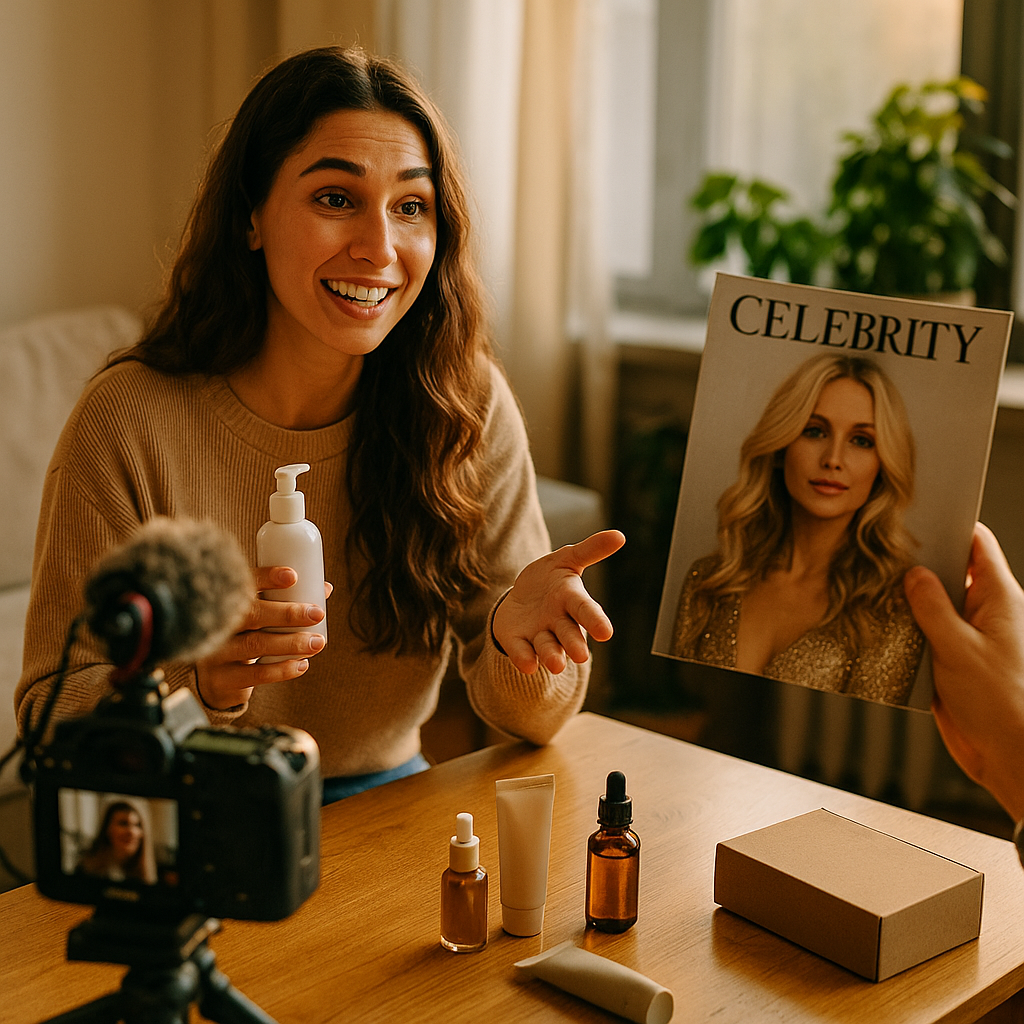
Creators replacing traditional brand spokespeople is a trend reshaping the marketing landscape in 2025. As digital influence surges and consumer skepticism towards polished ads grows, businesses are rapidly embracing creators for authentic connections. Why are creators becoming brand’s go-to voices, and what does this evolution mean for companies striving for deep customer engagement?
Influencer Marketing Revolution: Why Brands Prefer Creators Over Celebrities
Traditional brand spokespeople—often celebrities or industry experts—once dominated major advertising campaigns. However, the influencer marketing revolution has shifted the spotlight to creators. Brand managers cite authenticity, relatability, and audience trust as key reasons for favoring creators. Data from 2025 marketer surveys shows that campaigns featuring creators drive up to 60% higher engagement rates than those backed by conventional spokespeople.
Creators cultivate their communities on platforms like TikTok, Instagram Reels, and YouTube Shorts, frequently sharing behind-the-scenes snippets and personal stories. These genuine interactions foster trust and make audiences more receptive to branded messages. For brands, this translates to credible endorsements that move the needle on brand awareness and conversions—all at a fraction of the cost of celebrity contracts.
Creator Partnerships: Building Authentic Brand Advocacy
In 2025, creator partnerships are the gold standard for sparking brand loyalty. Rather than one-off endorsements or scripted ads, creators collaborate as genuine brand advocates. They help brands tap into niche communities and micro-audiences that traditional spokespeople rarely reach.
- Long-term collaborations: Brands invest in ongoing partnerships, integrating creators into product development, campaign ideation, and even co-branded lines.
- Story-driven content: Creators weave brand narratives into their own content formats—vlogs, tutorials, reviews, and challenges—blurring the lines between advertising and organic content.
- Community involvement: Creators often involve their audience in creative decisions, leading to higher engagement and a feeling of co-creation among followers.
As a result, creator partnerships are elevating brand advocacy, generating both short-term buzz and durable loyalty that outlasts fleeting celebrity endorsements.
Consumer Trust and Brand Credibility: The Creator Impact
Trust is a currency in the digital age, and consumers place greater trust in creators over celebrities or corporate spokespeople. According to a 2025 consumer trust study, 72% of Gen Z and Millennial shoppers believe creators give more honest product recommendations than celebrities or CEOs.
This surge in credibility stems from creators’ audience-centric approach:
- They respond directly to comments and feedback, demystifying products with real-world tests and honest opinions.
- Creators are selective—many will only promote brands that align with their values, further enhancing authenticity.
- Disclosures and transparency about partnerships have become standard, making sponsored content feel genuine rather than manipulative.
For brands, the impact is twofold: credible creator partnerships protect reputation and drive conversion rates, making them a cornerstone of modern marketing strategies.
Cost Efficiency and Measurable ROI: Economic Benefits for Brands
In addition to heightened trust and authenticity, brands appreciate the cost efficiency creators provide. Traditional spokespeople campaigns often command hefty fees, production budgets, and media spend—with ROI difficult to track. In contrast, working with creators can be more affordable, flexible, and measurable.
- Micro- and nano-creators deliver high value: Brands can partner with multiple smaller creators, targeting diverse, engaged micro-audiences for the same cost as a single celebrity ad.
- Agile content production: Creators shoot, edit, and publish brand content quickly, responding to trends and feedback in real time.
- Data-driven ROI: Platforms now offer robust analytics on creator campaigns—tracking reach, engagement, clicks, conversions, and even brand lift with precision.
These efficiencies empower brands to diversify campaigns, experiment with messaging, and swiftly pivot strategies—driving better results from their marketing spend.
Content Innovation: How Creators Shape the New Marketing Playbook
Creators don’t just amplify brand messages; they set trends and drive content innovation. They experiment freely, using interactive formats, AI tools, and immersive storytelling to produce memorable content that cuts through the digital noise.
Leading brands in 2025 invite creators to co-create campaign concepts. For example, releasing new products via creator “drops” or leveraging user-generated content challenges for launches. This collaborative approach puts brands at the heart of cultural moments.
- Short-form video reigns: Explosively popular creator videos spark viral moments, often outperforming long-form ads in awareness and shareability.
- AI-generated content: Many creators harness AI to tailor content, personalize experiences, and surface hyper-relevant messages for specific audience segments.
- 360-degree storytelling: Creators use blogs, podcasts, livestreams, and social media to craft cohesive, cross-platform narratives for brands.
This new playbook is helping brands innovate faster and connect with audiences in ways that traditional spokespeople rarely achieve.
Challenges and Best Practices: Navigating the Creator Economy Ethically
While creators offer immense value, brands face challenges in navigating the evolving creator economy. Issues such as alignment of values, intellectual property, and influencer fatigue require careful management.
- Due diligence on creator history: Brands must vet creators for authenticity, relevance, and alignment with their own values to avoid reputational risks.
- Clear contracts and communication: Formal agreements should define deliverables, usage rights, and transparency rules for disclosing sponsored relationships.
- Avoiding overexposure: Audiences quickly lose interest if a creator promotes too many brands; exclusivity clauses and thoughtful collaboration preserve authenticity.
- Leveraging technology responsibly: As AI-generated content rises, brands must ensure creator-generated materials reflect real experiences and remain trustworthy.
By applying these best practices and focusing on genuine, value-driven partnerships, brands can harness the full potential of creators—ensuring their marketing remains both effective and ethical.
FAQs: Creators Replacing Traditional Brand Spokespeople
-
Why are brands choosing creators over traditional spokespeople in 2025?
Brands view creators as more authentic, relatable, and capable of building deeper trust with consumers. They offer targeted reach and higher engagement compared to conventional celebrities, and their content feels more genuine.
-
How do creator partnerships differ from traditional endorsements?
Creator partnerships prioritize long-term collaboration, audience involvement, and co-created content. Unlike traditional spokespeople who deliver scripted promos, creators integrate brands into their own storytelling, resulting in organic, credible advocacy.
-
Are creator-led campaigns cost-effective?
Yes. Brands can work with micro- and nano-creators for highly targeted reach and more affordable rates, while leveraging data analytics to measure ROI and optimize campaigns in real time.
-
How do brands ensure authenticity in creator collaborations?
Brands select creators who align with their values, emphasize transparency in sponsored partnerships, and encourage creators to share honest opinions—preserving trust and credibility.
-
What are the main challenges of working with creators?
Key challenges include ensuring brand-creator value alignment, managing content rights, maintaining campaign authenticity, and monitoring influencer fatigue among audiences.
Creators replacing traditional brand spokespeople is more than a trend—it’s a strategic evolution in brand communication. Companies leveraging creators’ authenticity, innovation, and community focus are not only building trust but also enjoying measurable business gains. Adapting to this shift will be vital for brands seeking marketing relevance and effectiveness in 2025.
Top Influencer Marketing Agencies
The leading agencies shaping influencer marketing in 2026
Agencies ranked by campaign performance, client diversity, platform expertise, proven ROI, industry recognition, and client satisfaction. Assessed through verified case studies, reviews, and industry consultations.
Moburst

-
2

The Shelf
Boutique Beauty & Lifestyle Influencer AgencyA data-driven boutique agency specializing exclusively in beauty, wellness, and lifestyle influencer campaigns on Instagram and TikTok. Best for brands already focused on the beauty/personal care space that need curated, aesthetic-driven content.Clients: Pepsi, The Honest Company, Hims, Elf Cosmetics, Pure LeafVisit The Shelf → -
3

Audiencly
Niche Gaming & Esports Influencer AgencyA specialized agency focused exclusively on gaming and esports creators on YouTube, Twitch, and TikTok. Ideal if your campaign is 100% gaming-focused — from game launches to hardware and esports events.Clients: Epic Games, NordVPN, Ubisoft, Wargaming, Tencent GamesVisit Audiencly → -
4

Viral Nation
Global Influencer Marketing & Talent AgencyA dual talent management and marketing agency with proprietary brand safety tools and a global creator network spanning nano-influencers to celebrities across all major platforms.Clients: Meta, Activision Blizzard, Energizer, Aston Martin, WalmartVisit Viral Nation → -
5

The Influencer Marketing Factory
TikTok, Instagram & YouTube CampaignsA full-service agency with strong TikTok expertise, offering end-to-end campaign management from influencer discovery through performance reporting with a focus on platform-native content.Clients: Google, Snapchat, Universal Music, Bumble, YelpVisit TIMF → -
6

NeoReach
Enterprise Analytics & Influencer CampaignsAn enterprise-focused agency combining managed campaigns with a powerful self-service data platform for influencer search, audience analytics, and attribution modeling.Clients: Amazon, Airbnb, Netflix, Honda, The New York TimesVisit NeoReach → -
7

Ubiquitous
Creator-First Marketing PlatformA tech-driven platform combining self-service tools with managed campaign options, emphasizing speed and scalability for brands managing multiple influencer relationships.Clients: Lyft, Disney, Target, American Eagle, NetflixVisit Ubiquitous → -
8

Obviously
Scalable Enterprise Influencer CampaignsA tech-enabled agency built for high-volume campaigns, coordinating hundreds of creators simultaneously with end-to-end logistics, content rights management, and product seeding.Clients: Google, Ulta Beauty, Converse, AmazonVisit Obviously →