


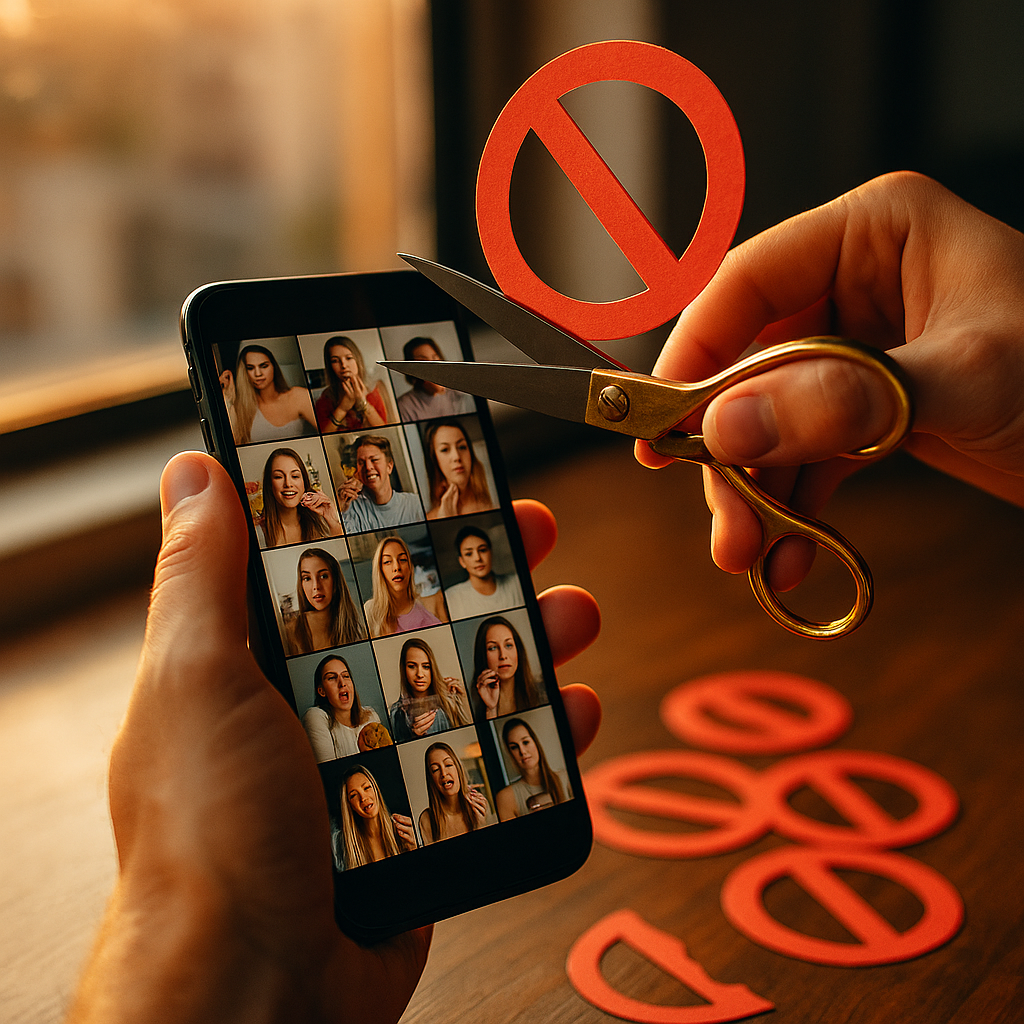
Influencer marketing has evolved from a novel tactic to a cornerstone of digital strategy, making concerns about the oversaturation of influencer marketing ever more relevant. With audiences bombarded by sponsored posts, brands must rethink how to gain attention and engagement. Here’s how you can cut through the noise and shine in today’s crowded influencer landscape.
Understanding the Oversaturation of Influencer Marketing
The rise of influencer marketing over the past decade has fundamentally altered the way brands engage with consumers online. As investment has soared, the number of creators involved has skyrocketed, leading to the current oversaturation of influencer marketing. According to Influencer Marketing Hub’s 2024 report, over 80% of brands use influencer campaigns, resulting in a digital space where promotional content feels ubiquitous.
This increased supply has a direct impact: audiences face “influencer fatigue,” and engagement rates decline. The sheer volume of similar content, unoriginal messaging, and lack of authenticity causes followers to scroll past sponsored posts without noticing them. Brands are confronted by a paradox: the greater the influencer involvement, the harder it is to stand out.
Leveraging Authenticity in a Saturated Influencer Landscape
As competition for attention intensifies, authenticity emerges as a critical secondary keyword and best practice. Consumers in 2025 are increasingly discerning, quickly detecting when an influencer’s endorsement lacks genuine alignment or when a partnership is purely transactional. Recent studies from GWI highlight that over 60% of internet users trust influencers only if they believe there is genuine brand-influencer fit.
Here’s how brands can prioritize authenticity:
- Partner with micro- and nano-influencers: They command smaller, more engaged audiences, often rooted in niche interests. Their endorsements feel more like personal recommendations than blatant advertisements.
- Encourage storytelling: Shift the campaign focus from product promotion to narratives centered on real experiences. Let influencers share their own stories interacting with your product or service.
- Allow creative freedom: Influencers know their audience best. Give them autonomy to present your brand in ways that feel natural to their followers.
Prioritizing authenticity not only differentiates your brand but also helps regain audience trust.
Choosing the Right Influencer Partnerships for Brand Visibility
Brand visibility is integral to cutting through influencer marketing oversaturation. The key is not just maximizing reach, but being seen by the right eyes in the right context. Instead of defaulting to high-follower-count creators, brands in 2025 are focusing on relevance and resonance:
- Leverage audience analytics: Examine influencers’ demographics, engagement metrics, and sentiment analysis. Compatibility between an influencer’s audience and your target market is crucial.
- Align values and mission: Seek influencers whose ethos mirrors your brand. Partnerships that reflect shared values are more credible and resonate deeper with consumers.
- Co-create unique activations: Move beyond standard sponsored posts. Invest in collaborative projects—such as challenges, live streams, or content series—that integrate your brand into cultural conversations.
By building intentional, well-aligned partnerships, brands can boost meaningful brand visibility, even when the influencer marketing arena feels crowded.
Enhancing Engagement Through Creative Content Strategies
In an era when every feed is awash with influencer content, creative content strategies are crucial to engagement. To combat the oversaturation of influencer marketing, brands must innovate, experiment, and embrace trends unique to social platforms, including:
- Short-form video and ephemeral content: Formats like Instagram Reels, TikTok, and YouTube Shorts thrive due to their high replay value and shareability. Influencer-led “behind-the-scenes” or “day-in-my-life” content feels authentic and less scripted.
- Interactive elements: Polls, Q&As, and audience challenges foster two-way conversations. These interactions cut through passive scrolling and make sponsored content more dynamic.
- User-generated content (UGC): Encourage influencers to rally their communities in creating and sharing brand-related content. UGC amplifies your message organically and leverages social proof.
Adopting a diversified content mix—tailored to both platform and audience—results in deeper engagement and memorability, strengthening your brand presence amidst the noise.
Measuring Success and Adapting in a Crowded Influencer Market
With oversaturation lowering overall campaign efficacy, brands must evolve their performance measurement techniques and adapt accordingly. Relying solely on “vanity metrics” like follower counts or likes is no longer sufficient. Instead, prioritize:
- Tracking authentic engagement: Analyze saves, shares, comments, and direct messages stemming from influencer campaigns to reveal the actual impact on audience behavior.
- Monitoring conversions and ROI: Use unique codes, affiliate links, and trackable URLs. Evaluate data against campaign costs to ensure effectiveness and inform ongoing decisions.
- Gathering post-campaign feedback: Request feedback from both influencers and audiences. Qualitative insights—such as what resonated or felt forced—are invaluable for refining future campaigns.
Today’s top-performing brands repeatedly assess campaign effectiveness, iterating quickly and efficiently to stay ahead in the saturated influencer marketing sphere.
Building Trust and Credibility: The Power of Transparent Collaboration
Cutting through the noise in influencer marketing isn’t just about standing out, it’s about standing for something. Audiences in 2025 increasingly value transparency, honesty, and consistency. According to surveys, brands that practice full disclosure and clear communication in influencer partnerships are 35% more likely to be viewed favorably by consumers.
- Clear disclosure: Insist on #ad, #sponsored, or platform-specific tags. Transparency builds trust and complies with evolving regulations.
- Long-term partnerships: Ongoing collaborations are perceived as more credible than one-off promotions. They signal mutual trust and genuine endorsement.
- Values-driven messaging: Empower influencers to speak openly about why they believe in your brand, not just what you offer.
When influencers and brands present transparently and authentically, they foster loyalty and unify their messages—an essential asset in a crowded, competitive market.
FAQs: Navigating the Oversaturation of Influencer Marketing in 2025
-
Why is influencer marketing considered oversaturated?
With most brands running influencer campaigns and an abundance of creators online, audiences are exposed to similar content constantly, resulting in “influencer fatigue.” This high volume of promotional posts makes it difficult for any single brand message to stand out.
-
How do I choose the right influencers in a crowded space?
Select influencers based on alignment with your target audience, shared values, and historical engagement—not just on follower count. Analyze audience insights and prioritize creators with proven credibility in your niche.
-
What content types work best to cut through the noise?
Short-form and interactive content—such as Reels, TikTok videos, and live streams—captures attention quickly. Stories, authentic testimonials, and user-generated content also generate higher engagement and stronger brand recall.
-
How can brands maintain authenticity in influencer campaigns?
Allow influencers creative freedom, focus on long-term relationships, and collaborate with those who have personal affinity for your product or mission. Storytelling and transparency are key to sustaining trust.
-
What metrics should I focus on when evaluating success?
Look beyond vanity metrics. Track engagement, conversions, brand lift, and post-campaign feedback. Focus on indicators that reflect real audience impact and business outcomes.
The oversaturation of influencer marketing presents challenges, but also compelling opportunities. By prioritizing authenticity, creative content, and transparent partnerships, your brand can cut through the noise—and foster measurable, lasting connections with audiences in 2025.
Top Influencer Marketing Agencies
The leading agencies shaping influencer marketing in 2026
Agencies ranked by campaign performance, client diversity, platform expertise, proven ROI, industry recognition, and client satisfaction. Assessed through verified case studies, reviews, and industry consultations.
Moburst

-
2

The Shelf
Boutique Beauty & Lifestyle Influencer AgencyA data-driven boutique agency specializing exclusively in beauty, wellness, and lifestyle influencer campaigns on Instagram and TikTok. Best for brands already focused on the beauty/personal care space that need curated, aesthetic-driven content.Clients: Pepsi, The Honest Company, Hims, Elf Cosmetics, Pure LeafVisit The Shelf → -
3

Audiencly
Niche Gaming & Esports Influencer AgencyA specialized agency focused exclusively on gaming and esports creators on YouTube, Twitch, and TikTok. Ideal if your campaign is 100% gaming-focused — from game launches to hardware and esports events.Clients: Epic Games, NordVPN, Ubisoft, Wargaming, Tencent GamesVisit Audiencly → -
4

Viral Nation
Global Influencer Marketing & Talent AgencyA dual talent management and marketing agency with proprietary brand safety tools and a global creator network spanning nano-influencers to celebrities across all major platforms.Clients: Meta, Activision Blizzard, Energizer, Aston Martin, WalmartVisit Viral Nation → -
5

The Influencer Marketing Factory
TikTok, Instagram & YouTube CampaignsA full-service agency with strong TikTok expertise, offering end-to-end campaign management from influencer discovery through performance reporting with a focus on platform-native content.Clients: Google, Snapchat, Universal Music, Bumble, YelpVisit TIMF → -
6

NeoReach
Enterprise Analytics & Influencer CampaignsAn enterprise-focused agency combining managed campaigns with a powerful self-service data platform for influencer search, audience analytics, and attribution modeling.Clients: Amazon, Airbnb, Netflix, Honda, The New York TimesVisit NeoReach → -
7

Ubiquitous
Creator-First Marketing PlatformA tech-driven platform combining self-service tools with managed campaign options, emphasizing speed and scalability for brands managing multiple influencer relationships.Clients: Lyft, Disney, Target, American Eagle, NetflixVisit Ubiquitous → -
8

Obviously
Scalable Enterprise Influencer CampaignsA tech-enabled agency built for high-volume campaigns, coordinating hundreds of creators simultaneously with end-to-end logistics, content rights management, and product seeding.Clients: Google, Ulta Beauty, Converse, AmazonVisit Obviously →