


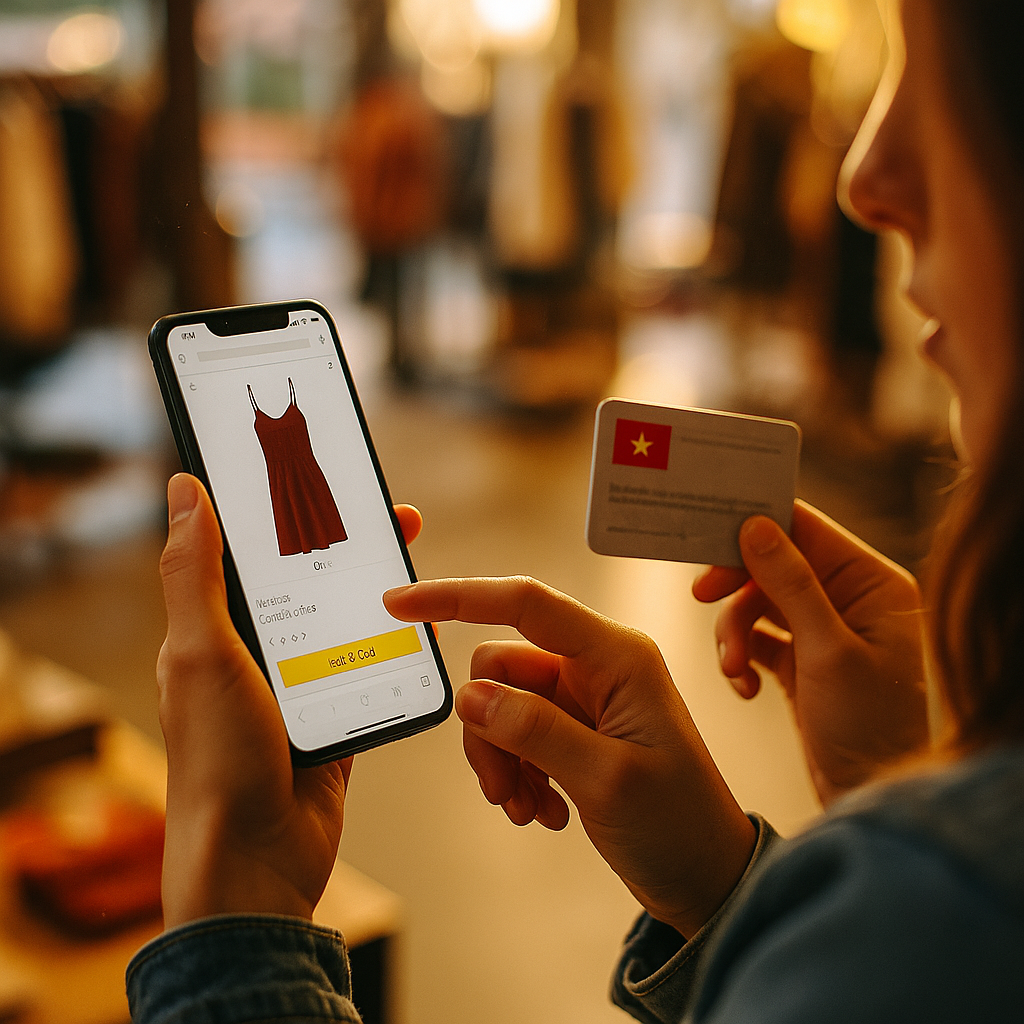
In 2025, shoppers increasingly weigh digital rights alongside price and performance. The rise of Cyber Sovereignty in Consumer Choice reflects a shift toward products and services that respect local laws, personal autonomy, and transparent data practices. From smartphones to streaming, people want control over where information lives and who can access it. What’s driving this change—and how will it reshape what you buy next?
Data localization laws and consumer expectations
Cyber sovereignty has moved from policy circles into everyday purchasing decisions because rules about data location are no longer abstract. When a country requires certain data to be stored or processed within its borders, consumers notice the practical outcomes: faster dispute resolution, clearer jurisdiction in case of breach, and fewer unknown third parties handling sensitive information.
Data localization also influences brand promises. A company might advertise that customer support data stays within a region, or that biometric templates never leave a device. The best providers explain these choices plainly: what data is stored, where it is stored, how long it is retained, and who can access it. That level of detail helps people compare offerings beyond marketing claims.
Consumers also respond to the trade-offs. Localization can improve legal clarity but may reduce product features if a service depends on global infrastructure. In practice, shoppers increasingly ask follow-up questions such as:
- Will I lose functionality if I choose a region-locked or localized version of the service?
- Which entity is my data controller—a local subsidiary or a foreign parent company?
- Where are backups and logs stored, not just primary databases?
Brands that address these questions upfront earn trust because they treat sovereignty as a user concern, not a compliance checkbox.
Digital privacy as a buying factor
Privacy has become a product feature. Consumers now evaluate privacy settings with the same seriousness they apply to battery life, warranty terms, or return policies. This is especially true for services that touch identity, payments, location, health, children’s data, and home security cameras.
Digital privacy affects consumer choice in three practical ways:
- Default settings: People prefer privacy-protective defaults that require opt-in for tracking, rather than hidden opt-outs.
- Data minimization: Shoppers increasingly avoid apps that demand contacts, microphone, or precise location without a clear purpose.
- Control and portability: Users want easy export, deletion, and account closure without penalty or dark patterns.
In 2025, many consumers have learned that “we don’t sell your data” is not the same as “we don’t share it.” Helpful companies distinguish between selling, sharing for advertising, sharing with processors, and disclosure for legal requests. They also publish retention schedules and explain whether analytics are aggregated, pseudonymized, or tied to identifiable profiles.
To make privacy a meaningful differentiator, look for evidence instead of slogans. Strong signals include third-party audits, clear security documentation, and transparent incident response commitments. If a company can’t explain its data flows in plain language, it’s difficult for consumers to make an informed sovereignty-aligned decision.
National security concerns and trust in brands
Consumers don’t have to be geopolitical experts to care about security. They mainly want assurance that products won’t become channels for surveillance, coercion, or unauthorized access. National security debates often reach consumers through app-store restrictions, telecom vendor scrutiny, and high-profile breach disclosures. The result is a new kind of brand trust test: can a company demonstrate resilience against both criminal attacks and state-level pressure?
Brands build trust when they do three things well:
- Explain governance: Who owns the company, where it is headquartered, and which laws apply to it?
- Limit privileged access: Strong internal controls, separation of duties, and logged administrative actions reduce insider and external risk.
- Publish transparency reporting: Clear reporting on government requests and how the company responds helps consumers assess risk realistically.
Consumers also ask whether a service can be compelled to hand over data. While no company can promise “never,” the best providers minimize what they can disclose through privacy by design: end-to-end encryption where appropriate, on-device processing for biometrics, and reduced retention for logs and identifiers.
A practical takeaway for shoppers: when comparing two similar products, prefer the one that can prove how it reduces exposure. Proof includes independent security assessments, a clear vulnerability disclosure policy, and a track record of timely patches.
Cross-border data flows and cloud service selection
Most consumer services rely on global infrastructure—content delivery networks, cloud storage, analytics, fraud prevention, and customer support platforms. That means cross-border data flows are often the default, even for apps that feel local. Cyber sovereignty is reshaping how consumers evaluate cloud-dependent services and connected devices.
In practice, consumers are learning to distinguish between:
- Data residency: Where data is stored at rest.
- Data processing location: Where data is accessed, analyzed, or used to make decisions.
- Operational access: Which staff, contractors, or subprocessors can view or handle data and from where.
This distinction matters because a company may store data in a chosen region but still allow remote support access from other jurisdictions. For a consumer trying to align purchases with sovereignty preferences, the best question to ask is: “Which parts of my data lifecycle are local, and which are global?”
Cloud service selection also affects reliability and cost. Localization can increase costs that may show up as subscription price changes. It can also improve latency and customer support outcomes. Consumers increasingly accept slightly higher costs when the value proposition is clear: stronger legal recourse, fewer unknown data transfers, and more predictable handling of sensitive data.
For connected home devices, cross-border concerns are especially relevant. Cameras, voice assistants, and smart locks can generate highly sensitive data. A sovereignty-oriented consumer should look for local processing options, clear cloud dependency disclosures, and the ability to operate core features without constant remote connectivity.
Consumer rights, transparency, and product labeling
The rise of cyber sovereignty is creating demand for clearer, standardized information at the point of sale. Consumers want quick answers: what data is collected, where it goes, and how to turn off non-essential tracking. Consumer rights become real when companies make them easy to exercise.
Transparency is now a competitive advantage. The most helpful providers offer:
- Plain-language privacy summaries alongside full policies
- Simple consent controls that don’t degrade core functionality
- Self-serve deletion and export with clear timelines
- Subprocessor lists showing third parties involved in data handling
- Security documentation describing encryption, access controls, and patch practices
Product labeling is also evolving. While labeling frameworks vary by market and product category, consumers increasingly look for signals such as “on-device processing,” “end-to-end encrypted,” “local storage option,” or “no third-party ad tracking.” The key is specificity. A label should indicate scope and limits—for example, what is encrypted, when it is decrypted, and whether metadata is still collected.
Consumers can also protect themselves by reading beyond the headline claims. If an app claims “anonymous data,” look for whether identifiers like device IDs, IP addresses, or precise location are still stored. If a service claims “zero knowledge,” confirm whether password resets, content scanning, or customer support workflows create exceptions.
Practical steps for sovereignty-minded shoppers
Cyber sovereignty can sound complex, but consumers can apply a repeatable decision process. This approach reduces confusion and helps you make choices aligned with your risk tolerance and values without needing deep technical expertise.
Step 1: Define what sovereignty means for you. For some, it’s data staying within a country. For others, it’s minimizing data collection, avoiding targeted advertising, or choosing open standards that prevent lock-in.
Step 2: Rank your highest-risk data types. Prioritize services that touch finances, identity, children, health, home security, and work-related communications. These categories deserve stricter requirements than casual entertainment apps.
Step 3: Use a “four-question” vendor screen.
- What data do you collect? Ask for a list of categories, including identifiers and metadata.
- Where is it stored and processed? Ask about primary storage, backups, logs, and support access.
- Who can access it? Ask about employees, contractors, and subprocessors, plus access controls.
- How do I control it? Ask about deletion, export, consent, and retention periods.
Step 4: Check the company’s security posture. Look for a responsible disclosure process, evidence of regular updates, and clear statements on encryption. For device makers, confirm how long security patches are provided and whether updates require buying new hardware.
Step 5: Avoid false choices. Sovereignty does not always mean “local is safe” or “global is unsafe.” A local company can have weak security, and a global provider can have strong controls. Choose based on evidence: transparency, audits, and robust defaults.
When enough consumers apply these steps, markets respond. Vendors start competing on privacy engineering, regional options, and clearer disclosures because customers reward it.
Conclusion
Cyber sovereignty is reshaping consumer behavior in 2025 by turning data control, jurisdiction, and transparency into everyday purchase criteria. People increasingly choose services that limit collection, clarify cross-border flows, and prove security through measurable practices. The takeaway is simple: treat privacy and data location like core product features. Ask better questions, demand evidence, and buy from brands that design for user control.
FAQs about cyber sovereignty and consumer choice
What does cyber sovereignty mean for consumers?
It means having clearer control over where your data is stored and processed, which laws apply to it, and how easily you can exercise rights like access, deletion, and portability.
Does data localization automatically make a service safer?
No. Localization can improve legal clarity and reduce some exposure, but security depends on engineering, access controls, patching, and operational discipline. Evaluate both location and security maturity.
How can I tell if an app shares my data across borders?
Check the privacy policy for processing locations, subprocessor lists, and statements about international transfers. If it’s unclear, contact support and ask where logs, backups, and customer support tooling are hosted and accessed.
What privacy features matter most when choosing consumer tech?
Privacy-protective defaults, data minimization, strong account controls, clear deletion/export tools, and encryption that meaningfully reduces provider access. Also consider how long the vendor provides security updates.
Are “privacy labels” and marketing claims reliable?
They can be helpful, but treat them as starting points. Look for specifics, scope, and exceptions. Prefer companies that back claims with audits, documentation, and transparent reporting.
How do I balance convenience with sovereignty?
Apply stricter standards to high-risk services (payments, identity, home security) and accept more flexibility for low-risk apps. Choose vendors that offer regional options without punishing users through degraded core functionality.