


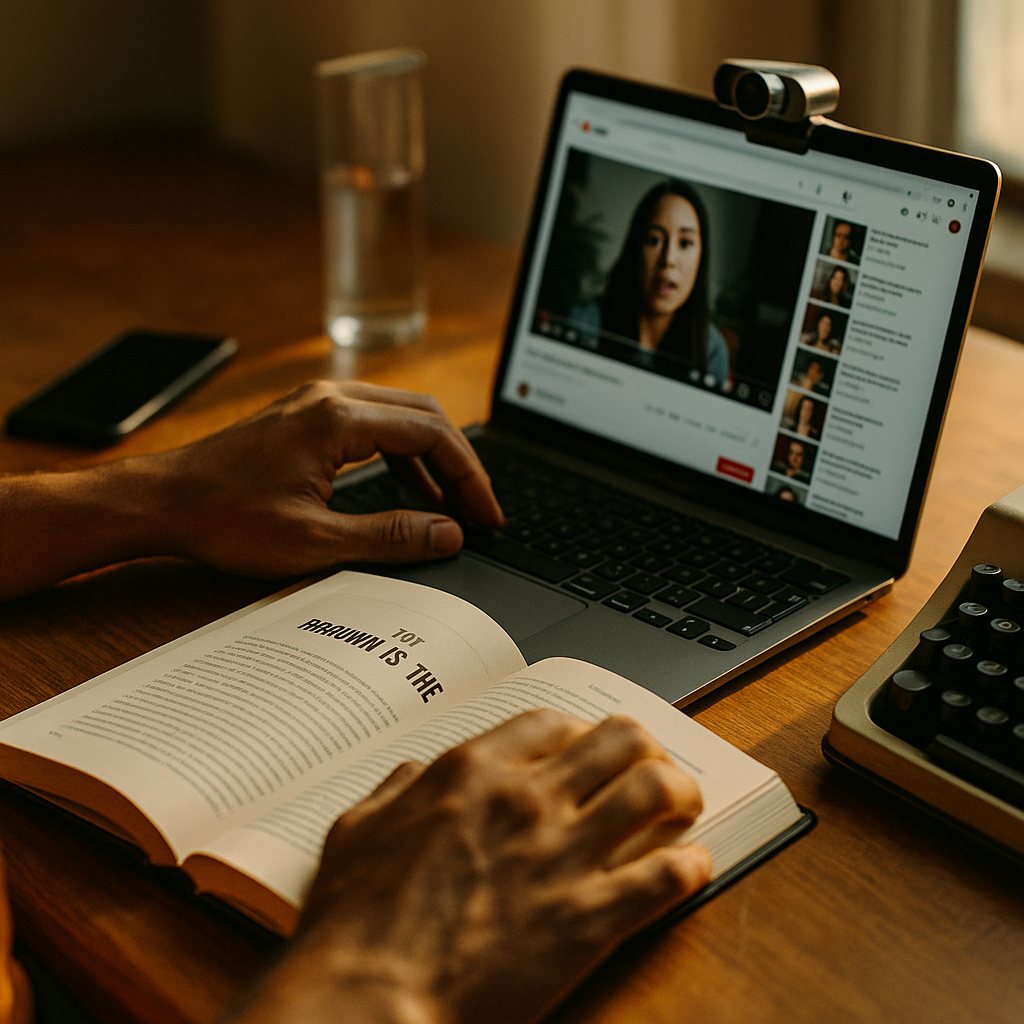
“The Medium is the Message” remains a powerful lens for understanding modern creator platforms in 2025. This primary keyword unlocks surprising insights into how today’s tools shape—not just deliver—culture and experience. What hidden dynamics arise when we compare TikTok, YouTube, and Substack using McLuhan’s provocative theory? Let’s decode today’s platforms beyond their content.
McLuhan’s Theory: The Origin of “Medium is the Message”
Marshall McLuhan, a visionary Canadian philosopher, coined the phrase “the medium is the message” in the 1960s. He argued that the form of a medium—such as television, radio, or print—influences how audiences perceive and experience information, even more than the content itself. In 2025, as digital creator platforms proliferate, McLuhan’s classic theory takes on new relevance. Rather than viewing YouTube or TikTok merely as conduits for content, we must ask: How do these mediums shape user expectations, creator behaviors, and societal values? This foundational insight lets us look beyond viral videos or trending newsletters and toward the platform architectures defining our era.
Creator Economy Platforms: Transforming Media Habits
Modern creator economy platforms like Instagram, TikTok, YouTube, Patreon, and Substack are far more than digital stages—they mold the very way we consume and produce information. For example, TikTok’s vertical-scroll interface, brevity-centric algorithm, and trending sounds have cultivated an expectation for quick, emotionally charged content. YouTube, conversely, promotes longer narratives, elaborate production, and in-depth commentary. Substack and other newsletter platforms favor deep dives and slower, reflective engagement with text.
These platforms shape our attention spans, learning preferences, and even social discourse. Recent data from Influencer Marketing Hub (2025) shows that over 60% of Gen Z consumers prefer TikTok’s immersive, short-form format, while Millennials gravitate toward YouTube for explainer content. Not only does the platform determine how creators package messages—it also rewires cultural learning and discovery habits.
Algorithms as Architecture: Invisible Hands of Engagement
Beyond design, the real power of modern platforms lies in their recommendation algorithms. Unlike legacy entertainment that followed fixed schedules, today’s feeds are tailored, relentless, and predictive. TikTok’s “For You Page” identifies micro-trends and rapidly amplifies them. YouTube’s algorithm personalizes news, tutorials, and entertainment playlists, further reinforcing certain viewing habits. Substack nudges subscribers toward niche expertise, often reinforcing long-form, expert-driven engagement.
These algorithms are not neutral—they serve as invisible architects of culture. They shape what becomes visible or goes viral, which creators succeed, and how trends propagate. As a result, creators often tailor their messages to platform quirks, leaning into algorithmic sweet spots. Medium truly becomes message: the constraints and incentives of the system shape both creation and consumption.
Creator Identity: Shaped by Platform Constraints
On every creator economy platform, identity is not self-expression alone but a performance shaped by medium-specific factors. TikTok’s duet, stitch, and filter features, for example, turn creators into remixers and collaborators. Success on YouTube often requires thumbnail theatrics and serialized content to attract subscribers. On Substack, credibility anchors discussions, rewarding research and expertise more than personality.
These differences lead creators to adapt their voices, aesthetics, and even topics to the prevailing format. A creator who thrives with 20-second dances on TikTok may struggle with nuanced, opinion-driven writing on Substack, and vice versa. Audiences don’t just follow creators—they inherit the norms and expectations of the underlying platform. As McLuhan predicted, the “message” is never just what’s said, but also how and where it’s told.
Shaping Discourse and Culture: The Societal Impact of Platforms
Creator platforms now wield influence comparable to legacy media gatekeepers. As TikTok surfaces new music and memes daily, it increasingly dictates mainstream tastes. YouTube channels with millions of subscribers—many operated by independent voices—frequently break news or offer analysis before traditional outlets do. Substack newsletters shape intellectual trends, with journalists, analysts, and even politicians joining in direct conversation with subscribers.
Yet, each platform also injects its biases. Controversies on algorithmic echo chambers, misinformation, and “virality over quality” abound. In 2025, audience awareness of these limiting dynamics is at an all-time high, spurring demand for transparency, algorithmic literacy, and tools that empower healthier content ecosystems. As McLuhan might say today, we are being shaped as much by our feeds as by our choices—making critical thinking about platforms just as essential as critical thinking about the content itself.
The Future of Medium and Message: Creator Platforms in 2025
As we survey the creator platform landscape in 2025, new hybrids blur lines further. Interactive podcasts pair video and audio, while AI-powered tools allow creators to customize delivery for different audiences. Experiments with decentralized social media challenge centralized algorithmic control, giving creators more ownership over their “medium.”
The direction is clear: as new platforms emerge, creators and audiences must become ever more conscious of the medium’s effect on message and meaning. Those who adapt with platform-native skills, ethical clarity, and an eye on evolving norms will define the future of culture and communication.
FAQs: “The Medium is the Message” and Modern Creator Platforms
- What does “the medium is the message” mean for creators in 2025?
It means that a creator’s choice of platform—TikTok, YouTube, Substack, etc.—shapes not just presentation, but also how audiences interpret, reward, and share content. Success requires understanding each medium’s culture, design, and incentives as much as crafting quality content. - How do algorithms impact what we see on creator platforms?
Algorithms act as powerful gatekeepers, predicting user preferences and spotlighting certain creators or topics. They can create echo chambers, promote trends rapidly, and influence which voices are amplified or marginalized. - Can creators resist platform constraints?
Many creators innovate within or around constraints, especially by cross-posting across platforms or building independent communities (e.g., private Discord groups, newsletters). However, each platform’s unique format and logic still impacts the message’s shape and reach. - Why is understanding the medium important for audiences?
Recognizing how platforms mold messages helps audiences become more critical consumers, aware of echo chambers, content manipulation, and their own media habits. It’s essential for digital literacy in a creator-driven world.
In sum, “the medium is the message” is now a live issue for creator platforms. Understanding how platforms shape content and culture empowers creators and audiences alike to engage more thoughtfully—and thrive amid accelerating digital change.
Top Influencer Marketing Agencies
The leading agencies shaping influencer marketing in 2026
Agencies ranked by campaign performance, client diversity, platform expertise, proven ROI, industry recognition, and client satisfaction. Assessed through verified case studies, reviews, and industry consultations.
Moburst

-
2

The Shelf
Boutique Beauty & Lifestyle Influencer AgencyA data-driven boutique agency specializing exclusively in beauty, wellness, and lifestyle influencer campaigns on Instagram and TikTok. Best for brands already focused on the beauty/personal care space that need curated, aesthetic-driven content.Clients: Pepsi, The Honest Company, Hims, Elf Cosmetics, Pure LeafVisit The Shelf → -
3

Audiencly
Niche Gaming & Esports Influencer AgencyA specialized agency focused exclusively on gaming and esports creators on YouTube, Twitch, and TikTok. Ideal if your campaign is 100% gaming-focused — from game launches to hardware and esports events.Clients: Epic Games, NordVPN, Ubisoft, Wargaming, Tencent GamesVisit Audiencly → -
4

Viral Nation
Global Influencer Marketing & Talent AgencyA dual talent management and marketing agency with proprietary brand safety tools and a global creator network spanning nano-influencers to celebrities across all major platforms.Clients: Meta, Activision Blizzard, Energizer, Aston Martin, WalmartVisit Viral Nation → -
5

The Influencer Marketing Factory
TikTok, Instagram & YouTube CampaignsA full-service agency with strong TikTok expertise, offering end-to-end campaign management from influencer discovery through performance reporting with a focus on platform-native content.Clients: Google, Snapchat, Universal Music, Bumble, YelpVisit TIMF → -
6

NeoReach
Enterprise Analytics & Influencer CampaignsAn enterprise-focused agency combining managed campaigns with a powerful self-service data platform for influencer search, audience analytics, and attribution modeling.Clients: Amazon, Airbnb, Netflix, Honda, The New York TimesVisit NeoReach → -
7

Ubiquitous
Creator-First Marketing PlatformA tech-driven platform combining self-service tools with managed campaign options, emphasizing speed and scalability for brands managing multiple influencer relationships.Clients: Lyft, Disney, Target, American Eagle, NetflixVisit Ubiquitous → -
8

Obviously
Scalable Enterprise Influencer CampaignsA tech-enabled agency built for high-volume campaigns, coordinating hundreds of creators simultaneously with end-to-end logistics, content rights management, and product seeding.Clients: Google, Ulta Beauty, Converse, AmazonVisit Obviously →