


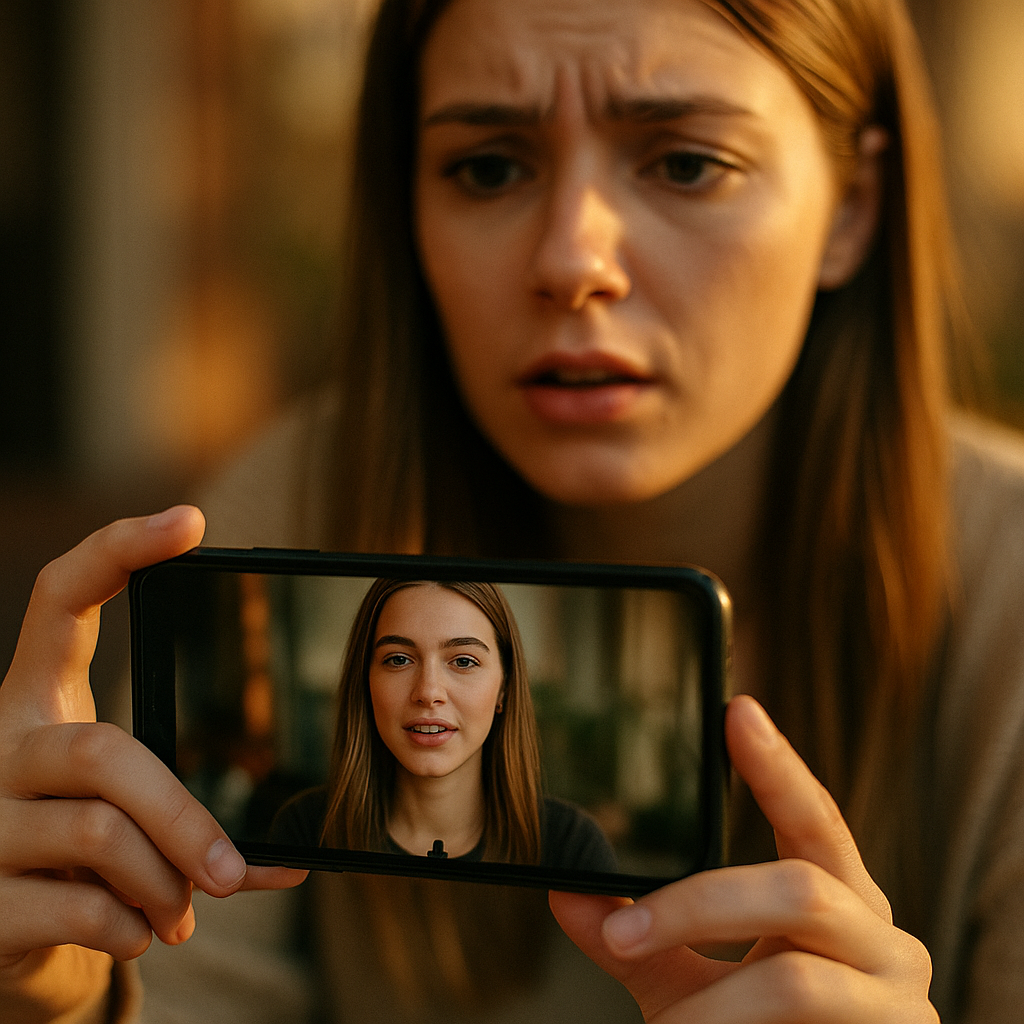
The impact of deepfakes on influencer credibility is now a top concern in the world of social media and digital marketing. As AI-generated videos and images blur the lines between real and fake, influencers risk losing the trust they’ve carefully built. What happens next when audiences start doubting everything they see? Let’s unravel the evolving challenges and opportunities.
Deepfakes Explained: How Manipulated Content Is Created
To fully grasp the impact of deepfakes on influencer credibility, it’s crucial to understand how these digital forgeries work. Deepfakes rely on artificial intelligence algorithms—often generative adversarial networks (GANs)—to superimpose faces, replicate voices, and mimic gestures in videos and images. The result: highly realistic content that can be deceptively convincing and hard for the average person to detect.
Today’s deepfake technology can create everything from altered product endorsements to fabricated conversations. According to a 2025 report by the Global Cybersecurity Alliance, deepfake videos have increased by 250% in the past 18 months, illustrating the dramatic rise in both availability and sophistication. This rapid advancement escalates the threat to influencer authenticity.
Trust Under Threat: Influencer Authenticity in the Age of Deepfakes
Influencer marketing thrives on relatability, honesty, and personal connection. Deepfakes challenge these pillars. When fake videos or audio clips circulate, followers may begin to question whether their favorite creator truly said or did something. This skepticism undermines the credibility that influencers spend years cultivating, affecting their relationships with both audiences and brands.
The 2025 Edelman Trust Barometer reveals that 57% of consumers now worry they can’t distinguish authentic content from fakes, up from just 34% two years prior. Publicized incidents—such as fraudulent giveaways or staged endorsements using deepfakes—have amplified these concerns, placing influencers under increased scrutiny.
Brand Partnerships and the Risk of Misinformation
For brands, collaborating with influencers is a tried-and-tested strategy to enhance reach and connect with target markets. However, the surge in deepfake content introduces new risks to brand reputation. Unsuspecting brands may find themselves associated with manipulated videos or statements they did not authorize, leading to costly PR crises and loss of consumer confidence.
Recent cases in 2025 show major companies withdrawing from influencer partnerships after deepfake misuse resulted in misleading product claims or controversial statements. Brands are now demanding higher due diligence, using advanced verification tools to confirm the authenticity of influencer-generated assets before launching campaigns.
Detection Tools: Fighting Deepfakes with Technology
The tech industry is responding with a wave of innovation aimed at identifying and removing deepfakes. AI-driven detection tools scan for inconsistencies—like unnatural facial movements or mismatched audio—and help platforms flag suspicious content. Open-source solutions and coalition efforts, such as the Deepfake Detection Initiative, enable influencers and brands to proactively vet content.
Large social networks and video platforms in 2025 have implemented stricter content moderation and watermarking technology to track a media file’s origins. Meanwhile, influencer agencies are training their teams to use verification tools before posting branded content, helping maintain credibility and minimize risk.
Influencer Best Practices: Safeguarding Digital Reputations
In the fight against deepfake threats, influencers must adopt new strategies to maintain transparency and audience trust:
- Always verify shared content: Vet any collaborations or reposted videos before sharing with your community.
- Engage directly with followers: Address rumors or concerns promptly, using live streams and Q&As to reinforce authenticity.
- Disclose partnerships: Clearly label sponsored content and provide behind-the-scenes insights when appropriate.
- Embrace verification: Use third-party tools to authenticate your image and media assets, and encourage followers to do the same.
By staying vigilant and transparent, influencers can help audiences navigate the blurred boundaries between genuine and manipulated content, preserving their hard-earned credibility.
The Future of Influencer Credibility: Building Trust in a Deepfake-Prone World
As technology evolves, the influencer landscape will undergo further transformation. Brands and creators who prioritize authenticity—and invest in robust verification protocols—will outshine those who ignore the issue. Industry experts predict that, by late 2025, influencer contracts will routinely include deepfake detection clauses and stricter content guidelines, reshaping the standards for digital endorsements.
Ultimately, tackling the impact of deepfakes on influencer credibility means combining vigilance, education, and cutting-edge tools. The influencers who continue to earn audience trust will be those who refuse to let manipulated media define their digital identities.
Conclusion: Navigating the Deepfake Challenge for Influencers
Deepfakes have redefined influencer credibility, introducing new layers of skepticism and risk. Influencers and brands that adopt advanced verification, clear communication, and industry best practices will safeguard their reputations—and lead the way in rebuilding trust. Now more than ever, transparency and technology are essential tools for navigating the evolving digital landscape.
FAQs: Impact of Deepfakes on Influencer Credibility
-
What are deepfakes in influencer marketing?
Deepfakes in influencer marketing are AI-generated videos or images that falsely depict an influencer endorsing products, making statements, or participating in activities they did not actually undertake. -
How do deepfakes affect influencer trust?
Deepfakes create confusion and skepticism among followers, making it harder for audiences to trust whether influencer content is genuine. This can lead to loss of credibility and damaged relationships with both followers and brands. -
Can influencers prevent deepfakes?
While influencers cannot stop deepfakes entirely, they can reduce risk by using verification tools, communicating transparently, and promptly debunking false or manipulated content. -
What should brands do about deepfakes involving influencers?
Brands should conduct thorough content verification, incorporate deepfake detection into influencer contracts, and have clear crisis response plans to mitigate reputation damage if manipulated content circulates. -
Are there tools to help detect deepfakes?
Yes, in 2025 several detection tools—powered by AI—can analyze videos and images for deepfake signatures. Social platforms are also introducing native warnings when suspicious content is detected.