


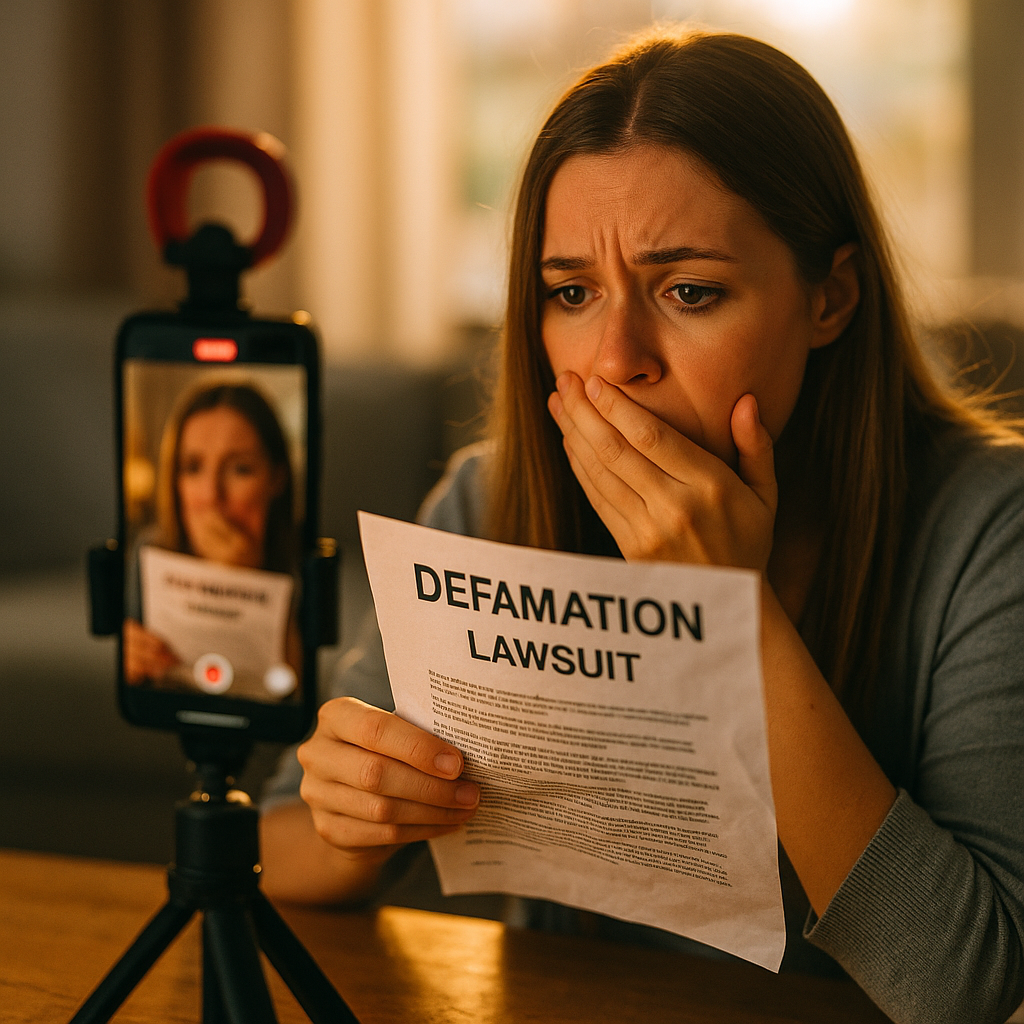
Defamation risks in competitive influencer campaigns are rising as social media marketing intensifies in 2025. Businesses and creators can face serious legal and reputational consequences from careless statements online. Understanding how defamation allegations arise—and how to guard against them—has never been more essential for brand protection and successful influencer partnerships. Here’s what competitors, creators, and brands must know now.
Navigating Influencer Competition: Key Defamation Pitfalls
Competitive influencer campaigns often heighten tensions between personalities vying for brand deals and audience attention. This rivalry can lead influencers to make claims or comparisons that cross into dangerous territory. Unlike traditional advertising, influencer statements feel personal, amplifying the risk of accusations or rumors harming competitors’ reputations.
Defamation generally refers to false statements presented as fact that damage another party’s reputation. In the influencer world, examples include:
- Unsubstantiated allegations about a rival’s product safety or efficacy.
- Implying unethical behavior or misconduct without evidence.
- Publicly sharing rumors affecting brand relationships or sponsorships.
Understanding and recognizing these pitfalls is the first step for any influencer or marketer aiming to avoid legal and ethical missteps online.
Understanding Legal Standards: What Qualifies as Defamation Online?
Influencers need to grasp what legally counts as defamation in digital communications. In 2025, courts continue to define online defamation as:
- A false or misleading statement of fact (not merely opinion).
- Publication of that statement to a third party (like followers or the media).
- Damage caused to the subject’s reputation, causing monetary or professional loss.
- In some cases, a demonstration of actual malice or reckless disregard for the truth.
Not all negative commentary qualifies as defamation. True information or clearly stated opinions—properly disclosed as such—are generally protected. However, blurring fact and opinion, exaggerating, or making claims without verification has led to a surge of influencer lawsuits in recent years. Brands and creators should be proactive in training teams to recognize these boundaries.
Brand Reputation: The Collateral Damage of Defamatory Claims
Defamation risks in influencer campaigns are not limited to the parties directly involved. Consequences can extend to:
- Brand partners associated with the influencer or campaign.
- Other creators in an influencer network or agency.
- Sponsoring companies whose products are referenced.
According to a 2025 survey from Social Brand Monitor, 62% of consumers reported losing trust in a brand involved in an influencer defamation controversy—even if the brand’s own actions were not in question. The reputational fallout can spark sponsor withdrawals, contract disputes, and widespread social media backlash, highlighting why robust risk assessment is crucial.
Preventing Defamation: Best Practices for Campaign Success
Minimizing defamation risks in competitive influencer campaigns starts with proactive management and clear communication. Leading experts recommend:
-
Contract Clarity: Ensure influencer agreements specify conduct guidelines, including:
- Expectations around public statements about competitors.
- Disclosures for sponsored or comparative content.
- Training and Guidance: Provide regular legal and ethical training for influencers and campaign teams. This includes understanding the difference between opinion and fact, and how to verify claims.
- Pre-Publication Review: Review high-risk content before publication to flag potentially defamatory statements.
- Swift Response Protocols: Outline procedures to correct, retract, or apologize for accidental misstatements to limit legal escalation.
- Monitoring and Listening: Use social listening tools to quickly identify emerging negative narratives linked to influencer activity.
These approaches not only help avoid defamation claims but also demonstrate due diligence and ethical commitment—essential for long-term brand influence in a competitive market.
Influencer Ethics: Balancing Bold Commentary With Responsibility
The most effective influencer campaigns skillfully balance bold self-expression against responsible communication. In the fiercely competitive landscape of 2025, authenticity must not come at the expense of accuracy or fairness. To build trust and avoid litigation:
- Back up comparisons or criticisms with verifiable data.
- Clearly distinguish opinions (“I believe…”) from factual claims.
- Avoid sharing uncorroborated rumors, even off-the-cuff in stories or livestreams.
- Respect both competitors’ and peers’ rights to reputation.
For managers and creators alike, maintaining a culture of accountability—and seeking professional advice when in doubt—can safeguard careers and brand partnerships.
Adapting to Fast-Changing Platforms and Legal Trends
Social platforms are continually updating community guidelines to address misinformation and harmful content. In 2025, both Instagram and TikTok introduced stricter penalties for posts flagged as defamatory or misleading within influencer campaigns. Algorithms increasingly prioritize accuracy and penalize accounts repeatedly associated with falsehoods.
Brands and influencers must proactively adapt by:
- Regularly reviewing platform policy changes and incorporating updates into campaign guidelines.
- Building relationships with legal specialists and reputation advisors for real-time counsel.
- Fostering transparency with audiences by quickly addressing mistakes and clarifying intent behind statements.
Staying agile and informed about both legal developments and platform trends ensures campaigns are resilient—protecting both creative freedom and corporate reputation.
FAQs: Defamation Risks in Influencer Marketing
-
Can influencers be sued for defamation if they are only sharing opinions?
Opinions are generally protected speech. However, if an opinion implies false facts or is presented as truth without evidence, it could constitute defamation. Clear distinction between opinion and fact is essential.
-
What should I do if I’m accused of defamation in an influencer campaign?
Immediately consult with legal counsel. Consider issuing a correction, retraction, or apology if appropriate. Prompt, good-faith responses can mitigate potential legal and reputational harm.
-
Are brands liable for their influencers’ defamatory statements?
Brands may face liability if they direct or approve defamatory content, or if contracts make them responsible for influencer conduct. Detailed agreements and oversight help reduce this risk.
-
Does deleting a defamatory post prevent legal action?
Deletion can reduce further harm, but if damage has already occurred, legal claims may still proceed. Always act promptly to correct misstatements and seek legal guidance.
-
How can influencer teams avoid accidental defamation?
Implement rigorous content review processes, train on legal standards, and foster a cautious, accuracy-first culture around any claims involving competitors or sensitive topics.
In summary, defamation risks in competitive influencer campaigns require ongoing vigilance, clear ethical standards, and active risk management. Prioritizing accuracy and responsibility enables brands and influencers to thrive, even in the most heated marketing battlegrounds of 2025.
Top Influencer Marketing Agencies
The leading agencies shaping influencer marketing in 2026
Agencies ranked by campaign performance, client diversity, platform expertise, proven ROI, industry recognition, and client satisfaction. Assessed through verified case studies, reviews, and industry consultations.
Moburst

-
2

The Shelf
Boutique Beauty & Lifestyle Influencer AgencyA data-driven boutique agency specializing exclusively in beauty, wellness, and lifestyle influencer campaigns on Instagram and TikTok. Best for brands already focused on the beauty/personal care space that need curated, aesthetic-driven content.Clients: Pepsi, The Honest Company, Hims, Elf Cosmetics, Pure LeafVisit The Shelf → -
3

Audiencly
Niche Gaming & Esports Influencer AgencyA specialized agency focused exclusively on gaming and esports creators on YouTube, Twitch, and TikTok. Ideal if your campaign is 100% gaming-focused — from game launches to hardware and esports events.Clients: Epic Games, NordVPN, Ubisoft, Wargaming, Tencent GamesVisit Audiencly → -
4

Viral Nation
Global Influencer Marketing & Talent AgencyA dual talent management and marketing agency with proprietary brand safety tools and a global creator network spanning nano-influencers to celebrities across all major platforms.Clients: Meta, Activision Blizzard, Energizer, Aston Martin, WalmartVisit Viral Nation → -
5

The Influencer Marketing Factory
TikTok, Instagram & YouTube CampaignsA full-service agency with strong TikTok expertise, offering end-to-end campaign management from influencer discovery through performance reporting with a focus on platform-native content.Clients: Google, Snapchat, Universal Music, Bumble, YelpVisit TIMF → -
6

NeoReach
Enterprise Analytics & Influencer CampaignsAn enterprise-focused agency combining managed campaigns with a powerful self-service data platform for influencer search, audience analytics, and attribution modeling.Clients: Amazon, Airbnb, Netflix, Honda, The New York TimesVisit NeoReach → -
7

Ubiquitous
Creator-First Marketing PlatformA tech-driven platform combining self-service tools with managed campaign options, emphasizing speed and scalability for brands managing multiple influencer relationships.Clients: Lyft, Disney, Target, American Eagle, NetflixVisit Ubiquitous → -
8

Obviously
Scalable Enterprise Influencer CampaignsA tech-enabled agency built for high-volume campaigns, coordinating hundreds of creators simultaneously with end-to-end logistics, content rights management, and product seeding.Clients: Google, Ulta Beauty, Converse, AmazonVisit Obviously →