


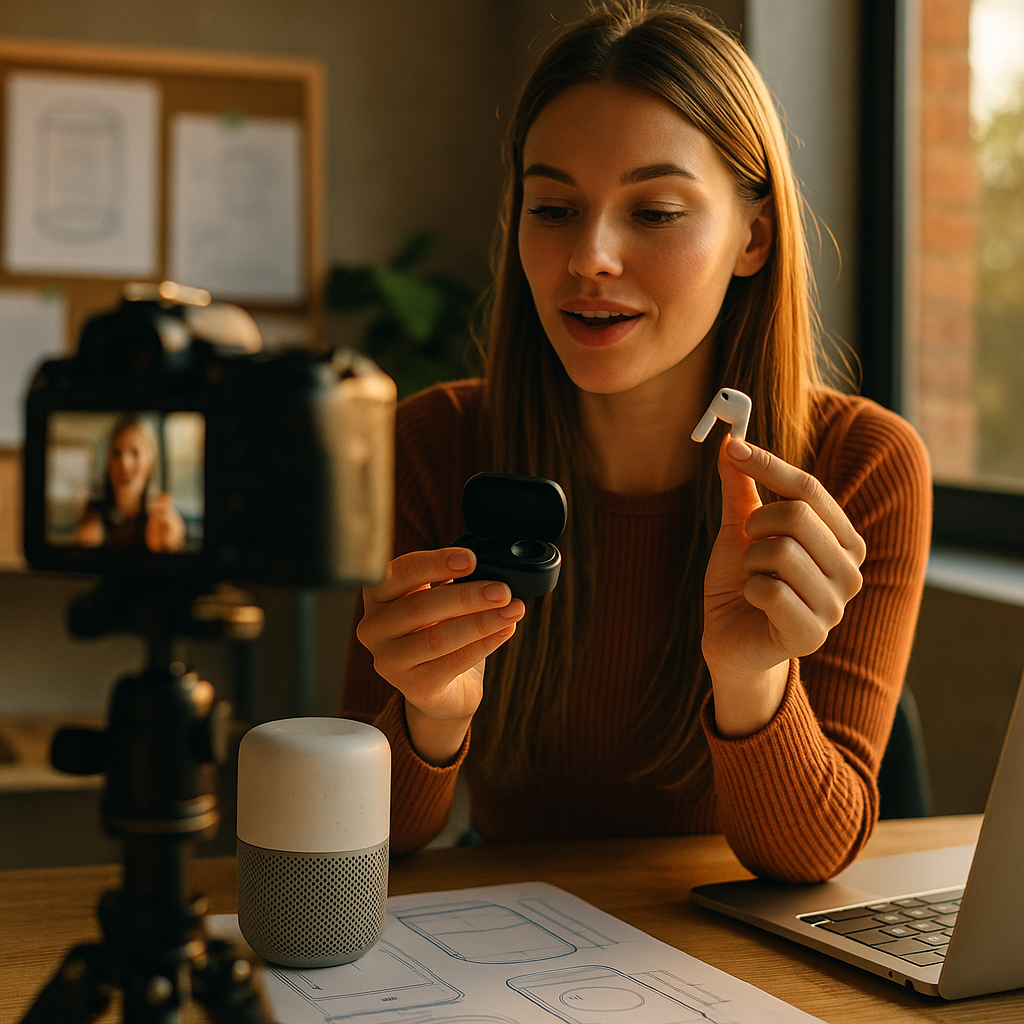
The role of influencers in product development and innovation is reshaping how brands approach growth in 2025. As trusted sources for millions, influencers offer unique perspectives that drive market trends and consumer needs. But how exactly are businesses leveraging these partnerships to co-create groundbreaking products? Dive in to discover strategies and real-world benefits behind this evolving collaboration.
Understanding Influencer Collaboration in Product Design
In 2025, companies recognize that influencer collaboration in product design goes far beyond simple endorsements. Modern influencers—whether in tech, fashion, wellness, or gaming—often shape cultural trends and consumer expectations. Their firsthand feedback, derived from continuous audience interaction, provides authentic insights brands can’t obtain from traditional market research alone.
Strategic influencers bridge the gap between consumers and creators. When integrated into early-stage product development, they participate in brainstorming sessions, prototype reviews, and user testing:
- Brainstorming: Influencers understand what excites their audience, making them valuable ideators.
- Prototype Testing: With honest, experience-based feedback, they help teams identify pain points quickly.
- Reviewing Features: By offering critiques, influencers ensure designs resonate with end-users, boosting a product’s relevance.
This collaboration leads to products more aligned with audience desires, accelerating innovation cycles and increasing launch success rates.
Enhancing Consumer Engagement Through Influencer-Driven Innovation
Key to influencer-driven innovation is the power to enhance consumer engagement. Modern consumers value authenticity, seeking products shaped by voices they trust rather than abstract corporate messaging. Influencers facilitate this by acting as intermediaries between brands and users, translating needs into actionable product features.
By sharing development journeys on social media, influencers create excitement and foster an inclusive product narrative. This transparency drives deeper consumer involvement:
- Community Input: Active followers provide additional feedback, shaping features, packaging, or branding.
- Beta Testing: Select fans test early versions, offering user-generated insight at scale.
- Storytelling: Ongoing content about the product’s journey builds anticipation and loyalty.
Ultimately, customers feel invested in the final product, boosting brand loyalty and positive sentiment upon launch.
Leveraging Influencers as Micro-Innovators for Product Success
Brands increasingly view influencers as micro-innovators—individuals capable of identifying niche, unmet needs within specific communities. This granular market segmentation is crucial in 2025, as hyper-personalization dominates consumer preferences and companies seek first-mover advantage in emerging niches.
Influencers spot trends long before they hit mainstream awareness. Their expertise and direct audience communication allow brands to:
- Detect emerging market needs quickly.
- Prototype solutions for specific segments.
- Pilot limited-run, influencer-backed products that serve as test cases.
This nimble approach minimizes risk and maximizes learning. For example, a beauty influencer might co-create a vegan skincare line, using her audience insights to guide formulation, packaging, and messaging. Rapid feedback cycles lead to products that delight consumers and outperform generic alternatives.
Influencer Partnerships for Authenticity and Trust in Product Launches
Establishing authenticity and trust is non-negotiable in 2025’s crowded digital marketplaces. Here, influencer partnerships offer proven advantages, especially during product launches. Influencers naturally infuse campaigns with credibility, sharing genuine opinions rather than canned endorsements.
According to recent industry reports, products co-created or launched with influencer input achieve a 27% higher customer retention rate compared to those without. This credibility translates into:
- Increased conversion rates, as consumers trust influencer recommendations over traditional advertisements.
- Immediate feedback via comment sections and direct messages, allowing brands to iterate post-launch.
- Reduced skepticism, as transparency in development processes reassures cautious buyers.
As a result, influencer-backed launches often generate higher demand and increased word-of-mouth, accelerating initial sales velocity and brand growth.
Case Studies: Successful Co-Creation Models in 2025
Several 2025 product launches illustrate how brands leverage influencer expertise in co-creation models. These real-life examples demonstrate measurable benefits of influencer-led product development:
- Micro-Tech Gadgets: A global electronics brand partnered with a leading gadget reviewer, incorporating crowdsourced feature requests from his followers. The beta program attracted over 40,000 participants globally, resulting in 30% fewer post-release issues.
- Fitness & Wellness: A health supplement company co-developed a new product line with two fitness influencers. Their continuous sharing of R&D updates built a waitlist of 70,000 buyers, 60% of whom converted at launch.
- Eco-Friendly Fashion: A sustainable clothing brand invited several eco-conscious fashionistas to join design sprints, resulting in three new collections with record sell-through rates, driven by authentic storytelling and influencer engagement.
In each case, the influencer’s ongoing involvement—their daily posts, Q&As, and honest reviews—drive both innovation and measurable sales impact.
Challenges and Best Practices for Influencer Integration in Innovation
While the benefits are clear, integrating influencers into product innovation presents unique challenges. Differences in expectations, brand control, and legal considerations can complicate partnerships. To overcome these hurdles, brands in 2025 have adopted best practices that maximize collaboration value:
- Clear Roles & Agreements: Define expectations, deliverables, and compensation upfront to avoid misalignment.
- Early Engagement: Involve influencers from ideation, not just marketing, to secure authentic endorsement.
- Feedback Loops: Implement formal processes for feedback integration and recognition of influencer contributions.
- Transparency: Publicly acknowledge influencer input, reinforcing trust with consumers.
- Legal & Ethical Guidelines: Establish NDAs and fair use clauses, protecting intellectual property for both parties.
By prioritizing these practices, brands safeguard project integrity and ensure that influencer-driven innovations reach their full potential.
FAQs: The Role Of Influencers In Product Development And Innovation
-
How do influencers contribute to product development in 2025?
Influencers offer real-time consumer insights, co-design features, test prototypes, and amplify product stories, helping brands build offerings that closely match market demands and preferences.
-
What are the risks of involving influencers in product innovation?
Risks include misaligned expectations, loss of brand control, potential leaks of confidential information, and legal disputes. Clear contracts and transparent communication help address these issues.
-
Can small brands benefit from influencer collaboration?
Absolutely. Micro and nano-influencers offer highly engaged communities and cost-effective collaboration models, often yielding more relevant feedback and stronger audience loyalty than massive celebrities.
-
Is influencer co-creation limited to certain industries?
No. While especially prominent in fashion, beauty, wellness, and tech, the approach applies to any sector where consumer feedback can guide product design, including food, travel, fintech, and more.
-
What are best practices for collaborating with influencers in product innovation?
Start early, set clear agreements, maintain open feedback loops, and publicly acknowledge influencer roles. Prioritize transparency, protect intellectual property, and let the influencer’s authentic voice shine through your process.
Influencers are now central to product development and innovation in 2025, delivering unique consumer insights and building authentic, collaborative products. Brands that embrace influencer partnerships foster trust, gain rapid feedback, and consistently deliver offerings that resonate. For modern businesses, inviting influencers into the innovation process is not just an option—it’s a proven formula for real market success.
Top Influencer Marketing Agencies
The leading agencies shaping influencer marketing in 2026
Agencies ranked by campaign performance, client diversity, platform expertise, proven ROI, industry recognition, and client satisfaction. Assessed through verified case studies, reviews, and industry consultations.
Moburst

-
2

The Shelf
Boutique Beauty & Lifestyle Influencer AgencyA data-driven boutique agency specializing exclusively in beauty, wellness, and lifestyle influencer campaigns on Instagram and TikTok. Best for brands already focused on the beauty/personal care space that need curated, aesthetic-driven content.Clients: Pepsi, The Honest Company, Hims, Elf Cosmetics, Pure LeafVisit The Shelf → -
3

Audiencly
Niche Gaming & Esports Influencer AgencyA specialized agency focused exclusively on gaming and esports creators on YouTube, Twitch, and TikTok. Ideal if your campaign is 100% gaming-focused — from game launches to hardware and esports events.Clients: Epic Games, NordVPN, Ubisoft, Wargaming, Tencent GamesVisit Audiencly → -
4

Viral Nation
Global Influencer Marketing & Talent AgencyA dual talent management and marketing agency with proprietary brand safety tools and a global creator network spanning nano-influencers to celebrities across all major platforms.Clients: Meta, Activision Blizzard, Energizer, Aston Martin, WalmartVisit Viral Nation → -
5

The Influencer Marketing Factory
TikTok, Instagram & YouTube CampaignsA full-service agency with strong TikTok expertise, offering end-to-end campaign management from influencer discovery through performance reporting with a focus on platform-native content.Clients: Google, Snapchat, Universal Music, Bumble, YelpVisit TIMF → -
6

NeoReach
Enterprise Analytics & Influencer CampaignsAn enterprise-focused agency combining managed campaigns with a powerful self-service data platform for influencer search, audience analytics, and attribution modeling.Clients: Amazon, Airbnb, Netflix, Honda, The New York TimesVisit NeoReach → -
7

Ubiquitous
Creator-First Marketing PlatformA tech-driven platform combining self-service tools with managed campaign options, emphasizing speed and scalability for brands managing multiple influencer relationships.Clients: Lyft, Disney, Target, American Eagle, NetflixVisit Ubiquitous → -
8

Obviously
Scalable Enterprise Influencer CampaignsA tech-enabled agency built for high-volume campaigns, coordinating hundreds of creators simultaneously with end-to-end logistics, content rights management, and product seeding.Clients: Google, Ulta Beauty, Converse, AmazonVisit Obviously →