


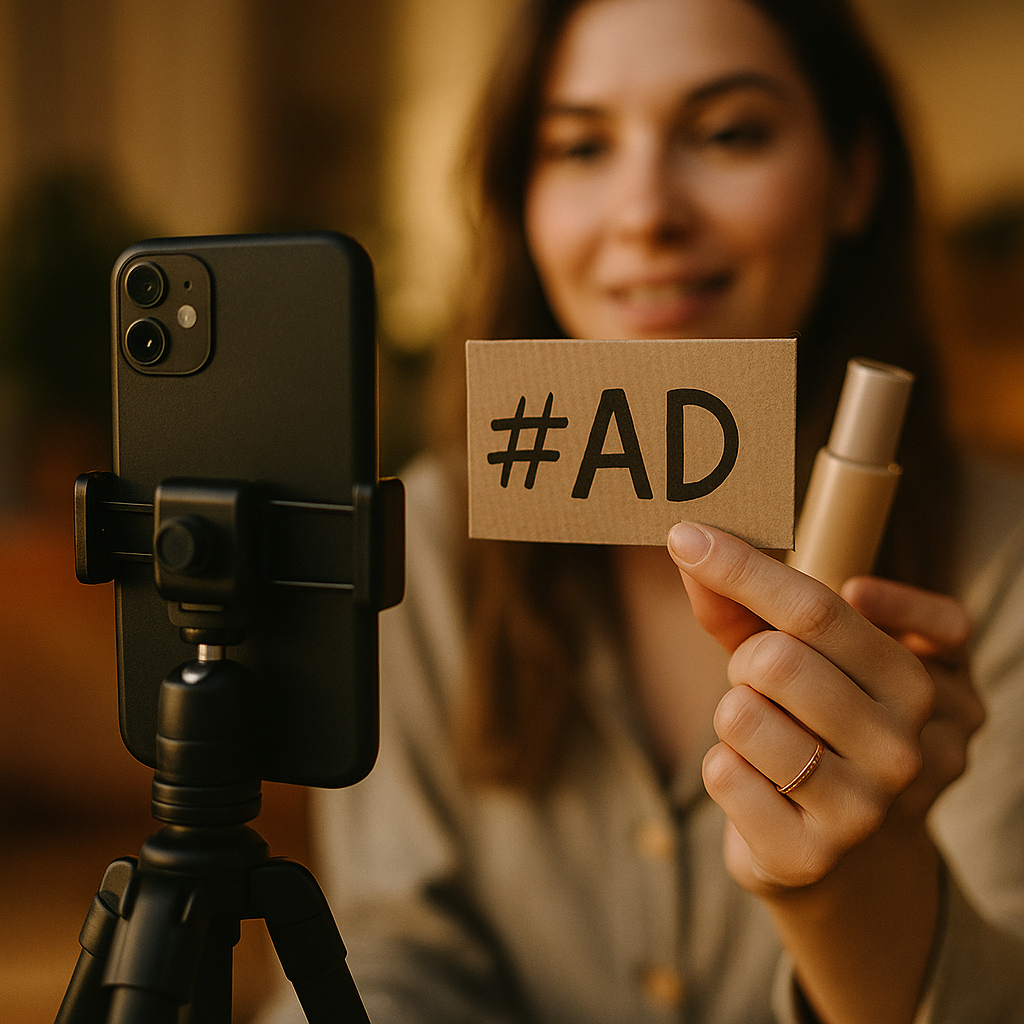
Ensuring transparent partnerships is vital in the digital age, making disclosure best practices for multi-platform creator ads essential for social media success and compliance. As audiences demand authenticity, staying compliant not only builds trust but also protects your brand and livelihood. So, what are the must-know rules for effective creator ad disclosures across platforms in 2025?
Understanding FTC Guidelines for Influencer Marketing in 2025
The Federal Trade Commission (FTC) has updated its guidance in recent years to address evolving influencer marketing trends. In 2025, influencers must ensure that all sponsored content, regardless of platform, is identified clearly and conspicuously. This applies to Instagram, YouTube, TikTok, X (formerly Twitter), and emerging social networks. Transparent disclosures let followers know when content is paid or incentivized, maintaining trust and satisfying regulators.
FTC requirements focus on “clear and unavoidable” disclosures. This means:
- Use straightforward language: Phrases like “ad,” “sponsored by [Brand],” or “paid partnership.”
- Place disclosures upfront: They should appear at the very beginning or in a prominent location within posts, videos, and stories.
- No hidden hashtags: Avoid burying #ad in a sea of hashtags or placing it where viewers need to click “more.”
- Consistency across platforms: Make sure your disclosure methods align with the format and norms of each channel.
Recent data from a 2025 Sprout Social report indicates 67% of consumers are more likely to trust creators who disclose paid partnerships transparently, underscoring the business case for compliance.
Platform-Specific Disclosure Requirements for Creator Ads
While the FTC sets the baseline, each platform enforces its own rules and best practices regarding disclosures. Understanding these requirements is crucial for creators and brands alike.
- Instagram and Facebook: Both platforms encourage the “Paid partnership” tag for branded content. Disclosures should be present in both captions and the in-platform tools. Instagram Reels and Stories require visible on-screen disclosures.
- YouTube: Always use YouTube’s disclosure toggles (“includes paid promotion”) and verbal acknowledgment in videos. Textual overlays at the beginning further boost compliance.
- TikTok: TikTok’s Branded Content toggle must be enabled, with a clear “#ad” or “#sponsored” in the video description or as on-screen text.
- X (formerly Twitter): Disclose paid relationships in the main tweet, not just hashtags. Use statements like “This is a paid partnership with…” early in the post.
Adapt your disclosure best practices for multi-platform creator ads to each platform’s user interface and audience expectations. Failing to do so not only risks account restrictions but can also erode audience trust fast.
Maximizing Transparency to Build Audience Trust and Better Engagement
Audience trust is currency in the creator ecosystem. According to a Statista 2025 study, 74% of Gen Z and Millennial viewers prefer creators who clearly explain when a post is paid or gifted. Transparency is not just compliance – it’s good business.
To maximize audience trust through disclosures:
- Be specific. Instead of just “#ad,” clarify the nature of the partnership (e.g., “Thanks to [Brand] for sponsoring this review”).
- Match your tone. Use language consistent with your personal brand so disclosures feel natural but unambiguous.
- Don’t overcomplicate. Avoid jargon or creative phrasing that could confuse viewers about whether a collaboration exists.
- Go beyond minimums. If in doubt, over-disclose. A clear on-screen label, spoken statement, and text description together eliminate ambiguity.
Trust encourages interaction, increases audience loyalty, and can even lead to better results for brand partners—when your followers feel respected, they engage more willingly with sponsored content.
Legal and Ethical Risks of Poor Disclosure in Creator Ads
Non-compliance with disclosure regulations brings real consequences. In 2025, the FTC continues to issue fines and warnings not just to brands but also to influencers themselves. Failure to follow the law can mean:
- Financial penalties: Fines for failure to disclose can reach significant amounts, depending on scale and intent.
- Account suspensions or bans: Platforms routinely suspend accounts that breach branded content rules.
- Brand damage: Lack of transparency quickly erodes audience trust, leading to lost followers and partnerships.
- Legal liability: Both creator and brand may be held jointly responsible for non-compliance.
The FTC’s enforcement actions increasingly target repeat offenders and larger creators, making robust disclosure best practices for multi-platform creator ads non-negotiable for professionals in 2025.
Implementing an Effective Multi-Platform Disclosure Strategy
With diversifying content channels, implementing a consistent and effective disclosure strategy can seem daunting. Yet with the right approach, you can streamline compliance across all platforms.
- Audit existing content. Review current posts, videos, and stories across every platform to ensure proper disclosure is present and prominent.
- Standardize language and visuals. Develop templates for text, voiceovers, and on-screen overlays that are easy to apply everywhere you post.
- Train your team. If you work with editors, managers, or collaborators, educate them on up-to-date rules and expectations for every platform.
- Regularly review platform updates. Disclosure tools and rules shift rapidly—subscribe to official blog updates and industry news.
- Document your process. Keep records to demonstrate your efforts in case of audits or disputes with platforms or partners.
An intentional strategy not only prevents regulatory issues but also signals professionalism to brands, opening doors to higher-value partnerships.
Conclusion: Disclosure Best Practices are Your Winning Edge
Mastering disclosure best practices for multi-platform creator ads is vital for legal compliance and building long-term audience trust in 2025. Prioritize clarity, consistency, and platform-specific rules to stand out as a credible, reliable creator. Start refining your disclosure strategy today to safeguard your influence and grow your brand responsibly.
Frequently Asked Questions: Multi-Platform Creator Ad Disclosures
-
Do I need to disclose gifted products?
Yes. Any material connection—including gifts or free products—requires clear disclosure, even if no money changes hands.
-
Can I use creative hashtags instead of #ad or #sponsored?
No. Disclosures must be unambiguous. Creative or vague tags can confuse viewers and don’t meet FTC or platform guidelines.
-
Where should the disclosure appear in a video?
Add disclosures at the start, both verbally and in on-screen text. Repeat if content is lengthy or across segments, and never rely solely on descriptions or end credits.
-
Does every platform require the same disclosure?
No. Each has unique requirements. Always tailor your disclosures to fit the tools and best practices of each platform you use.
-
What if a brand partner asks to downplay disclosure?
Decline. You are legally required to disclose material relationships, regardless of brand preference. Failing to do so puts you at risk.
Top Influencer Marketing Agencies
The leading agencies shaping influencer marketing in 2026
Agencies ranked by campaign performance, client diversity, platform expertise, proven ROI, industry recognition, and client satisfaction. Assessed through verified case studies, reviews, and industry consultations.
Moburst

-
2

The Shelf
Boutique Beauty & Lifestyle Influencer AgencyA data-driven boutique agency specializing exclusively in beauty, wellness, and lifestyle influencer campaigns on Instagram and TikTok. Best for brands already focused on the beauty/personal care space that need curated, aesthetic-driven content.Clients: Pepsi, The Honest Company, Hims, Elf Cosmetics, Pure LeafVisit The Shelf → -
3

Audiencly
Niche Gaming & Esports Influencer AgencyA specialized agency focused exclusively on gaming and esports creators on YouTube, Twitch, and TikTok. Ideal if your campaign is 100% gaming-focused — from game launches to hardware and esports events.Clients: Epic Games, NordVPN, Ubisoft, Wargaming, Tencent GamesVisit Audiencly → -
4

Viral Nation
Global Influencer Marketing & Talent AgencyA dual talent management and marketing agency with proprietary brand safety tools and a global creator network spanning nano-influencers to celebrities across all major platforms.Clients: Meta, Activision Blizzard, Energizer, Aston Martin, WalmartVisit Viral Nation → -
5

The Influencer Marketing Factory
TikTok, Instagram & YouTube CampaignsA full-service agency with strong TikTok expertise, offering end-to-end campaign management from influencer discovery through performance reporting with a focus on platform-native content.Clients: Google, Snapchat, Universal Music, Bumble, YelpVisit TIMF → -
6

NeoReach
Enterprise Analytics & Influencer CampaignsAn enterprise-focused agency combining managed campaigns with a powerful self-service data platform for influencer search, audience analytics, and attribution modeling.Clients: Amazon, Airbnb, Netflix, Honda, The New York TimesVisit NeoReach → -
7

Ubiquitous
Creator-First Marketing PlatformA tech-driven platform combining self-service tools with managed campaign options, emphasizing speed and scalability for brands managing multiple influencer relationships.Clients: Lyft, Disney, Target, American Eagle, NetflixVisit Ubiquitous → -
8

Obviously
Scalable Enterprise Influencer CampaignsA tech-enabled agency built for high-volume campaigns, coordinating hundreds of creators simultaneously with end-to-end logistics, content rights management, and product seeding.Clients: Google, Ulta Beauty, Converse, AmazonVisit Obviously →