


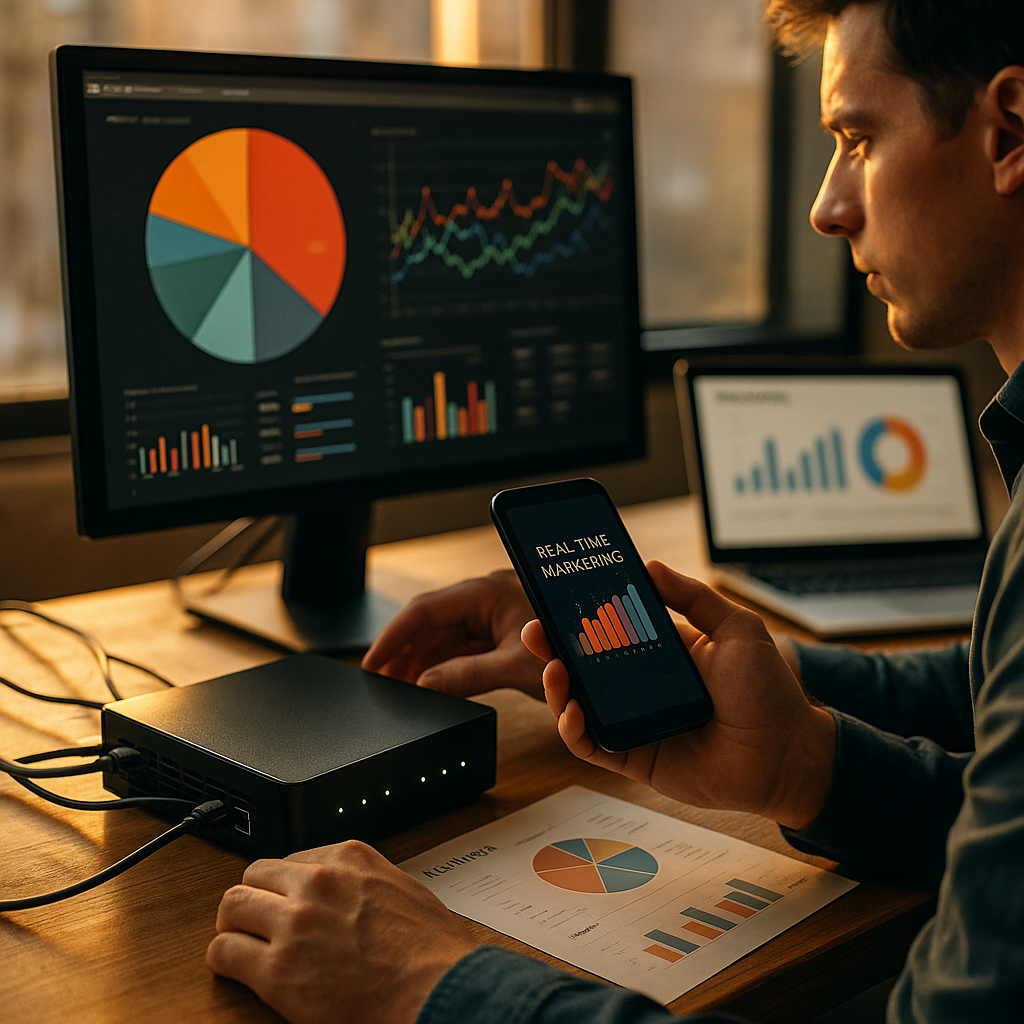
Edge computing is transforming real-time marketing personalization by delivering powerful data processing at lightning speed, right where data is generated. This shift accelerates hyper-personalized experiences for customers while optimizing marketers’ agility. As the digital landscape advances in 2025, discover how edge computing places next-generation personalization into marketers’ hands.
The Rise of Edge Computing in Marketing Technologies
As brands strive to create seamless, responsive experiences, edge computing has emerged as a disruptive force in marketing technologies. By processing data close to its source—whether on smart devices, IoT sensors, or local servers—edge computing reduces latency and enables businesses to analyze behavior, segment audiences, and tailor content in near real-time.
According to a 2025 survey from Gartner, over 54% of enterprise marketers have integrated edge solutions into their personalization strategies. Unlike traditional cloud models that rely on centralized data centers, edge computing delivers agility, decentralizing analysis and decision-making. This transforms how brands approach instant interactions, enabling rich, context-aware personalization without delay.
Real-Time Marketing Personalization: Speed Meets Relevance
The definition of real-time marketing personalization has evolved. In 2025, speed is only part of the equation—relevance drives loyalty, conversions, and lasting engagement. Edge computing enables marketers to deliver highly-targeted offers and content, adapting to individual user signals such as location, device status, and immediate preferences.
Retailers, for example, can leverage edge-based analytics to push tailored discounts as customers enter specific store zones. Streaming platforms use real-time viewing data at the edge to recommend shows and optimize cross-device experiences. With latency measured in milliseconds, brands seize every micro-moment, transforming fleeting interactions into personalized journeys that delight and convert.
Customer Data Security and Privacy in Edge Personalization
With evolving regulations and increased user awareness, data security and privacy remain major considerations for marketers using edge computing. Edge architecture can strengthen both areas by minimizing the volume of sensitive data transmitted to centralized servers. Instead, much personalization occurs locally, with only essential, anonymized information relayed for further processing.
By reducing data “travel,” brands limit exposure to cyber threats and streamline compliance with privacy directives such as GDPR and CCPA. Edge devices can also enforce encryption and granular access controls at the point of data collection, demonstrating an ethical, transparent approach that increases consumer trust. In a landscape where users value how their data is handled, edge-powered personalization offers both speed and stewardship.
Edge Analytics: Fueling Smarter Customer Insights
At the core of effective real-time personalization lies actionable insight. Edge analytics empowers marketers to process tremendous volumes of clickstreams, sensor data, and contextual cues right where customers interact. This immediate feedback loop enables dynamic content adjustments, campaign optimization, and behavioral segmentation—often before a customer has moved on.
For instance, automotive brands use edge analytics to analyze drivers’ in-car infotainment usage and environmental sensors, instantly recommending music or services based on current mood, weather, or location. Fitness app providers process wearables’ real-time biometrics at the edge to offer tips, rewards, and motivators uniquely aligned to users’ activities. Edge analytics gives brands a competitive edge by closing the gap between data collection and insight-driven action.
Implementing Edge Solutions: Challenges and Opportunities for Marketers
Adopting edge computing in marketing personalization presents unique opportunities—and fresh challenges. Brands must navigate a complex landscape of hardware, software, integration, and data governance considerations. Edge infrastructure needs robust connectivity, resilient hardware, and scalable software to process and react to user signals on the fly.
Despite these hurdles, technological interoperability is improving. AI-powered edge platforms are becoming smarter and more accessible, allowing marketing teams to design, test, and deploy dynamic personalization with minimal IT delays. Collaborations with trusted vendors and gradual rollouts help marketers pilot new approaches, ensuring each edge solution drives measurable business value. Ultimately, early adopters gain a critical first-mover advantage in customer engagement and loyalty.
The Future of Real-Time Marketing Personalization with Edge Computing
Looking ahead, edge computing will remain a cornerstone of real-time marketing personalization. As 5G, AI, and IoT mature, expect even broader possibilities: contextual content delivery in AR/VR environments, predictive personalization in smart venues, and hands-free commerce fueled by ambient computing. Customers will experience brands in ways that feel intuitive, respectful, and compelling—because technology keeps pace with their expectations.
The persistent challenge for marketers is balancing innovation with responsibility. As edge solutions become more prevalent, diligent governance, transparency, and continued investment in user-centric design will distinguish leaders from laggards. Brands that prioritize both customer experience and ethical technology use will shape the future of personalized marketing.
Edge computing is revolutionizing real-time marketing personalization in 2025, giving brands the tools to deliver relevant, data-driven experiences with unmatched speed and security. By embracing edge-driven strategies, marketers can forge stronger, more trusted connections with today’s demanding customers—securing their place at the forefront of digital engagement.
FAQs: The Impact of Edge Computing on Real-Time Marketing Personalization
-
What is edge computing in the context of marketing personalization?
Edge computing refers to processing and analyzing data closer to its source, such as on users’ devices or local nodes, rather than in a centralized cloud. This supports faster, more relevant marketing personalization based on real-time user interactions.
-
How does edge computing improve customer experiences?
By reducing latency and enabling instant data analysis, edge computing allows brands to deliver hyper-personalized offers, content, and recommendations precisely when and where they’re most relevant—enhancing engagement and satisfaction.
-
Is edge computing more secure for customer data?
Yes, edge computing can enhance privacy and security by keeping sensitive data local and minimizing wide-scale data transfers. Brands can also encrypt information and control access at the point of collection, supporting compliance with privacy regulations.
-
What industries benefit most from edge-powered marketing personalization?
Retail, streaming media, healthcare, automotive, travel, and fitness are some leading industries leveraging edge computing for advanced personalization, due to their reliance on immediate, contextual customer data.
-
What are the challenges to adopting edge computing for marketing teams?
Marketers face challenges in integrating diverse technologies, maintaining reliable connectivity, and ensuring data governance. However, as platforms become more user-friendly, adoption is accelerating among both large enterprises and agile startups.
Top Influencer Marketing Agencies
The leading agencies shaping influencer marketing in 2026
Agencies ranked by campaign performance, client diversity, platform expertise, proven ROI, industry recognition, and client satisfaction. Assessed through verified case studies, reviews, and industry consultations.
Moburst

-
2

The Shelf
Boutique Beauty & Lifestyle Influencer AgencyA data-driven boutique agency specializing exclusively in beauty, wellness, and lifestyle influencer campaigns on Instagram and TikTok. Best for brands already focused on the beauty/personal care space that need curated, aesthetic-driven content.Clients: Pepsi, The Honest Company, Hims, Elf Cosmetics, Pure LeafVisit The Shelf → -
3

Audiencly
Niche Gaming & Esports Influencer AgencyA specialized agency focused exclusively on gaming and esports creators on YouTube, Twitch, and TikTok. Ideal if your campaign is 100% gaming-focused — from game launches to hardware and esports events.Clients: Epic Games, NordVPN, Ubisoft, Wargaming, Tencent GamesVisit Audiencly → -
4

Viral Nation
Global Influencer Marketing & Talent AgencyA dual talent management and marketing agency with proprietary brand safety tools and a global creator network spanning nano-influencers to celebrities across all major platforms.Clients: Meta, Activision Blizzard, Energizer, Aston Martin, WalmartVisit Viral Nation → -
5

The Influencer Marketing Factory
TikTok, Instagram & YouTube CampaignsA full-service agency with strong TikTok expertise, offering end-to-end campaign management from influencer discovery through performance reporting with a focus on platform-native content.Clients: Google, Snapchat, Universal Music, Bumble, YelpVisit TIMF → -
6

NeoReach
Enterprise Analytics & Influencer CampaignsAn enterprise-focused agency combining managed campaigns with a powerful self-service data platform for influencer search, audience analytics, and attribution modeling.Clients: Amazon, Airbnb, Netflix, Honda, The New York TimesVisit NeoReach → -
7

Ubiquitous
Creator-First Marketing PlatformA tech-driven platform combining self-service tools with managed campaign options, emphasizing speed and scalability for brands managing multiple influencer relationships.Clients: Lyft, Disney, Target, American Eagle, NetflixVisit Ubiquitous → -
8

Obviously
Scalable Enterprise Influencer CampaignsA tech-enabled agency built for high-volume campaigns, coordinating hundreds of creators simultaneously with end-to-end logistics, content rights management, and product seeding.Clients: Google, Ulta Beauty, Converse, AmazonVisit Obviously →