


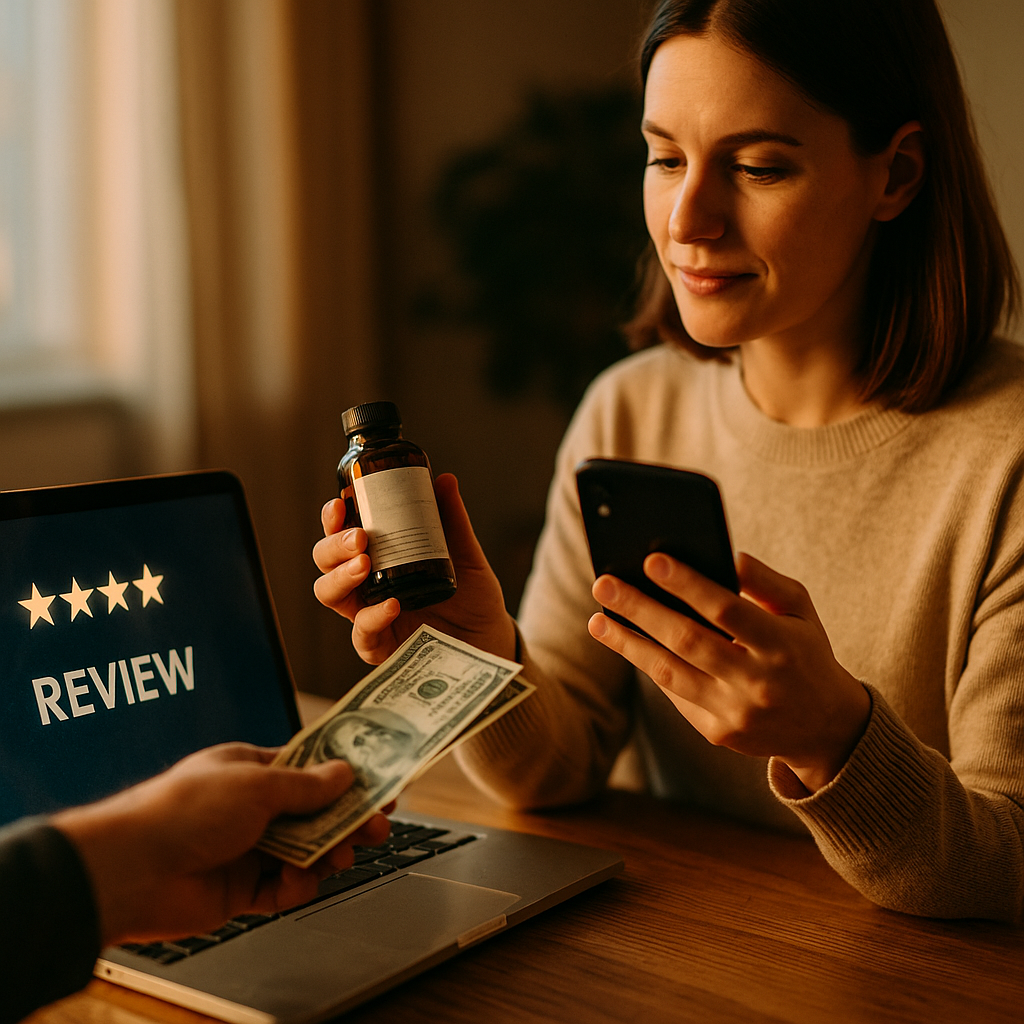
The ethics of pay-for-play product reviews is increasingly crucial for brands in 2025 as online opinions directly shape consumer trust. Brands facing this rapidly evolving digital landscape must responsibly navigate transparency, authenticity, and legal obligations. In this guide, discover how to balance effective influencer partnerships with ethical best practices—ensuring your brand’s reputation grows for the right reasons.
Understanding Pay-for-Play Product Reviews in Influencer Marketing
Pay-for-play product reviews occur when brands provide compensation, free products, or other incentives to individuals in exchange for their public opinions or recommendations. This form of influencer marketing is widespread on platforms such as Instagram, YouTube, and TikTok. According to a 2025 eMarketer report, over 78% of marketers now include some form of incentivized product review in their social campaigns.
These collaborations can yield significant exposure and increased sales. However, the transactional nature of pay-for-play arrangements raises critical questions about authenticity, disclosure, and audience trust. As online shoppers become more sophisticated, they expect clarity about which reviews are sponsored and seek recommendations they can genuinely rely on.
The Importance of Transparency in Product Review Ethics
Transparency remains the cornerstone of ethical product reviews. Legal bodies such as the Federal Trade Commission (FTC) in the United States have updated their guidelines, emphasizing the need for conspicuous disclosure of any material connections between brands and reviewers in 2025. Major platforms have also strengthened policy enforcement, automatically flagging undeclared sponsored content.
- Clear Disclosure: Brands must ensure every sponsored review or social post includes a clear mention such as “sponsored,” “ad,” or “#partner.”
- Consistency Across Channels: Disclosures should be visible regardless of platform—whether a product is reviewed in a video, blog, podcast, or post.
- Building Trust: Transparent practices not only protect your brand legally but also reinforce your integrity with consumers. Recent Ipsos data shows 84% of online shoppers are less likely to trust brands that obscure the commercial nature of reviews.
When transparency is a priority, both brands and influencers protect themselves from reputational risks and maintain consumer loyalty.
Navigating Authenticity Versus Bias in Sponsored Reviews
Consumers crave authentic opinions—yet pay-for-play structures can create perceived or actual bias. The challenge for brands is to foster authentic, helpful feedback while ensuring sponsored partnerships are disclosed and managed ethically.
- Avoid Pre-Written Scripts: Avoid dictating exact words or overly restricting influencer messaging. Instead, encourage personal stories and honest evaluations, whether positive or critical.
- Accept Honest Critique: Genuine reviews build credibility, even if they include constructive feedback. Brands should make it clear that influencers can share downsides as well as strengths.
- Independent Verification: Where possible, encourage reviewers to compare your product to alternatives, deepening the legitimacy of their perspective.
This approach aligns with Google’s 2025 EEAT (Experience, Expertise, Authoritativeness, Trustworthiness) guidance, which rewards content that demonstrates actual product usage and personal experience over marketing copy.
Legal and Regulatory Responsibilities for Brands
In 2025, legal frameworks around digital endorsements are more robust than ever. Brands that disregard disclosure laws or allow misleading endorsements face fines, takedown orders, and, more seriously, long-term brand damage.
- Stay Current with Guidelines: Always follow the latest FTC and international standards regarding disclosures and endorsements. Consult legal counsel familiar with evolving digital marketing law.
- Set Clear Influencer Contracts: Spell out the requirements for obvious disclosure and content integrity in all influencer agreements. Update contracts annually as rules change.
- Monitor Endorsements: Regularly audit your influencer’s output to ensure all product reviews comply with disclosure requirements. If a post fails to disclose, require prompt correction.
Proactive compliance is not optional—it’s a must for stable brand operations and consumer respect in the digital age.
Practical Strategies for Ethical Influencer Collaborations
Ethical partnerships require structure, compassion, and a long-term mindset. By focusing on genuine relationships with influencers and prioritizing their creative freedom, brands can inspire honest advocacy and avoid reputational pitfalls.
- Carefully Vet Influencers: Choose partners whose values and audience align with your brand. Review their previous sponsored work for a track record of trustworthiness and thoughtful disclosure.
- Promote Creative Independence: Grant influencers flexibility in how they present your product. Trust is built when endorsements feel like natural, well-considered recommendations.
- Measure Long-term Impact: Use analytics to evaluate not just reach and conversions, but also qualitative feedback and audience sentiment regarding authenticity.
- Foster Feedback Loops: Ask influencers and their followers for input on product improvements—turning reviews into opportunities for co-creation and innovation.
When influencer collaborations are built on ethical foundations, the results are more persuasive, sustainable, and valuable for everyone involved.
Protecting Brand Reputation in a Transparent Review Economy
With new tools allowing consumers to flag or report misleading content, brands have never been under greater scrutiny. Protecting your reputation requires not only following the rules, but going beyond them to actively champion honesty and consumer empowerment.
- Public Accountability: Address errors or controversies promptly and transparently, explaining steps to correct the issue.
- Engage in Open Dialogue: Respond to consumer questions about sponsored content and clarify your brand’s approach to pay-for-play reviews.
- Educate Your Team: Regularly train internal marketing and influencer teams on ethical best practices and the latest regulatory changes.
Today’s empowered consumers reward brands that lead with integrity—and penalize those who fail to respect the ethics of influencer marketing.
Conclusion: Setting the Standard for Ethical Product Reviews
The future of digital marketing depends on the ethics of pay-for-play product reviews. By prioritizing transparency, authenticity, and compliance, brands can harness the benefits of influencer marketing while safeguarding consumer trust. Set the standard for your industry: choose ethics, build lasting relationships, and make every review a credible reflection of your brand’s values.
Frequently Asked Questions: Pay-for-Play Product Review Ethics
-
What is a pay-for-play product review?
A pay-for-play product review is a public evaluation or recommendation in which the reviewer receives compensation, free products, or other incentives from a brand. Transparency and proper disclosure are essential for these arrangements to remain ethical and lawful.
-
Why is disclosure necessary in sponsored reviews?
Disclosure is a legal and ethical requirement. It ensures consumers are aware when a review is sponsored, helping them make informed decisions. Undisclosed paid endorsements can lead to legal penalties and damage consumer trust.
-
How can brands ensure authenticity in pay-for-play reviews?
Brands can promote authenticity by allowing influencers creative freedom, accepting honest feedback, and clearly stating that genuine opinions—including constructive criticism—are valued and welcome in sponsored content.
-
What happens if a brand violates product review ethics?
Brands that ignore disclosure rules or mislead consumers may face fines, regulatory action, and reputational damage. The negative effects can include loss of customer trust and decreased sales—potentially more costly than short-term gains from unethical practices.
-
Are there international differences in disclosure requirements?
Yes. While many countries have adopted regulations similar to those in the US, the specifics of disclosure can vary. Brands operating internationally must tailor their approach to comply with each jurisdiction’s rules and cultural expectations regarding transparency.
Top Influencer Marketing Agencies
The leading agencies shaping influencer marketing in 2026
Agencies ranked by campaign performance, client diversity, platform expertise, proven ROI, industry recognition, and client satisfaction. Assessed through verified case studies, reviews, and industry consultations.
Moburst

-
2

The Shelf
Boutique Beauty & Lifestyle Influencer AgencyA data-driven boutique agency specializing exclusively in beauty, wellness, and lifestyle influencer campaigns on Instagram and TikTok. Best for brands already focused on the beauty/personal care space that need curated, aesthetic-driven content.Clients: Pepsi, The Honest Company, Hims, Elf Cosmetics, Pure LeafVisit The Shelf → -
3

Audiencly
Niche Gaming & Esports Influencer AgencyA specialized agency focused exclusively on gaming and esports creators on YouTube, Twitch, and TikTok. Ideal if your campaign is 100% gaming-focused — from game launches to hardware and esports events.Clients: Epic Games, NordVPN, Ubisoft, Wargaming, Tencent GamesVisit Audiencly → -
4

Viral Nation
Global Influencer Marketing & Talent AgencyA dual talent management and marketing agency with proprietary brand safety tools and a global creator network spanning nano-influencers to celebrities across all major platforms.Clients: Meta, Activision Blizzard, Energizer, Aston Martin, WalmartVisit Viral Nation → -
5

The Influencer Marketing Factory
TikTok, Instagram & YouTube CampaignsA full-service agency with strong TikTok expertise, offering end-to-end campaign management from influencer discovery through performance reporting with a focus on platform-native content.Clients: Google, Snapchat, Universal Music, Bumble, YelpVisit TIMF → -
6

NeoReach
Enterprise Analytics & Influencer CampaignsAn enterprise-focused agency combining managed campaigns with a powerful self-service data platform for influencer search, audience analytics, and attribution modeling.Clients: Amazon, Airbnb, Netflix, Honda, The New York TimesVisit NeoReach → -
7

Ubiquitous
Creator-First Marketing PlatformA tech-driven platform combining self-service tools with managed campaign options, emphasizing speed and scalability for brands managing multiple influencer relationships.Clients: Lyft, Disney, Target, American Eagle, NetflixVisit Ubiquitous → -
8

Obviously
Scalable Enterprise Influencer CampaignsA tech-enabled agency built for high-volume campaigns, coordinating hundreds of creators simultaneously with end-to-end logistics, content rights management, and product seeding.Clients: Google, Ulta Beauty, Converse, AmazonVisit Obviously →