


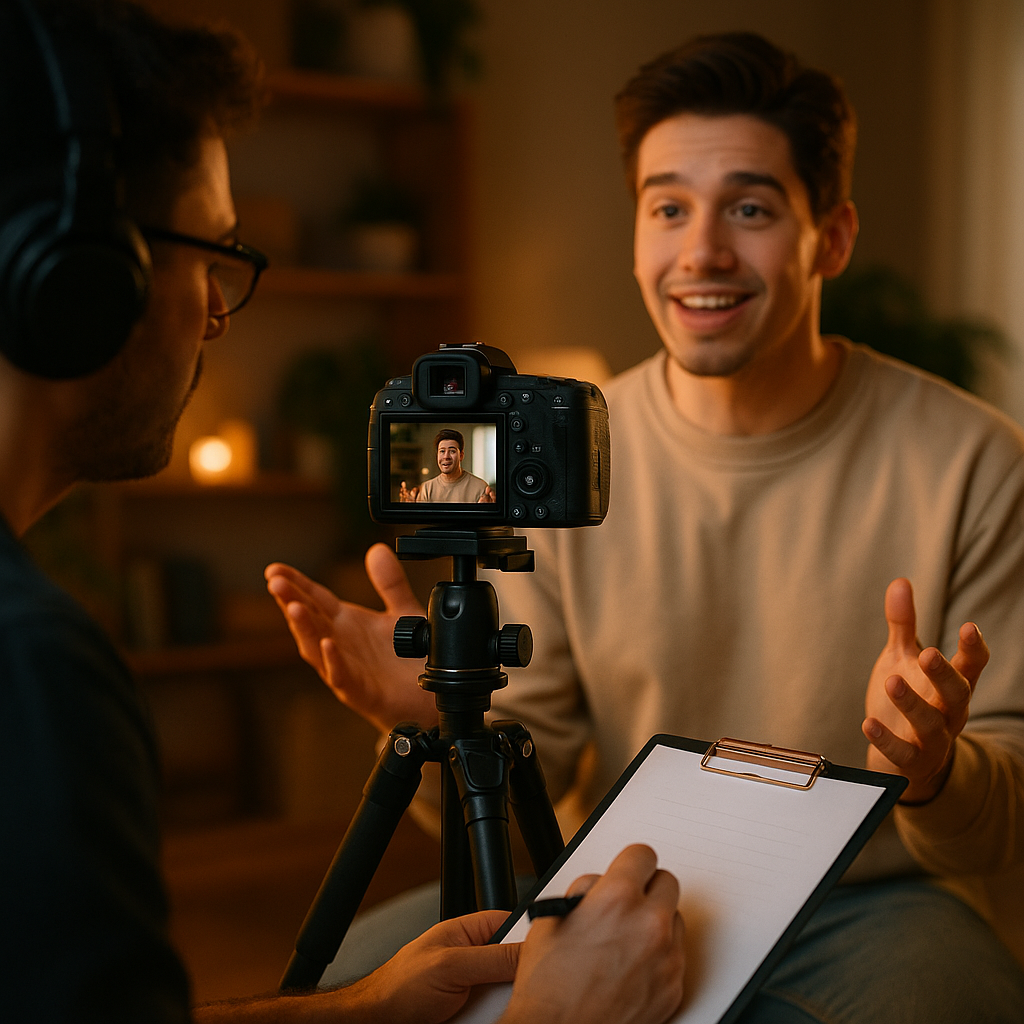
Today, more creators seek measurable feedback to improve their on-camera delivery. Using tools that rate creator on-camera ability, video professionals and aspiring influencers can diagnose strengths, spot weaknesses, and stand out in competitive digital spaces. But what options actually offer actionable insights—as opposed to generic advice? Explore the latest platforms transforming how creators evaluate their on-screen performance in 2025.
Why Rate On-Camera Performance? Advantages for Modern Creators
Understanding on-camera presence isn’t just about vanity—it’s crucial for audience engagement and career growth. Video-based creators, educators, and business professionals rely on body language, vocals, and authenticity to build trust. Tools that rate creator on-camera ability empower users to:
- Pinpoint improvement areas: Machine learning can objectively flag distracting gestures or monotone delivery.
- Enhance viewer retention: Active, engaging presenters hold attention longer, boosting algorithmic reach and watch time.
- Benchmark progress: Consistent ratings allow users to track measurable skill growth over time.
- Prepare for professional opportunities: Brand deals, media appearances, and collaborations demand camera confidence backed by real data.
Applying EEAT best practices—experience, expertise, authoritativeness, and trustworthiness—becomes easier when armed with concrete, personalized feedback from reputable rating tools.
Popular Creator On-Camera Rating Platforms in 2025
The market for on-camera evaluation tools has matured rapidly. Leading platforms commonly combine automated AI assessment and expert human review for comprehensive results. The most widely recommended options today include:
- VocalIQ Live: Analyzes tone modulation, filler words, and pacing for both live and recorded videos, providing color-coded skill scores.
- StageBright: Uses facial recognition to measure confidence, eye contact, and visual expressiveness—plus crowd-sourced ratings from verified reviewers.
- GenScreen Pro: Offers an industry-first “Natural Presence Index,” blending voice, body language, and authenticity metrics, with benchmarks across content genres.
- CreatorScore: Integrates seamlessly with video platforms, automatically generating feedback after each upload, including tips tailored to personal goals.
These platforms have continued to add features through 2025. Many now sync with video editors and collaboration tools, letting creators apply suggestions instantly or share reports with team members and coaches.
How On-Camera Rating Tools Work: Technology and Methodology
What happens behind the scenes when you upload a video for analysis? The technology has evolved from basic checklists to sophisticated AI models. Most creator on-camera ability rating platforms process footage by:
- Voice Analysis: AI parses speech patterns, clarity, pitch variation, and speed—flagging both dynamic delivery and moments that may disengage viewers.
- Facial Expression Detection: Neural networks identify authentic smiles, eyebrow movements, eye contact, and micro-expressions correlated with audience trust.
- Body Language Tracking: Algorithms detect posture, hand gestures, and movement within the frame, scoring for naturalness versus distraction.
- Authenticity Scoring: Some premium tools incorporate sentiment analysis and contextual modeling to rate whether delivery feels “authentic”—a crucial factor in audience loyalty in 2025.
- Benchmarking: Tools compare results to industry norms or user-selected role models to contextualize every score.
Combined, these approaches ensure creators get a multi-dimensional picture of their on-camera skills—not just a generic rating. Many platforms generate visual dashboards and detailed recommendations, focusing both on quick wins and longer-term skill growth.
Choosing the Right Tool: Factors to Consider for Effective Assessment
Given the array of options, how can creators pick the best tool for their needs? A credible tool for rating creator on-camera delivery should offer:
- Transparency: The methodology should be clearly explained. Reliable companies publish details on how scores are calculated and update their algorithms to avoid bias.
- Personalization: Look for platforms that adapt feedback to your style, content category, and audience goals, avoiding one-size-fits-all suggestions.
- Privacy: Only use platforms with secure video handling, clear data policies, and the ability to easily delete or export your content.
- Human Expertise Access: The most robust tools offer optional human coaching—either live sessions or asynchronous annotated feedback—to add context to AI scores.
- Integration: For professional teams, consider solutions that mesh with your workflow—editing suites, content calendars, or analytics dashboards.
Free trials or demo versions are now standard, making it risk-free to test multiple platforms. Choose the one that aligns with your learning preferences and the types of videos you produce most frequently.
Best Practices: Maximizing Results from On-Camera Assessment Tools
Technology alone cannot guarantee on-camera growth—it’s how you apply feedback that matters. To truly benefit from creator on-camera rating tools, follow these EEAT-informed best practices:
- Set Clear Goals: Identify whether you need to work on charisma, clarity, or confidence, and prioritize efforts accordingly.
- Regular Check-ins: Schedule monthly or project-based reviews. Consistent benchmarks highlight progress and help prevent backsliding into old habits.
- Request Human Input: Combine automated ratings with peer or coach feedback to interpret nuances and address edge cases where AI might miss context.
- Reflect and Iterate: Use feedback to plan specific, actionable improvements—then test the results in authentic recording scenarios.
- Don’t Chase Perfection: Remember that relatability and authenticity trump flawless delivery. Use tools to refine, not to erase, your unique style.
Creators who actively leverage insights—especially through a mix of quantitative data and qualitative guidance—see measurable improvements in both on-screen presence and audience outcomes.
The Future of Creator On-Camera Ratings and Evolving Industry Standards
As video dominates digital communication, the industry expects even richer analytics and more transparent methodologies. In 2025, leading tools are building:
- Real-time feedback: Instant, actionable tips as you record live, powered by on-device AI acceleration.
- Context-aware analytics: Adjusted scoring systems sensitive to different content genres, cultural expectations, and accessibility needs.
- Ethical safeguards: Measures to prevent bias, address deepfake risks, and ensure creators retain control over their likeness and data.
- Learning integrations: Seamless links between rating platforms and microlearning libraries, enabling creators to act on feedback within workflow tools.
As platforms embrace these innovations, creator empowerment—and audience experiences—will keep improving, making the landscape ever more competitive and rewarding.
Conclusion: Choosing and Using Tools That Rate Creator On-Camera Ability
Choosing the right tools that rate creator on-camera ability allows modern content professionals to turn insights into impact. By pairing reliable assessment platforms with an improvement mindset, creators elevate their skills—and boost audience connection. In 2025, investing in smart, ethical feedback ensures you stand out, communicate authentically, and reach your full on-camera potential.
FAQs: Tools That Rate Creator On-Camera Ability
-
Are AI-based on-camera rating tools accurate?
Top platforms use advanced models trained on diverse data, making ratings reliable for most creators. For best results, combine AI feedback with human coaching for nuanced improvements.
-
Will using these tools guarantee I “go viral”?
No tool can promise viral success; however, improving delivery and authenticity does boost audience engagement and retention, increasing your odds of growth across video platforms.
-
Can these platforms assess content in languages other than English?
Most 2025-leading tools support multiple languages, but effectiveness may vary. Always review language compatibility and test with short clips for your region before relying on a tool.
-
Is my data safe when uploading videos?
Reputable providers use strong encryption and allow creators to delete or export data at any time. Always check privacy policies before uploading sensitive or unpublished content.
-
How often should I use these tools for best results?
Monthly reviews offer consistent progress tracking, though more frequent assessments can speed up improvement if you’re actively producing video content or refining a specific skill.
Top Influencer Marketing Agencies
The leading agencies shaping influencer marketing in 2026
Agencies ranked by campaign performance, client diversity, platform expertise, proven ROI, industry recognition, and client satisfaction. Assessed through verified case studies, reviews, and industry consultations.
Moburst

-
2

The Shelf
Boutique Beauty & Lifestyle Influencer AgencyA data-driven boutique agency specializing exclusively in beauty, wellness, and lifestyle influencer campaigns on Instagram and TikTok. Best for brands already focused on the beauty/personal care space that need curated, aesthetic-driven content.Clients: Pepsi, The Honest Company, Hims, Elf Cosmetics, Pure LeafVisit The Shelf → -
3

Audiencly
Niche Gaming & Esports Influencer AgencyA specialized agency focused exclusively on gaming and esports creators on YouTube, Twitch, and TikTok. Ideal if your campaign is 100% gaming-focused — from game launches to hardware and esports events.Clients: Epic Games, NordVPN, Ubisoft, Wargaming, Tencent GamesVisit Audiencly → -
4

Viral Nation
Global Influencer Marketing & Talent AgencyA dual talent management and marketing agency with proprietary brand safety tools and a global creator network spanning nano-influencers to celebrities across all major platforms.Clients: Meta, Activision Blizzard, Energizer, Aston Martin, WalmartVisit Viral Nation → -
5

The Influencer Marketing Factory
TikTok, Instagram & YouTube CampaignsA full-service agency with strong TikTok expertise, offering end-to-end campaign management from influencer discovery through performance reporting with a focus on platform-native content.Clients: Google, Snapchat, Universal Music, Bumble, YelpVisit TIMF → -
6

NeoReach
Enterprise Analytics & Influencer CampaignsAn enterprise-focused agency combining managed campaigns with a powerful self-service data platform for influencer search, audience analytics, and attribution modeling.Clients: Amazon, Airbnb, Netflix, Honda, The New York TimesVisit NeoReach → -
7

Ubiquitous
Creator-First Marketing PlatformA tech-driven platform combining self-service tools with managed campaign options, emphasizing speed and scalability for brands managing multiple influencer relationships.Clients: Lyft, Disney, Target, American Eagle, NetflixVisit Ubiquitous → -
8

Obviously
Scalable Enterprise Influencer CampaignsA tech-enabled agency built for high-volume campaigns, coordinating hundreds of creators simultaneously with end-to-end logistics, content rights management, and product seeding.Clients: Google, Ulta Beauty, Converse, AmazonVisit Obviously →