


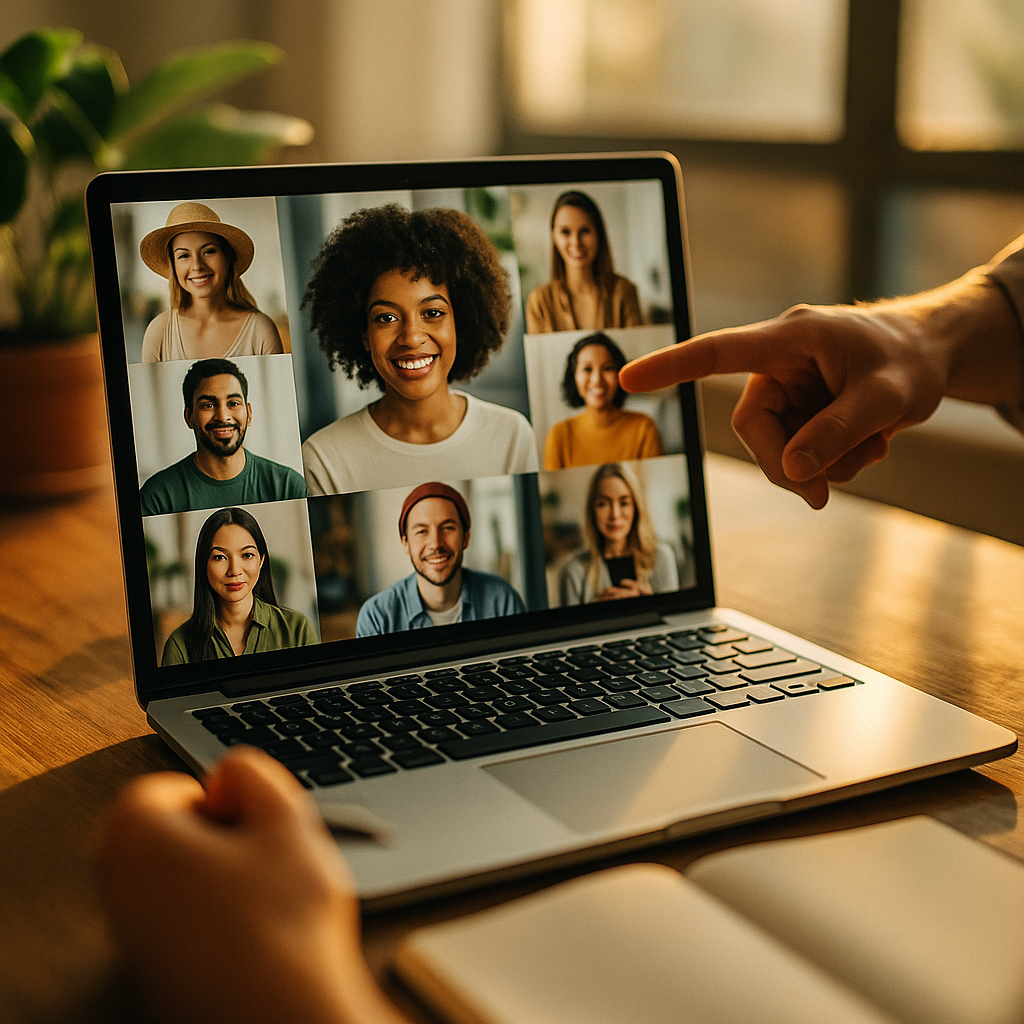
Building a robust business case to expand your influencer marketing team can unlock tremendous growth potential for your brand. With influencer collaborations driving measurable ROI, brands must scale their teams strategically. In this guide, discover actionable steps to secure stakeholder buy-in and position your team for sustained success.
Why Expanding Your Influencer Marketing Team Benefits Brand Growth
In 2025, influencer marketing budgets are projected to increase by 17%, according to Influencer Marketing Hub. This rise reflects a growing recognition of influencer marketing’s ability to reach targeted audiences and drive revenue. By expanding your influencer marketing team, your brand can:
- Enhance content output: Multiple team members allow for diverse and scalable campaigns.
- Improve campaign management: Dedicated specialists manage partners, briefs, and analytics more efficiently.
- Develop deeper relationships: Personal outreach and ongoing collaboration foster stronger influencer loyalty.
- Maximize ROI: With a larger team, campaigns can be optimized, tracked, and iterated swiftly.
Demonstrating these benefits is essential when building your case to expand your influencer marketing department.
Presenting Compelling Influencer Marketing ROI Data
Decision-makers respond to clear data. Gather recent performance analytics, drawing on industry benchmarks and your internal results. As per a 2025 Kantar study, businesses earn an average of $5.78 for every $1 invested in influencer marketing. To make your case compelling, present:
- Engagement metrics: Highlight increases in reach, engagement, and conversions compared to traditional advertising.
- Revenue impact: Show how campaigns directly attributed to influencer collaborations drive bottom-line results.
- Competitive positioning: Benchmark your team’s output and impact versus industry peers who have scaled their influencer teams.
Pair your data with illustrative case studies and break down how current team bandwidth may limit capturing additional value, emphasizing where expanded resources could lead to improved outcomes.
Aligning Influencer Team Expansion With Business Objectives
To win executive support, align your team expansion with wider business goals. For example, if your organization aims to:
- Accelerate brand awareness: Additional influencer partnerships can target new demographics.
- Support a product launch: Dedicated team members can focus on seeding products and activating campaigns swiftly.
- Enter new markets: Local influencers increase brand trust and awareness within specific regions.
Draft clear objectives and KPIs tied to business priorities. Illustrate how team growth will make these goals more attainable, minimizing risk and amplifying impact.
Outlining Necessary Skills for a Scalable Influencer Team
Scaling requires a well-defined structure and clarity on the skill sets needed. A future-ready influencer marketing team should include:
- Influencer Relations Specialists: Nurture relationships, vet influencers, and negotiate contracts.
- Content Strategists: Develop briefs and ensure brand alignment across all creative assets.
- Analytics Experts: Track campaign metrics, deliver actionable insights, and optimize results in real time.
- Project Managers: Oversee timelines, manage communication, and facilitate collaboration among team members.
- Legal & Compliance Advisors: Ensure all partnerships adhere to evolving regulations and disclosure requirements.
Justify each role by linking responsibilities directly to business needs, such as scaling volume, ensuring compliance, or improving creative output. This clarity assures stakeholders that expansion is intentional and adds value at every touchpoint.
Building a Persuasive Budget for Influencer Marketing Team Expansion
Budget presentations are pivotal. Begin by detailing all projected new hires, associated overhead, and required technology investments.
- Salary benchmarks: Use industry-standard compensation data to forecast costs transparently.
- Tech stack upgrades: Account for influencer discovery, CRM, and analytics solutions.
- Training and development: Allocating resources for ongoing skill-building ensures adaptability.
Offset costs against anticipated revenue gains or efficiency improvements. For instance, explain how a 20% increase in team headcount can drive 30%+ campaign volume, generating exponential incremental revenue.
Securing Stakeholder Buy-in and Executing the Rollout
Successful business cases require stakeholder engagement throughout. Present your proposal in stages:
- Hold discovery sessions to address leadership questions and concerns.
- Share a detailed business case document with supporting data, KPIs, and clear ROI forecasting.
- Solicit feedback from cross-functional teams, like legal and finance, to align on risk management and cost.
- Develop a phased hiring and onboarding plan to minimize disruption and demonstrate progress milestones.
Proactively follow up with regular updates to keep stakeholders aligned and invested as the expansion is executed.
Conclusion: Position Your Brand for Influencer Marketing Success
Building a business case to expand your influencer marketing team requires a data-backed, goal-aligned, and skills-driven approach. Align your proposal with business priorities, forecast clear value, and engage stakeholders early. By doing so, you’ll position your organization to unlock influencer marketing’s full potential in 2025 and beyond.
FAQs: Building a Business Case for Influencer Marketing Team Expansion
-
What are the first steps to building a business case for team expansion?
Start by gathering current campaign performance data, mapping business objectives, and identifying current team gaps. Use this information as the foundation of your argument. -
How do I convince executives that expanding the team will deliver ROI?
Present recent industry benchmarks, outline resource limitations, and provide revenue projections tied to increased campaign volume and efficiency. -
Which roles should be prioritized when hiring for influencer marketing?
Prioritize roles that address your most pressing needs, such as influencer relations, analytics, and content strategy. These areas most directly impact measurable outcomes. -
How can I align influencer marketing with larger business goals?
Connect each influencer campaign’s objectives to overall business KPIs, such as market expansion, brand lift, or product adoption, and ensure these are communicated at every stage. -
What ongoing resources will my expanded team need?
Plan for continued learning, tech stack improvements, and regular stakeholder reporting to maintain agility and prove ongoing value.
Top Influencer Marketing Agencies
The leading agencies shaping influencer marketing in 2026
Agencies ranked by campaign performance, client diversity, platform expertise, proven ROI, industry recognition, and client satisfaction. Assessed through verified case studies, reviews, and industry consultations.
Moburst

-
2

The Shelf
Boutique Beauty & Lifestyle Influencer AgencyA data-driven boutique agency specializing exclusively in beauty, wellness, and lifestyle influencer campaigns on Instagram and TikTok. Best for brands already focused on the beauty/personal care space that need curated, aesthetic-driven content.Clients: Pepsi, The Honest Company, Hims, Elf Cosmetics, Pure LeafVisit The Shelf → -
3

Audiencly
Niche Gaming & Esports Influencer AgencyA specialized agency focused exclusively on gaming and esports creators on YouTube, Twitch, and TikTok. Ideal if your campaign is 100% gaming-focused — from game launches to hardware and esports events.Clients: Epic Games, NordVPN, Ubisoft, Wargaming, Tencent GamesVisit Audiencly → -
4

Viral Nation
Global Influencer Marketing & Talent AgencyA dual talent management and marketing agency with proprietary brand safety tools and a global creator network spanning nano-influencers to celebrities across all major platforms.Clients: Meta, Activision Blizzard, Energizer, Aston Martin, WalmartVisit Viral Nation → -
5

The Influencer Marketing Factory
TikTok, Instagram & YouTube CampaignsA full-service agency with strong TikTok expertise, offering end-to-end campaign management from influencer discovery through performance reporting with a focus on platform-native content.Clients: Google, Snapchat, Universal Music, Bumble, YelpVisit TIMF → -
6

NeoReach
Enterprise Analytics & Influencer CampaignsAn enterprise-focused agency combining managed campaigns with a powerful self-service data platform for influencer search, audience analytics, and attribution modeling.Clients: Amazon, Airbnb, Netflix, Honda, The New York TimesVisit NeoReach → -
7

Ubiquitous
Creator-First Marketing PlatformA tech-driven platform combining self-service tools with managed campaign options, emphasizing speed and scalability for brands managing multiple influencer relationships.Clients: Lyft, Disney, Target, American Eagle, NetflixVisit Ubiquitous → -
8

Obviously
Scalable Enterprise Influencer CampaignsA tech-enabled agency built for high-volume campaigns, coordinating hundreds of creators simultaneously with end-to-end logistics, content rights management, and product seeding.Clients: Google, Ulta Beauty, Converse, AmazonVisit Obviously →