


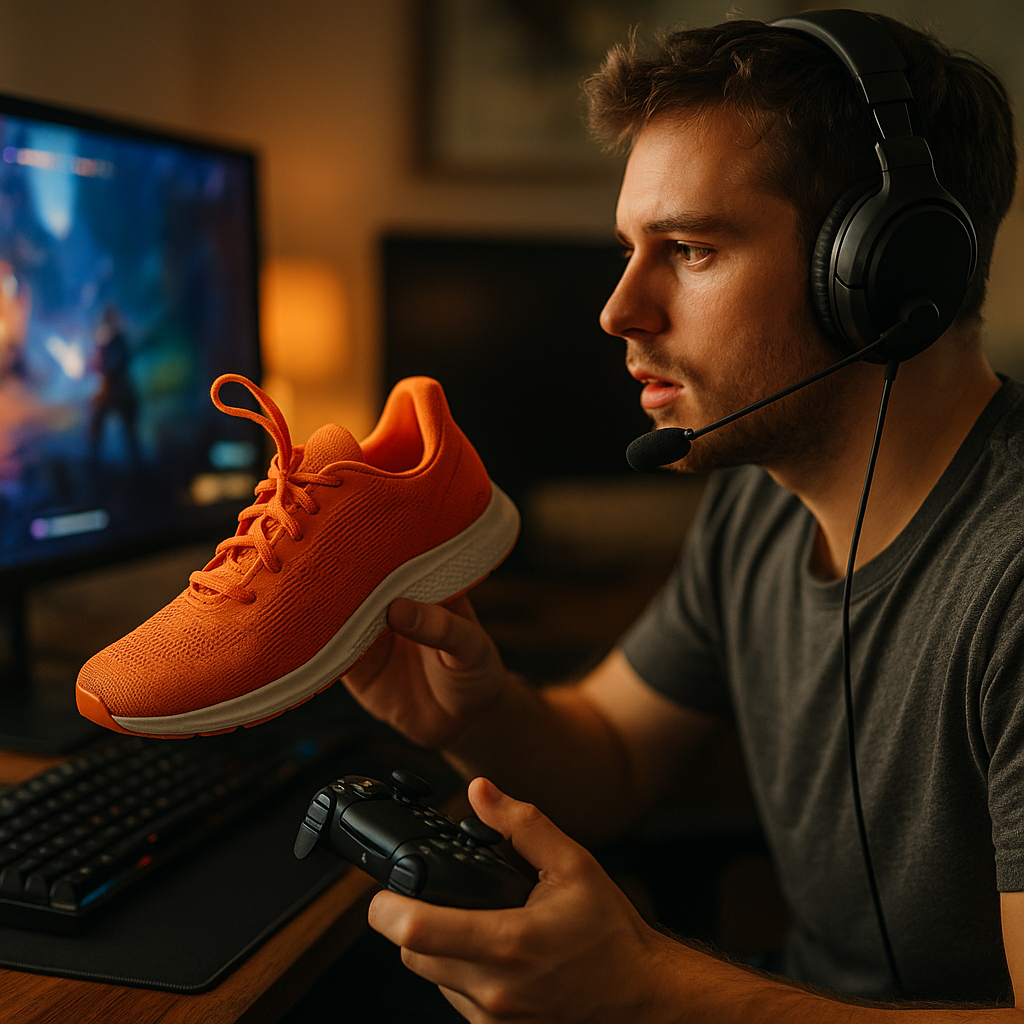
The “Gamer” demographic is expanding rapidly in 2025, making it a hot target for brands marketing non-gaming products. Whether you’re in tech, fashion, or food, understanding how to speak to gamers can yield untapped potential. But how can companies authentically appeal to these digital natives without feeling out of place? Let’s explore successful strategies together.
Understanding the Modern Gamer Market
Today’s gamers defy stereotypes. Recent research by Newzoo reports that over 60% of adults worldwide play video games, blurring the lines between “hardcore” and “casual” players. This audience is diverse in age, gender, spending power, and interests, making them an open but discerning market for non-gaming brands.
Gamers integrate digital culture into every aspect of their lives—from how they connect with friends to how they shop. Their values include authenticity, community, and a love for technology. Non-gaming products that align with these values or enhance their lifestyle resonate best and are more likely to succeed.
Tailoring Non-Gaming Products for the Gamer Consumer
The key to marketing non-gaming products to gamers is customization. Gamers appreciate products that reflect their passions, such as limited-edition merchandise, gaming-branded versions of consumer goods, or collaborations with popular gaming personalities or franchises. For instance, food and beverage brands that package snacks with collectible in-game content see higher engagement rates among this demographic.
Wearable tech, energy drinks, and smart home devices also appeal to gamers when promoted as tools to enhance both gaming and everyday productivity. Fitness and wellness brands, too, are developing partnerships with esports teams and influencers to encourage healthy habits, tailored specifically around the gaming lifestyle.
Effective Channels for Reaching Gamers
Knowing where to find and interact with gamers is crucial. Traditional advertising often falls flat. Instead, the most effective channels include:
- Live Streaming Platforms: Twitch and YouTube Gaming attract millions of viewers who not only watch gameplay, but also tune in for product unboxings and reviews related to the gaming lifestyle.
- Discord Communities: Gamers use Discord not just for gaming, but for community building. Brands can engage meaningfully by sponsoring servers or offering exclusive promotions to members.
- Social Media: Platforms like TikTok and Instagram see thriving gaming communities. Creative, short-form content and challenges that blend gaming with real-life products spread quickly and organically.
Email newsletters, podcasts, and collaboration with popular gaming influencers further amplify the reach, provided the content remains engaging and authentic to the gaming voice.
Building Authenticity and Trust When Marketing to Gamers
Gamers are savvy—hyperaware of inauthentic marketing tactics. To build genuine connections, brands must:
- Engage, Don’t Interrupt: Avoid intrusive ads. Instead, participate in gaming events or support causes important to the community, such as inclusive esports tournaments or digital wellness programs.
- Collaborate With Gaming Influencers: Use long-term relationships, not just one-off sponsored posts, with creators who genuinely use your product.
- Prioritize Transparency: Share behind-the-scenes content, user reviews, or community feedback to foster a sense of openness.
Campaigns that successfully integrate a brand’s values with those of the gamer community create lasting loyalty beyond a single purchase.
Successful Examples: Non-Gaming Brands Winning Over Gamers
Some non-gaming brands have already unlocked the secret. For example, fashion labels in 2025 regularly create capsule collections with esports teams, selling out in days thanks to influencer-driven launches and exclusive digital content for buyers. Meanwhile, subscription snack brands partner with game publishers to offer in-game rewards, making snack breaks an interactive experience.
Tech companies sell noise-cancelling headphones labeled for “game and work,” while car manufacturers align with racing games, providing virtual car test drives that translate to interest in real-world vehicles. Each case highlights creativity, cross-industry collaboration, and a deep respect for the gamer’s lifestyle.
Tips for Crafting Your Gamer-Focused Strategy in 2025
To successfully market non-gaming products to gamers, brands should follow these practical strategies:
- Research and Listen: Dive deep into gaming forums, live streams, and community discussions to spot trends and pain points.
- Partner Authentically: Align with influencers and organizations embedded in the gaming world, ensuring all collaborations reflect mutual values.
- Leverage Gamification: Turn your promotions into interactive experiences through challenges, polls, or reward systems that echo in-game mechanics.
- Stay Agile: The gamer demographic evolves fast—be ready to adapt your campaigns based on feedback and shifting online cultures.
Keep your finger on the pulse of gaming culture, and always test new methods to measure what resonates.
Conclusion: The Power of Understanding the Gamer Demographic
Marketing non-gaming products to gamers in 2025 is about authentic, community-driven connection and creative adaptation. Brands willing to understand gamer values and integrate into their digital lifestyles will foster loyalty and unlock valuable new audiences. Start by listening, collaborating, and innovating—gamers are paying attention, and your brand can be part of their world.
FAQs: Marketing Non-Gaming Products to Gamers
-
Why should non-gaming brands target the gamer demographic?
Gamers represent a massive, digitally engaged market, open to products that fit their interests and lifestyles. Their influence often extends beyond gaming, driving pop culture trends and brand loyalty across industries. -
Which types of non-gaming products appeal most to gamers?
Tech gear, apparel, snacks and beverages, smart home devices, and wellness products tailored for comfort, energy, or style are popular, especially when designed or marketed with gaming culture in mind. -
How can brands avoid looking inauthentic when marketing to gamers?
Engage with gaming communities earnestly, establish long-term relationships with gaming influencers, and stay away from one-size-fits-all advertising. Transparency and respect for gamer values are critical. -
What platforms are best for reaching the gamer audience?
Live streaming services like Twitch, gaming-focused Discord servers, TikTok, and Instagram are ideal. Influencer partnerships and in-game integrations are also effective, as long as the approach feels natural and engaging.