


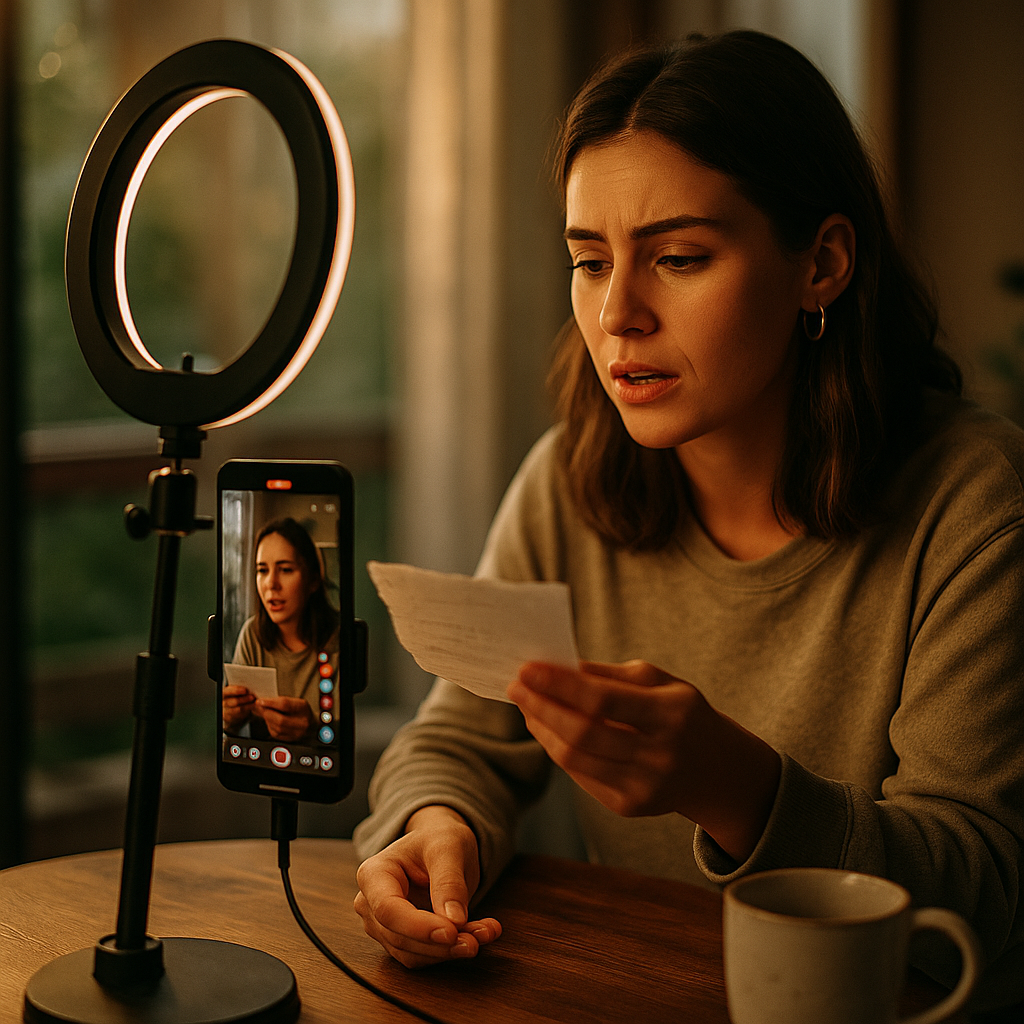
Many marketing teams grapple with how brands can fix broken influencer strategies, especially as digital platforms evolve in 2025. Approaches that worked in previous years may now lead to lackluster campaigns, disengaged audiences, and wasted budgets. Understanding the root causes of these failures is key—read on to discover actionable solutions and build a resilient influencer marketing strategy.
Diagnosing the Causes of Ineffective Influencer Campaigns
Before making improvements, brands must identify why their influencer strategies aren’t delivering results. Common pitfalls in partnerships include:
- Poor audience targeting: Influencers don’t align with the brand’s core demographic.
- Lack of authenticity: Content feels forced, sponsored posts interrupt natural feeds, or influencer values conflict with brand ethos.
- Inadequate measurement: Brands track vanity metrics (like raw follower counts) rather than engagement or conversions.
- Mismanaged relationships: One-off activations replace long-term partnerships, limiting loyalty and message consistency.
Brands must keep these root causes in clear focus as they reboot their influencer marketing efforts.
Building Trust Through Authentic Influencer Partnerships
In 2025, authenticity is critical for influencer campaign success. Audiences value creators who openly share their honest experiences. According to a Statista survey (2025), 72% of consumers are more likely to buy a product if an influencer genuinely uses it. To foster authenticity:
- Encourage influencers to create content in their signature style, not strictly by script.
- Choose partners who already talk about related products or company missions.
- Prioritize micro-influencers for niche targeting—they often have deeper connections with their audiences than mega influencers.
Brands that relinquish creative control and respect an influencer’s unique voice see consistently higher engagement rates, brand recall, and trust in product recommendations.
Enhancing Audience Targeting with Data-Driven Insights
Precision targeting is no longer optional. With social platforms offering advanced analytics in 2025, brands can profile target segments more accurately. Steps to actionable targeting include:
- Leverage AI-powered tools to analyze previous campaign data and competitor outcomes.
- Map influencer audiences beyond top-line demographics, diving into psychographics and purchase intent signals.
- Utilize custom audiences on platforms like Instagram and TikTok, syncing influencer efforts with retargeting campaigns to maximize touchpoints.
Pro tip: Collaborate with influencers whose audience overlaps significantly with your own client database for more reliable results and higher return on investment.
Measuring Success Beyond Vanity Metrics
Many brands overvalue likes and impressions. Instead, focus on metrics aligned with actual business objectives—something the most successful marketers in 2025 emphasize. Consider tracking:
- Click-through rates
- Conversion rates (sign-ups, purchases)
- Share of voice and brand sentiment
- Repeat customer activity from influencer-led traffic
- Attributable revenue from affiliate codes or direct links
Brands should integrate these metrics with their CRM and sales platforms for a holistic view. This approach provides actionable insights, allowing quick optimization (or even pivoting) of ongoing influencer campaigns.
Nurturing Long-Term Influencer Relationships
Short-term, transactional campaigns often result in flat creative and minimal impact. In contrast, brands that grow genuine, ongoing partnerships with influencers reap lasting rewards:
- Deeper brand affinity: Audiences grow accustomed to seeing influencers regularly advocate for your brand.
- Creative evolution: Influencers feel empowered to experiment, share feedback, and improve content over time.
- Data consistency: Long-term collaborations yield richer insights and more robust comparative performance data.
Brands should establish clear communication, offer exclusive perks or early access, and set transparent expectations. This positions influencers as valued partners, not just one-off media buys.
Complying with 2025 Influencer Marketing Regulations
Regulatory scrutiny and audience demand for transparency are at an all-time high in 2025. Brands must ensure:
- All sponsored posts are clearly disclosed as per regional advertising standards.
- Data usage complies with the latest privacy regulations (such as consumer data consent and opt-outs).
- Influencers are briefed on responsible messaging, particularly in regulated industries (health, finance, etc.).
Failing to comply can lead to legal consequences and irreparably damage brand reputation. Diligent oversight and influencer education are essential at every stage.
FAQs: Fixing Broken Influencer Strategies in 2025
-
Why do influencer campaigns fail in 2025?
Common reasons include misaligned audience targeting, inauthentic content, poor performance tracking, and lack of regulatory compliance. Brands must prioritize relationship-building, rigorous data analysis, and ongoing optimization to succeed.
-
How can brands select the right influencers?
Seek influencers whose values, audience demographics, and content style align with your brand mission. Analyze audience engagement—not just follower numbers—and initiate a collaborative vetting process to ensure a good match.
-
What are the best metrics for measuring influencer ROI?
Combine engagement metrics (like saves and shares) with conversion data (such as sign-ups, purchases, and attributable revenue). Track affiliate links, custom discount codes, and post-campaign sentiment to determine overall impact.
-
Is it better to work with micro or macro influencers?
Both have merit. Micro-influencers offer high engagement and niche targeting, while macro-influencers expand reach. In 2025, many brands mix both for optimal results, tailored to specific campaign objectives and target audiences.
-
How can brands ensure campaign compliance?
Stay current with regional advertising guidelines, mandate clear disclosure in all content, and regularly educate influencer partners on brand and legal requirements. Use contracts and routine audits for consistent compliance.
Brands facing broken influencer strategies in 2025 must refocus on authentic partnerships, data-driven campaign design, meaningful measurement, and compliance. By embracing these priorities, marketers can reinvigorate their influencer efforts and achieve lasting, impactful results in a competitive digital landscape.
Top Influencer Marketing Agencies
The leading agencies shaping influencer marketing in 2026
Agencies ranked by campaign performance, client diversity, platform expertise, proven ROI, industry recognition, and client satisfaction. Assessed through verified case studies, reviews, and industry consultations.
Moburst

-
2

The Shelf
Boutique Beauty & Lifestyle Influencer AgencyA data-driven boutique agency specializing exclusively in beauty, wellness, and lifestyle influencer campaigns on Instagram and TikTok. Best for brands already focused on the beauty/personal care space that need curated, aesthetic-driven content.Clients: Pepsi, The Honest Company, Hims, Elf Cosmetics, Pure LeafVisit The Shelf → -
3

Audiencly
Niche Gaming & Esports Influencer AgencyA specialized agency focused exclusively on gaming and esports creators on YouTube, Twitch, and TikTok. Ideal if your campaign is 100% gaming-focused — from game launches to hardware and esports events.Clients: Epic Games, NordVPN, Ubisoft, Wargaming, Tencent GamesVisit Audiencly → -
4

Viral Nation
Global Influencer Marketing & Talent AgencyA dual talent management and marketing agency with proprietary brand safety tools and a global creator network spanning nano-influencers to celebrities across all major platforms.Clients: Meta, Activision Blizzard, Energizer, Aston Martin, WalmartVisit Viral Nation → -
5

The Influencer Marketing Factory
TikTok, Instagram & YouTube CampaignsA full-service agency with strong TikTok expertise, offering end-to-end campaign management from influencer discovery through performance reporting with a focus on platform-native content.Clients: Google, Snapchat, Universal Music, Bumble, YelpVisit TIMF → -
6

NeoReach
Enterprise Analytics & Influencer CampaignsAn enterprise-focused agency combining managed campaigns with a powerful self-service data platform for influencer search, audience analytics, and attribution modeling.Clients: Amazon, Airbnb, Netflix, Honda, The New York TimesVisit NeoReach → -
7

Ubiquitous
Creator-First Marketing PlatformA tech-driven platform combining self-service tools with managed campaign options, emphasizing speed and scalability for brands managing multiple influencer relationships.Clients: Lyft, Disney, Target, American Eagle, NetflixVisit Ubiquitous → -
8

Obviously
Scalable Enterprise Influencer CampaignsA tech-enabled agency built for high-volume campaigns, coordinating hundreds of creators simultaneously with end-to-end logistics, content rights management, and product seeding.Clients: Google, Ulta Beauty, Converse, AmazonVisit Obviously →