


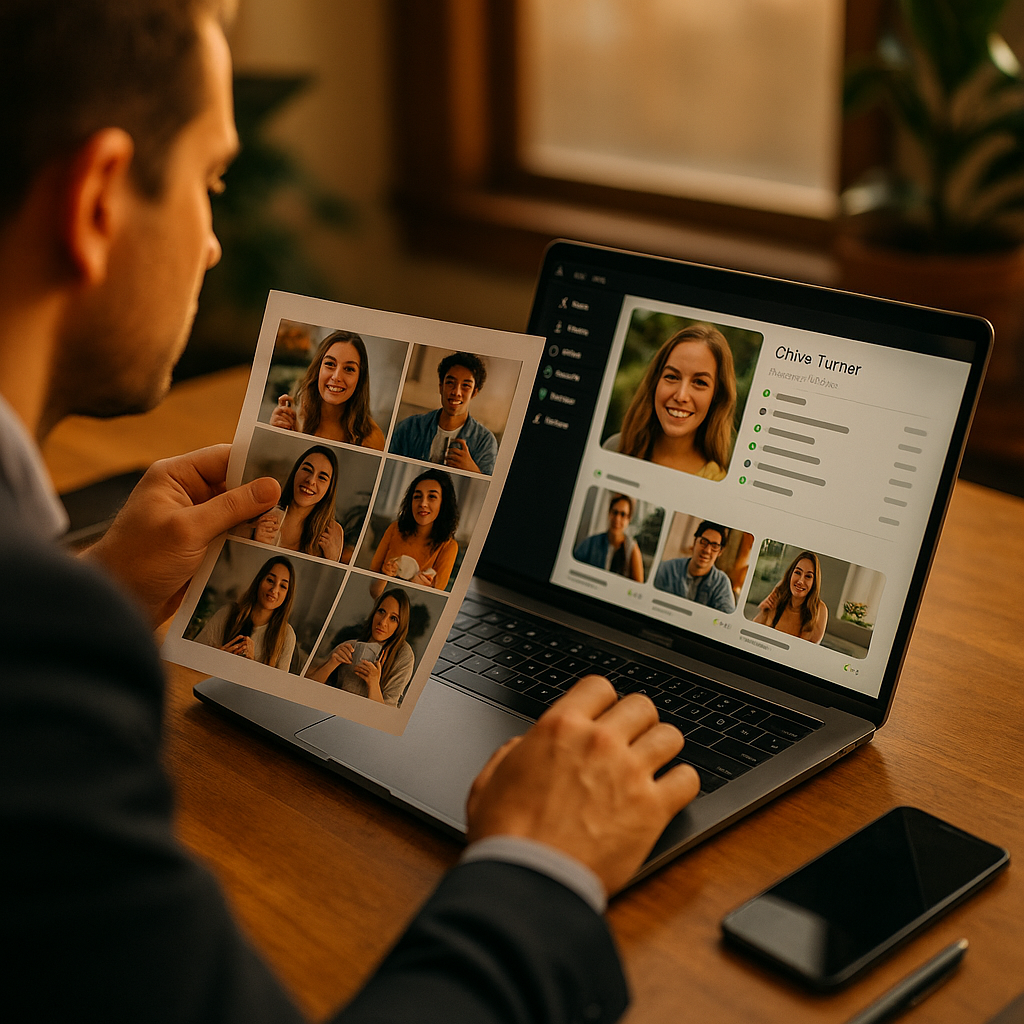
One platform, four workflows, zero handoffs. That’s the pitch behind Fluencify’s newly announced US expansion, and it lands at a moment when marketing teams are drowning in point solutions for discovery, briefing, content review, and payouts. The Fluencify AI platform promises to collapse that stack into a single interface. The question every brand buyer should be asking isn’t whether the demo looks slick. It’s whether consolidation actually reduces risk, or just moves it somewhere harder to see.
What Fluencify Actually Built
Fluencify started as a European creator discovery tool, the kind that scraped engagement data and spit out a ranked list of “brand-safe” accounts. That category is crowded, and frankly, most discovery tools look the same after the first fifteen minutes of a demo. What’s different here is the scope creep, and I mean that as a compliment.
Over roughly eighteen months, Fluencify layered on contract generation, AI-assisted briefing, content approval workflows, and a payments rail that handles international payouts without routing everything through a third-party processor. The company now describes itself as an “end-to-end” platform, a phrase that gets thrown around loosely in this industry. In Fluencify’s case, it’s closer to accurate than most.
The US expansion adds domestic payment infrastructure, a compliance module tuned to FTC disclosure requirements, and a sales team based in New York and Austin. That last detail matters more than it sounds. A platform built for European VAT rules and GDPR consent flows doesn’t automatically translate to US tax reporting and state-level advertising law.
Why the US Push, Why Now?
The timing isn’t accidental. US influencer marketing spend continues to climb even as brands get pickier about where that money goes, and platforms that can prove operational efficiency are winning budget conversations that pure reach-and-engagement pitches used to win. According to eMarketer, creator economy ad spend in the US has outpaced traditional digital display growth for several consecutive years, which means more brands are running larger creator rosters with the same headcount they had when programs were smaller.
That mismatch, more creators, same team size, is exactly the pain point end-to-end platforms are built to solve. Fluencify isn’t wrong about the market need. It’s a question of execution and trust.
Consolidating five vendors into one platform doesn’t eliminate risk. It just concentrates it into a single point of failure, and brand buyers need to underwrite that concentration before signing.
The Discovery to Payout Pitch
Fluencify’s core sales argument is that switching between four or five tools, one for discovery, one for CRM, one for content review, one for payments, creates friction that costs real money. Every handoff is a place where data goes stale, approvals stall, or a creator payment slips past net-30. We’ve covered this exact structural problem before in our breakdown of discovery to payment pipelines, and the five-layer framework there still applies when evaluating whether Fluencify’s version actually closes those gaps or just relabels them.
In practice, the platform routes a creator from initial discovery through vetting, contract, content submission, usage rights tracking, and payout, all inside one dashboard. Brand teams get a single audit trail instead of five disconnected logs scattered across Slack, spreadsheets, and email threads. That’s genuinely useful for finance and legal, who tend to be the last people consulted before an influencer program launches and the first people called when something goes wrong.
But “end-to-end” is a marketing term, not a technical guarantee. Ask any vendor demoing a unified system how many of those modules were built in-house versus acquired or white-labeled. The answer usually explains a lot about integration quality down the line.
What This Means for Brand Buyers
If you’re a mid-market or enterprise brand currently running influencer programs across separate discovery, CRM, and payment tools, Fluencify’s US arrival gives you a new consolidation option to evaluate, alongside incumbents like CreatorIQ, Aspire, and Grin. We’ve mapped that comparison territory before in our piece on matching discovery tools to budget, and the same logic applies here: the right platform depends on your program’s scale, not the vendor’s feature list.
- Smaller programs (under 50 active creators): The all-in-one appeal is strongest here. Fewer integrations to manage, lower total cost of ownership, and a single support contact.
- Mid-market programs (50 to 500 creators): Worth a pilot, but insist on a data migration plan and a rollback option before committing your entire roster.
- Enterprise programs (500-plus creators): Consolidation risk is highest here. A single vendor outage or pricing change affects your entire operation, not just one workflow.
The operational efficiency case is real. Fewer logins, fewer reconciliation errors, faster payout cycles. Brands running lean marketing teams, which is most of them right now, will find that appealing. Just don’t mistake a smoother interface for a fully de-risked program.
The Compliance Question Nobody Skips Anymore
Any US-facing influencer platform lives or dies on how well it handles disclosure compliance. The FTC’s endorsement guidelines aren’t optional reading anymore, they’re the baseline every legal team checks before approving a new vendor. Fluencify’s compliance module reportedly auto-flags posts missing required disclosure tags and generates audit-ready reports, which is a meaningful upgrade if your current process relies on manual spot-checks.
Still, automated flagging is only as good as the rules behind it, and platform policies shift faster than most vendors update their systems. If Fluencify’s compliance engine hasn’t been stress-tested against recent Meta advertising policies or TikTok’s branded content rules, brand legal teams should ask for documentation before trusting it blind. We’ve written before about how identity and attribution chaos creates compliance blind spots even in well-intentioned platforms, and the same caution applies to any new entrant claiming to have solved disclosure automatically. Our piece on creator attribution chaos is a useful reference point when you’re building your own vetting checklist.
Where the Real Risk Sits
Consolidation platforms fail brands in predictable ways: vendor lock-in, thin customer support once the contract is signed, and feature bloat that never quite matches the specific workflow your team actually needs. Before signing anything, run Fluencify through the same rigor you’d apply to any agentic platform claiming full-stack coverage. Our AI agent vendor evaluation scorecard is a solid starting point, and the tradeoffs outlined in our analysis of agentic AI platform consolidation apply almost directly to this launch.
Ask for references from US brands already using the platform, not just European case studies translated into dollars. Ask what happens to your data and active contracts if you want to exit after twelve months. Ask how payouts are processed, through what banking partners, and whether there’s a delay specific to US tax withholding for 1099 contractors. None of this is exotic due diligence. It’s the same checklist smart procurement teams apply to any SaaS vendor holding financial and legal data on your behalf.
Market sizing data from Statista continues to show double-digit growth projections for influencer marketing platforms broadly, which means more vendors will keep making “end-to-end” claims over the next few quarters. Fluencify’s expansion is one data point in a larger consolidation trend, not a category-defining moment on its own.
Frequently Asked Questions
FAQs
What does Fluencify’s platform actually cover?
Fluencify handles creator discovery, vetting, contract generation, AI-assisted briefing, content approval, usage rights tracking, and international payouts within a single dashboard, positioning itself as an end-to-end alternative to running separate tools for each function.
Is Fluencify’s US expansion different from its European product?
Yes. The US launch adds domestic payment infrastructure, a compliance module built around FTC disclosure requirements, and a sales and support team based in the US, addressing gaps that existed when the platform was built primarily for European tax and privacy rules.
Should mid-market brands switch to Fluencify immediately?
Not without a pilot. Mid-market brands running 50 to 500 active creators should test the platform on a limited segment of their roster, confirm data migration works cleanly, and negotiate an exit clause before moving the entire program over.
How does Fluencify compare to CreatorIQ or Aspire?
Fluencify’s differentiator is its built-in payments and compliance layer, whereas platforms like CreatorIQ and Aspire often rely on third-party integrations for payouts. The right choice still depends on program size, existing tech stack, and how much consolidation risk a brand is willing to accept.
What compliance risks should brand teams watch for?
Brands should confirm that any automated disclosure flagging is updated against current FTC guidelines and current platform policies from Meta and TikTok, since compliance rules change faster than most vendor systems are updated by default.
Before you sign anything, request a US-specific reference call, a data exit clause in writing, and a live demo of the compliance module against a real disclosure edge case, not a scripted one.
Top Influencer Marketing Agencies
The leading agencies shaping influencer marketing in 2026
Agencies ranked by campaign performance, client diversity, platform expertise, proven ROI, industry recognition, and client satisfaction. Assessed through verified case studies, reviews, and industry consultations.
Moburst

-
2

The Shelf
Boutique Beauty & Lifestyle Influencer AgencyA data-driven boutique agency specializing exclusively in beauty, wellness, and lifestyle influencer campaigns on Instagram and TikTok. Best for brands already focused on the beauty/personal care space that need curated, aesthetic-driven content.Clients: Pepsi, The Honest Company, Hims, Elf Cosmetics, Pure LeafVisit The Shelf → -
3

Audiencly
Niche Gaming & Esports Influencer AgencyA specialized agency focused exclusively on gaming and esports creators on YouTube, Twitch, and TikTok. Ideal if your campaign is 100% gaming-focused — from game launches to hardware and esports events.Clients: Epic Games, NordVPN, Ubisoft, Wargaming, Tencent GamesVisit Audiencly → -
4

Viral Nation
Global Influencer Marketing & Talent AgencyA dual talent management and marketing agency with proprietary brand safety tools and a global creator network spanning nano-influencers to celebrities across all major platforms.Clients: Meta, Activision Blizzard, Energizer, Aston Martin, WalmartVisit Viral Nation → -
5

The Influencer Marketing Factory
TikTok, Instagram & YouTube CampaignsA full-service agency with strong TikTok expertise, offering end-to-end campaign management from influencer discovery through performance reporting with a focus on platform-native content.Clients: Google, Snapchat, Universal Music, Bumble, YelpVisit TIMF → -
6

NeoReach
Enterprise Analytics & Influencer CampaignsAn enterprise-focused agency combining managed campaigns with a powerful self-service data platform for influencer search, audience analytics, and attribution modeling.Clients: Amazon, Airbnb, Netflix, Honda, The New York TimesVisit NeoReach → -
7

Ubiquitous
Creator-First Marketing PlatformA tech-driven platform combining self-service tools with managed campaign options, emphasizing speed and scalability for brands managing multiple influencer relationships.Clients: Lyft, Disney, Target, American Eagle, NetflixVisit Ubiquitous → -
8

Obviously
Scalable Enterprise Influencer CampaignsA tech-enabled agency built for high-volume campaigns, coordinating hundreds of creators simultaneously with end-to-end logistics, content rights management, and product seeding.Clients: Google, Ulta Beauty, Converse, AmazonVisit Obviously →