


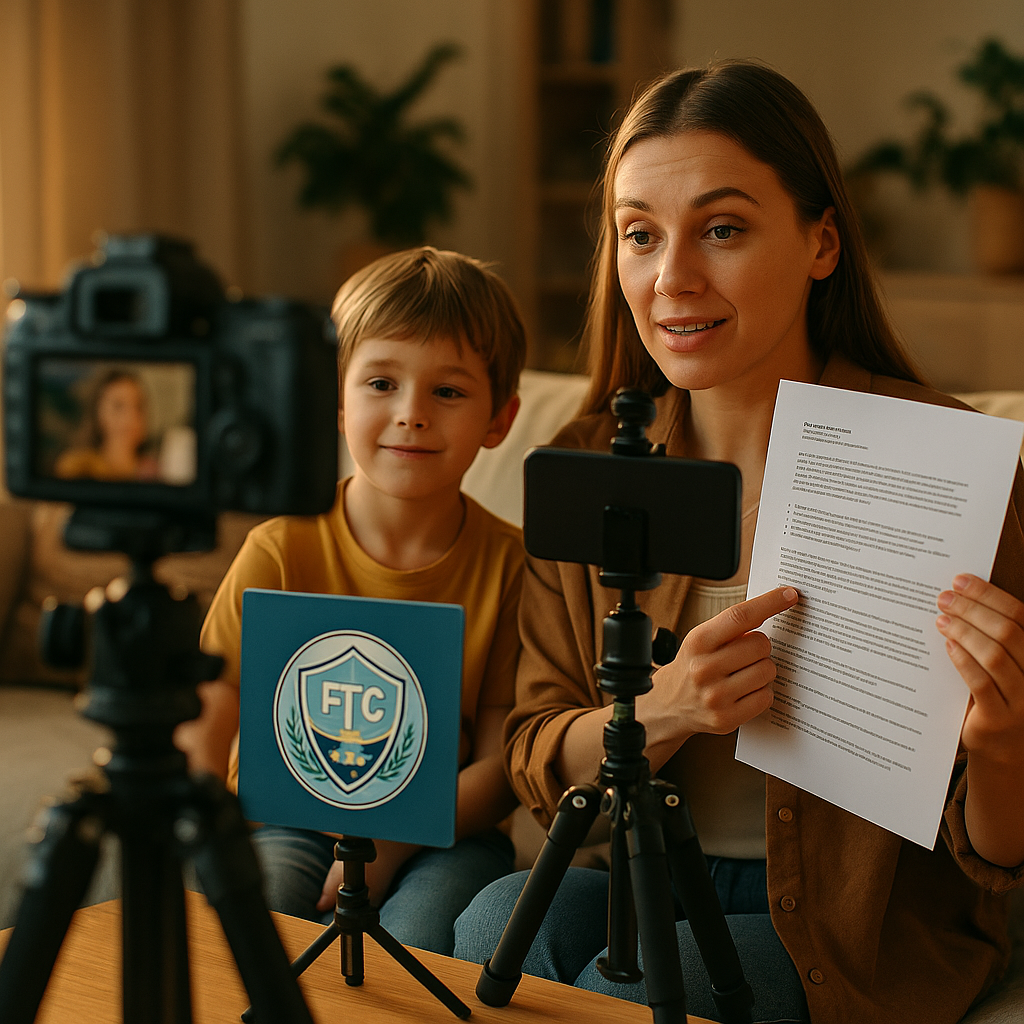
The FTC guidelines for kids and family influencers are more important than ever in 2025, as families increasingly turn to social media for advice, entertainment, and product recommendations. Understanding these rules is essential for creators, brands, and parents who want to build trust — and avoid costly penalties. Here’s everything you need to know to protect your family and your channel.
What Are FTC Guidelines for Kids and Family Content?
The Federal Trade Commission (FTC) sets clear guidelines to ensure transparency and protect young audiences online. Kids and family influencers must follow regulations designed to prevent deceptive advertising and safeguard personal information. This includes the Children’s Online Privacy Protection Act (COPPA), which regulates the collection of data from children under 13, and strict rules about disclosure for sponsored content.
Staying compliant means understanding not just the letter of the law but also the spirit: being honest with your followers and upfront about partnerships. The FTC routinely updates its guidance to address evolving social media trends, so ongoing education is crucial for anyone operating a family-focused channel.
Key Disclosure Rules for Sponsored Content
One of the primary FTC guidelines for family influencers concerns clear and conspicuous disclosure of endorsements and partnerships. If you receive free products, monetary compensation, or any incentive from a brand, you must prominently disclose this to your audience. FTC recommendations as of 2025 specify:
- Disclosures must be easy to notice and understand, regardless of the platform (YouTube, Instagram, TikTok, etc.). Hiding #ad in a long hashtag list or small font is not compliant.
- Verbal disclosures should accompany visual ones in videos targeting children and families.
- Explain relationships in plain language your audience will understand (e.g., “We partnered with XYZ Toys for this review”).
- Disclose each time a sponsored product is featured, not just once per partnership.
Failing to meet these standards can result in fines and reputational harm. The FTC has increased monitoring of family channels, making accountability even more critical.
Protecting Children’s Privacy: COPPA and Beyond
Protecting young viewers’ data is central to the FTC’s mission. Under COPPA, platforms and creators are prohibited from collecting personal information from children under 13 without parental consent. Personal information includes not only names and email addresses but also geolocation, photos, and even persistent identifiers like cookies.
Family influencers must:
- Use platform tools (such as YouTube’s “Made for Kids” setting) to indicate when content targets children.
- Avoid asking children to submit personal details in comments or contests.
- Refrain from displaying or linking to external websites unless they also comply with COPPA rules.
In 2025, the FTC is reviewing COPPA to account for new technologies like AI-powered apps and connected toys—making ongoing compliance an evolving process.
Parental Involvement and Children’s Rights On Camera
Another vital aspect of FTC guidelines for family influencers involves the rights of children featured in content. In addition to data privacy, ethical considerations and labor regulations are gaining attention. Parents should:
- Ensure a safe, healthy environment for any minor appearing on camera.
- Disclose clearly when children are being compensated or when their participation is sponsored.
- Respect children’s wishes regarding content removal or withdrawal of consent—the child’s well-being should always come first.
- Stay updated with pending state laws in 2025 that may further regulate “kidfluencer” rights and earnings, aiming to protect minors in digital media settings.
New advocacy groups are pushing for legislation to ensure children’s future earnings and privacy are protected, similar to rules for child actors in traditional media.
Building Trust: Creating EEAT-Compliant, Family-Friendly Content
To stand out and remain credible, family influencers should align content with Google’s EEAT principles: Experience, Expertise, Authoritativeness, and Trustworthiness. Here’s how:
- Experience: Share real-life family moments and honest reviews, but always respect boundaries and privacy.
- Expertise: Highlight any relevant parenting or educational experience. If you’re recommending products, explain your personal qualifications.
- Authoritativeness: Use fact-checked information and cite trustworthy sources when sharing advice.
- Trustworthiness: Be transparent about all partnerships and follow both FTC regulations and ethical guidelines, ensuring your followers know they can rely on your recommendations.
Practical trust-building steps include moderating inappropriate comments, using platform child-safety features, and engaging openly with your community about rights, risks, and rewards.
Best Practices for Ongoing FTC Compliance in 2025
Staying up to date with FTC guidelines for kids and family influencers requires ongoing effort. Here’s how family creators can streamline compliance:
- Maintain a Disclosure Policy: Document clear internal guidelines and train all family members or collaborators involved in content creation.
- Audit Regularly: Periodically review past posts and videos to ensure they still meet current requirements, especially as laws evolve.
- Engage with Legal Counsel: Consider professional advice to navigate complex or new disclosures, particularly for innovative content formats.
- Monitor Platform Updates: Social media platforms often change features affecting child safety and disclosure labeling. Stay informed.
- Educate Your Audience: Let your followers know why you’re making disclosures—this transparency fosters community trust and protects your brand.
Being proactive about compliance today can save you from mistakes and legal troubles tomorrow.
FAQs: FTC Guidelines for Kids and Family Influencers
- Do I have to disclose every time a product is featured, even if I wasn’t paid?
If you received the product for free or have any ongoing relationship with the brand, yes—full disclosure is required by the FTC. - Does COPPA apply to family vlogs if only parents operate the channel?
COPPA applies if your content targets children under 13 or if minors’ personal data is collected through comments, contests, or platforms. - What’s a “clear and conspicuous” disclosure?
It’s a statement about sponsorship or partnership that viewers can notice and understand easily—no hidden text or ambiguous language. - Are platform-provided labels enough for disclosure?
Sometimes, but the FTC recommends supplementing them with your own verbal or visual explanations, especially for younger audiences. - What happens if I violate the guidelines?
Violations can result in FTC fines, platform penalties, and reputational damage, as public awareness of the regulations grows in 2025.
In summary, following FTC guidelines for kids and family influencers in 2025 is essential for legal safety and audience trust. Stay informed, disclose honestly, and prioritize the well-being of children both on and off camera—these are the foundations for a successful, responsible channel.
Top Influencer Marketing Agencies
The leading agencies shaping influencer marketing in 2026
Agencies ranked by campaign performance, client diversity, platform expertise, proven ROI, industry recognition, and client satisfaction. Assessed through verified case studies, reviews, and industry consultations.
Moburst

-
2

The Shelf
Boutique Beauty & Lifestyle Influencer AgencyA data-driven boutique agency specializing exclusively in beauty, wellness, and lifestyle influencer campaigns on Instagram and TikTok. Best for brands already focused on the beauty/personal care space that need curated, aesthetic-driven content.Clients: Pepsi, The Honest Company, Hims, Elf Cosmetics, Pure LeafVisit The Shelf → -
3

Audiencly
Niche Gaming & Esports Influencer AgencyA specialized agency focused exclusively on gaming and esports creators on YouTube, Twitch, and TikTok. Ideal if your campaign is 100% gaming-focused — from game launches to hardware and esports events.Clients: Epic Games, NordVPN, Ubisoft, Wargaming, Tencent GamesVisit Audiencly → -
4

Viral Nation
Global Influencer Marketing & Talent AgencyA dual talent management and marketing agency with proprietary brand safety tools and a global creator network spanning nano-influencers to celebrities across all major platforms.Clients: Meta, Activision Blizzard, Energizer, Aston Martin, WalmartVisit Viral Nation → -
5

The Influencer Marketing Factory
TikTok, Instagram & YouTube CampaignsA full-service agency with strong TikTok expertise, offering end-to-end campaign management from influencer discovery through performance reporting with a focus on platform-native content.Clients: Google, Snapchat, Universal Music, Bumble, YelpVisit TIMF → -
6

NeoReach
Enterprise Analytics & Influencer CampaignsAn enterprise-focused agency combining managed campaigns with a powerful self-service data platform for influencer search, audience analytics, and attribution modeling.Clients: Amazon, Airbnb, Netflix, Honda, The New York TimesVisit NeoReach → -
7

Ubiquitous
Creator-First Marketing PlatformA tech-driven platform combining self-service tools with managed campaign options, emphasizing speed and scalability for brands managing multiple influencer relationships.Clients: Lyft, Disney, Target, American Eagle, NetflixVisit Ubiquitous → -
8

Obviously
Scalable Enterprise Influencer CampaignsA tech-enabled agency built for high-volume campaigns, coordinating hundreds of creators simultaneously with end-to-end logistics, content rights management, and product seeding.Clients: Google, Ulta Beauty, Converse, AmazonVisit Obviously →