


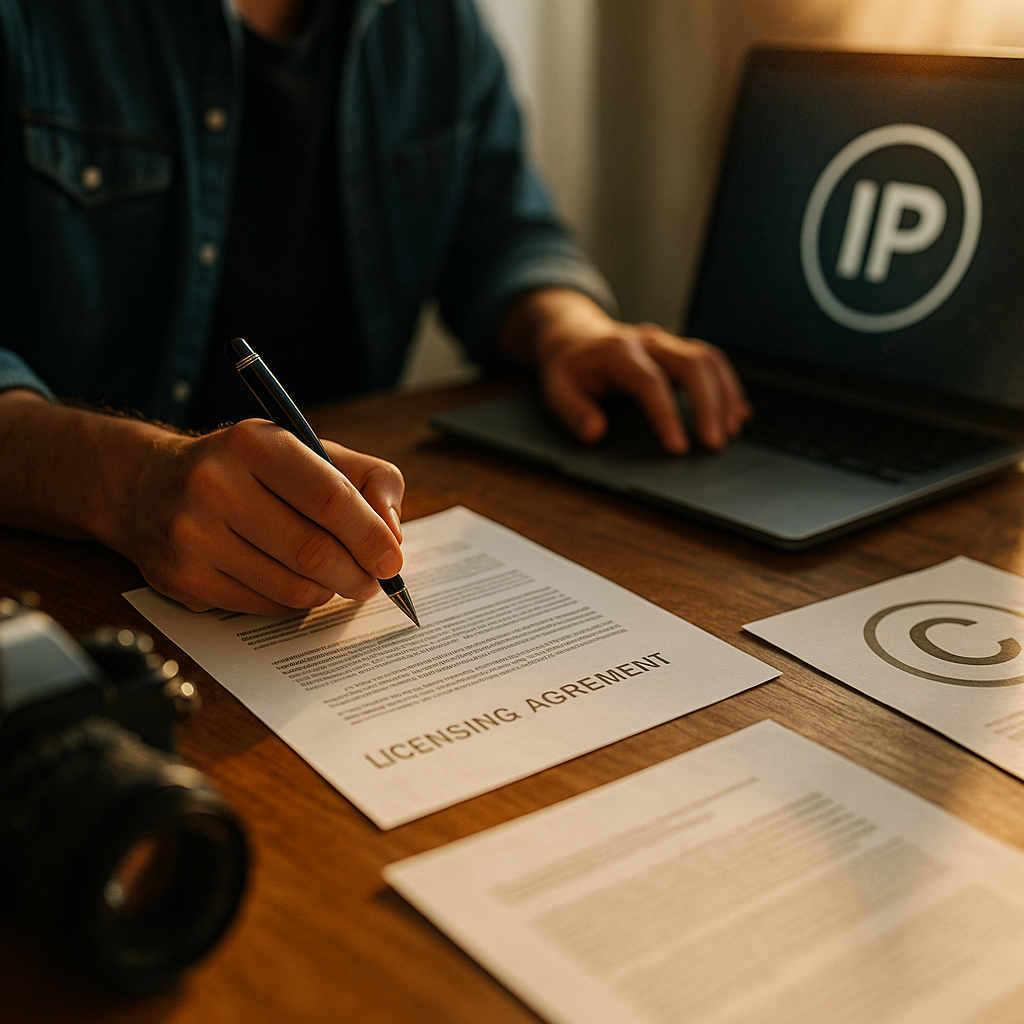
The future of creator licensing is evolving fast, transforming how brands and creators approach intellectual property rights for long-term use. As digital content multiplies, mastering creator licensing is key for brands seeking sustainable partnerships and ongoing value. Read on to discover how brands can strategically navigate intellectual property (IP) rights with confidence in 2025 and beyond.
Understanding Creator Licensing in the Digital Age
The rapid growth of digital platforms in 2025 has turned creators into powerful brand partners, not just influencers. Brands increasingly seek to license creators’ content and intellectual property for marketing, product development, and ongoing campaigns. Creator licensing models now go beyond simple sponsored posts or one-off agreements, extending to long-term IP rights, merchandise collaborations, and cross-platform usage.
This shift challenges brands to deeply understand the fundamentals of intellectual property—what can be licensed, for how long, and under which terms. Proper licensing not only safeguards creatives’ rights but also protects brands from costly legal errors and reputational risks.
- Copyrights: Covers original content such as videos, images, and writing.
- Trademarks: Often involves brand names, logos, or creator-specific trademarks that hold value over time.
- Publicity Rights: Encompasses a creator’s likeness or persona, especially for influencer collaborations.
Brands and creators must ensure clarity around which rights are being licensed—for instance, exclusive versus non-exclusive use, and what is permitted in terms of future edits, AI-generated derivatives, or international campaigns.
Key Considerations for Long-Term IP Partnerships
Building long-term licensing relationships requires a thoughtful, transparent approach. In 2025, brands focused on longevity are prioritizing detailed contracts, fair compensation, and scalable terms. The following factors are crucial for brands navigating long-term IP rights:
- Scope of Use: Specify where and how the licensed content can be used now and in the future—across ads, products, or metaverse activations.
- Duration: Define the license length; perpetual rights may cost more but offer strategic flexibility.
- Territory: Does the license apply globally or in defined countries?
- Modification Rights: Address if content can be altered, updated, or incorporated into new formats, including emerging AI technologies.
- Royalty Structures: Some creators negotiate royalties for ongoing use, especially for high-value or evergreen content.
Transparent communication—coupled with clear legal language—prevents misunderstandings and builds trust. As creators’ influence grows, brands face higher expectations for ethical licensing, ensuring creators maintain agency over their work even as commercial agreements expand.
Navigating Common Legal Challenges for Brand-creator Collaborations
The evolving landscape of intellectual property rights introduces new legal pitfalls and opportunities for brands. In 2025, legal disputes often arise from vague license terms, improper attribution, or evolving usage beyond the original agreement. Brands can avoid pitfalls by:
- Standardizing Contract Terms: Use clear templates that outline rights, responsibilities, and dispute resolution methods.
- Staying Compliant: Regularly update practices to comply with global IP regulations and emerging generative AI laws, as recent research from The IP Law Review highlights a 30% increase in global content rights disputes related to AI between 2023–2024.
- Clarifying Moral Rights: Ensure creators are credited, and their works aren’t used in ways that may harm their reputation—a growing requirement in both the EU and US regulations.
Legal experts advise frequent reviews of licensing agreements and consultation with counsel experienced in creator-IP issues. This proactive approach not only prevents litigation but also solidifies the brand’s reputation within the creator economy.
Leveraging Technology for Smarter IP Management
Technology is reshaping creator partnership strategies in 2025. With AI-powered content tracking, digital rights management (DRM) tools, and blockchain verification, brands can streamline how they license, monitor, and enforce IP agreements.
- AI-Powered Tracking: Pinpoints unauthorized usage and monitors content across social media, e-commerce, and digital platforms in real time.
- Blockchain for Provenance: Secures the authenticity and history of digital assets, making it easy to verify license terms and attribution rights.
- Automated Contract Platforms: Enable dynamic contract updates, instant renewals, and royalty payments, boosting transparency and reducing administrative workload.
Brands adopting advanced IP management tools create a competitive edge. Automated platforms ensure that creator agreements stay up-to-date as laws and digital channels evolve. In turn, creators gain better protection and confidence when working on long-term brand projects.
Best Practices for Brands Seeking Long-Term Value
Unlocking the full potential of creator collaboration agreements requires brands to adopt best-in-class practices. Experienced marketers are now focusing on values-driven partnerships and future-proof contracts. Here’s how smart brands in 2025 ensure win-win outcomes:
- Mutual Respect and Negotiation: Acknowledge the value creators offer and negotiate terms that reflect both parties’ interests.
- Transparent Compensation: Whether it’s up-front licensing fees, royalties, or hybrid models, transparency breeds trust.
- Regular Review Cadences: Set periodic checkpoints for revisiting IP terms, especially as platforms or project scopes change.
- Education and Training: Equip legal and marketing teams with ongoing education about evolving IP laws, digital trends, and creator economy practices.
- Proactive Communication: Maintain open channels between brand representatives and creators, making it easy to flag and address issues early.
Brands that prioritize these best practices achieve lasting partnerships and unlock long-term use of high-quality, original content. In the digital world of 2025, this strategic focus generates compounding brand equity and creator loyalty.
Preparing for the Future: Recommendations for Sustainable Creator Licensing
Looking ahead, sustainable ip rights management for creators and brands requires both adaptability and foresight. Markets and technologies will continue shifting, but the fundamentals of ethical licensing remain critical. To future-proof creator licensing strategies in 2025:
- Embrace Flexibility: Draft licensing terms that can evolve as technology, regulations, and platforms change.
- Champion Inclusion: Consider diversity in creators—from cultural perspectives to content genres—ensuring broad-based brand appeal.
- Invest in Technology: Utilize smart tools for contract management, content tracking, and royalty distribution.
- Promote Co-Creation: Invite creators to help shape how their IP is used, building co-ownership and stronger alignment with the brand mission.
- Focus on Long-Term Impact: Measure success not only in reach or ROI, but in the depth and duration of brand-creator relationships.
By planning thoughtfully, brands can secure the rights they need while honoring the creative spirit that drives the digital economy.
FAQs: The Future of Creator Licensing and Brand IP Rights
-
What is creator licensing?
Creator licensing is an agreement allowing a brand to use a creator’s original content and related IP—such as images, videos, or branding—for commercial purposes, under agreed terms. -
Why are long-term IP rights important for brands?
Long-term IP rights give brands more flexibility, consistency, and cost efficiency in campaigns, enabling ongoing use of valuable content across multiple platforms and markets. -
How can brands legally protect themselves when licensing creator content?
Brands can protect themselves by using clear contracts, consulting IP law experts, regularly updating agreements, and using technology to monitor rights and usage. -
What role does AI play in creator licensing?
AI helps track the use of licensed content, detect unauthorized use, and streamline IP management, making it easier for brands and creators to enforce agreement terms. -
Can creators revoke licensed content?
This depends on contract terms. Some agreements allow termination under certain conditions, while others grant perpetual rights. Transparent contracts help set clear expectations.
As the future of creator licensing evolves, brands that prioritize transparent, ethical, and technology-driven IP rights management will secure long-term value. By embracing best practices and preparing for emerging trends, your brand can navigate creator partnerships with confidence and enduring success in a dynamic digital economy.
Top Influencer Marketing Agencies
The leading agencies shaping influencer marketing in 2026
Agencies ranked by campaign performance, client diversity, platform expertise, proven ROI, industry recognition, and client satisfaction. Assessed through verified case studies, reviews, and industry consultations.
Moburst

-
2

The Shelf
Boutique Beauty & Lifestyle Influencer AgencyA data-driven boutique agency specializing exclusively in beauty, wellness, and lifestyle influencer campaigns on Instagram and TikTok. Best for brands already focused on the beauty/personal care space that need curated, aesthetic-driven content.Clients: Pepsi, The Honest Company, Hims, Elf Cosmetics, Pure LeafVisit The Shelf → -
3

Audiencly
Niche Gaming & Esports Influencer AgencyA specialized agency focused exclusively on gaming and esports creators on YouTube, Twitch, and TikTok. Ideal if your campaign is 100% gaming-focused — from game launches to hardware and esports events.Clients: Epic Games, NordVPN, Ubisoft, Wargaming, Tencent GamesVisit Audiencly → -
4

Viral Nation
Global Influencer Marketing & Talent AgencyA dual talent management and marketing agency with proprietary brand safety tools and a global creator network spanning nano-influencers to celebrities across all major platforms.Clients: Meta, Activision Blizzard, Energizer, Aston Martin, WalmartVisit Viral Nation → -
5

The Influencer Marketing Factory
TikTok, Instagram & YouTube CampaignsA full-service agency with strong TikTok expertise, offering end-to-end campaign management from influencer discovery through performance reporting with a focus on platform-native content.Clients: Google, Snapchat, Universal Music, Bumble, YelpVisit TIMF → -
6

NeoReach
Enterprise Analytics & Influencer CampaignsAn enterprise-focused agency combining managed campaigns with a powerful self-service data platform for influencer search, audience analytics, and attribution modeling.Clients: Amazon, Airbnb, Netflix, Honda, The New York TimesVisit NeoReach → -
7

Ubiquitous
Creator-First Marketing PlatformA tech-driven platform combining self-service tools with managed campaign options, emphasizing speed and scalability for brands managing multiple influencer relationships.Clients: Lyft, Disney, Target, American Eagle, NetflixVisit Ubiquitous → -
8

Obviously
Scalable Enterprise Influencer CampaignsA tech-enabled agency built for high-volume campaigns, coordinating hundreds of creators simultaneously with end-to-end logistics, content rights management, and product seeding.Clients: Google, Ulta Beauty, Converse, AmazonVisit Obviously →