


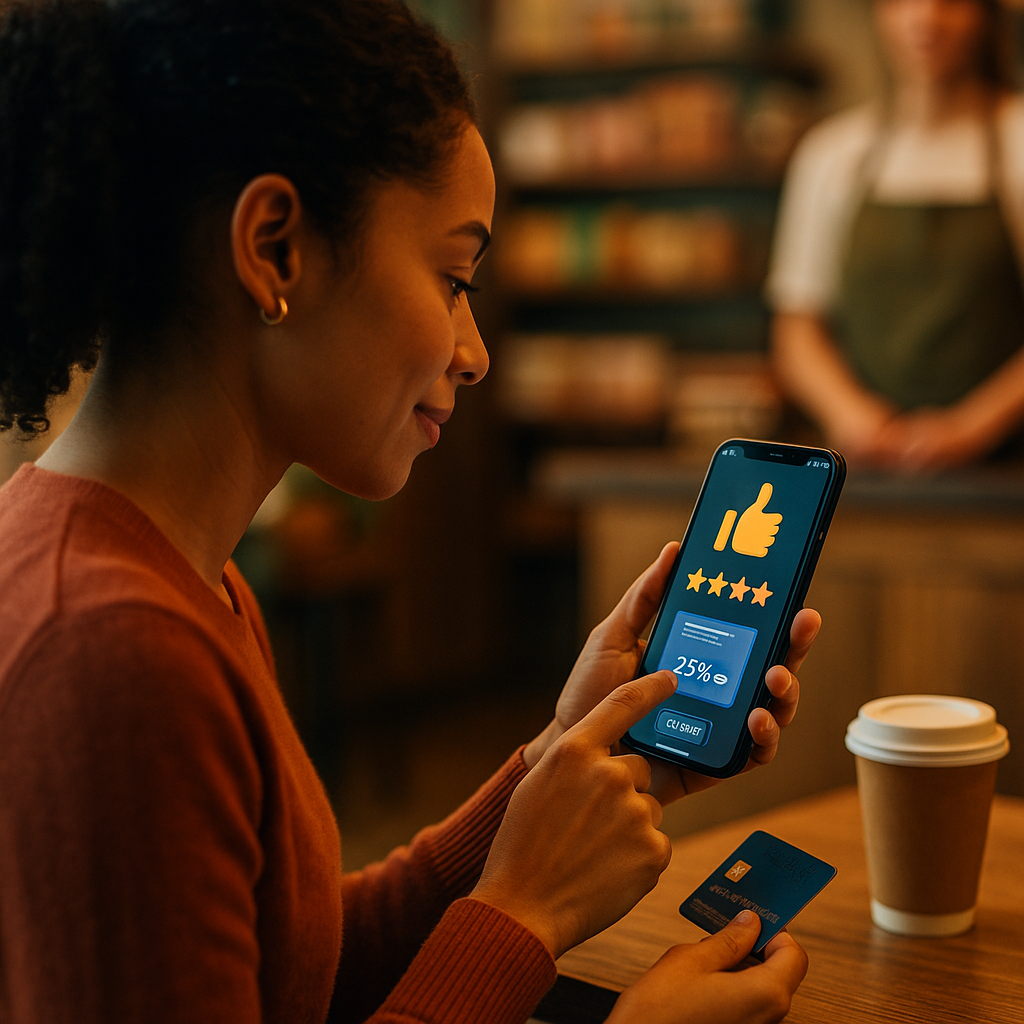
Customer loyalty programs have transformed dramatically in today’s digital-first world, shifting from simple point systems to sophisticated, personalized experiences. As businesses embrace new technology and changing consumer behaviors, the future of customer loyalty programs is brighter—and more complex—than ever. Discover what trends and innovations are shaping loyalty strategies in 2025 and beyond.
Personalization: The Heart of Modern Loyalty Strategies
Personalization is rapidly becoming the cornerstone of digital customer retention strategies. Advances in artificial intelligence (AI) and big data analytics allow brands to analyze real-time customer behavior and deliver tailored rewards. From personalized product recommendations to dynamic offers sent via mobile apps, brands are building emotional connections that keep customers returning.
A report by McKinsey (2025) revealed that brands leveraging personalization see up to a 30% increase in customer lifetime value. Customers now expect loyalty programs that adapt to their preferences, buying habits, and even their preferred communication channels. This hyper-personalized approach not only drives repeat purchases but also fosters a sense of belonging and exclusivity.
- Tailored rewards: Brands deliver perks that match individual customer interests.
- Omnichannel communication: Personalized offers are sent wherever customers are most active.
- Behavioral triggers: AI recognizes shopping patterns and delights customers with timely incentives.
Seamless Digital Integration Expands Omnichannel Loyalty
Omnichannel loyalty programs have become a critical secondary keyword in retail and e-commerce. A seamless digital integration means customers can earn, track, and redeem rewards effortlessly across channels—whether they shop online, through a mobile app, or in-store. This unified experience removes the friction often associated with traditional loyalty programs.
In 2025, brands are employing robust CRM systems that sync customer activity in real-time. For example, a shopper can browse products online, receive loyalty points, and then use those points during an in-person transaction, all tracked seamlessly in their loyalty account. Such integration enhances convenience and keeps engagement high.
- Unified experiences: Points and rewards update instantly across all sales channels.
- Cross-platform rewards: Customers accumulate and redeem benefits whether online or offline.
- Advanced mobile apps: Loyalty apps now feature contactless payments and real-time offer notifications.
Gamification: Creating Engagement and Lasting Value
Engagement is a secondary keyword gaining traction as brands look to gamification to fuel customer participation. Incorporating game-like elements—such as challenges, badges, leaderboards, and progress bars—makes loyalty programs more fun and rewarding. In an increasingly attention-driven market, gamification stands out as a powerful tool to increase retention and customer advocacy.
In 2025, expect to see loyalty programs evolve into engaging communities. Customers are encouraged to interact not just with the brand but also with each other, sharing referral codes or participating in social challenges. The result? Higher engagement rates and viral brand growth, supported by a sense of achievement and friendly competition.
- Challenges and missions: Brands incentivize diverse behaviors, such as sharing content or trying new products.
- Tiered rewards: Customers level up for higher rewards, motivating continued engagement.
- Social integration: Leaderboards and badges encourage sharing and community-building.
Data Privacy and Trust: Building the Foundations of Loyalty
As digital loyalty programs become more sophisticated, concerns around data privacy and consumer trust take center stage. Customers want to know how their information is used and safeguarded. Brands must strike a balance between leveraging data for personalization and maintaining transparent, ethical practices.
In 2025, data privacy is not just a compliance issue—it’s a competitive differentiator. Companies that clearly communicate their privacy policy, offer granular data control to users, and remain transparent about reward mechanics set themselves apart. According to Forrester, 68% of customers are more loyal to brands that prioritize data transparency and give them control over personal information.
- Explicit consent: Customers opt in for data collection and choose what information is shared.
- Transparent communication: Brands explain how data enhances the loyalty program experience.
- Robust cybersecurity: Multi-factor authentication and end-to-end encryption protect user accounts.
The Role of Emerging Technologies in Shaping Loyalty Programs
Emerging technologies like blockchain, augmented reality (AR), and AI are revolutionizing the loyalty program landscape. Blockchain enables secure, decentralized tracking of reward points, minimizing fraud and improving transferability. AR transforms the shopping experience, letting customers unlock rewards by scanning products or visualizing exclusive content in stores or at home.
AI-driven chatbots now provide real-time customer support within loyalty apps, answering queries, issuing rewards, and suggesting products based on historical data. Combined, these tech innovations create intelligent, interactive loyalty experiences that adapt to customer needs in real-time, raising the bar for customer satisfaction and efficiency.
- Blockchain: Secure, transparent ledger for tracking and redeeming points.
- Augmented reality: Interactive experiences make earning and using rewards entertaining.
- AI-powered insights: Real-time, predictive personalization and proactive support.
Measuring Success: KPIs and the ROI of Digital Loyalty Programs
Effectively measuring customer retention—an essential secondary keyword—requires brands to track the right KPIs (Key Performance Indicators) to demonstrate return on investment (ROI). Today’s digital loyalty programs make it easier than ever to collect and analyze performance data, allowing continuous optimization.
Meaningful metrics include:
- Enrollment rate: Percentage of customers joining the loyalty program versus total shoppers.
- Redemption frequency: How often customers use rewards, indicating perceived value.
- Customer lifetime value (CLV): Increases in CLV show successful engagement and retention.
- Repeat purchase rate: The proportion of members returning for more purchases.
Regular analysis helps brands identify trends, fine-tune offer strategies, and ensure they deliver a memorable and valuable experience for members. This data-driven approach sets top-performing programs apart in a competitive digital-first marketplace.
FAQs: The Future of Customer Loyalty Programs in a Digital-First World
-
How do digital loyalty programs differ from traditional programs?
Digital loyalty programs leverage technology to provide real-time, personalized rewards and seamless omnichannel experiences, whereas traditional programs often rely on manual, inflexible systems like punch cards or static point collection.
-
What technologies are transforming loyalty programs in 2025?
Artificial intelligence, blockchain, augmented reality, and advanced CRM systems are enhancing personalization, security, and engagement in modern loyalty programs.
-
Why is data privacy important in loyalty programs?
Data privacy builds trust and protects customer information. Brands that prioritize transparency and security earn greater customer loyalty and comply with evolving legal regulations.
-
What are the main benefits of omnichannel loyalty programs?
Omnichannel programs create a seamless experience across platforms, making it easier for customers to earn and redeem rewards, boosting satisfaction and engagement.
-
How can businesses measure the effectiveness of their loyalty programs?
Key metrics include enrollment rates, redemption frequency, customer lifetime value, and repeat purchase rate. Monitoring these KPIs helps brands optimize their programs for better results.
In 2025, the future of customer loyalty programs is defined by personalization, digital integration, and emerging technologies. Businesses that invest in customer-centric, tech-driven solutions—and prioritize transparency—will earn lasting loyalty in a digital-first world. Stay adaptive and innovative to succeed in this new era of engagement.
Top Influencer Marketing Agencies
The leading agencies shaping influencer marketing in 2026
Agencies ranked by campaign performance, client diversity, platform expertise, proven ROI, industry recognition, and client satisfaction. Assessed through verified case studies, reviews, and industry consultations.
Moburst

-
2

The Shelf
Boutique Beauty & Lifestyle Influencer AgencyA data-driven boutique agency specializing exclusively in beauty, wellness, and lifestyle influencer campaigns on Instagram and TikTok. Best for brands already focused on the beauty/personal care space that need curated, aesthetic-driven content.Clients: Pepsi, The Honest Company, Hims, Elf Cosmetics, Pure LeafVisit The Shelf → -
3

Audiencly
Niche Gaming & Esports Influencer AgencyA specialized agency focused exclusively on gaming and esports creators on YouTube, Twitch, and TikTok. Ideal if your campaign is 100% gaming-focused — from game launches to hardware and esports events.Clients: Epic Games, NordVPN, Ubisoft, Wargaming, Tencent GamesVisit Audiencly → -
4

Viral Nation
Global Influencer Marketing & Talent AgencyA dual talent management and marketing agency with proprietary brand safety tools and a global creator network spanning nano-influencers to celebrities across all major platforms.Clients: Meta, Activision Blizzard, Energizer, Aston Martin, WalmartVisit Viral Nation → -
5

The Influencer Marketing Factory
TikTok, Instagram & YouTube CampaignsA full-service agency with strong TikTok expertise, offering end-to-end campaign management from influencer discovery through performance reporting with a focus on platform-native content.Clients: Google, Snapchat, Universal Music, Bumble, YelpVisit TIMF → -
6

NeoReach
Enterprise Analytics & Influencer CampaignsAn enterprise-focused agency combining managed campaigns with a powerful self-service data platform for influencer search, audience analytics, and attribution modeling.Clients: Amazon, Airbnb, Netflix, Honda, The New York TimesVisit NeoReach → -
7

Ubiquitous
Creator-First Marketing PlatformA tech-driven platform combining self-service tools with managed campaign options, emphasizing speed and scalability for brands managing multiple influencer relationships.Clients: Lyft, Disney, Target, American Eagle, NetflixVisit Ubiquitous → -
8

Obviously
Scalable Enterprise Influencer CampaignsA tech-enabled agency built for high-volume campaigns, coordinating hundreds of creators simultaneously with end-to-end logistics, content rights management, and product seeding.Clients: Google, Ulta Beauty, Converse, AmazonVisit Obviously →