


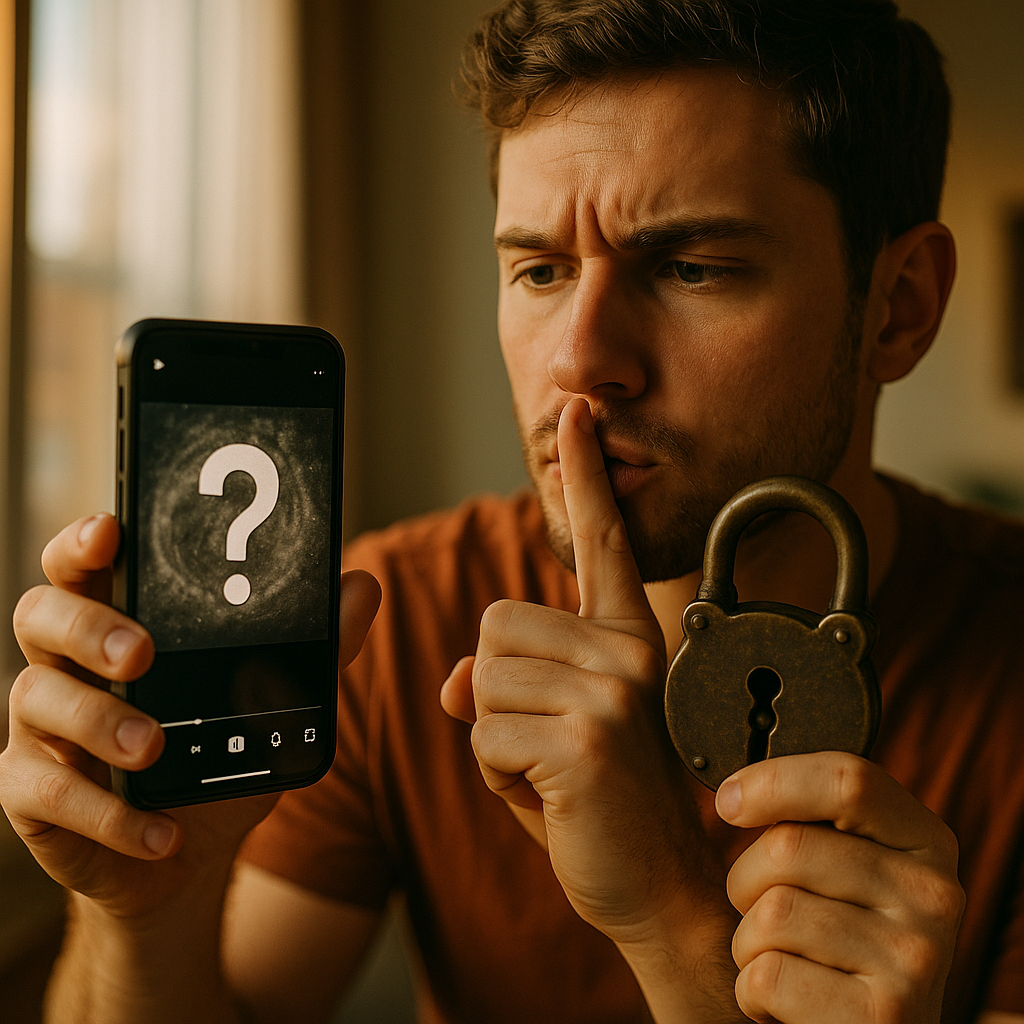
The “Gatekeeping” phenomenon on the internet is capturing widespread attention as viral secrets become the currency of digital popularity. What compels people to keep tips, locations, or trends under wraps, and why do these mysteries spread so quickly? Exploring this behavior reveals how social incentives and psychology fuel the viral success of secrets. Read on for the fascinating reasons behind this trend.
Understanding Gatekeeping Culture Online
The concept of “gatekeeping” has evolved in the digital age, becoming a buzzword across social media platforms. Gatekeeping refers to the act of deliberately withholding information—be it a travel destination, a beauty routine, or a trendy product—from others, often to maintain a sense of exclusivity. According to a 2024 Pew Research Center survey, over 45% of Gen Z social media users admitted to intentionally keeping recommendations private online.
Digital gatekeeping often manifests through cryptic comments like “DM for details” or purposely blurred photo backgrounds. This practice isn’t limited to obscure online niches; it permeates everything from viral TikTok hacks to community Facebook groups. By examining its rise, we see that gatekeeping serves both personal and social purposes, distinguishing insiders from outsiders.
The Psychology of Viral Secrets: Why We Keep & Share
Why are people compelled to withhold—or sometimes tantalizingly leak—information? The psychology of viral secrets is layered. Human beings crave belonging and status, and possessing ‘insider’ knowledge provides a sense of both. Dr. Carla Jenkins, a digital psychologist at Stanford, notes, “The act of holding a secret in the age of oversharing becomes a subtle power play.”
Furthermore, secrets trigger curiosity. Studies published in 2023 suggest that when information is withheld, engagement rises, with posts exhibiting gatekeeping behaviors averaging a 27% higher comment rate on Instagram. Followers naturally want to solve the mystery, leading to virality. This curiosity gap compels audiences to save, share, and interact with posts, all core signals for algorithmic amplification.
Influencer Incentives and the Currency of Exclusivity
For social media influencers and brands, exclusivity is a strategic tool. Gatekeeping creates an air of allure around products, places, or hacks. When “influencer-only” information leaks, it feels like accessing a private club’s secrets. Data from SocialBlade in early 2025 highlights that posts labeled as “for close friends only” are 38% more likely to go viral than openly shared tips.
This exclusivity holds marketing value. Influencers who share selectively foster loyal communities who trust their judgment. Limited reveals can build hype before broader launches. For brands, partnering with creators who wield gatekeeping techniques means harnessing both word-of-mouth and viral intrigue, driving organic searches and sales growth.
The Social Costs and Backlash of Gatekeeping
While gatekeeping can drive engagement, it generates controversy and pushback. As viral secrets draw crowds, the original allure often diminishes. Communities sometimes resent seeing their ‘hidden’ gems—restaurants, locations, or trends—become overcrowded or commercialized.
Recent examples abound. The “secret” beach on Portugal’s Algarve coast was flooded with tourists after going viral in early 2025, prompting local backlash. Online, creators are called out for “gatekeeping” when they refuse to share details, sparking heated debate in comment sections. While exclusivity can foster close-knit groups, it can alienate broader audiences and create divisions.
Navigating the Ethics and Responsibility of Sharing
The gatekeeping phenomenon raises important ethical questions. When does withholding information protect valuable resources or community interests, and when does it simply stoke unnecessary hype? Social media experts at the 2025 WebCulture Conference emphasized transparency and contextual sharing as best practices.
- Consider impact: Will sharing cause overcrowding, environmental harm, or gentrification?
- Be transparent: Clarify why certain information is withheld. Address curiosity, but maintain boundaries if needed.
- Cultivate community: Share knowledge thoughtfully to foster inclusivity and trust within digital spaces.
Recognizing the responsibility that comes with influence helps balance virality with stewardship. Ultimately, conscious sharing empowers both creators and communities to benefit from, rather than be harmed by, viral secrets.
How Brands and Communities Can Harness Gatekeeping Constructively
Gatekeeping, when managed thoughtfully, can be an asset for brands, causes, and communities. Rather than manipulating audiences, brands can leverage exclusivity through reward programs, behind-the-scenes content, or early access promotions that genuinely add value.
For local communities, selective sharing can help manage tourism or protect beloved resources. Organizations now develop guidelines for responsible digital sharing. In 2025, the International Association for Digital Communities published best practices, emphasizing consent and consultation with local stakeholders before revealing sensitive information online.
Constructive gatekeeping aligns with the broader trend toward digital authenticity and ethical influence, ensuring secrets can still go viral—without negative fallout.
Conclusion: The Lasting Impact of the Gatekeeping Phenomenon
The gatekeeping phenomenon reveals how secrets and exclusivity fuel digital virality and shape online behavior. By understanding its psychology and impact, both creators and audiences can engage more ethically and thoughtfully. The balance between sharing and withholding information can build better digital communities—and smarter, more responsible virality.
FAQs about the Gatekeeping Phenomenon and Viral Secrets
-
What is gatekeeping in social media?
Gatekeeping is the act of selectively withholding information—such as tips, locations, or resources—on social platforms to create exclusivity or maintain control over a trend or community. -
Why do secrets go viral online?
Secrets trigger curiosity and engagement. When information is concealed, audiences become more likely to comment, share, and interact, increasing the likelihood of a post or trend going viral. -
Is gatekeeping good or bad for communities?
Gatekeeping can be positive when used to protect resources or cultural heritage. However, it may also foster exclusion or backlash if seen as elitist or manipulative. -
How can brands use gatekeeping positively?
Brands can harness exclusivity by offering early access, members-only content, or behind-the-scenes insights, creating a sense of belonging and loyalty without alienating broader audiences. -
What are the ethical considerations with gatekeeping?
Ethical gatekeeping involves considering the wider impact of sharing information, being transparent about motives, and striving for inclusivity and responsible digital stewardship.