


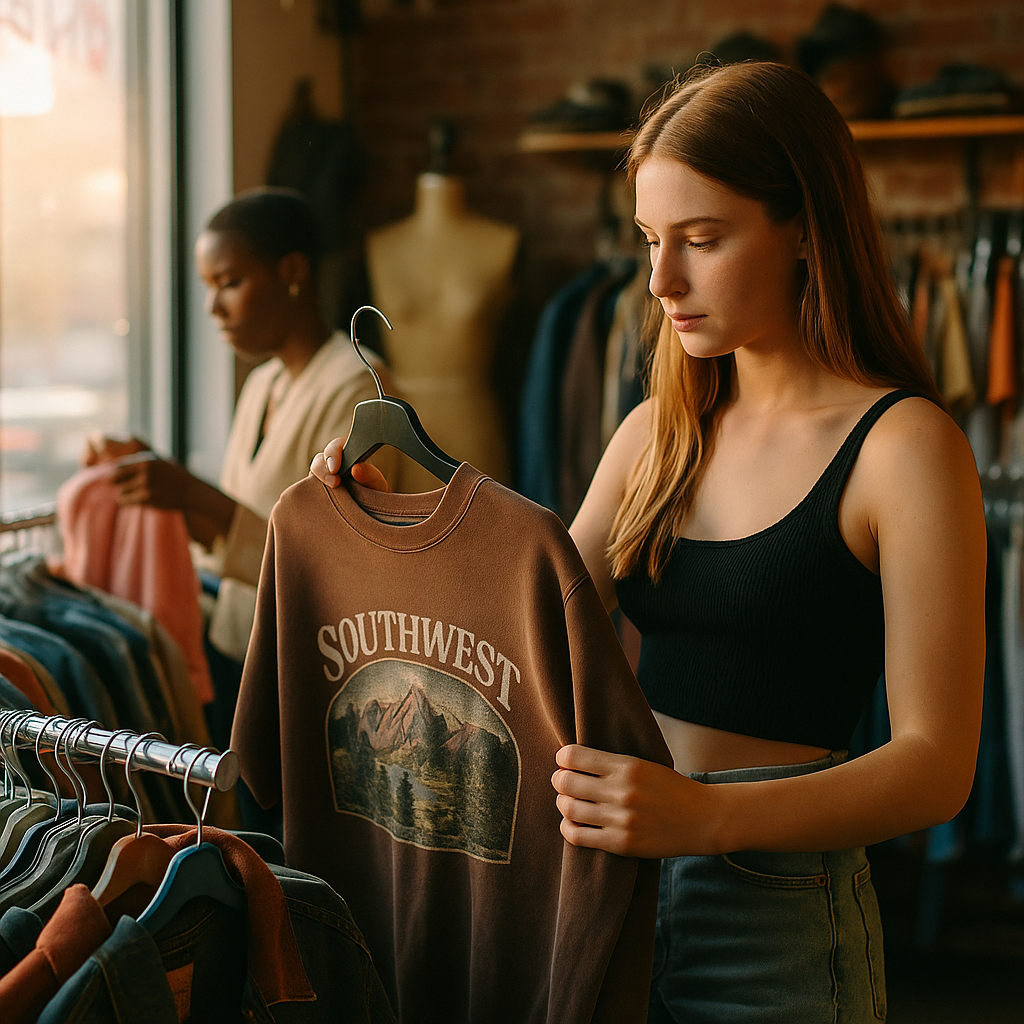
The gentrification of thrift flipping content has sparked crucial debate in the online resale world. As more influencers and creators carve careers by “flipping” thrift store finds, questions about ethics, access, and sustainability are on the rise. What’s driving this trend—and is it truly helping, or hurting, local thrift ecosystems?
Understanding Thrift Flipping: From Hobby to Mainstream Resale
Thrift flipping, the practice of buying secondhand goods at low prices and reselling them for profit, has existed for decades. In recent years, social media platforms—especially TikTok, Instagram, and YouTube—have transformed this once-niche hobby into a mainstream phenomenon. Influencers now post thrift flipping content showing before-and-after transformations, DIY upcycles, and pricing breakdowns to millions of viewers.
According to a 2025 report from the National Association of Resale Professionals, online thrift flipping has grown 38% in the past two years. Digital visibility sparks both inspiration and controversy. While some see this as a way to encourage sustainable fashion and entrepreneurship, others argue it undermines the affordability and accessibility of thrift stores for lower-income shoppers.
The Gentrification of Thrifting: Impact on Local Communities
The gentrification of thrift flipping content refers to the process where the influencer-driven resale craze raises prices, limits access, and reshapes the cultural landscape of secondhand shopping. As algorithms favor viral success, thrift stores experience increased demand for specific trends, leading to inflation of price tags and shrinking inventories for locals.
Experts warn that gentrification of thrifting can push vulnerable shoppers out of thrift stores. What was once a lifeline for affordable goods is now part of a “curated” online market, driven by content creators seeking higher profits. Local communities may lose out as the most desirable items are snapped up for online resale, often at steep markups.
Ethical and Sustainable Resale: Navigating the New Thrift Economy
For creators and consumers, ethical considerations are rising to the fore. Many are asking: How can thrift flipping remain sustainable and socially responsible?
- Consider sourcing limits: Ethical resellers often self-impose purchase caps or avoid clearing out high-demand sections like plus sizes or children’s clothing.
- Transparency matters: Responsible influencers disclose their sourcing practices, pricing strategies, and any donations or community initiatives.
- Amplify knowledge: The best thrift flippers educate viewers about mindful consumption, community impact, and circular fashion, rather than promoting overconsumption.
Recent surveys from 2025 indicate a shift: more followers support thrift content that explicitly acknowledges equity concerns and advocates for local community support.
Monetization and the Influence of Social Media Algorithms
Social media platforms reward thrift flipping content that’s entertaining and aspirational. Viral thrift hauls, extreme markups, and “luxury finds” rack up views, incentivizing creators to post more—and source more aggressively. This content-driven economy fundamentally shapes the thrift landscape both online and offline.
The monetization of thrift flipping has led to the rise of professionalized resellers and even teams of “pickers.” Apps like Depop, Poshmark, and Vinted have streamlined the resale pipeline but also make it easier for outsiders to enter local thrifting circuits, putting additional pressure on inventory and prices.
It’s vital for viewers to ask: Are their favorite creators balancing entertainment with education? Do they spotlight small businesses or give back to communities that supply their wares? These questions matter for building an ethically healthy resale economy.
Solutions and Future Trends: Can Thrift Flipping Be Regenerative?
The future of thrift flipping content lies in balancing profit with purpose. According to resale industry analysts in 2025, regenerative approaches may include:
- Partnering with local charities: Creators can co-host events or fundraisers that benefit the communities where they source inventory.
- Educational content: Platforms favoring deeper dives into repair skills, upcycling, and extending the lifespan of clothing—rather than “haul culture”—help build sustainable habits.
- Accessible pricing strategies: Promoting “pay-what-you-can” sales or sliding scales in online shops where possible.
- Transparency in profit margins: Showing the breakdown between sourcing costs, labor, and final sale prices educates buyers and builds trust.
Industry stakeholders and thought leaders increasingly stress collaboration rather than extraction, using platforms to support—not siphon from—local thrift networks. The evolution of thrift flipping content could set a precedent for other influencer-driven trends in the sharing economy.
The Role of the Viewer: Critical Consumption in a Gentrified Content Era
For viewers and followers, critical media literacy is more important than ever. Consumers wield power with their attention and purchasing choices. Supporting creators who prioritize ethics and transparency can shift the ecosystem toward equitable, sustainable outcomes.
- Follow intentional resellers: Seek out creators who give back, educate, and act responsibly in how they source and sell.
- Engage thoughtfully: Ask questions about sourcing, labor, and local impact in comments and communities.
- Support local thrift shops directly: Whenever possible, shop in person or donate to organizations in your area.
As the gentrification of thrift flipping content continues to evolve, every stakeholder—from creators to consumers—has a part to play in shaping a more inclusive and sustainable thrift culture.
Frequently Asked Questions
-
What is thrift flipping content?
Thrift flipping content showcases the process of purchasing secondhand goods, often from thrift stores, and reselling them for profit—frequently with creative upcycling or styling showcased on social media platforms.
-
How does thrift flipping contribute to gentrification?
The popularity of thrift flipping can drive up prices in thrift stores, reduce availability for local shoppers needing affordable goods, and prioritize trends over community access.
-
Is thrift flipping sustainable?
Thrift flipping can be sustainable if practiced thoughtfully, with attention to sourcing limits, community impact, and mindful consumption. Over-exploitation, however, undermines both social and environmental goals.
-
What can viewers do to support ethical thrift flipping?
Viewers can support ethical thrift flippers by choosing creators who are transparent, give back to communities, promote sustainable habits, and encourage local thrift shopping.
-
Will thrift flipping remain popular?
Industry trends suggest thrift flipping will continue to evolve, with greater emphasis on transparency, equity, and sustainability to meet the expectations of an increasingly informed audience.
The gentrification of thrift flipping content is reshaping both resale culture and thrift accessibility. By questioning sourcing practices, supporting ethical creators, and fostering local connections, everyone can help steer this trend toward a future rooted in inclusion and responsibility. The choices made today will define the thrift ecosystem of tomorrow.
Top Influencer Marketing Agencies
The leading agencies shaping influencer marketing in 2026
Agencies ranked by campaign performance, client diversity, platform expertise, proven ROI, industry recognition, and client satisfaction. Assessed through verified case studies, reviews, and industry consultations.
Moburst

-
2

The Shelf
Boutique Beauty & Lifestyle Influencer AgencyA data-driven boutique agency specializing exclusively in beauty, wellness, and lifestyle influencer campaigns on Instagram and TikTok. Best for brands already focused on the beauty/personal care space that need curated, aesthetic-driven content.Clients: Pepsi, The Honest Company, Hims, Elf Cosmetics, Pure LeafVisit The Shelf → -
3

Audiencly
Niche Gaming & Esports Influencer AgencyA specialized agency focused exclusively on gaming and esports creators on YouTube, Twitch, and TikTok. Ideal if your campaign is 100% gaming-focused — from game launches to hardware and esports events.Clients: Epic Games, NordVPN, Ubisoft, Wargaming, Tencent GamesVisit Audiencly → -
4

Viral Nation
Global Influencer Marketing & Talent AgencyA dual talent management and marketing agency with proprietary brand safety tools and a global creator network spanning nano-influencers to celebrities across all major platforms.Clients: Meta, Activision Blizzard, Energizer, Aston Martin, WalmartVisit Viral Nation → -
5

The Influencer Marketing Factory
TikTok, Instagram & YouTube CampaignsA full-service agency with strong TikTok expertise, offering end-to-end campaign management from influencer discovery through performance reporting with a focus on platform-native content.Clients: Google, Snapchat, Universal Music, Bumble, YelpVisit TIMF → -
6

NeoReach
Enterprise Analytics & Influencer CampaignsAn enterprise-focused agency combining managed campaigns with a powerful self-service data platform for influencer search, audience analytics, and attribution modeling.Clients: Amazon, Airbnb, Netflix, Honda, The New York TimesVisit NeoReach → -
7

Ubiquitous
Creator-First Marketing PlatformA tech-driven platform combining self-service tools with managed campaign options, emphasizing speed and scalability for brands managing multiple influencer relationships.Clients: Lyft, Disney, Target, American Eagle, NetflixVisit Ubiquitous → -
8

Obviously
Scalable Enterprise Influencer CampaignsA tech-enabled agency built for high-volume campaigns, coordinating hundreds of creators simultaneously with end-to-end logistics, content rights management, and product seeding.Clients: Google, Ulta Beauty, Converse, AmazonVisit Obviously →