


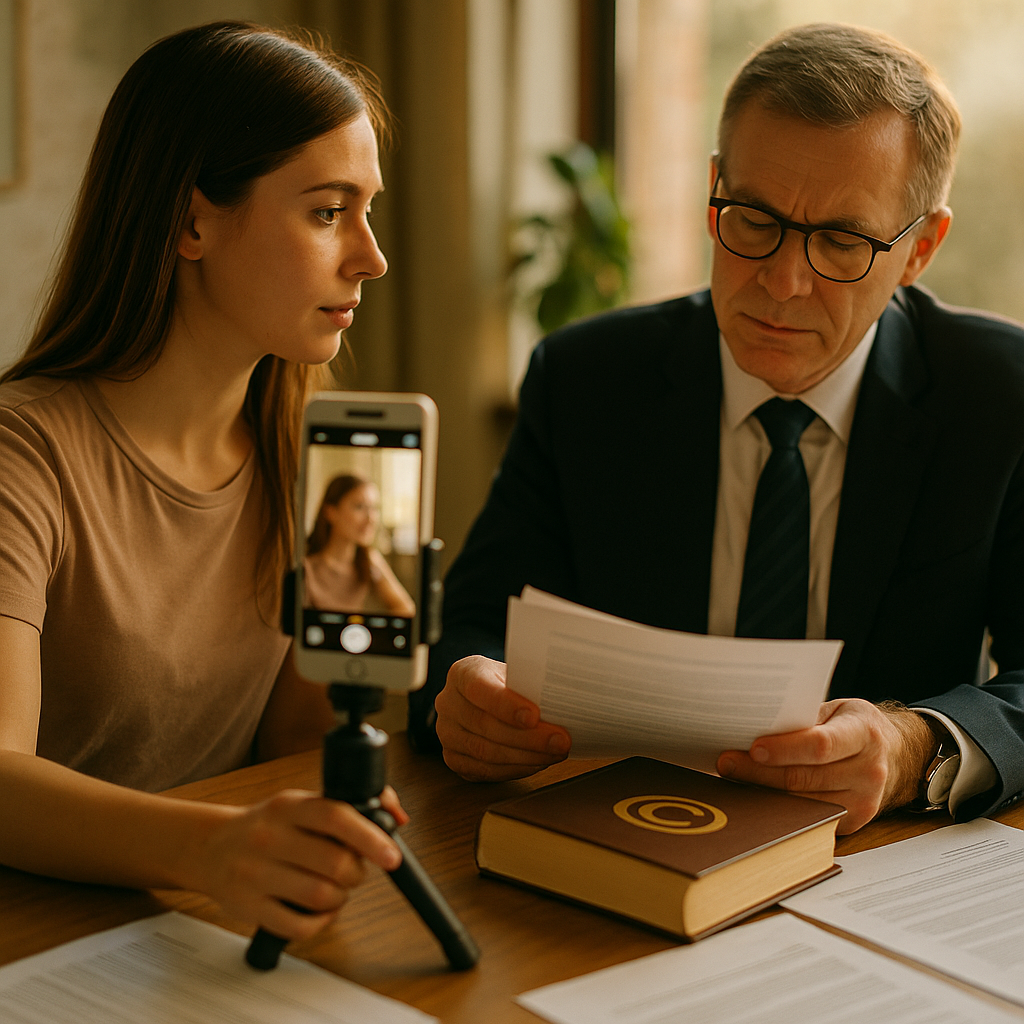
Intellectual property rights in influencer-generated content are becoming increasingly important as creators and brands collaborate online. Understanding who owns the rights, and how to protect and monetize this content, is vital in today’s digital marketing landscape. As the influencer economy grows in 2025, what do brands, influencers, and agencies need to know to safeguard their creative assets?
The Basics: What are Intellectual Property Rights in Influencer Content?
Intellectual property rights refer to the legal protections given to creations of the mind, such as photos, videos, music, and written posts. In influencer marketing, these rights typically fall under copyright law. When influencers create original content—be it Instagram posts, TikToks, or blogs—they usually own the copyright as the content creators, unless a contract says otherwise. Understanding these legal foundations is crucial for both influencers and brands to avoid disputes and ensure everyone’s interests are protected.
Who Owns Influencer-Generated Content? Rights and Responsibilities
Ownership of influencer-generated content hinges on agreements and platforms’ terms of service. By default, influencers retain copyright to their work, allowing them to control its use. However, brand partnership contracts or creative briefs often include clauses that transfer or license these rights for specific purposes or timeframes.
- Exclusive License: The brand alone can use the content, typically in predetermined ways.
- Non-Exclusive License: Both brand and influencer can use the content concurrently.
- Work for Hire: The brand owns full copyright from the outset.
Clarity from the start avoids conflict later. In 2025, most agencies recommend explicit written agreements to lay out these details, preserving trust and ROI in collaborative campaigns.
Permission, Plagiarism, and Platform Rules: Navigating Content Use
Respecting intellectual property means being vigilant about permissions and adhering to platform-specific rules. Influencers must obtain rights for any third-party assets (music, images) used in their posts. Plagiarism or unauthorized use opens up legal risks, while platforms like Instagram or YouTube may remove content and suspend accounts for copyright violations.
Additionally, algorithms increasingly scan for duplicate or infringing material, making it more important than ever to generate and license only original or authorized content. Understanding platform policies protects both creators and brands from takedowns and damage to reputation.
Leveraging Intellectual Property: Monetizing and Licensing Influencer Content
When handled properly, intellectual property rights enable influencers and brands to turn content into valuable assets. In 2025, brands often negotiate broad usage rights, allowing them to repurpose influencer content across ads, websites, or merchandising. Influencers can benefit by:
- Charging higher rates for extended usage rights
- Retaining copyright to monetize content across different platforms
- Building passive income through licensing or royalty agreements
That said, clear documentation ensures all parties are compensated fairly, while preventing unauthorized use or conflicting licensing deals.
Handling Disputes: Best Practices and Emerging Legal Trends in 2025
When disputes arise—be it over unauthorized reshares, unpaid royalties, or viral content—resolution often depends on clear contracts and swift communication. Best practices in 2025 include:
- Establishing precise ownership and usage terms upfront
- Maintaining digital records of content creation and agreement
- Consulting intellectual property attorneys for complex deals
- Using emerging technologies like blockchain to track content provenance
More cases are now mediated rather than litigated, saving time and protecting brand reputation. Staying proactive with legal updates and transparent agreements reduces risk and encourages innovation.
The Global Perspective: Cross-Border Rights in Influencer Marketing
Influencer marketing is inherently global, raising questions about intellectual property rights across jurisdictions. Laws differ around the world regarding fair use, copyright duration, and enforcement. Both brands and influencers must:
- Clarify licensed territories in contracts
- Understand data privacy and copyright regulations in each country where content is published or used
- Leverage international treaties for copyright protection, such as the Berne Convention
Staying informed about these nuances ensures campaigns run smoothly in multiple markets, avoiding costly legal mistakes and maximizing content value globally.
In summary, understanding intellectual property rights in influencer-generated content empowers creators and brands to collaborate successfully, unlock new revenue, and protect their creative assets in today’s competitive digital space. Clear agreements, ongoing education, and a proactive approach remain essential takeaways for the influencer economy in 2025.
FAQs About Intellectual Property Rights In Influencer-Generated Content
-
Who owns the copyright to influencer-generated content?
By default, the influencer who creates the original content owns the copyright, unless it is transferred by contract or agreement to the brand or agency. -
Can a brand use influencer content across all marketing channels?
Only if the contract provides these rights. Brands must negotiate usage rights—such as digital, print, or merchandising—before repurposing content beyond its original scope. -
What happens if an influencer uses third-party material without permission?
Unauthorized use may result in takedowns, loss of monetization, account suspension, or even legal action from original rights holders. Always secure licenses for third-party assets. -
How can influencers protect their intellectual property?
Registering copyrights, watermarking images, specifying terms in contracts, and monitoring content use online are all effective ways to protect original works. -
Are intellectual property laws the same worldwide?
No. Laws differ by country. International treaties like the Berne Convention help, but always consult a legal expert for cross-border campaigns or disputes.
Top Influencer Marketing Agencies
The leading agencies shaping influencer marketing in 2026
Agencies ranked by campaign performance, client diversity, platform expertise, proven ROI, industry recognition, and client satisfaction. Assessed through verified case studies, reviews, and industry consultations.
Moburst

-
2

The Shelf
Boutique Beauty & Lifestyle Influencer AgencyA data-driven boutique agency specializing exclusively in beauty, wellness, and lifestyle influencer campaigns on Instagram and TikTok. Best for brands already focused on the beauty/personal care space that need curated, aesthetic-driven content.Clients: Pepsi, The Honest Company, Hims, Elf Cosmetics, Pure LeafVisit The Shelf → -
3

Audiencly
Niche Gaming & Esports Influencer AgencyA specialized agency focused exclusively on gaming and esports creators on YouTube, Twitch, and TikTok. Ideal if your campaign is 100% gaming-focused — from game launches to hardware and esports events.Clients: Epic Games, NordVPN, Ubisoft, Wargaming, Tencent GamesVisit Audiencly → -
4

Viral Nation
Global Influencer Marketing & Talent AgencyA dual talent management and marketing agency with proprietary brand safety tools and a global creator network spanning nano-influencers to celebrities across all major platforms.Clients: Meta, Activision Blizzard, Energizer, Aston Martin, WalmartVisit Viral Nation → -
5

The Influencer Marketing Factory
TikTok, Instagram & YouTube CampaignsA full-service agency with strong TikTok expertise, offering end-to-end campaign management from influencer discovery through performance reporting with a focus on platform-native content.Clients: Google, Snapchat, Universal Music, Bumble, YelpVisit TIMF → -
6

NeoReach
Enterprise Analytics & Influencer CampaignsAn enterprise-focused agency combining managed campaigns with a powerful self-service data platform for influencer search, audience analytics, and attribution modeling.Clients: Amazon, Airbnb, Netflix, Honda, The New York TimesVisit NeoReach → -
7

Ubiquitous
Creator-First Marketing PlatformA tech-driven platform combining self-service tools with managed campaign options, emphasizing speed and scalability for brands managing multiple influencer relationships.Clients: Lyft, Disney, Target, American Eagle, NetflixVisit Ubiquitous → -
8

Obviously
Scalable Enterprise Influencer CampaignsA tech-enabled agency built for high-volume campaigns, coordinating hundreds of creators simultaneously with end-to-end logistics, content rights management, and product seeding.Clients: Google, Ulta Beauty, Converse, AmazonVisit Obviously →