


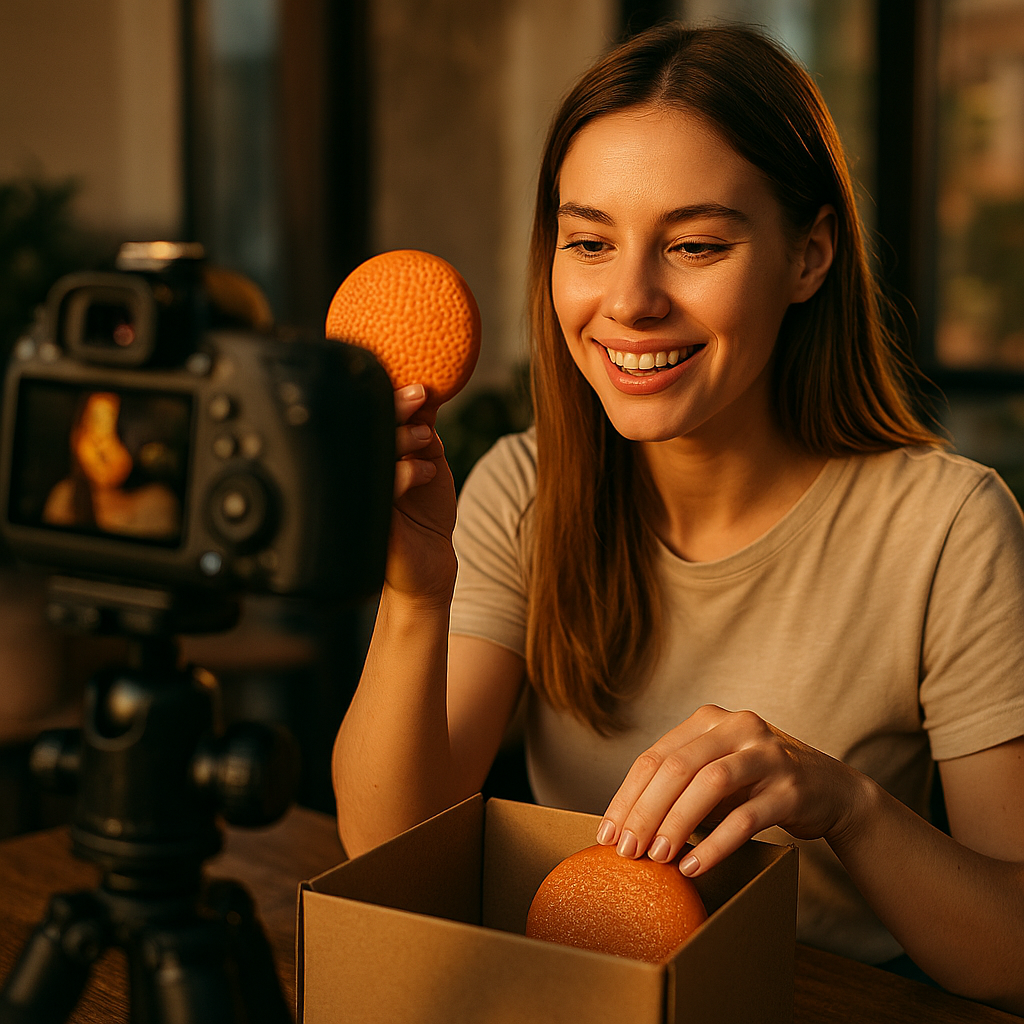
As digital experiences become increasingly immersive, brands are seeking new ways to engage audiences beyond visuals and sound. The future of haptic marketing—integrating touch and feel into influencer content—is poised to transform how consumers interact with products online. Discover how this emerging trend is already reshaping influencer campaigns and what it means for the next wave of marketing innovation.
Understanding Haptic Technology in Influencer Marketing
Haptic marketing harnesses tactile sensations to bridge the gap between virtual content and real-world experiences. In influencer marketing, this means enabling followers to “feel” a product through specialized wearable devices or smartphone integrations during branded content. By engaging the sense of touch, influencers boost emotional connection, fostering stronger brand loyalty and improved recall.
The core technology—piezoelectric actuators, advanced vibration motors, and even temperature control—delivers nuanced sensations matching digital events. For example, a beauty influencer’s skincare routine video in 2025 may sync with a viewer’s haptic wristband to simulate product texture or temperature, making product demonstrations more tangible and memorable.
According to a 2025 Statista survey, 37% of consumers say tactile feedback in marketing increases their likelihood of purchasing, with 58% expressing higher engagement with brands utilizing haptic integration in digital content. These numbers underscore the growing appetite for sensory-rich experiences.
The Role of Sensory Engagement in Content Strategy
Sensory engagement is redefining influencer content strategy. Brands who collaborate with creators to include haptic elements move beyond passive viewing. Instead, followers actively participate, feeling the difference between smooth silk in a fashion haul or crisp crust in a food review. This immersive experience boosts authenticity and trust.
Audience expectations have evolved. In an age where attention spans continue to shrink, influencers leveraging haptic feedback can create standout, multisensory content that sustains interest. An MIT Media Lab report in 2025 revealed that retention rates increase by up to 35% when audiences consume haptic-enhanced influencer posts versus traditional video content. This offers brands a clear competitive edge: genuine connection through richer, interactive storytelling.
Technological Advances Powering Haptic Influencer Campaigns
The integration of touch in digital campaigns is made possible by a suite of technological evolutions. Next-gen smartphones now come equipped with advanced haptic engines, and wearable devices such as smart bands or gloves are more accessible than ever. Influencers receive brand-sponsored kits that enable followers with compatible tech to join shared sensory experiences—like feeling the snap of a makeup applicator or the fizz of a carbonated drink.
AR and VR platforms are also pivotal. Platforms such as MetaQuest and HoloTouch allow influencers to create haptic-enabled tutorials and product walkthroughs, seamlessly synchronizing tactile effects with visuals. Using AI, these technologies customize haptic feedback based on user preferences or accessibility needs, ensuring inclusivity in marketing campaigns.
- Accessibility: Haptic features enhance experiences for visually-impaired users, expanding a brand’s reach.
- Real-time interaction: Influencers can respond to in-app reactions with tactile cues, further personalizing content.
- Data-driven optimization: Brands monitor feedback and adjust haptic campaigns for maximum engagement and conversion.
Influencer Partnerships and Brand Authenticity
Collaboration between brands and influencers is evolving. Brands now seek partners who not only embody their ethos but also understand the value of multisensory storytelling. Influencers who authentically convey tactile product attributes set new standards for transparency and honesty in endorsements.
Micro-influencers—often perceived as more relatable—excel at leveraging haptic marketing to narrate genuine, everyday experiences. A TikTok review of a sustainable sneaker with haptic-encoded “step feel” feedback allows followers to experience its comfort virtually, closing the credibility gap between influencer claims and consumer expectations.
To maintain trust, brands are investing in clear messaging about the role and limitations of haptic simulation. This transparency aligns with Google’s EEAT (Experience, Expertise, Authoritativeness, and Trustworthiness) guidelines, ensuring consumers feel informed and empowered—key to long-term brand advocacy in an ever-more connected world.
Measuring Success: Analytics and ROI in Haptic Marketing
As with any emerging marketing channel, measuring the impact of haptic influencer campaigns is essential. Brands utilize advanced analytics platforms to track metrics such as tactile engagement time, conversion rates from haptic-enabled posts, and qualitative feedback on sensory experiences. AI-driven dashboards offer real-time insights, enabling rapid campaign optimization.
Recent benchmarks show that campaigns incorporating tactile experiences achieve an average 45% higher click-through rate and a 28% boost in direct sales compared to non-haptic content. Additionally, user sentiment data suggests that consumers who engage through touch report a 60% increase in brand favorability.
- Track direct interaction (vibration, squeeze, temperature change durations)
- Monitor secondary actions (sharing, saving, rewatching content)
- Collect post-campaign surveys for qualitative sensory feedback
- Calculate uplift in both engagement and sales funnel progression
These analytics not only prove ROI but also guide iterative campaign improvements, ensuring ongoing relevance and innovation within influencer partnerships.
Challenges and Ethical Considerations in Haptic Influencer Content
While the future of haptic marketing is promising, brands and influencers face challenges. Not all consumers have access to haptic-enabled devices, potentially limiting campaign reach. Privacy and data security also rise in importance; as haptic feedback interacts closely with users’ daily lives, safeguarding sensory data is paramount.
There are ethical considerations in simulating touch. Overpromising a sensation that differs from the actual physical product risks brand reputation. Maintaining clear disclosures about the nature and limits of haptic effects is essential for preserving EEAT standards and consumer trust in influencer recommendations.
Creators must also balance novelty and authenticity. Excessive haptic use can feel gimmicky, undermining the natural flow of influencer storytelling. Best practice involves a thoughtful blend, enhancing—not distracting from—the core message and honesty of the content.
FAQs on Haptic Marketing Integration in Influencer Content
-
What is haptic marketing?
Haptic marketing uses tactile feedback technology to simulate the sensation of touch in digital marketing, making influencer content more immersive and engaging. -
How do influencers create haptic content?
They partner with brands to produce posts that sync with haptic-enabled devices, allowing followers to feel textures, vibrations, or temperature changes during livestreams, tutorials, or reviews. -
Are haptic marketing campaigns accessible to everyone?
While accessibility is improving, full experiences currently require compatible smartphones or wearables. However, industry trends point toward more affordable devices in 2025 and beyond. -
What are the privacy risks with haptic content?
As haptic feedback interacts with users’ environments, there are concerns about data collection and usage. Brands address this with transparent privacy policies and user controls to maintain trust. -
Does haptic feedback actually increase sales or engagement?
Yes. Recent analytics show a significant boost in both engagement and conversion rates when tactile feedback is integrated into influencer content, especially in beauty, fashion, and food sectors.
The rise of haptic marketing in influencer content signals a new era of digital intimacy and authenticity. By thoughtfully integrating touch and feel, brands and creators foster deeper audience relationships, drive measurable results, and set the stage for the next frontier of immersive marketing. Now is the time to embrace this sensory revolution.
Top Influencer Marketing Agencies
The leading agencies shaping influencer marketing in 2026
Agencies ranked by campaign performance, client diversity, platform expertise, proven ROI, industry recognition, and client satisfaction. Assessed through verified case studies, reviews, and industry consultations.
Moburst

-
2

The Shelf
Boutique Beauty & Lifestyle Influencer AgencyA data-driven boutique agency specializing exclusively in beauty, wellness, and lifestyle influencer campaigns on Instagram and TikTok. Best for brands already focused on the beauty/personal care space that need curated, aesthetic-driven content.Clients: Pepsi, The Honest Company, Hims, Elf Cosmetics, Pure LeafVisit The Shelf → -
3

Audiencly
Niche Gaming & Esports Influencer AgencyA specialized agency focused exclusively on gaming and esports creators on YouTube, Twitch, and TikTok. Ideal if your campaign is 100% gaming-focused — from game launches to hardware and esports events.Clients: Epic Games, NordVPN, Ubisoft, Wargaming, Tencent GamesVisit Audiencly → -
4

Viral Nation
Global Influencer Marketing & Talent AgencyA dual talent management and marketing agency with proprietary brand safety tools and a global creator network spanning nano-influencers to celebrities across all major platforms.Clients: Meta, Activision Blizzard, Energizer, Aston Martin, WalmartVisit Viral Nation → -
5

The Influencer Marketing Factory
TikTok, Instagram & YouTube CampaignsA full-service agency with strong TikTok expertise, offering end-to-end campaign management from influencer discovery through performance reporting with a focus on platform-native content.Clients: Google, Snapchat, Universal Music, Bumble, YelpVisit TIMF → -
6

NeoReach
Enterprise Analytics & Influencer CampaignsAn enterprise-focused agency combining managed campaigns with a powerful self-service data platform for influencer search, audience analytics, and attribution modeling.Clients: Amazon, Airbnb, Netflix, Honda, The New York TimesVisit NeoReach → -
7

Ubiquitous
Creator-First Marketing PlatformA tech-driven platform combining self-service tools with managed campaign options, emphasizing speed and scalability for brands managing multiple influencer relationships.Clients: Lyft, Disney, Target, American Eagle, NetflixVisit Ubiquitous → -
8

Obviously
Scalable Enterprise Influencer CampaignsA tech-enabled agency built for high-volume campaigns, coordinating hundreds of creators simultaneously with end-to-end logistics, content rights management, and product seeding.Clients: Google, Ulta Beauty, Converse, AmazonVisit Obviously →