


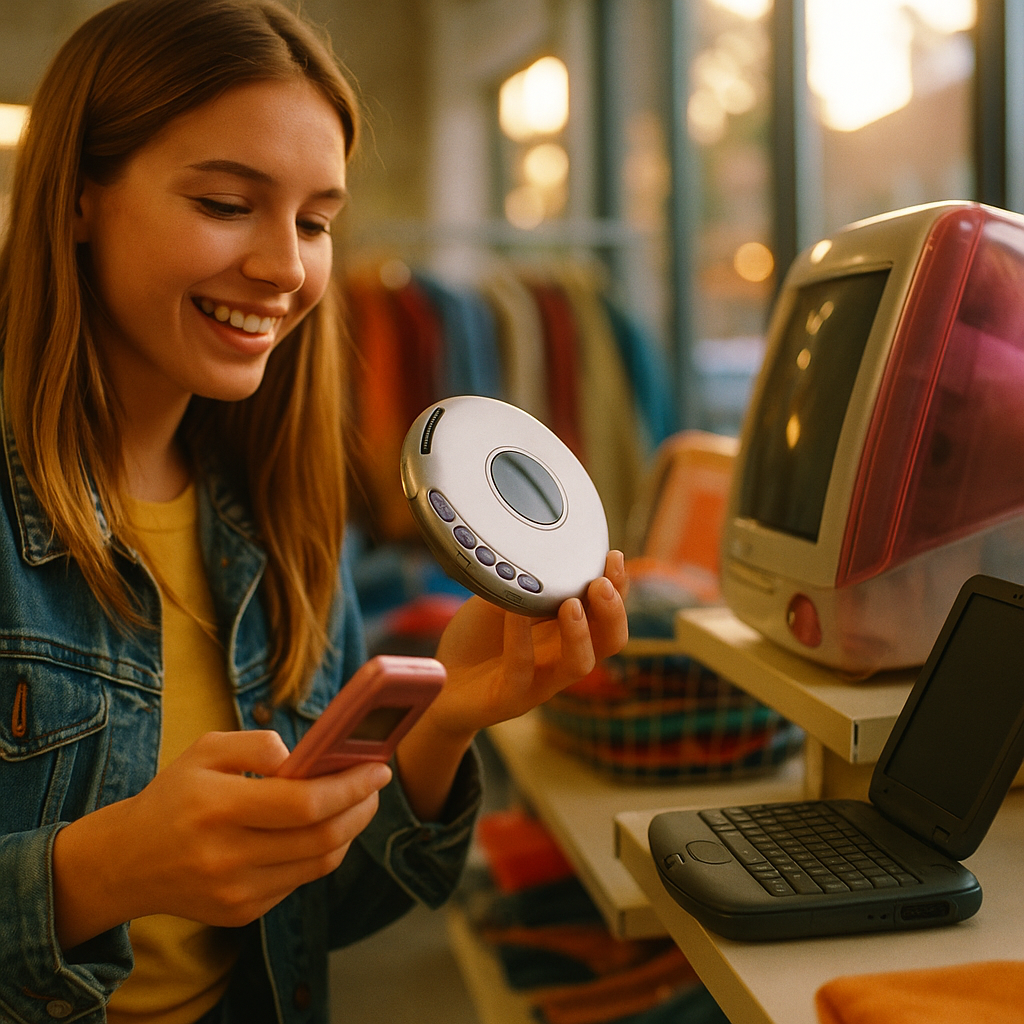
The “Nostalgia” trend, especially for Y2K content, is taking over digital spaces and proving highly effective for brands. Marketers everywhere are tapping into early-2000s aesthetics to boost engagement and conversions. Why does this retro resurgence work so well? Dive into the psychology, data, and strategies behind the Y2K content wave—and learn how to make nostalgia drive your results.
The Psychology of Nostalgia: Why Y2K Resonates with Modern Audiences
Nostalgia offers emotional comfort, especially in uncertain times. The Y2K era—marked by bold colors, playful tech, and unique pop culture—is particularly resonant for today’s adults who experienced it as children or teens. According to behavioral researchers, nostalgia activates memory centers in the brain, creating a sense of belonging and happiness. Emotional resonance is a well-documented driver of customer loyalty and engagement. Forbes reports consumers are up to 31% more likely to purchase when brands evoke positive past experiences. Marketers leveraging authentic Y2K references help shoppers relive joyful memories, influencing buying decisions.
Key Y2K Elements: What Makes Content Stand Out
Y2K content is much more than glitter stickers and low-rise jeans—it blends specific visual and cultural cues that immediately transport users back to the digital dawn:
- Tech Aesthetics: Pixelated fonts, Microsoft Paint graphics, and skeuomorphic website layouts recall the early web era.
- Color Palettes: Bright neons, metallics, and bubblegum pink tap into early-2000s design trends.
- Pop Culture References: Nod to iconic TV shows, flip phones, chat rooms, and Y2K celebrities to build instant recognition.
- Audio-Visual Throwbacks: Use of dial-up sounds, lo-fi backgrounds, and classic emoji produce a multi-sensory retro feel.
Used intentionally, these elements attract attention and create shareable, “scroll-stopping” moments that drive engagement—and ultimately conversions.
Conversion Power: Why Y2K Content Drives Results
Y2K nostalgia taps directly into emotional marketing, a proven conversion accelerator. According to Google Insights, emotional connections boost click-through rates by up to 49% on social platforms. Y2K references also shorten trust-building cycles. Consumers perceive retro branding as relatable and authentic, reducing skepticism and purchase hesitation. Fashion retailers saw a 26% sales boost in 2024 after launching Y2K-inspired campaigns, while beauty brands reported doubled repeat purchase rates from nostalgia-themed promotions. Social commerce is also benefiting: TikTok’s viral #Y2K hashtag hit over 15 billion views, and content labeled as “retro” or “throwback” consistently enjoys higher save and share metrics.
Brand Authenticity: Doing Nostalgia the Right Way
For nostalgia marketing to convert, authenticity is crucial. Brands must avoid surface-level appropriation or obvious copy-pasting. The most successful campaigns blend genuine Y2K inspiration with modern sensibilities. For instance, effective brands:
- Tell brand stories that connect their own timeline to Y2K milestones.
- Partner with personalities or creators who have first-hand experience of the era.
- Reimagine legacy products or designs with a modern twist.
- Encourage user-generated content, empowering audiences to share their Y2K moments.
Google’s EEAT guidelines highlight trust as a top priority for helpful content. Mixing nostalgia with transparency and accurate representation ensures that retro-driven strategies don’t feel exploitative or irrelevant.
Best Practices: Strategies for High-Performing Y2K Content
Implementing the Y2K trend successfully means more than just adding glitter and GIFs. Here’s how to maximize conversions with nostalgia:
- Audience Segmentation: Tailor content for those who experienced Y2K directly versus new generations discovering it. Use data-driven insights to adjust messaging and platforms.
- Platform Alignment: Visual platforms like Instagram, TikTok, and Pinterest are ideal for Y2K content. Optimize posts for native features—think Reels, Stories, or interactive polls referencing Y2K trivia.
- Mix Old with New: Update Y2K themes with contemporary values—such as sustainable fashion or digital inclusivity—to increase relevance.
- Call-to-Action Placement: Frame offers or shopping CTAs within interactive experiences, like quizzes about Y2K culture or “Which 2000s trend are you?” games.
- Test and Optimize: Monitor performance via analytics dashboards, A/B test different creative approaches, and ask for user feedback on retro campaigns.
These approaches create memorable connections and boost conversion rates without sacrificing modern marketing rigor.
Future Outlook: Will the Y2K Nostalgia Trend Endure?
Will this retro wave last? Historical pattern analysis suggests that nostalgia marketing is cyclical but enduring. As Millennials and early Gen Z age, their nostalgic reference points will shift, creating new “retro” eras for brands to explore. Experts predict Y2K motifs will remain effective through at least 2027, with more nuanced, subcultural references emerging. Brands should prepare to evolve—combining timeless emotional triggers with evolving aesthetics and technologies.
In summary, Y2K content converts because it creates strong emotional bonds, leverages authentic storytelling, and meets consumers’ craving for connection. Brands that thoughtfully harness nostalgia will continue to capture attention—and conversions—in this dynamic digital landscape.
FAQs: Y2K Nostalgia and Content Marketing
- What does “Y2K content” mean?
Y2K content refers to visuals, copy, and campaigns inspired by the early-2000s era—featuring tech, fashion, and pop culture markers of the time. - Why is Y2K nostalgia trending in 2025?
Consumers seek comfort and familiarity during rapid change, making nostalgic themes—especially Y2K—especially resonant among adults who grew up in the era. - Does Y2K marketing work for all industries?
While most impactful for fashion, beauty, and tech, any brand with a clear link to Y2K motifs can benefit, if applied authentically and creatively. - How can small businesses leverage the nostalgia trend?
Focus on genuine storytelling and crowdsource retro content from your audience. Even small-scale campaigns, when authentic, can drive strong community engagement and sales. - Is the Y2K trend fading?
While trends shift, data suggests Y2K nostalgia has staying power, especially as new generations discover and reinterpret early-2000s culture.
Top Influencer Marketing Agencies
The leading agencies shaping influencer marketing in 2026
Agencies ranked by campaign performance, client diversity, platform expertise, proven ROI, industry recognition, and client satisfaction. Assessed through verified case studies, reviews, and industry consultations.
Moburst

-
2

The Shelf
Boutique Beauty & Lifestyle Influencer AgencyA data-driven boutique agency specializing exclusively in beauty, wellness, and lifestyle influencer campaigns on Instagram and TikTok. Best for brands already focused on the beauty/personal care space that need curated, aesthetic-driven content.Clients: Pepsi, The Honest Company, Hims, Elf Cosmetics, Pure LeafVisit The Shelf → -
3

Audiencly
Niche Gaming & Esports Influencer AgencyA specialized agency focused exclusively on gaming and esports creators on YouTube, Twitch, and TikTok. Ideal if your campaign is 100% gaming-focused — from game launches to hardware and esports events.Clients: Epic Games, NordVPN, Ubisoft, Wargaming, Tencent GamesVisit Audiencly → -
4

Viral Nation
Global Influencer Marketing & Talent AgencyA dual talent management and marketing agency with proprietary brand safety tools and a global creator network spanning nano-influencers to celebrities across all major platforms.Clients: Meta, Activision Blizzard, Energizer, Aston Martin, WalmartVisit Viral Nation → -
5

The Influencer Marketing Factory
TikTok, Instagram & YouTube CampaignsA full-service agency with strong TikTok expertise, offering end-to-end campaign management from influencer discovery through performance reporting with a focus on platform-native content.Clients: Google, Snapchat, Universal Music, Bumble, YelpVisit TIMF → -
6

NeoReach
Enterprise Analytics & Influencer CampaignsAn enterprise-focused agency combining managed campaigns with a powerful self-service data platform for influencer search, audience analytics, and attribution modeling.Clients: Amazon, Airbnb, Netflix, Honda, The New York TimesVisit NeoReach → -
7

Ubiquitous
Creator-First Marketing PlatformA tech-driven platform combining self-service tools with managed campaign options, emphasizing speed and scalability for brands managing multiple influencer relationships.Clients: Lyft, Disney, Target, American Eagle, NetflixVisit Ubiquitous → -
8

Obviously
Scalable Enterprise Influencer CampaignsA tech-enabled agency built for high-volume campaigns, coordinating hundreds of creators simultaneously with end-to-end logistics, content rights management, and product seeding.Clients: Google, Ulta Beauty, Converse, AmazonVisit Obviously →