


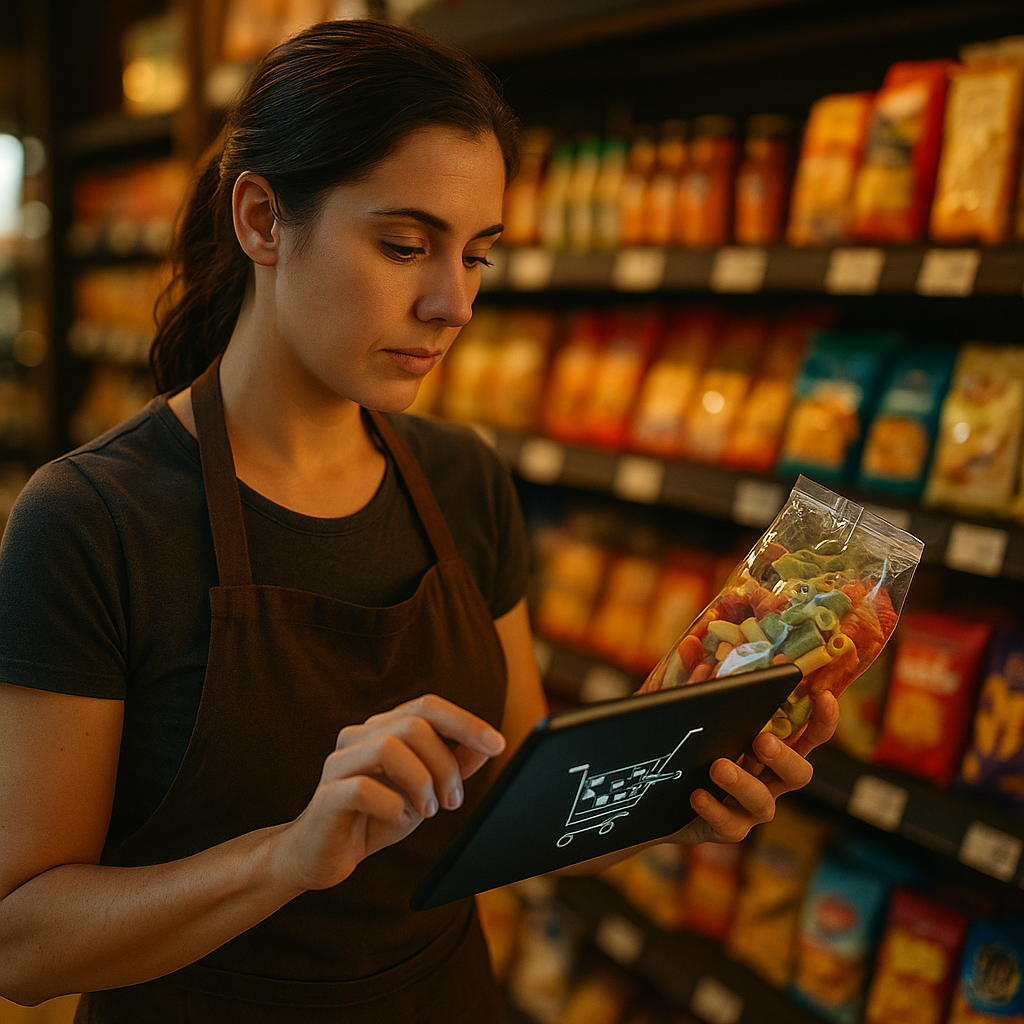
Marriott’s booking assistant now suggests room upgrades before guests finish typing their query. Expedia’s AI trip planner recommends restaurants nobody searched for. This is AI product discovery in action, and it’s quietly replacing the search bar as the front door to purchase decisions. If your brand still optimizes for keyword rankings alone, you’re solving yesterday’s problem.
Hospitality Got There First, and That’s Not an Accident
Travel and hospitality brands had a head start on AI-driven recommendation engines because their product is inherently contextual. A hotel isn’t just a hotel — it’s a hotel for a specific traveler, on a specific date, with a specific budget and mood. That complexity forced the industry to build systems that reason across dozens of variables simultaneously, rather than matching keywords to listings.
Booking.com, Airbnb, and Marriott have spent years training models on behavioral signals: past stays, cancellation patterns, price sensitivity, even the time of day someone browses. The output isn’t a ranked list of results. It’s a single, confident suggestion. “Here’s the room you’ll want.” That shift, from ranked options to confident answers, is exactly what’s now migrating into CPG and retail.
The hospitality sector didn’t just adopt AI recommendations faster; it proved that consumers will accept a single confident suggestion over a page of search results, if the system earns trust first.
Why Search Is Losing Its Grip on Discovery
Search worked because it gave consumers control. Type a query, scan ten blue links, decide for yourself. AI discovery engines flip that model. They decide for you, or at least narrow the field to one or two options before you’ve finished articulating what you want.
According to eMarketer, AI-assisted shopping journeys are already influencing a meaningful share of retail purchase paths, and that share is climbing fast as generative assistants get embedded into browsers, apps, and voice interfaces. Meanwhile, Statista data on conversational commerce shows younger consumers increasingly starting product research inside AI chat tools rather than traditional search engines.
This isn’t a fringe behavior anymore. It’s becoming the default path for a growing segment of shoppers, particularly those under 35 who grew up expecting personalization by default, not by request.
The Mechanics: How These Engines Actually Choose
Recommendation engines in hospitality and, increasingly, in retail rely on a layered stack:
- Behavioral history — past purchases, browsing patterns, loyalty tier
- Contextual signals — time, location, device, even weather
- Structured product data — attributes, availability, pricing, reviews
- Real-time inventory and fulfillment logic — can this actually ship or be booked now?
- Trust and sentiment scoring — is this product or brand associated with positive, verified experiences?
That last layer matters more than most brands realize. AI engines increasingly weigh sentiment signals, not just star ratings, when deciding what to surface. This is the same dynamic explored in sentiment-driven content distribution, where trust signals now outrank raw reach in determining what gets amplified.
What This Means for CPG Brands Specifically
CPG has always had a discovery problem hospitality doesn’t: low consideration, low differentiation, and shelves (physical or digital) crowded with near-identical SKUs. When a shopper asks an AI assistant “what’s the best electrolyte drink for recovery,” the engine isn’t going to list twelve brands. It’s going to pick one, maybe two, based on structured data quality, review sentiment, and third-party validation.
That’s a brutal filter. If your product data isn’t clean, structured, and machine-readable, you simply won’t surface. Not ranked lower. Not surfaced at all.
This changes the calculus for everything from packaging copy to retailer syndication feeds. Brands need to think of their product listings less like marketing copy and more like structured inputs into a decision system. Attribution also gets murkier here, which is why frameworks like probabilistic attribution models are becoming essential for tracking purchases that originate in AI search rather than traditional click paths.
Retail’s Bigger Bet: Owning the Recommendation Layer
Retailers are watching this shift closely because it threatens their traditional gatekeeper role. If Amazon’s Rufus, Walmart’s AI shopping assistant, or a third-party agent like ChatGPT’s shopping features start making the recommendation before a shopper ever lands on a retail site, the retailer’s merchandising strategy becomes less relevant.
Some retailers are responding by building their own recommendation layers deeper into loyalty apps and checkout flows, essentially racing to become the AI discovery engine rather than be disintermediated by one. Target and Kroger have both invested in AI-personalized app experiences that resemble the contextual logic hospitality platforms pioneered.
For brands, this creates a dual-front challenge: optimize for the retailer’s internal AI recommendation engine, and optimize for external AI assistants that might route shoppers to a different retailer entirely, or skip retail intermediaries altogether via direct-to-consumer AI commerce, a trend detailed in ChatGPT commerce coverage.
The Creator Content Angle Nobody’s Talking About Enough
Here’s where this gets interesting for anyone running influencer programs. AI discovery engines don’t just pull from product feeds and reviews. Many are trained on, or actively crawl, creator content, UGC, and social sentiment to build their confidence scores. A product with strong, authentic creator coverage and consistently positive sentiment across TikTok, Instagram, and review platforms has a real edge in getting recommended.
This means influencer content isn’t just a top-of-funnel awareness play anymore. It’s becoming training data for the machines making bottom-of-funnel decisions.
Creator content is quietly becoming an input layer for AI recommendation systems, not just a demand-generation channel. Brands that treat UGC as disposable are leaving signal on the table that competitors are actively feeding into discovery algorithms.
That reframes production priorities. Speed and volume matter, because AI systems need fresh signal to keep recommendations current. Tools that support AI-enhanced UGC production aren’t just cutting costs anymore; they’re feeding the exact systems that decide product visibility in AI-native discovery.
Testing creative before spending real budget matters too, since AI engines are unforgiving about weak or inconsistent brand signals. The approach outlined in AI-assisted creative testing at scale applies directly here.
Operational Risk: Governance Can’t Be an Afterthought
Handing product recommendations over to autonomous or semi-autonomous systems introduces new compliance and brand-safety questions. Who’s accountable when an AI engine recommends a product based on outdated pricing, a discontinued SKU, or misattributed reviews? What happens when sentiment data gets manipulated by bad-faith reviews or coordinated brigading?
These aren’t hypothetical risks. They’re the same governance gaps flagged in Gartner’s AI marketing hype cycle, which puts governance ahead of scale for exactly this reason.
Brands should be auditing:
- Data feed accuracy and freshness across every retailer syndication point
- Sentiment monitoring for manipulation or coordinated negative campaigns
- Attribution models that can actually trace an AI-influenced purchase back to source
- Legal exposure if an AI engine misrepresents product claims (the FTC has already signaled interest in AI-driven commerce disclosures)
Autonomous decision engines making product calls without human review is exactly the scenario covered in the verification checklist for autonomous decision engines, and it’s worth running that checklist against any AI recommendation surface your brand appears on.
So What Should Brands Actually Do Now?
Start with the boring stuff, because it’s the foundation everything else depends on. Clean your product data. Every attribute, every image alt tag, every ingredient list needs to be structured and consistent across every channel where AI might crawl it, whether that’s a retailer feed, a brand site, or a review aggregator.
Second, treat sentiment as a KPI, not a vanity metric. AI engines are reading the room in aggregate, across thousands of data points, and a few negative reviews left unaddressed can quietly tank recommendation odds.
Third, invest in creator and UGC content specifically because it’s becoming machine-readable trust signal, not just human-readable social proof.
Finally, build attribution infrastructure now, before the volume of AI-driven purchases makes retroactive tracking impossible. Warehouse-native approaches like those in warehouse-native attribution give brands a fighting chance at connecting AI discovery to actual revenue, rather than guessing.
For deeper context on how consumer trust and marketer confidence in AI outputs are evolving in parallel, the data in AI adoption versus marketer trust is a useful gut check before committing serious budget to any single AI discovery channel.
The Takeaway
Hospitality proved that consumers will hand decision-making over to AI when trust is earned through consistent, personalized accuracy. CPG and retail brands now face the same test, but with messier product data and thinner margins for error. Audit your product feeds and sentiment signals this quarter, not next year, because the brands training these systems now will own the recommendation slot later.
FAQs
What is an AI product discovery engine?
It’s a recommendation system that uses behavioral data, contextual signals, and sentiment analysis to suggest specific products or services directly to consumers, rather than presenting a ranked list of search results for them to evaluate.
How is this different from traditional search engine optimization?
Traditional SEO competes for ranking position on a results page. AI discovery engines often surface a single recommendation, so brands compete for inclusion in that narrow output, which depends heavily on structured data quality and sentiment, not just keyword relevance.
Why did hospitality adopt AI recommendation engines before CPG and retail?
Travel bookings involve more contextual complexity, like dates, budgets, and traveler preferences, which pushed hospitality platforms to build sophisticated personalization systems earlier than retail or CPG required.
Does influencer content actually affect AI recommendation outcomes?
Increasingly, yes. Many AI systems factor in sentiment and social proof drawn from creator content and reviews when scoring product trustworthiness, making UGC a meaningful input rather than just an awareness tactic.
What’s the biggest risk for brands relying on AI discovery engines?
Poor or outdated product data can cause a brand to be excluded entirely from recommendations, and weak governance around sentiment monitoring or attribution can leave brands unable to prove or protect their AI-driven sales.
Top Influencer Marketing Agencies
The leading agencies shaping influencer marketing in 2026
Agencies ranked by campaign performance, client diversity, platform expertise, proven ROI, industry recognition, and client satisfaction. Assessed through verified case studies, reviews, and industry consultations.
Moburst

-
2

The Shelf
Boutique Beauty & Lifestyle Influencer AgencyA data-driven boutique agency specializing exclusively in beauty, wellness, and lifestyle influencer campaigns on Instagram and TikTok. Best for brands already focused on the beauty/personal care space that need curated, aesthetic-driven content.Clients: Pepsi, The Honest Company, Hims, Elf Cosmetics, Pure LeafVisit The Shelf → -
3

Audiencly
Niche Gaming & Esports Influencer AgencyA specialized agency focused exclusively on gaming and esports creators on YouTube, Twitch, and TikTok. Ideal if your campaign is 100% gaming-focused — from game launches to hardware and esports events.Clients: Epic Games, NordVPN, Ubisoft, Wargaming, Tencent GamesVisit Audiencly → -
4

Viral Nation
Global Influencer Marketing & Talent AgencyA dual talent management and marketing agency with proprietary brand safety tools and a global creator network spanning nano-influencers to celebrities across all major platforms.Clients: Meta, Activision Blizzard, Energizer, Aston Martin, WalmartVisit Viral Nation → -
5

The Influencer Marketing Factory
TikTok, Instagram & YouTube CampaignsA full-service agency with strong TikTok expertise, offering end-to-end campaign management from influencer discovery through performance reporting with a focus on platform-native content.Clients: Google, Snapchat, Universal Music, Bumble, YelpVisit TIMF → -
6

NeoReach
Enterprise Analytics & Influencer CampaignsAn enterprise-focused agency combining managed campaigns with a powerful self-service data platform for influencer search, audience analytics, and attribution modeling.Clients: Amazon, Airbnb, Netflix, Honda, The New York TimesVisit NeoReach → -
7

Ubiquitous
Creator-First Marketing PlatformA tech-driven platform combining self-service tools with managed campaign options, emphasizing speed and scalability for brands managing multiple influencer relationships.Clients: Lyft, Disney, Target, American Eagle, NetflixVisit Ubiquitous → -
8

Obviously
Scalable Enterprise Influencer CampaignsA tech-enabled agency built for high-volume campaigns, coordinating hundreds of creators simultaneously with end-to-end logistics, content rights management, and product seeding.Clients: Google, Ulta Beauty, Converse, AmazonVisit Obviously →