


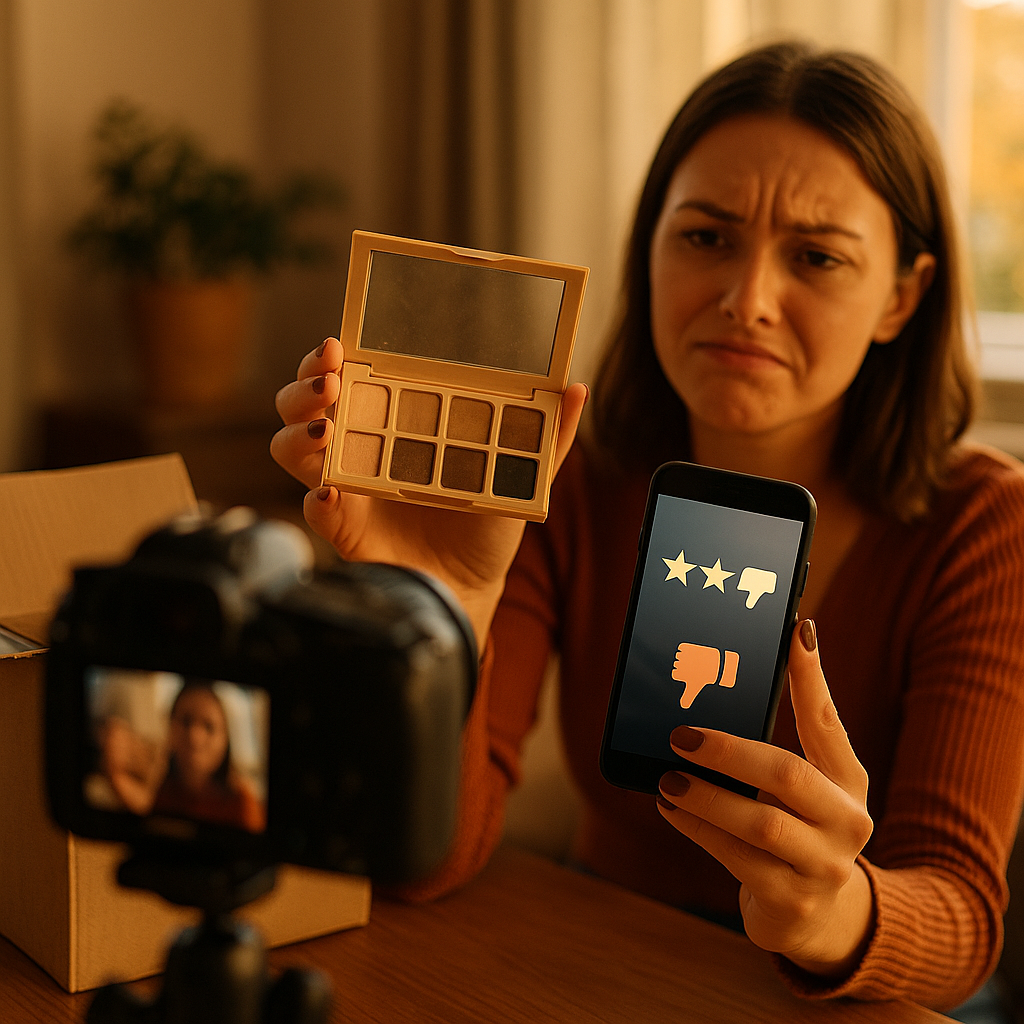
The “anti-haul” trend and the widespread sharing of negative reviews aren’t just social media fads—they are reshaping how consumers trust product recommendations. When brands and influencers embrace the anti-haul, they foster greater transparency and credibility. But why exactly do negative reviews build trust online? Let’s unpack the psychology and practical power behind this movement.
Why Authenticity Matters: The Role of Negative Reviews in Online Shopping
Today, shoppers are inundated with advertising and positive testimonials, making it harder to discern genuine product quality. According to a 2025 Statista survey, 89% of online consumers trust reviews as much as personal recommendations. However, pages filled exclusively with glowing praise raise suspicion. Honest negative reviews, or “anti-hauls,” showcase authenticity, signaling that a reviewer values transparency over promotion. This drives engagement, as readers seek relatable experiences and practical advice, not just endorsements. Authentic content is more likely to resonate, reduce buyer remorse, and cultivate loyal audiences.
The Psychology Behind Trust: How Negative Reviews Increase Credibility
Why do consumers trust brands or influencers who share what they don’t recommend? Psychologists point to the “negativity bias”—the human tendency to prioritize negative information when assessing credibility. Negative feedback in product reviews acts as a trust anchor. It proves the reviewer is objective, not just aiming to please sponsors or brands. Importantly, comparisons with positive reviews create context, helping buyers set realistic expectations. Thus, anti-hauls turn skepticism into confidence, making positive recommendations within the same space even more powerful.
The Anti-Haul Movement: How Brands Can Embrace Transparency
The anti-haul started in the beauty community, where creators listed products they wouldn’t buy, often going viral for their honesty. In 2025, this approach has spread to tech, home goods, and fashion, with consumers favoring brands that openly share both strengths and limitations of their offerings. Brands can encourage this culture by:
- Responding thoughtfully to negative reviews and addressing concerns publicly
- Sending PR packages with no obligation for positive coverage
- Highlighting “less recommended” products or use-cases transparently on their sites
- Training customer service to value constructive criticism as much as praise
This openness not only retains credibility, but also reduces returns and increases satisfaction, as customers know what to expect before purchasing.
Balancing Positivity and Critique: Responsible Reviewing for Influencers
Responsible influencers carefully balance honesty and fairness. Instead of “bashing” a product, they explain why it didn’t work for them, often citing specific criteria or user needs. EEAT (Experience, Expertise, Authoritativeness, Trustworthiness) is crucial: reviewers share their background and how they tested the product, providing readers with context. For example:
- An experienced makeup artist discussing why a cult foundation didn’t suit dry skin
- A tech reviewer highlighting an ergonomic mouse’s pros and cons for small hands
By detailing both positives and negatives, influencers ensure that reviews are helpful, not just persuasive. This helps users make informed choices aligned with their unique circumstances.
Consumer Empowerment: Using Negative Reviews to Make Better Buying Decisions
Empowered consumers use negative reviews as decision-making tools. Rather than viewing them as red flags, shoppers see anti-haul posts and critiques as maps to avoid mismatched products or wasted money. Modern shoppers:
- Look for detailed explanations over one-star rants
- Evaluate whether a “negative” applies to their own needs (e.g., “too bold” for one is “perfectly pigmented” for another)
- Appreciate brands that acknowledge limitations, which signals confidence in their products
Ultimately, negative reviews support smarter purchasing, build long-term trust in recommendations, and even help shape better products through honest feedback.
Conclusion: The Takeaway on Anti-Hauls and Trust in 2025
In 2025, anti-hauls and negative reviews have become vital for fostering online trust. Brands and creators who share honest critiques build authority and lasting relationships with consumers. The clear takeaway? Embrace transparency: it’s the foundation of credible, informed digital purchasing in the modern era.
FAQs: The “Anti-Haul” and Building Trust with Negative Reviews
- What is an anti-haul?
An anti-haul is content—typically a video, blog, or post—where creators list products they wouldn’t purchase or recommend, often explaining why. - Do negative reviews hurt sales?
Not necessarily. Negative reviews can improve sales by building trust, helping consumers set expectations, and reducing purchase regret. - How do I tell if a negative review is honest?
Look for specific details, personal experience, and balanced feedback. Honest reviews cite reasons and context, not just general complaints. - Can brands benefit from anti-haul trends?
Yes. Brands that embrace transparency and address criticism openly earn greater consumer trust and can leverage feedback for improvement. - Is it ethical for influencers to post negative reviews?
Absolutely. Sharing honest, fair critiques that outline both pros and cons is ethical and aligns with the best interests of followers.