


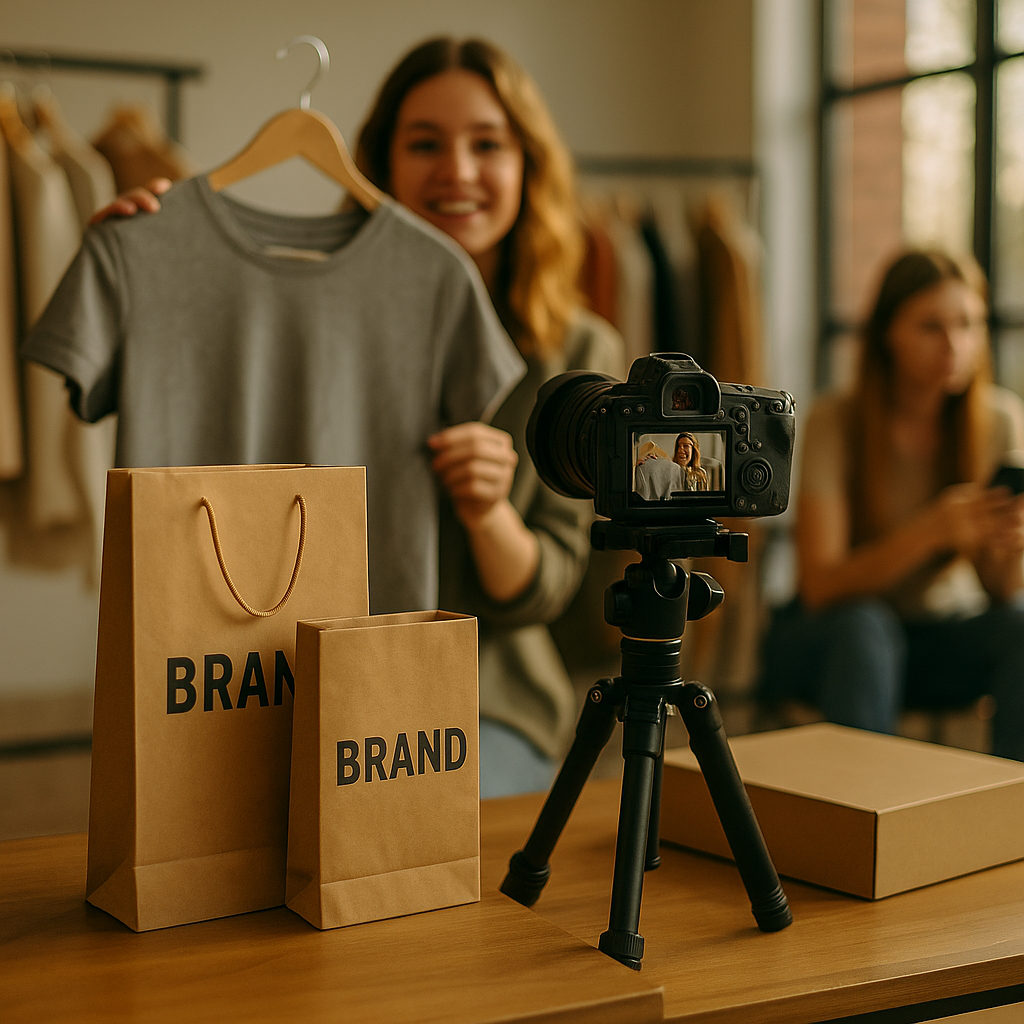
The “Brand as Creator” playbook is transforming how companies connect with audiences, allowing brands to outshine traditional influencers. As organizations embrace this dynamic approach, they attract loyal communities, inspire engagement, and even outperform influencers in reach and authenticity. So, how exactly are brands beating influencers at their own game? Let’s explore the strategy reshaping digital marketing.
Why Companies are Choosing the “Brand as Creator” Model
Brands are no longer satisfied sitting on the sidelines while influencers command digital trends and conversations. By adopting the “creator” mindset, companies gain more control over their narrative and directly tap into their communities’ interests and needs. This strategy offers a distinct advantage: brands build equity for themselves, not just for third-party personalities.
Recent platform algorithm changes in 2025 increasingly favor original content and brand-owned channels. With 78% of marketers reporting higher ROI on brand-owned creator content compared to traditional influencer campaigns (according to a SocialFlow study published this year), the motivation is clear. Brands get better customer insights, own their data, and foster brand loyalty—all while reducing dependency on unpredictable influencer relationships.
Key Elements of an Effective Brand Creator Strategy
To succeed as creators, brands must go beyond simple product promotion. The most effective strategies involve:
- Developing a unique brand voice: The best brand creators reflect genuine values and communicate directly to their target audiences with consistency.
- Delivering exclusive content: From behind-the-scenes stories to thought leadership and educational value, brands captivate audiences by providing content unavailable elsewhere.
- Collaborating with micro-communities: Brands harness the power of smaller, passionate groups rather than relying solely on broad, fleeting influencer reach.
- Embracing multi-platform storytelling: Leading companies spread their narratives across Instagram, YouTube, TikTok, LinkedIn, and podcasts, meeting audiences wherever they are.
- Allowing internal experts to shine: Featuring employees, founders, or industry specialists as faces of the brand builds credibility and trust.
This holistic approach recognizes that audiences value authenticity and direct relationships over staged promotions. Companies that invest in long-term creator strategies find they generate a more loyal following and a stronger sense of community.
How Brands Outperform Influencers in 2025
Influencers have built loyal followings by showcasing real-life experiences and relatable content. However, brands that act as creators have unique advantages in 2025:
- Data Integration: Brands leverage comprehensive data analytics, allowing for personalized content distribution and rapid optimization that most individual influencers can’t match.
- Content Quality: With dedicated production teams, brands deliver consistently high-quality, on-brand content, elevating their storytelling.
- Trust & Transparency: Today’s consumers see through sponsored posts. Direct-from-brand content feels more honest when it highlights genuine expertise and customer stories.
- Consistent Engagement: Brands anchor conversations across channels and incentivize customer interaction with loyalty programs, exclusive clubs, or interactive campaigns.
According to a 2025 BrandStory Research report, 61% of consumers state they trust branded creator content more than influencer-sponsored posts. Brands that follow this playbook nurture sustainable, long-term relationships instead of short-lived engagement bursts.
Case Studies: Brands Leading as Creators
Several companies exemplify the “Brand as Creator” playbook with impressive results:
- Nike harnesses in-house athletes and designers for exclusive mini-documentaries featuring the inspiration behind new products, quickly racking up millions of organic views.
- Duolingo‘s in-house personas on TikTok generate viral challenges, directly responding to language learner feedback and trending topics, driving app downloads more effectively than paid influencer collaborations.
- Sephora features staff and community advocates in how-to videos across social platforms, empowering real customers to become brand voices while maintaining control over messaging and product features.
These brands didn’t abandon influencer partnerships entirely but shifted their primary emphasis to creating and owning authentic, valuable content that positions them as trusted sources and trendsetters.
EEAT in Action: Earning Trust and Authority as a Brand Creator
To win at the “Brand as Creator” strategy, brands must embrace Google’s EEAT standards: Experience, Expertise, Authoritativeness, and Trustworthiness. Here’s how top brands are getting it right:
- Showcasing expertise: Regularly publishing deep-dives, tutorials, and thought leadership showing hands-on industry experience.
- Building authority: Leveraging qualified employees, proprietary data, and real-life customer stories to back up claims.
- Establishing trust: Transparent policies, community moderation, and prompt responses to feedback signal an authentic, open approach.
- Consistently delivering value: Consistency builds reliability and expectation, key traits in brand-fan relationships.
Companies that embed EEAT into every content decision outperform those relying solely on third-party endorsements and short-term promotional spikes.
Getting Started: Steps to Launch Your Brand as Creator Playbook
Ready to transform your business into a content powerhouse? Here’s a clear roadmap:
- Audit your existing content: Identify what resonates with your audience and where influencer dependencies lie.
- Define your core creator persona: Decide which employees or brand stories should be at the forefront, and develop unique content pillars reflecting your audience’s interests.
- Invest in content skills: Upskill internally or hire talent with storytelling, video, design, and social expertise.
- Launch with purpose: Start with behind-the-scenes content, deep dives, or interactive campaigns that showcase your expertise and brand culture.
- Measure & adapt: Track engagement, audience growth, and retention to refine your creator strategy for maximum impact.
This approach not only reduces dependency on external influencers but generates measurable brand assets, richer data, and a self-sustaining content ecosystem.
Conclusion: The Future Belongs to Brand Creators
The “Brand as Creator” playbook is re-writing the rules for digital marketing leadership in 2025. By acting as their own influencers, brands gain trust, control, and lasting engagement. The brands thriving today are those who invest in their own stories, embrace transparency, and create undeniable value for their communities. Will your organization lead the next wave?
FAQs: The “Brand as Creator” Playbook Explained
- What does “Brand as Creator” mean?
It refers to companies embracing the roles and behaviors of digital creators—producing authentic, consistent content and building direct relationships with audiences, rather than relying solely on outside influencers. - Is influencer marketing dead?
No—but its role is changing. In 2025, brands increasingly blend influencer collaboration with owning their own creator journeys for greater trust, control, and ROI. - How can smaller brands succeed as creators?
Smaller brands often have closer relationships with their communities. By featuring founders or loyal customers, they can build authentic creator content without the high costs of celebrity influencers. - What are the key success metrics for the Brand as Creator strategy?
Monitor engagement rates, D2C (direct-to-consumer) conversions, audience retention, and the growth of owned communities across channels. - Is the shift to brand creators relevant for B2B companies?
Absolutely. B2B brands can leverage internal subject matter experts, case studies, and educational content to build authority and community just as effectively as B2C brands.
Top Influencer Marketing Agencies
The leading agencies shaping influencer marketing in 2026
Agencies ranked by campaign performance, client diversity, platform expertise, proven ROI, industry recognition, and client satisfaction. Assessed through verified case studies, reviews, and industry consultations.
Moburst

-
2

The Shelf
Boutique Beauty & Lifestyle Influencer AgencyA data-driven boutique agency specializing exclusively in beauty, wellness, and lifestyle influencer campaigns on Instagram and TikTok. Best for brands already focused on the beauty/personal care space that need curated, aesthetic-driven content.Clients: Pepsi, The Honest Company, Hims, Elf Cosmetics, Pure LeafVisit The Shelf → -
3

Audiencly
Niche Gaming & Esports Influencer AgencyA specialized agency focused exclusively on gaming and esports creators on YouTube, Twitch, and TikTok. Ideal if your campaign is 100% gaming-focused — from game launches to hardware and esports events.Clients: Epic Games, NordVPN, Ubisoft, Wargaming, Tencent GamesVisit Audiencly → -
4

Viral Nation
Global Influencer Marketing & Talent AgencyA dual talent management and marketing agency with proprietary brand safety tools and a global creator network spanning nano-influencers to celebrities across all major platforms.Clients: Meta, Activision Blizzard, Energizer, Aston Martin, WalmartVisit Viral Nation → -
5

The Influencer Marketing Factory
TikTok, Instagram & YouTube CampaignsA full-service agency with strong TikTok expertise, offering end-to-end campaign management from influencer discovery through performance reporting with a focus on platform-native content.Clients: Google, Snapchat, Universal Music, Bumble, YelpVisit TIMF → -
6

NeoReach
Enterprise Analytics & Influencer CampaignsAn enterprise-focused agency combining managed campaigns with a powerful self-service data platform for influencer search, audience analytics, and attribution modeling.Clients: Amazon, Airbnb, Netflix, Honda, The New York TimesVisit NeoReach → -
7

Ubiquitous
Creator-First Marketing PlatformA tech-driven platform combining self-service tools with managed campaign options, emphasizing speed and scalability for brands managing multiple influencer relationships.Clients: Lyft, Disney, Target, American Eagle, NetflixVisit Ubiquitous → -
8

Obviously
Scalable Enterprise Influencer CampaignsA tech-enabled agency built for high-volume campaigns, coordinating hundreds of creators simultaneously with end-to-end logistics, content rights management, and product seeding.Clients: Google, Ulta Beauty, Converse, AmazonVisit Obviously →