


Most Sponsored Segments Feel Like Commercials Because They Are
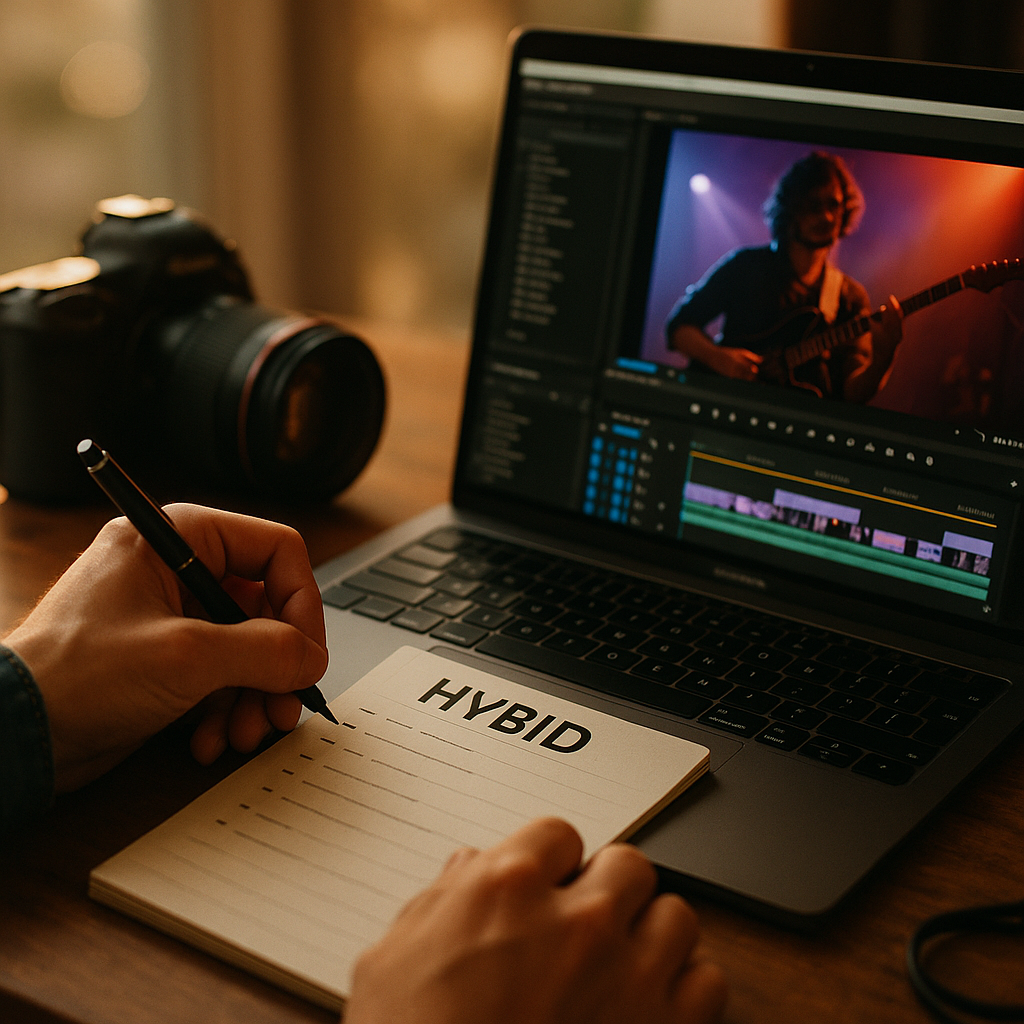
Sixty-two percent of viewers skip or mentally tune out mid-roll sponsorship reads within the first three seconds, according to research tracked by Sprout Social. The brief is usually the problem. When you hand a music-video creator a standard integration checklist, you get exactly what the checklist produces: a hard stop, a product pivot, and an audience that stops watching. Writing a hybrid music-video creator brief that embeds the sponsored moment inside the story is a craft skill, and most marketing teams have never been taught it.
Why the Music-Video Format Demands a Different Brief Architecture
Music video content operates on a different emotional contract than a tutorial or a talking-head review. The audience comes for the visual world-building, the mood, and the performance. They are not in “information mode.” They are in “experience mode.” That means any product appearance that breaks the visual logic of the piece registers as an intrusion, not a message.
This is not a soft creative preference. It is an audience behavior problem with real CPM implications. Completion rates on entertainment-first creator content average 15 to 20 percentage points higher than on content structured around a product demonstration, per benchmarks tracked by eMarketer. If your brief produces a drop in completion rate, you are paying for impressions that never happen.
A music-video creator brief is not a creative suggestion document. It is a production specification that defines where your brand lives inside the narrative and what emotional state surrounds it at that moment.
The structural fix starts before you write a single mandatory talking point. You need to understand the difference between product placement logic and narrative logic, and make sure your brief is speaking the second language.
The Three Zones of a Music-Video Creator Brief
Think of any music-video format piece as having three distinct zones, each requiring different direction from you.
Zone 1: The Narrative World. This is everything that establishes the creative universe of the video. Costume, setting, mood, color palette, movement style. Your brief should contribute to this zone, not restrict it. Smart brands provide a brand aesthetic reference board rather than a list of “do nots.” If your product exists in a premium urban lifestyle world, say that with visual references. Let the creator pull those threads into their own aesthetic rather than forcing a logo placement into a setting that doesn’t fit.
Zone 2: The Integration Window. This is the specific moment where your product enters the story. The most common brief failure is treating this as a parenthetical: “at some point in the video, the creator should show the product and say [key message].” That instruction produces a segment that feels bolted on. Instead, the brief should specify the narrative context around the window. What is the character doing? What emotional beat is happening? How does reaching for your product make sense in that moment? A skincare brand that writes “the creator applies the serum during a pre-performance ritual” has created an integration window that belongs in the story. A brief that says “creator holds product and reads three claims” has not.
Zone 3: The Disclosure Architecture. FTC guidelines require clear and conspicuous disclosure, but “how” disclosure lands is a brief decision. Good briefs specify the exact language, placement (verbal, on-screen text, or both), and timing relative to the integration window. This is not optional creative guidance. It is compliance infrastructure. For deeper context on keeping compliance from wrecking the narrative, see this breakdown of FTC-compliant brief structures.
Writing the Integration Window: Specific Language That Works
Here is where most briefs fall apart at the sentence level. Compare these two versions of the same direction:
Weak version: “Creator should mention that the drink provides clean energy for long days.”
Strong version: “During the bridge sequence, as the visual energy of the video peaks, the creator reaches for the drink as a natural beat in the performance — no verbal claims needed at this moment. The product is in frame for three to five seconds as part of the action, not as a pause from it. Any verbal message about clean energy should land after the chorus, framed as personal voiceover rather than a direct address to camera.”
The strong version gives the creator a production instruction, not a sales script. It tells them when, how long, what the emotional context is, and what kind of camera relationship to use. That level of specificity produces integrations that editors don’t have to cut around.
For brands managing short-form variations of the same content, the hook and CTA strategy framework can help you adapt the integration window for Reels and Shorts without rebuilding the brief from scratch.
Mandatory vs. Flexible: How to Structure Your Requirements List
Every hybrid brief should divide requirements into two buckets. This single structural change reduces creator friction and revision cycles significantly.
- Non-negotiable requirements: FTC disclosure language, specific product claims cleared by legal, minimum product visibility duration, any platform-specific rules (TikTok’s branded content policies, Meta’s partnership ad labels). These are not creative suggestions. State them plainly.
- Flexible production guidance: Everything else. Tone, setting, performance style, supporting visuals, color treatment. Give strong recommendations with visual references, but allow the creator to make final creative calls. They know their audience. You know your compliance requirements. The brief should honor both.
This approach is especially important when the creator is primarily an artist, not a content marketer. A musician building a music-video series has a production identity they protect fiercely. Overspecifying the flexible zone is the fastest way to get a technically compliant video that their audience can tell wasn’t really made for them.
The same logic applies when working across content formats. The principles behind single-shoot, multi-platform repurposing mean your hybrid brief should also flag which moments in the video are approved for clip extraction, so you are building a content asset, not just a one-time placement.
The Pre-Production Meeting Your Brief Should Require
A brief is not a contract drop. The best hybrid briefs include a required pre-production alignment call, typically 30 to 45 minutes, before the creator finalizes their treatment. The agenda should cover three things: confirm the narrative world and where the brand fits inside it, align on the integration window timing and context, and resolve any compliance questions before a single frame is shot.
Brands that skip this step spend the same amount of time in revision rounds anyway, except now they are rewriting something that has already been partially produced. Pre-production alignment is not a courtesy. It is a production cost control mechanism.
The pre-production call is where you find out the creator planned to shoot the product moment in a setting that violates your brand guidelines — before they rent the location, not after.
If your program involves longer-form creator series or documentary-adjacent content, the brief discipline required for those formats overlaps significantly with music-video work. The documentary series brief framework handles many of the same narrative integration challenges at greater length.
Performance Measurement Starts in the Brief
Too many hybrid briefs define success in the KPI section as reach and engagement, then are surprised when the integration doesn’t drive downstream behavior. If you want the sponsored moment to do conversion work, the brief needs to specify the CTA format, the link placement, the timing relative to the integration window, and whether the creator is expected to pin a comment, add a link in bio, or use a platform shopping tag.
These are production decisions. They affect how the creator structures the video’s pacing and what they say in the final 10 seconds. They cannot be bolted on in post-approval. For teams managing attribution across AI-assisted discovery surfaces, the music video format strategy resource covers how this format performs in algorithm-curated feeds specifically.
Pair your KPIs with a content quality benchmark: completion rate at the integration window (most platforms now surface this in creator analytics or via HubSpot’s UTM tracking integrations), sentiment in comments during the 48 hours post-publish, and save/share rate as a proxy for entertainment value. These tell you whether the brief worked, not just whether the video got views.
Start with your next hybrid brief by rewriting the integration window section using the Zone 2 production language framework above, then add a mandatory pre-production call to the timeline. Those two changes will produce measurably different creative output before you touch anything else.
Frequently Asked Questions
What is a hybrid music-video creator brief?
A hybrid music-video creator brief is a production direction document that combines entertainment-first creative guidance with brand integration requirements. Unlike a standard influencer brief, it specifies how and when a product should appear within the narrative logic of a music-video format piece, rather than treating the sponsorship as a separate segment.
How do you make a product integration feel natural in a music video?
The key is writing the integration window as a narrative beat rather than a product demonstration. The brief should define the emotional context around the product moment, specify what the creator is doing when the product appears, and avoid requiring direct-to-camera sales language. The product should belong to the scene, not interrupt it.
What should always be non-negotiable in a hybrid creator brief?
FTC disclosure language and placement, any legally cleared product claims, minimum product visibility duration, and platform-specific branded content policy compliance are non-negotiable. Everything related to aesthetic, setting, performance style, and creative execution should be treated as flexible guidance rather than hard requirements.
How long should the sponsored segment be in a music-video format?
There is no universal answer, but integration windows of 15 to 45 seconds tend to perform best in music-video formats. Shorter windows risk missing the message entirely; longer windows risk breaking narrative flow. The brief should specify a target duration range and explain the narrative context that supports it, not just a time code.
Does a hybrid music-video brief need a pre-production call?
Yes. A pre-production alignment call before the creator finalizes their treatment prevents compliance issues and creative misalignments from being discovered after shooting begins. It is a cost-control mechanism, not a formality. Most revision rounds in music-video creator programs trace back to brand and creator assumptions that were never verbally aligned before production.
Top Influencer Marketing Agencies
The leading agencies shaping influencer marketing in 2026
Agencies ranked by campaign performance, client diversity, platform expertise, proven ROI, industry recognition, and client satisfaction. Assessed through verified case studies, reviews, and industry consultations.
Moburst

-
2

The Shelf
Boutique Beauty & Lifestyle Influencer AgencyA data-driven boutique agency specializing exclusively in beauty, wellness, and lifestyle influencer campaigns on Instagram and TikTok. Best for brands already focused on the beauty/personal care space that need curated, aesthetic-driven content.Clients: Pepsi, The Honest Company, Hims, Elf Cosmetics, Pure LeafVisit The Shelf → -
3

Audiencly
Niche Gaming & Esports Influencer AgencyA specialized agency focused exclusively on gaming and esports creators on YouTube, Twitch, and TikTok. Ideal if your campaign is 100% gaming-focused — from game launches to hardware and esports events.Clients: Epic Games, NordVPN, Ubisoft, Wargaming, Tencent GamesVisit Audiencly → -
4

Viral Nation
Global Influencer Marketing & Talent AgencyA dual talent management and marketing agency with proprietary brand safety tools and a global creator network spanning nano-influencers to celebrities across all major platforms.Clients: Meta, Activision Blizzard, Energizer, Aston Martin, WalmartVisit Viral Nation → -
5

The Influencer Marketing Factory
TikTok, Instagram & YouTube CampaignsA full-service agency with strong TikTok expertise, offering end-to-end campaign management from influencer discovery through performance reporting with a focus on platform-native content.Clients: Google, Snapchat, Universal Music, Bumble, YelpVisit TIMF → -
6

NeoReach
Enterprise Analytics & Influencer CampaignsAn enterprise-focused agency combining managed campaigns with a powerful self-service data platform for influencer search, audience analytics, and attribution modeling.Clients: Amazon, Airbnb, Netflix, Honda, The New York TimesVisit NeoReach → -
7

Ubiquitous
Creator-First Marketing PlatformA tech-driven platform combining self-service tools with managed campaign options, emphasizing speed and scalability for brands managing multiple influencer relationships.Clients: Lyft, Disney, Target, American Eagle, NetflixVisit Ubiquitous → -
8

Obviously
Scalable Enterprise Influencer CampaignsA tech-enabled agency built for high-volume campaigns, coordinating hundreds of creators simultaneously with end-to-end logistics, content rights management, and product seeding.Clients: Google, Ulta Beauty, Converse, AmazonVisit Obviously →