


Only 12% of brands running in-house creative operations say the model actually saved them money in year one, according to eMarketer survey data on internal content teams. So why are more CMOs pushing to build an in-house creator studio anyway? Because the math on agency markups, licensing fees, and platform dependency has stopped working. QYOU Media’s Chatter Studios model offers a rare public blueprint for doing it right, and the lessons apply well beyond entertainment brands.
Why the In-House Creator Studio Conversation Is Happening Now
Every brand marketer has felt the squeeze. Agency retainers keep climbing, creator rate cards are volatile, and platform algorithm shifts can tank a campaign that took months to build. Bringing creator production in-house looks like the obvious fix on a slide deck. In practice, it’s an operating model change, not a line-item swap.
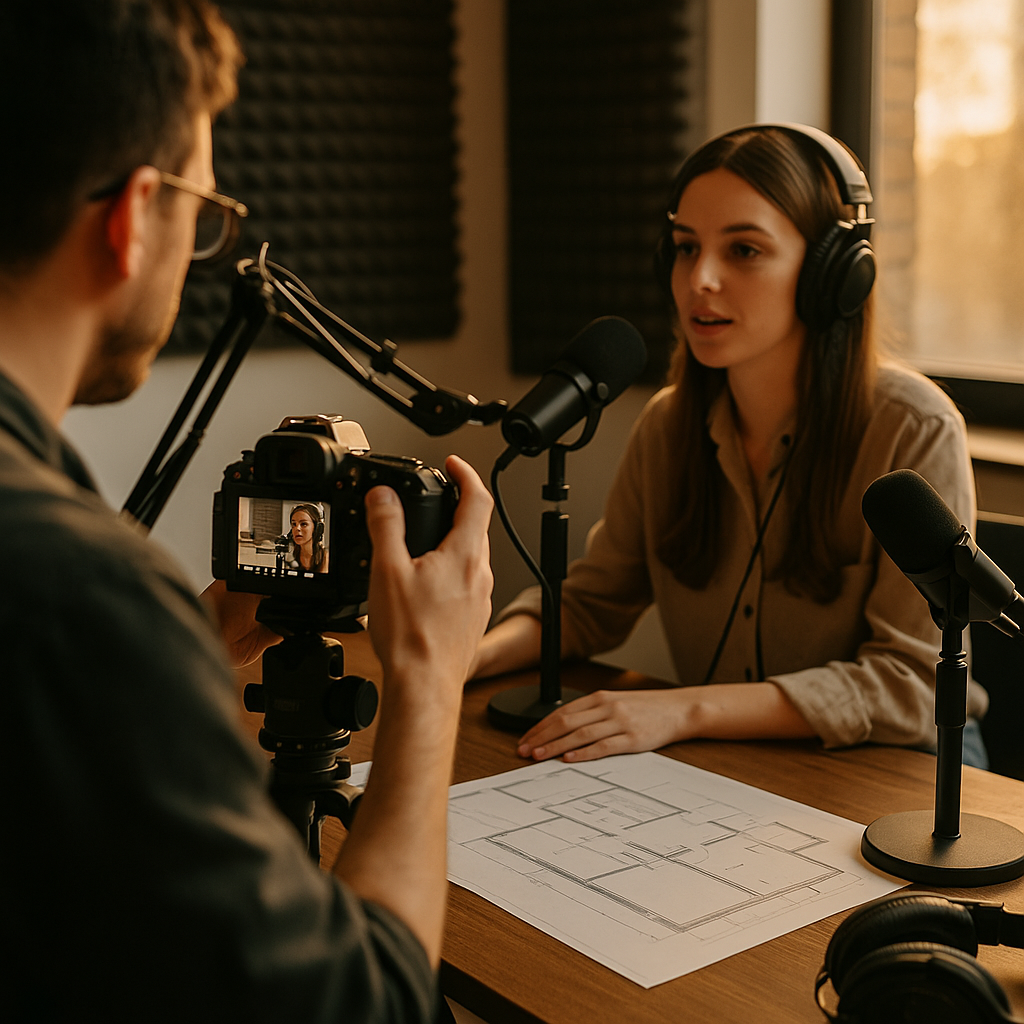
QYOU Media built Chatter Studios as a hybrid: a centralized production and talent management arm that develops, films, and distributes creator-style content across owned and licensed channels. It’s not a full agency replacement, and it’s not a scrappy one-person content team either. It sits in the middle, and that middle ground is exactly where most brands should be aiming.
The brands that succeed with in-house creator studios treat them as a media operation with a P&L, not a marketing side project with a budget line.
What Chatter Studios Got Right From Day One
Chatter Studios didn’t try to replace every external creator relationship. Instead, it built a repeatable production pipeline: consistent formats, a bench of recurring talent, and a distribution engine that could push content across multiple owned properties simultaneously. That repeatability is the entire point. One-off viral wins don’t build a studio. Systems do.
- Standardized content formats that could be reused across markets and languages
- A small core team (producers, editors, a talent liaison) instead of a bloated department
- Distribution partnerships that reduced reliance on any single platform’s algorithm
The Build vs. Buy Question You Can’t Skip
Before anyone approves headcount for an in-house creator studio, finance is going to ask the obvious question: why not just keep paying the agency? It’s a fair one. The real answer lives in total cost of ownership, not sticker price. Our build vs buy TCO breakdown shows that in-house models often look more expensive in months one through six and cheaper by month eighteen, once you account for agency markup compounding on every campaign cycle.
Here’s the uncomfortable part nobody puts in the pitch deck: an in-house studio doesn’t eliminate external spend, it changes what you’re paying for. You’ll still license music, still pay talent, still need legal review on usage rights. What disappears is the agency’s production markup and the slow approval cycle that comes with outsourcing creative control.
If your organization is also weighing dark posting infrastructure or paid amplification tooling alongside studio production, it’s worth reading the dark posting build vs buy framework before locking in your studio’s tech stack. The two decisions are related. A studio that produces content but can’t legally amplify it across paid channels is only doing half the job.
Sizing the Team Without Overbuilding
Chatter Studios kept its core team lean and leaned on flexible talent rosters instead of full-time creator employment. That’s a deliberate choice, and it’s the right one for most mid-market brands. Here’s a rough staffing baseline that scales with content volume:
- Studio lead: owns the content calendar, brand voice, and cross-functional relationships with legal and finance
- Producer/editor (1 to 2): handles the actual production pipeline, from shoot to post
- Talent relations manager: manages the creator bench, contracts, and usage rights renewals
- Rights and compliance liaison: often part-time or shared with legal, but non-negotiable once you’re producing at volume
Skip the talent relations role and you’ll find yourself renegotiating usage rights every quarter under time pressure. That’s a self-inflicted wound. Our piece on forecasting headcount before scaling walks through how to model this growth curve so you’re not hiring reactively after a compliance scare.
Governance Is the Part Nobody Budgets For
An in-house studio produces more content, faster, which sounds great until legal flags a usage rights gap on a piece that’s already live across five channels. Chatter Studios’ model bakes rights management into the production workflow itself rather than treating it as a post-production check. That’s the difference between a studio that scales safely and one that becomes a liability.
Brands running licensed creator content across regions also need to think about regional compliance differently than they did with agency-managed campaigns, where the agency often absorbed that risk. Bring production in-house and that risk transfers to you. The regional compliance playbook is a useful companion document here, especially if your studio is producing content for markets with different disclosure rules under bodies like the FTC or the UK’s ICO.
Every piece of content your studio produces creates a rights trail. If you can’t trace usage permissions back to a signed agreement in under five minutes, you don’t have a studio, you have exposure.
Whitelisting and licensing governance deserve their own org chart, not an afterthought bolted onto marketing ops. For teams building this out, the whitelisting rights org chart maps who owns what across legal, media, and creative.
What Actually Gets Measured
Here’s where most in-house studio pitches fall apart at the board level: they can’t translate content output into revenue language. Views and engagement rate don’t survive a CFO review. QYOU Media’s public reporting leans on distribution reach and licensing revenue, which is a smart pivot for any brand studio trying to justify continued investment.
If your studio is producing commerce-adjacent content, tie output directly to purchase intent metrics rather than vanity engagement. Our purchase intent KPI framework is built for exactly this translation problem. And if you’re presenting studio performance upward, the CFO-ready revenue reporting guide will save you from getting your budget cut after a strong quarter simply because you reported the wrong numbers.
A few KPIs worth tracking from month one:
- Cost per content unit compared against your last twelve months of agency invoices
- Time from brief to published asset (this should shrink dramatically, and if it doesn’t, your workflow is broken)
- Rights renewal rate on recurring talent (a proxy for whether your studio culture is actually working)
- Distribution reach per asset across owned versus paid channels
The Failure Mode Everyone Underestimates
The most common way in-house studios fail isn’t budget overrun. It’s creative fatigue. A small internal team producing at agency-level volume burns out fast, and burnout shows up as declining content quality long before it shows up in an exit interview. Chatter Studios’ rotating talent bench model exists specifically to prevent this: the core team manages process and quality control, while the creative load gets distributed across a wider pool of recurring and rotating talent.
If you’re building retainer relationships with that talent pool, structure them the way you’d structure any long-term vendor relationship, not as one-off gig work. The multi-year retainer framework covers how to lock in consistency without overpaying for exclusivity you don’t actually need.
Tooling matters here too. A lot of in-house studios stall out because they’re running production on a patchwork of disconnected tools: one app for scheduling, another for asset management, a spreadsheet for rights tracking. Platforms evaluated using something like the five-pillar platform scoring framework tend to consolidate this mess faster than building custom internal tools, which is usually a distraction from the actual content mission.
Where This Goes Wrong (And How to Avoid It)
The single biggest planning mistake is treating the studio launch as a one-time project instead of an ongoing operating unit with its own roadmap. Studios that survive past year one have a quarterly content strategy, a refreshed talent bench, and a rights audit cadence. Studios that don’t survive tend to have launched with a big content sprint, a press release, and no plan for month four.
Second mistake: underestimating platform dependency risk. If your entire distribution strategy assumes one platform’s algorithm stays favorable, you’re building on borrowed time. Diversify distribution the way Chatter Studios diversified talent, across multiple channels and formats, so no single platform policy change can sink your output.
For teams benchmarking their own content team’s productivity against industry standards, tools like Sprout Social’s content performance benchmarks or HubSpot’s marketing operations research offer useful external calibration points beyond internal dashboards.
Frequently Asked Questions
What is an in-house creator studio?
An in-house creator studio is a brand-owned team or division that produces creator-style content directly, rather than outsourcing production entirely to external agencies or individual creators. It typically combines a core production staff with a managed roster of recurring talent.
How much does it cost to build an in-house creator studio?
Costs vary widely by scale, but most mid-market brands should budget for a core team of three to five people, ongoing talent fees, production equipment or facilities, and rights management tooling. Total cost of ownership often exceeds initial agency spend in the first six months before dropping below it as volume increases.
Is the Chatter Studios model only relevant for media companies?
No. While QYOU Media operates in entertainment, the underlying structure, a lean core team supported by a managed talent bench with centralized rights governance, applies to consumer brands, retail, and B2B companies producing recurring creator content.
What’s the biggest risk of moving production in-house?
Rights and usage compliance risk transfers from the agency to the brand. Without a dedicated rights and compliance function built into the production workflow, brands can quickly accumulate untracked licensing exposure across multiple channels.
How do you measure ROI on an in-house creator studio?
Track cost per content unit against historical agency spend, time from brief to published asset, talent retention or renewal rates, and downstream purchase intent or conversion metrics rather than relying solely on engagement or view counts.
The next step isn’t a bigger deck, it’s a thirty-day pilot: pick one content format, staff it with three people, and track cost-per-unit against your last agency invoice before you commit to a full studio buildout.
Top Influencer Marketing Agencies
The leading agencies shaping influencer marketing in 2026
Agencies ranked by campaign performance, client diversity, platform expertise, proven ROI, industry recognition, and client satisfaction. Assessed through verified case studies, reviews, and industry consultations.
Moburst

-
2

The Shelf
Boutique Beauty & Lifestyle Influencer AgencyA data-driven boutique agency specializing exclusively in beauty, wellness, and lifestyle influencer campaigns on Instagram and TikTok. Best for brands already focused on the beauty/personal care space that need curated, aesthetic-driven content.Clients: Pepsi, The Honest Company, Hims, Elf Cosmetics, Pure LeafVisit The Shelf → -
3

Audiencly
Niche Gaming & Esports Influencer AgencyA specialized agency focused exclusively on gaming and esports creators on YouTube, Twitch, and TikTok. Ideal if your campaign is 100% gaming-focused — from game launches to hardware and esports events.Clients: Epic Games, NordVPN, Ubisoft, Wargaming, Tencent GamesVisit Audiencly → -
4

Viral Nation
Global Influencer Marketing & Talent AgencyA dual talent management and marketing agency with proprietary brand safety tools and a global creator network spanning nano-influencers to celebrities across all major platforms.Clients: Meta, Activision Blizzard, Energizer, Aston Martin, WalmartVisit Viral Nation → -
5

The Influencer Marketing Factory
TikTok, Instagram & YouTube CampaignsA full-service agency with strong TikTok expertise, offering end-to-end campaign management from influencer discovery through performance reporting with a focus on platform-native content.Clients: Google, Snapchat, Universal Music, Bumble, YelpVisit TIMF → -
6

NeoReach
Enterprise Analytics & Influencer CampaignsAn enterprise-focused agency combining managed campaigns with a powerful self-service data platform for influencer search, audience analytics, and attribution modeling.Clients: Amazon, Airbnb, Netflix, Honda, The New York TimesVisit NeoReach → -
7

Ubiquitous
Creator-First Marketing PlatformA tech-driven platform combining self-service tools with managed campaign options, emphasizing speed and scalability for brands managing multiple influencer relationships.Clients: Lyft, Disney, Target, American Eagle, NetflixVisit Ubiquitous → -
8

Obviously
Scalable Enterprise Influencer CampaignsA tech-enabled agency built for high-volume campaigns, coordinating hundreds of creators simultaneously with end-to-end logistics, content rights management, and product seeding.Clients: Google, Ulta Beauty, Converse, AmazonVisit Obviously →