


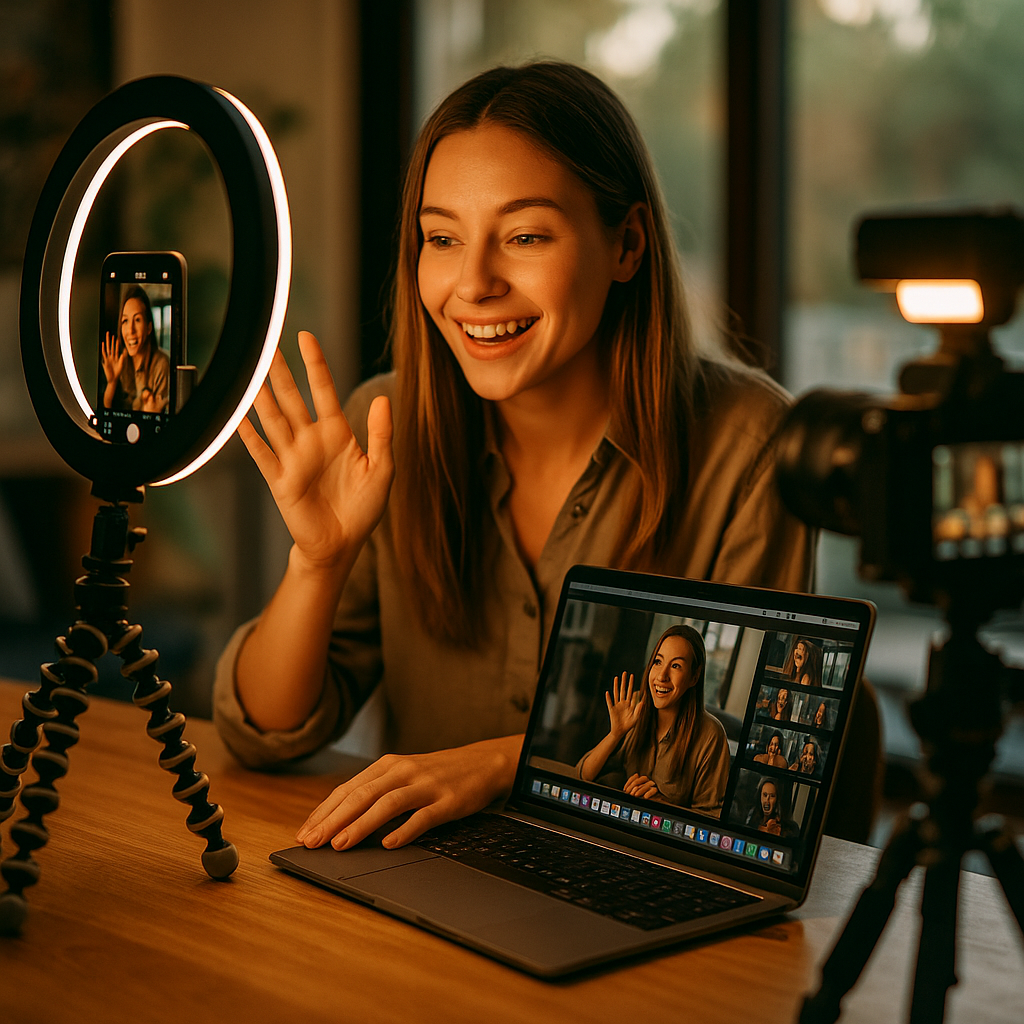
The growth of influencer-led media companies has redefined how content is created, distributed, and monetized. Today, influencers are building powerful brands that rival traditional media. As this evolution accelerates in 2025, what does it mean for creators, advertisers, and audiences? Dive in to discover how these dynamic enterprises are reshaping the digital media landscape.
The Shift from Traditional Media to Influencer-Led Media Companies
Traditional media institutions dominated news and entertainment for decades. However, the digital revolution has diminished their gatekeeping power. Instead, influencers—digital natives with niche expertise and loyal audiences—are building thriving media companies around their personal brands. In 2025, influencer-led ventures harness platforms like YouTube, TikTok, and Instagram to reach millions, providing highly targeted content that outpaces mainstream competitors in engagement and adaptability.
This seismic shift has been fueled by several factors:
- Direct Audience Connection: Influencers maintain two-way communication, fostering community trust absent from traditional outlets.
- Agile Content Production: With lean teams and minimal bureaucracy, influencer-led media respond rapidly to trends and audience feedback.
- Platform Leverage: Social media’s algorithms favor personal interaction and niche relevance, boosting influencer content above generic broadcasts.
As a result, influencer-driven media enterprises now command both attention and advertising dollars, prompting old-guard media to reconsider their own models and partnerships.
Key Strategies Behind Successful Influencer-Led Media Brands
Building a scalable media company around an influencer requires far more than follower counts. Successful brands employ strategic, data-driven approaches for robust, sustainable growth. In 2025, these strategies include:
- Multi-Platform Expansion: Leading influencers distribute content across diverse channels—video, podcasts, newsletters, and community platforms—to mitigate algorithm risks and reach broader audiences.
- Content Diversification: Expanding formats, from educational courses to exclusive events and merchandising, enables creators to deliver ongoing value while future-proofing revenue streams.
- Community Building: Dedicated fan bases foster higher retention. Interactive features, private memberships, and engaging live streams deepen loyalty beyond superficial follows.
- Professionalization: Influencers now hire experienced teams—producers, editors, marketers, legal advisors—to elevate their content and operations to professional standards.
These strategies empower influencers to build lasting companies that outgrow their personalities, setting the stage for future expansion or sale.
Monetization Models in Influencer-Driven Media
How do influencer-led media companies generate revenue in 2025? The monetization mix goes far beyond sponsored content. Influencers maximize earnings through:
- Brand Partnerships: Long-term collaborations with brands seeking authentic connections tap into influencers’ trusted recommendations, driving premium advertising rates and recurring deals.
- Direct-to-Consumer (DTC) Sales: From branded merchandise to exclusive online courses, many creators sell products directly to their fans, controlling both margins and customer relationships.
- Subscription Models: Platforms like Patreon, Substack, and their own websites empower influencers to monetize premium content, offering ad-free experiences, early access, or exclusive perks to paying members.
- Licensing and Syndication: Influencer-created videos, articles, and IP are increasingly licensed to other outlets, expanding reach and recurring revenue.
- Live Events and Virtual Experiences: Hosted seminars, fan meetups, and ticketed webinars unlock additional income while cementing community bonds.
The diversification of revenue lowers risk and increases resilience, a key factor in the continued expansion of influencer-led media companies.
The Impact on Audiences and Advertisers
The growth of influencer-led media companies in 2025 directly shapes how audiences consume content and how brands allocate their ad budgets. Audiences now enjoy:
- Authenticity and Trust: Influencers often disclose their behind-the-scenes processes and maintain higher transparency, attracting discerning viewers.
- Personalization: Niche creators deliver specialized content that resonates deeply with targeted interests and communities.
- Higher Engagement: Interactive content formats and real-time feedback mechanisms foster active audience participation.
For advertisers, this ecosystem offers:
- Targeted Reach: Campaigns can pinpoint specific demographics via influencer insights and analytics, optimizing ROI.
- Agile Adaptation: Rapid feedback cycles enable brands to iterate and improve messaging in close collaboration with creators.
- Story-Driven Campaigns: Influencer narratives enhance brand storytelling, driving stronger brand recall than traditional ads.
As a result, advertisers are reallocating larger shares of their budgets to influencer partnerships, often integrating them as long-term brand ambassadors rather than one-off campaign spokespeople.
Challenges and Ethical Considerations for Influencer-Led Media
Despite their meteoric rise, influencer-led media companies face notable challenges and ethical issues in 2025. These include:
- Content Authenticity: Pressure to commercialize can compromise authenticity, risking trust if followers sense inauthentic endorsements.
- Disclosure and Transparency: Regulatory bodies continue to tighten requirements on sponsorship disclosures, with noncompliance risking fines and reputational harm.
- Content Saturation: As more aspiring creators join the space, standing out requires constant innovation to avoid audience fatigue.
- Mental Health: Influencers and their teams must balance engagement with boundaries to prevent burnout and maintain quality output.
- Platform Dependence: Algorithm changes and policy shifts can dramatically impact reach and revenue, underscoring the need for owned channels and diversified monetization strategies.
Leaders in this space navigate these minefields by investing in compliance, championing transparency, and prioritizing both team and audience wellbeing.
The Future of Influencer-Led Media Companies
What lies ahead in 2025 and beyond? The most promising influencer-led media companies are evolving into full-scale multimedia brands, with diversified investments and sophisticated operations. Expect to see:
- Cross-Industry Expansion: Top creators are moving into publishing, tech, and even investing, building business ecosystems that transcend original platforms.
- AI and Personalization: Advanced analytics, automated content creation, and AI-driven recommendation engines empower individualized experiences at scale.
- Greater Regulation: Ongoing government scrutiny and industry standardization will further professionalize the sector.
- Mergers and Acquisitions: Established media and tech companies are partnering with or acquiring influencer-led companies to remain competitive and relevant.
This evolution signals the maturation of influencer businesses from trend-driven upstarts to pillars of the digital media industry, shaping the future of content, commerce, and community.
Frequently Asked Questions
- What is an influencer-led media company?
An influencer-led media company is a business built around an individual creator (or group) who produces content and monetizes their audience through advertising, products, and other revenue streams. These companies leverage the creator’s brand, reach, and trust with their community. - How do influencers make money besides sponsorships?
Influencers diversify income through merchandise, paid subscriptions, digital courses, live events, platform ad revenue, licensing content, and sometimes launching their own brands or product lines. - Why are brands increasingly working with influencer-led media companies?
Brands value the authentic, targeted reach that influencers provide. Influencer-led content typically achieves higher engagement and conversion rates compared to traditional advertising, making it a smart investment in 2025. - What are the main risks for influencer-led media companies?
Key risks include platform dependence, regulatory changes, content oversaturation, and the challenge of maintaining authenticity and audience trust at scale. - How can new creators start building their own media company?
Aspiring creators should focus on a niche, build trust with a core audience, diversify content formats, invest in professional operations early, and prioritize ethical practices and transparent sponsorships.
The rise of influencer-led media companies in 2025 marks a new era in content and commerce. By prioritizing authenticity, strategic diversification, and professionalization, creators can build lasting brands that transform the global media landscape—and offer enormous opportunities to audiences and advertisers alike.
Top Influencer Marketing Agencies
The leading agencies shaping influencer marketing in 2026
Agencies ranked by campaign performance, client diversity, platform expertise, proven ROI, industry recognition, and client satisfaction. Assessed through verified case studies, reviews, and industry consultations.
Moburst

-
2

The Shelf
Boutique Beauty & Lifestyle Influencer AgencyA data-driven boutique agency specializing exclusively in beauty, wellness, and lifestyle influencer campaigns on Instagram and TikTok. Best for brands already focused on the beauty/personal care space that need curated, aesthetic-driven content.Clients: Pepsi, The Honest Company, Hims, Elf Cosmetics, Pure LeafVisit The Shelf → -
3

Audiencly
Niche Gaming & Esports Influencer AgencyA specialized agency focused exclusively on gaming and esports creators on YouTube, Twitch, and TikTok. Ideal if your campaign is 100% gaming-focused — from game launches to hardware and esports events.Clients: Epic Games, NordVPN, Ubisoft, Wargaming, Tencent GamesVisit Audiencly → -
4

Viral Nation
Global Influencer Marketing & Talent AgencyA dual talent management and marketing agency with proprietary brand safety tools and a global creator network spanning nano-influencers to celebrities across all major platforms.Clients: Meta, Activision Blizzard, Energizer, Aston Martin, WalmartVisit Viral Nation → -
5

The Influencer Marketing Factory
TikTok, Instagram & YouTube CampaignsA full-service agency with strong TikTok expertise, offering end-to-end campaign management from influencer discovery through performance reporting with a focus on platform-native content.Clients: Google, Snapchat, Universal Music, Bumble, YelpVisit TIMF → -
6

NeoReach
Enterprise Analytics & Influencer CampaignsAn enterprise-focused agency combining managed campaigns with a powerful self-service data platform for influencer search, audience analytics, and attribution modeling.Clients: Amazon, Airbnb, Netflix, Honda, The New York TimesVisit NeoReach → -
7

Ubiquitous
Creator-First Marketing PlatformA tech-driven platform combining self-service tools with managed campaign options, emphasizing speed and scalability for brands managing multiple influencer relationships.Clients: Lyft, Disney, Target, American Eagle, NetflixVisit Ubiquitous → -
8

Obviously
Scalable Enterprise Influencer CampaignsA tech-enabled agency built for high-volume campaigns, coordinating hundreds of creators simultaneously with end-to-end logistics, content rights management, and product seeding.Clients: Google, Ulta Beauty, Converse, AmazonVisit Obviously →