


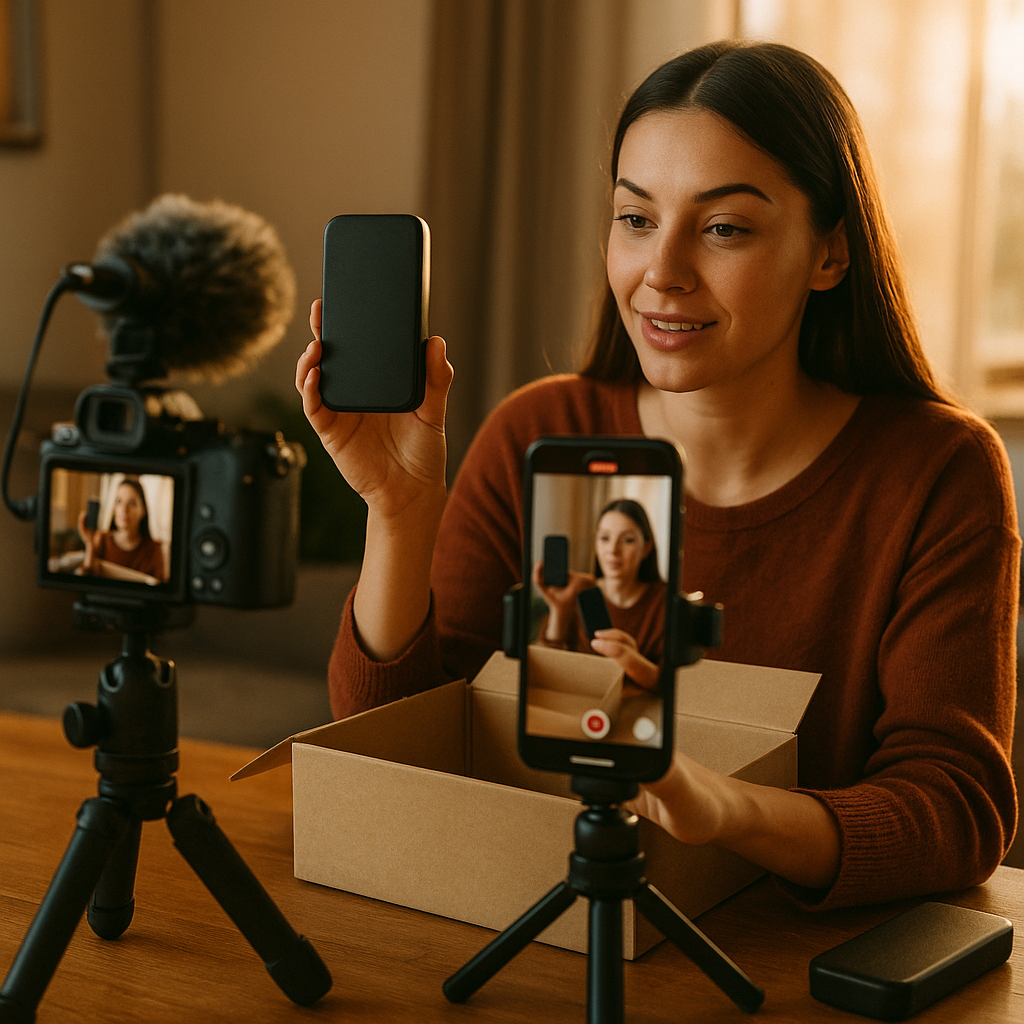
Launching a new product with a strong influencer strategy? A winning go-to-market strategy for an influencer-led product requires meticulous planning, research, and collaboration. In this guide, discover how to empower your launch, leverage influencer partnerships, and break through a crowded market—maximizing your ROI and long-term brand success.
Understanding the Influencer-Led Product Landscape
The influencer marketing ecosystem in 2025 is a dynamic arena. Modern consumers trust influencer recommendations, with recent reports from Influencer Marketing Hub showing that 78% of buyers discover new products via influencers. Building a comprehensive go-to-market strategy for an influencer-led product starts with grasping these market realities and tailoring your approach.
Here’s why influencer-led products stand out:
- Authenticity: Influencers create organic content that resonates better than traditional ads.
- Hyper-targeting: Influencers connect brands with niche communities.
- Trust capital: Their endorsements build instant credibility for new launches.
The challenge? An overcrowded social feed and growing skepticism about paid recommendations. To differentiate, your go-to-market plan must go beyond a one-off post—focusing instead on sustained, transparent, and data-backed campaigns. This starts with comprehensive audience and competitor research, laying the foundation for every subsequent step.
Building a Data-Driven Audience and Influencer Strategy
Effective market entry depends on knowing precisely who your target customers are and partnering with the right influencers. This section covers how to harness data for an informed, impactful strategy:
- Audience Segmentation: Use advanced analytics to dissect demographics, interests, and purchasing habits. Platforms like TikTok Insights and Meta’s Audience Manager are invaluable for mapping where your targets are most active in 2025.
- Influencer Selection: Choose influencers based on relevance, engagement rate (ideally >3%), and historical campaign ROI, not just follower count. Recent data suggests nano and micro-influencers (1k–100k followers) generate 60% higher engagement than megastars.
- Authenticity Audit: Examine past collaborations, audience sentiment, and overall brand fit to ensure influencer voices genuinely align with your product values.
Craft detailed influencer briefs outlining expectations, deliverables, and KPIs—ensuring both creative freedom and strategic alignment from the outset. This rigorous approach prevents costly misalignments and unlocks long-term value.
Designing Your Go-to-Market Framework and Timeline
With research in hand, it’s time to build a robust framework. A successful go-to-market timeline for influencer-led products encompasses several synchronized components:
- Pre-Launch (Teasing & Education): Use influencers to drop hints, share product development stories, and gather early feedback. This phase builds anticipation while priming your core audience.
- Launch Activation: Schedule coordinated influencer content, live streams, AMAs, and product reveals. Measuring in real time, adapt messaging to maximize reach and engagement.
- Post-Launch Momentum: Sustain buzz with review content, customer testimonials, and interactive Q&As. Repurpose the best UGC (User Generated Content) across your owned digital channels to extend campaign reach.
Document every milestone and assign clear responsibilities—whether internal marketing leads, agency partners, or influencers themselves. Use project management tools to visualize campaign progression and optimize on the fly.
Aligning Stakeholders and Ensuring Regulatory Compliance
Transparency and trust underpin successful influencer marketing. In 2025, both consumers and regulatory bodies demand rigorous disclosure and brand safety measures. To stay credible and compliant:
- Disclosures: Ensure all influencer content is labeled #ad, #sponsored, or with platform-specific disclosure tools, as per FTC and regional guidelines.
- Contracts & Approvals: Negotiate clear, legally sound contracts highlighting usage rights, payment terms, and performance expectations. Factor in exclusivity clauses if necessary.
- Briefing and Training: Regularly update influencers and internal teams on evolving policies. In 2025, brands are facing increased scrutiny from platforms, so robust training prevents costly violations.
Internally, align all key stakeholders—product, legal, marketing, and sales—on strategy, escalation processes, crisis management, and measurement frameworks to ensure consistent messaging and minimize risks.
Measuring, Optimizing, and Scaling for Long-Term Success
A great go-to-market strategy is never ‘set and forget’. Iteration is key. Employ these best practices to ensure sustainable growth and maximize both short- and long-term returns from your influencer-led product:
- KPIs and Analytics: Track conversion rates, branded search lift, engagement metrics, and CAC (customer acquisition cost). Use dynamic attribution platforms to understand which influencers and channels drive the most value.
- Iterative Creative Testing: Experiment with formats, messaging, and timing based on real-time analytics to zero in on what performs best with your audiences.
- Feedback Loops: Regularly gather feedback from influencers, customers, and partners. Apply these insights to adjust not just ongoing content, but future product and messaging strategies.
- Scaling for Future Launches: Document learnings, successes, and pitfalls. Build scalable influencer relationship frameworks—move top performers into ambassador programs and test emerging platforms to stay ahead of trends.
This continuous improvement mindset ensures that your next influencer-led product launch will be even more effective than your first.
Conclusion: The Formula for a High-Impact Influencer Product Launch
Developing a go-to-market strategy for an influencer-led product in 2025 means blending rigorous research, creative collaboration, and real-time data adaptation. Plan each phase intentionally, select partners wisely, and optimize constantly—unlocking rapid product awareness, lasting brand trust, and measurable sales growth in today’s fast-paced digital market.
Frequently Asked Questions
-
What defines a successful influencer-led product launch?
Success is a mix of strong sales, high engagement, increased brand visibility, and positive customer sentiment—achieved by matching the right influencers with the right audiences and continually optimizing campaign tactics.
-
How do I choose the best influencers for my product?
Focus on relevance, engagement quality, and alignment with your brand’s values. Use analytics to verify authentic reach and prioritize influencers whose audiences match your target customers, rather than those with just large followings.
-
How long should an influencer-led product go-to-market campaign last?
Ideally, campaigns run at least three to six months, covering pre-launch teasing, launch activation, and post-launch engagement to maintain sustained awareness and momentum.
-
Can small brands succeed with influencer-led launches?
Absolutely. Many small brands find micro- and nano-influencer partnerships even more cost-effective and authentic, driving targeted engagement and measurable results without the need for celebrity-level budgets.
-
What legal requirements must I consider?
In 2025, strict disclosure rules require transparent #ad or #sponsored tags, plus robust contracts covering deliverables, payments, and intellectual property rights. Regularly review regulatory guidelines for each target market.
Top Influencer Marketing Agencies
The leading agencies shaping influencer marketing in 2026
Agencies ranked by campaign performance, client diversity, platform expertise, proven ROI, industry recognition, and client satisfaction. Assessed through verified case studies, reviews, and industry consultations.
Moburst

-
2

The Shelf
Boutique Beauty & Lifestyle Influencer AgencyA data-driven boutique agency specializing exclusively in beauty, wellness, and lifestyle influencer campaigns on Instagram and TikTok. Best for brands already focused on the beauty/personal care space that need curated, aesthetic-driven content.Clients: Pepsi, The Honest Company, Hims, Elf Cosmetics, Pure LeafVisit The Shelf → -
3

Audiencly
Niche Gaming & Esports Influencer AgencyA specialized agency focused exclusively on gaming and esports creators on YouTube, Twitch, and TikTok. Ideal if your campaign is 100% gaming-focused — from game launches to hardware and esports events.Clients: Epic Games, NordVPN, Ubisoft, Wargaming, Tencent GamesVisit Audiencly → -
4

Viral Nation
Global Influencer Marketing & Talent AgencyA dual talent management and marketing agency with proprietary brand safety tools and a global creator network spanning nano-influencers to celebrities across all major platforms.Clients: Meta, Activision Blizzard, Energizer, Aston Martin, WalmartVisit Viral Nation → -
5

The Influencer Marketing Factory
TikTok, Instagram & YouTube CampaignsA full-service agency with strong TikTok expertise, offering end-to-end campaign management from influencer discovery through performance reporting with a focus on platform-native content.Clients: Google, Snapchat, Universal Music, Bumble, YelpVisit TIMF → -
6

NeoReach
Enterprise Analytics & Influencer CampaignsAn enterprise-focused agency combining managed campaigns with a powerful self-service data platform for influencer search, audience analytics, and attribution modeling.Clients: Amazon, Airbnb, Netflix, Honda, The New York TimesVisit NeoReach → -
7

Ubiquitous
Creator-First Marketing PlatformA tech-driven platform combining self-service tools with managed campaign options, emphasizing speed and scalability for brands managing multiple influencer relationships.Clients: Lyft, Disney, Target, American Eagle, NetflixVisit Ubiquitous → -
8

Obviously
Scalable Enterprise Influencer CampaignsA tech-enabled agency built for high-volume campaigns, coordinating hundreds of creators simultaneously with end-to-end logistics, content rights management, and product seeding.Clients: Google, Ulta Beauty, Converse, AmazonVisit Obviously →