


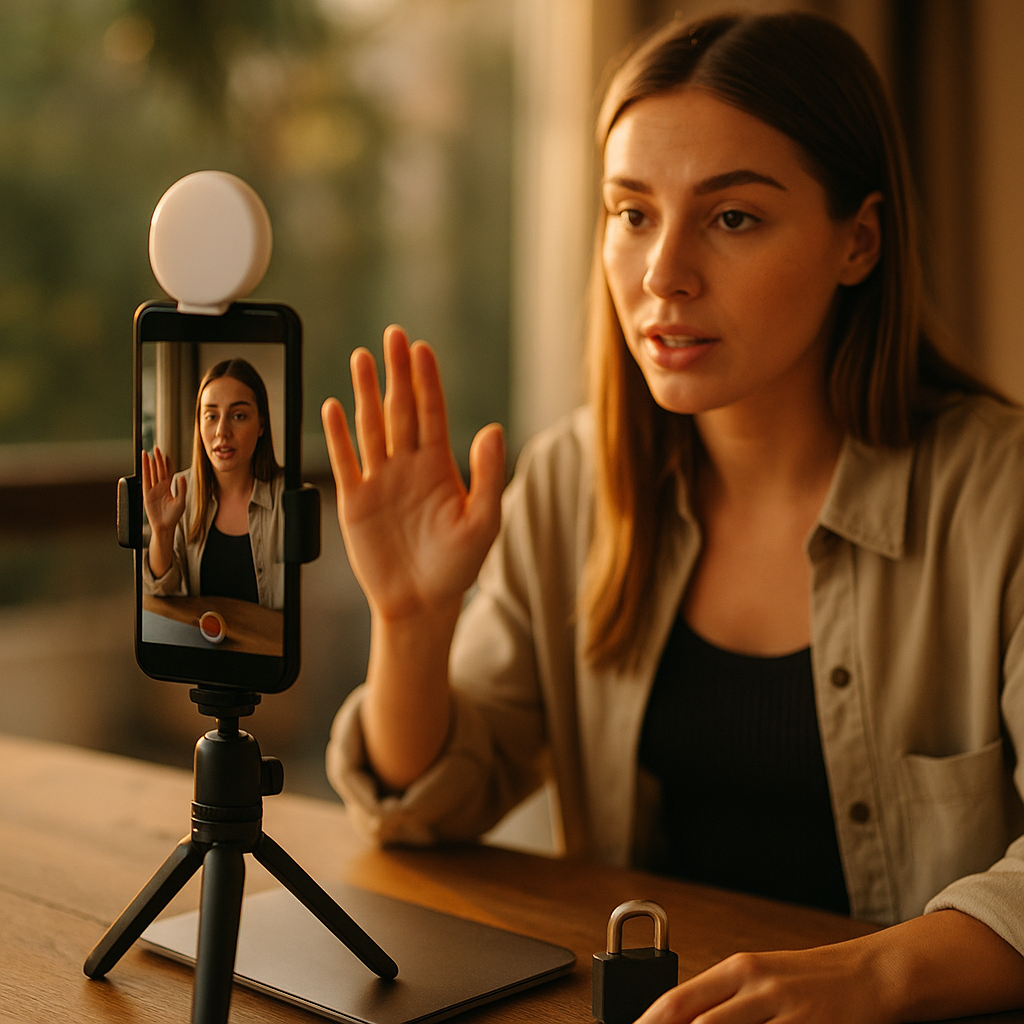
Influencer marketing in the age of data privacy regulations is evolving rapidly as new rules reshape how brands and creators connect with audiences. Understanding these changes is vital for effective, compliant campaigns. Marketers who adapt not only gain trust but also outperform competitors. How can your brand harness influencer marketing while navigating stricter data laws?
Understanding Data Privacy Regulations in Influencer Marketing
Data privacy regulations, such as GDPR and evolving US state laws, have transformed the influencer marketing landscape. These legal frameworks govern the collection, storage, and use of personal information, affecting online campaigns that run on user data. Influencer marketers must now secure explicit consent before gathering or processing followers’ information, ensuring transparency in all data-related activities.
The Federal Trade Commission (FTC) and other international bodies have increased oversight of social promotions, especially where consumer data or analytics are involved. Influencers and brands are held accountable for how they collect emails, track engagement, or retarget users. Non-compliance can result in hefty fines and reputational damage, making it crucial for marketers to stay informed of regulatory updates and best practices.
Privacy regulations require clear data processing purposes, minimal data collection, and secure storage protocols. Marketers must work closely with influencers to disclose all data practices, including the use of cookies, analytics tools, and audience insights. This transparency not only fulfills legal requirements but also strengthens audience trust.
Building Consumer Trust Through Transparency and Ethical Data Usage
As privacy concerns increase, trust is the cornerstone of effective influencer marketing. Today’s consumers expect ethical handling of their data and clear communication about how their information is used. Transparent, authentic influencer campaigns foster loyalty and drive greater engagement.
It’s essential to outline data collection and usage in easy-to-understand language—both in influencer agreements and content disclosures. For example, sponsored Instagram posts should clarify whether user actions (like swiping up or clicking links) are tracked or analyzed, and provide an accessible privacy notice. Disclosures must be conspicuous and understandable to the average follower.
Many brands successfully balance compliance and creativity by investing in privacy-by-design strategies. They focus on collecting only data directly linked to campaign effectiveness, avoiding unnecessary or invasive tracking. Building a reputation for responsibility in data-driven influencer partnerships strengthens long-term brand equity and aligns with consumer values in 2025.
Choosing Influencers: Data Minimization and Vetting Processes
Finding the right influencer now goes beyond follower counts or engagement metrics. Brands must ensure influencer partners understand data privacy regulations and implement ethical data practices. This includes how creators collect and process their own followers’ data for contests, brand collaborations, or analytics.
Vetting processes have evolved to address compliance. Marketers should:
- Review influencer privacy policies and data handling practices.
- Assess whether influencers provide proper data collection disclosures to their audience.
- Ensure the influencer’s audience-gathering methods (such as email lists or sign-ups) use double opt-in or other consent verification tools aligned with current laws.
- Require documentation or proof of compliance, especially when targeting audiences in regions with strict privacy laws.
Collaboration contracts increasingly include privacy clauses, outlining data ownership, retention schedules, and breach procedures. By choosing influencers committed to compliance, brands reduce regulatory risk and uphold their reputation in the eyes of privacy-conscious audiences.
Leveraging First-Party Data in Influencer Marketing Strategies
With cookies and third-party data sources becoming less reliable, first-party data has risen to the forefront of influencer marketing. Collecting insights directly from consumers—through surveys, campaign sign-ups, or social interactions—enables marketers to personalize campaigns while respecting user privacy.
First-party data, when collected ethically, puts control in the hands of the audience. Brands and influencers equip followers with privacy choices, such as customizing information they share or opting out of tracking. This not only supports compliance but also empowers users.
Successful strategies include creating value-driven calls to action, such as exclusive offers or community memberships, in exchange for minimal, necessary data. Transparency about how this data is stored and used is non-negotiable, and privacy preferences must be easy to update or revoke. In 2025, brands that invest in robust first-party data systems stand out for their privacy-forward approach while driving measurable campaign outcomes.
Measuring Influencer Campaigns Without Breaching Consumer Privacy
Data privacy regulations pose new challenges in campaign measurement and ROI tracking. Traditional methods—like detailed user profiling or cross-platform retargeting—have become less accessible. However, brands can still gain valuable insights without violating audience trust or legal requirements.
Best practices for privacy-friendly measurement include:
- Using aggregated, anonymized analytics instead of personal identifiers.
- Focusing on macro metrics, such as engagement rates, reach, and conversions, without drilling down to individual user behavior.
- Implementing opt-in pixel tracking with clear explanations and consent mechanisms.
- Relying on platform-native analytics tools that already comply with the latest regulations.
Qualitative feedback, such as follower comments or post-campaign surveys, offers rich insights without extensive data collection. By championing privacy-first analytics, brands demonstrate responsible stewardship and establish a competitive advantage as digital privacy becomes mainstream.
Future Trends: Navigating Data Privacy and Influencer Innovation
The intersection of data privacy and influencer marketing continues to evolve in 2025. Artificial intelligence (AI) and machine learning are delivering smarter, privacy-centric insights by analyzing anonymized user data, enabling precision targeting without invading personal boundaries.
Expect more brands and influencers to co-create privacy frameworks—such as standardized data consent templates or audience privacy dashboards—pioneering new norms for the industry. Social networks are also deploying advanced consent management tools and built-in transparency features to help campaigns comply seamlessly.
Finally, government agencies are expected to introduce clearer, unified privacy standards to reduce compliance complexity across markets. Staying ahead of these trends means investing in continuous education, monitoring regulatory changes, and building privacy expertise within influencer marketing teams.
Conclusion: Navigating Influencer Marketing in a Privacy-First Era
As data privacy regulations tighten in 2025, influencer marketing must prioritize ethical data use and consumer trust. By championing transparency, leveraging first-party data, and adopting privacy-friendly analytics, brands and influencers can achieve compliance and campaign success. The brands that thrive will keep privacy front and center—delivering genuine value while respecting their audience’s rights.
FAQs on Influencer Marketing and Data Privacy Regulations
-
What are the key privacy laws affecting influencer marketing in 2025?
Major regulations include the GDPR (for European consumers), US state-level privacy laws, and new global frameworks emphasizing transparency, consent, and data minimization. Brands must comply when collecting, analyzing, or storing data via influencer campaigns targeting these regions.
-
How do I ensure my influencer campaign is privacy-compliant?
Secure explicit consent for any data collection, use plain-language disclosures in influencer content, vet influencer partners for ethical data practices, and regularly review compliance with updated regulations.
-
Can I still measure influencer campaign results under strict privacy laws?
Yes—focus on anonymized, aggregated data and macro engagement metrics. Use platform-native analytics and obtain explicit consent for any tracking technologies used in campaigns.
-
What is first-party data and why is it important?
First-party data is information collected directly from your audience or customers (e.g., sign-ups, surveys). It is crucial as it gives brands consent-based, transparent insights while respecting consumer privacy.
-
Why should brands invest in privacy education for influencer marketing teams?
Continuous privacy education ensures teams stay compliant with evolving laws, build trust with consumers, and avoid costly fines or reputation damage, all while keeping influencer campaigns effective in a changing landscape.
Top Influencer Marketing Agencies
The leading agencies shaping influencer marketing in 2026
Agencies ranked by campaign performance, client diversity, platform expertise, proven ROI, industry recognition, and client satisfaction. Assessed through verified case studies, reviews, and industry consultations.
Moburst

-
2

The Shelf
Boutique Beauty & Lifestyle Influencer AgencyA data-driven boutique agency specializing exclusively in beauty, wellness, and lifestyle influencer campaigns on Instagram and TikTok. Best for brands already focused on the beauty/personal care space that need curated, aesthetic-driven content.Clients: Pepsi, The Honest Company, Hims, Elf Cosmetics, Pure LeafVisit The Shelf → -
3

Audiencly
Niche Gaming & Esports Influencer AgencyA specialized agency focused exclusively on gaming and esports creators on YouTube, Twitch, and TikTok. Ideal if your campaign is 100% gaming-focused — from game launches to hardware and esports events.Clients: Epic Games, NordVPN, Ubisoft, Wargaming, Tencent GamesVisit Audiencly → -
4

Viral Nation
Global Influencer Marketing & Talent AgencyA dual talent management and marketing agency with proprietary brand safety tools and a global creator network spanning nano-influencers to celebrities across all major platforms.Clients: Meta, Activision Blizzard, Energizer, Aston Martin, WalmartVisit Viral Nation → -
5

The Influencer Marketing Factory
TikTok, Instagram & YouTube CampaignsA full-service agency with strong TikTok expertise, offering end-to-end campaign management from influencer discovery through performance reporting with a focus on platform-native content.Clients: Google, Snapchat, Universal Music, Bumble, YelpVisit TIMF → -
6

NeoReach
Enterprise Analytics & Influencer CampaignsAn enterprise-focused agency combining managed campaigns with a powerful self-service data platform for influencer search, audience analytics, and attribution modeling.Clients: Amazon, Airbnb, Netflix, Honda, The New York TimesVisit NeoReach → -
7

Ubiquitous
Creator-First Marketing PlatformA tech-driven platform combining self-service tools with managed campaign options, emphasizing speed and scalability for brands managing multiple influencer relationships.Clients: Lyft, Disney, Target, American Eagle, NetflixVisit Ubiquitous → -
8

Obviously
Scalable Enterprise Influencer CampaignsA tech-enabled agency built for high-volume campaigns, coordinating hundreds of creators simultaneously with end-to-end logistics, content rights management, and product seeding.Clients: Google, Ulta Beauty, Converse, AmazonVisit Obviously →