


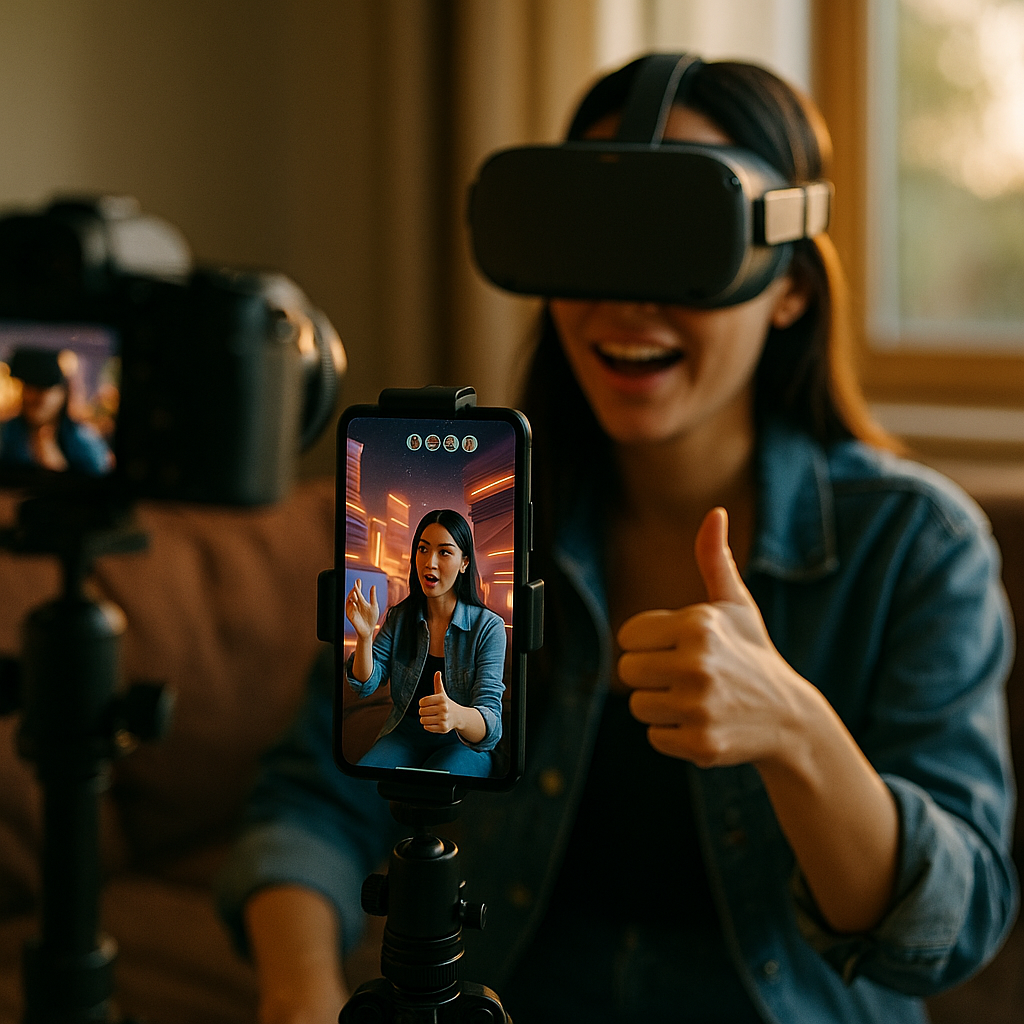
Influencer marketing in the metaverse is transforming digital brand strategies by unlocking immersive worlds and interactive consumer touchpoints. As brands step into virtual environments, early experiments reveal unique ways influencers shape user experiences and spark engagement. How are companies measuring success and what lessons can we learn from these pioneering efforts?
Early Metaverse Campaigns: Brand Awareness through Immersive Influencer Marketing
As the metaverse matures in 2025, brands are increasingly harnessing influencers to amplify their presence in virtual spaces. Unlike traditional social media, the metaverse offers interactive 3D environments where users engage more deeply with branded experiences. Early adopter brands such as luxury fashion houses, automotive giants, and gaming startups have all experimented with influencer-led activations.
For example, during the 2024 Metaverse Fashion Week, several premier labels partnered with digital influencers to showcase virtual clothing lines. Influencers not only modeled these digital assets but also hosted guided tours and live events within branded showrooms. Car manufacturers followed suit, leveraging gaming influencers to present virtual test drives of concept vehicles. These initiatives aimed to blur the boundary between entertainment and advertising, creating memorable experiences that boost brand awareness.
User Engagement Tactics: Influencer-Led Content Creation in Virtual Worlds
One of the most significant advantages of influencer marketing within the metaverse is dynamic content generation. Influencers are no longer limited to posts or videos; instead, they can co-create with users in real time. Livestream walkthroughs, backstage Q&A sessions, and avatar customization contests have become common.
Brands are careful to match the right influencer with the virtual environment and target audience. For instance, beauty brands collaborate with metaverse creators to launch interactive makeup tutorials using digital avatars. This enables users to experiment with looks or purchase branded skins for their own avatars. Similarly, entertainment companies host exclusive concerts where influencers act as hosts, moderators, and virtual meet-and-greet coordinators, offering fans a sense of community and direct engagement.
The power of such tactics lies in their ability to foster authentic community connections, making sponsored activities feel native to the metaverse rather than imposed advertisements.
Metrics and ROI: Measuring Success in Metaverse Influencer Collaborations
With the metaverse’s relatively new infrastructure, brands have redefined metrics to evaluate influencer marketing effectiveness. Traditional KPIs such as impressions and click-through rates still matter, but brands now place greater emphasis on user interaction time, avatar engagement, and conversion rates of digital assets.
- User Participation: Metrics track how many users interact with branded elements—attending events, purchasing digital goods, or completing interactive quests.
- Virality and Social Sharing: The ability for content to be remixed and shared by users amplifies campaign reach organically.
- Brand Recall and Sentiment: Feedback surveys and sentiment analysis tools native to metaverse platforms help brands gauge emotional resonance.
- Digital Asset Sales: Brands track the purchase and subsequent usage of virtual goods (e.g., branded wearables or NFT collectibles).
According to a 2025 study by Metaverse Analytics, campaigns that integrated influencers from the outset achieved on average a 40% higher engagement rate compared to those with more traditional advertising walks. Brands thus see influencer partnerships as a critical ingredient in unlocking metaverse ROI.
Challenges for Brands: Authenticity, Safety, and Choosing the Right Influencers
Even as metaverse influencer marketing promises significant opportunities, brands face new challenges. Chief among them is maintaining authenticity in an environment where the line between sponsored content and user-generated experiences can blur. Audiences, especially Gen Alpha and Z, expect transparency from both influencers and brands regarding paid collaborations, avatar identities, and data use.
Safety and moderation pose additional complexities. Influencers frequently interact with global audiences across decentralized platforms, raising questions about content moderation and user protection. Brands must assess the safety features of each metaverse platform, ensure compliance with advertising regulations, and establish clear guidelines with influencers to mitigate potential risks.
Crucially, selecting the right metaverse influencer requires more than just follower count. Brands analyze engagement quality, virtual event hosting skill, and the influencer’s cultural fit with the community. A carefully chosen collaborator can elevate campaigns; a poorly matched one may undermine trust and ROI.
Opportunities: Building Persistent Virtual Communities and Long-Term Brand Affinity
Beyond single-event campaigns, the most forward-thinking brands seek to build persistent virtual communities in partnership with influencers. These communities act as living touchpoints where brands extend storytelling and nurture loyalty over time. Influencers can serve as brand ambassadors, hosting recurring events, facilitating meaningful user-generated content, and acting as feedback conduits.
For instance, athletic brands have launched virtual training hubs where fitness influencers lead avatar-based workouts and competitions, encouraging repeat visits. Retailers create digital flagship stores staffed by knowledgeable influencer avatars who offer real-time advice and styling tips. These persistent virtual spaces allow brands to continuously refine their strategy based on real user behaviors and preferences.
In this evolving landscape, brands that successfully blend influencer creativity with authentic community-building stand to gain significant competitive advantage—and become reference points for future metaverse marketing.
The Future of Influencer Marketing in the Metaverse: Trends and Takeaways
As metaverse platforms expand and attract broader audiences, influencer marketing will continue to evolve. Artificial intelligence now enables smarter matchmaking between brands and virtual influencers, optimizing reach while preserving authenticity. Meanwhile, blockchain technology ensures greater transparency in sponsor-influencer relationships, bolstering trust among users.
Brands investing early in innovative, community-first influencer collaborations are charting the course for the next era of digital marketing. Continuous learning—gathering feedback, experimenting with new formats, and refining ethical standards—will be essential as both the metaverse and its influencers mature.
The metaverse remains, in many ways, a frontier. Yet early experiments in influencer marketing already hint at its vast potential, offering lessons for marketers ready to stake their claim in these immersive new worlds.
FAQs: Influencer Marketing in the Metaverse
-
What is metaverse influencer marketing?
Metaverse influencer marketing involves partnering with digital creators or virtual influencers to promote brands within immersive virtual environments. These campaigns can include hosting events, showcasing digital assets, or fostering interactive branded experiences.
-
How do brands measure metaverse influencer campaign success?
Brands measure success using metrics such as user participation, dwell time, digital asset sales, social sharing, and sentiment analysis. These help gauge both quantitative engagement and qualitative brand perception within the virtual space.
-
What are key challenges for metaverse influencer campaigns?
Challenges include maintaining authenticity, ensuring user safety, selecting the right influencer, and upholding advertising transparency. Navigating differing platform policies and moderation standards is also crucial.
-
How do brands find influencers in the metaverse?
Brands typically assess potential partners based on engagement quality, community fit, and experience hosting virtual events. Some use dedicated influencer matchmaking platforms or tap into existing metaverse creator communities for authentic collaborations.
-
What makes metaverse influencer marketing different from traditional social media?
Metaverse influencer marketing leverages 3D interactivity, avatar-based engagement, and persistent virtual spaces. This fosters immersive experiences and community-building unachievable through posts or stories alone.
Influencer marketing in the metaverse offers brands unprecedented opportunities to connect, create, and experiment. By learning from early campaigns and prioritizing authenticity, marketers can build meaningful virtual communities and lead digital innovation. The metaverse is only beginning to reveal its marketing potential—now is the time to explore its possibilities with purpose.
Top Influencer Marketing Agencies
The leading agencies shaping influencer marketing in 2026
Agencies ranked by campaign performance, client diversity, platform expertise, proven ROI, industry recognition, and client satisfaction. Assessed through verified case studies, reviews, and industry consultations.
Moburst

-
2

The Shelf
Boutique Beauty & Lifestyle Influencer AgencyA data-driven boutique agency specializing exclusively in beauty, wellness, and lifestyle influencer campaigns on Instagram and TikTok. Best for brands already focused on the beauty/personal care space that need curated, aesthetic-driven content.Clients: Pepsi, The Honest Company, Hims, Elf Cosmetics, Pure LeafVisit The Shelf → -
3

Audiencly
Niche Gaming & Esports Influencer AgencyA specialized agency focused exclusively on gaming and esports creators on YouTube, Twitch, and TikTok. Ideal if your campaign is 100% gaming-focused — from game launches to hardware and esports events.Clients: Epic Games, NordVPN, Ubisoft, Wargaming, Tencent GamesVisit Audiencly → -
4

Viral Nation
Global Influencer Marketing & Talent AgencyA dual talent management and marketing agency with proprietary brand safety tools and a global creator network spanning nano-influencers to celebrities across all major platforms.Clients: Meta, Activision Blizzard, Energizer, Aston Martin, WalmartVisit Viral Nation → -
5

The Influencer Marketing Factory
TikTok, Instagram & YouTube CampaignsA full-service agency with strong TikTok expertise, offering end-to-end campaign management from influencer discovery through performance reporting with a focus on platform-native content.Clients: Google, Snapchat, Universal Music, Bumble, YelpVisit TIMF → -
6

NeoReach
Enterprise Analytics & Influencer CampaignsAn enterprise-focused agency combining managed campaigns with a powerful self-service data platform for influencer search, audience analytics, and attribution modeling.Clients: Amazon, Airbnb, Netflix, Honda, The New York TimesVisit NeoReach → -
7

Ubiquitous
Creator-First Marketing PlatformA tech-driven platform combining self-service tools with managed campaign options, emphasizing speed and scalability for brands managing multiple influencer relationships.Clients: Lyft, Disney, Target, American Eagle, NetflixVisit Ubiquitous → -
8

Obviously
Scalable Enterprise Influencer CampaignsA tech-enabled agency built for high-volume campaigns, coordinating hundreds of creators simultaneously with end-to-end logistics, content rights management, and product seeding.Clients: Google, Ulta Beauty, Converse, AmazonVisit Obviously →