


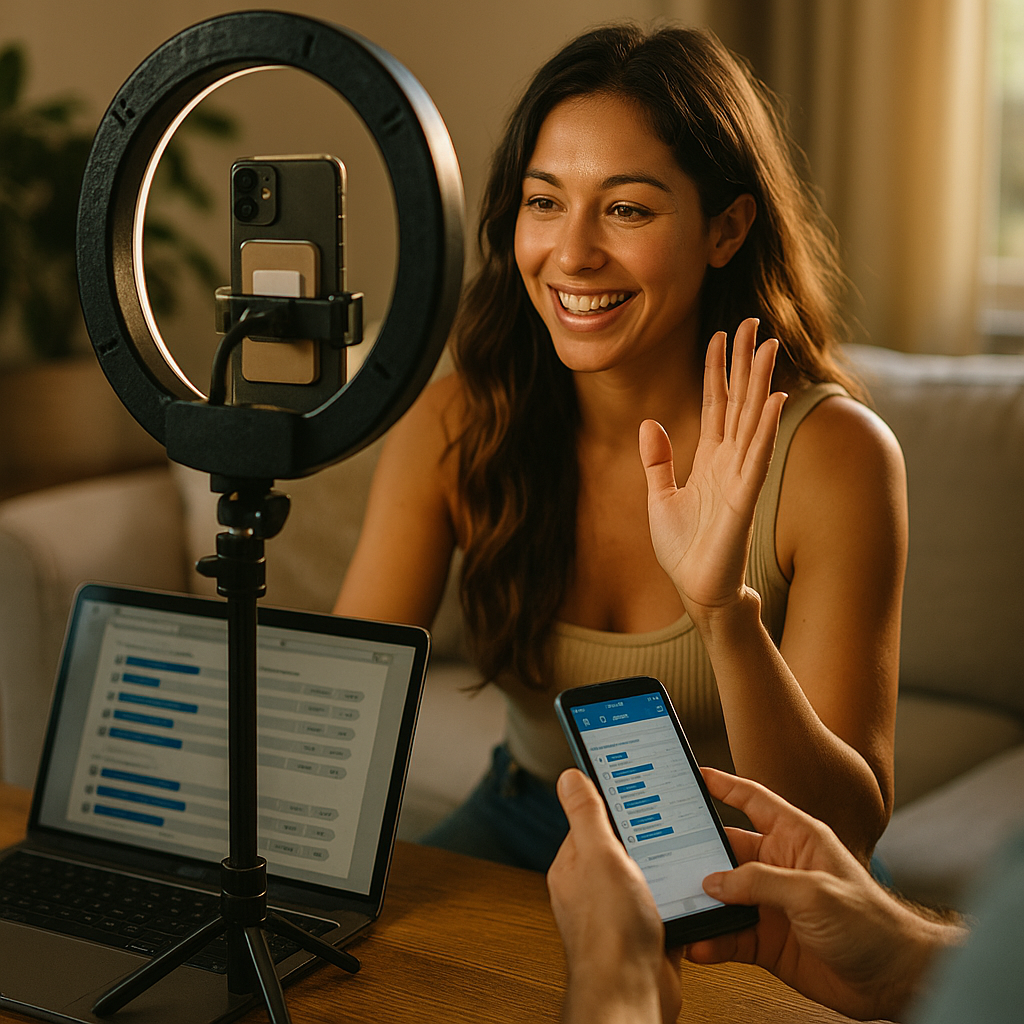
As third-party cookies disappear, brands are seeking smarter ways to gather customer insights. How to use influencers to gather first-party data post-cookie is a question driving innovation in the digital space. Read on to discover effective strategies, data privacy compliance tips, and proven influencer collaboration models that maximize value for brands and consumers alike.
Why Influencers Are Key to First-Party Data Collection
With privacy regulations tightening and cookies fading out, marketers need trusted sources to obtain quality first-party data. Influencer marketing provides this direct bridge to engaged audiences. Influencers are not just trendsetters; they also hold authentic relationships with their communities, making it easier for brands to gather valuable data through experiences, surveys, and opt-in mechanisms.
According to a 2024 Influencer Marketing Hub report, 69% of marketers cited influencer campaigns as instrumental in collecting customer insights post-cookie. Influencers facilitate data collection by:
- Hosting interactive campaigns where followers willingly provide data
- Encouraging participation in brand surveys
- Offering gated content, early access, or sweepstakes in exchange for consented information
These strategies create trust around data collection, enhancing both compliance and effectiveness.
Designing Value Exchanges to Encourage Opt-In
To gather first-party data effectively, you must offer audiences a clear, meaningful value proposition. Successful influencer collaborations center around a mutual exchange: audiences receive exclusive benefits, and brands collect valuable data, all with explicit consent.
Some high-performing value exchanges in 2025 include:
- Exclusive Content Drops: Access to new products or behind-the-scenes content for those who opt in
- Personalized Experiences: Custom recommendations or shout-outs, enabled by data shared by the user
- Loyalty Programs: Points or perks for sharing preferences and feedback
- Giveaways and Challenges: Entry requires sign-up or survey completion
Ensure influencers communicate transparently why data is collected and how it will be used. This enhances trust, leading to richer, more accurate data sets.
Maintaining Compliance and Transparency in Data Collection
Data privacy is at the heart of ethical first-party data collection. In 2025, regulations like the GDPR, CCPA, and region-specific guidelines have set clear standards for brands and influencers alike. Maintaining legal and ethical compliance requires rigorous attention to transparency and user consent.
- Clear Disclosures: Partner with influencers who can clearly articulate what data is being collected and for what purpose.
- Seamless Opt-In Flows: Implement branded landing pages or forms with concise privacy notices and one-click consent options.
- Data Minimization: Collect only the information needed for your stated goals to reduce risks and boost user trust.
- Audit Trails: Keep documentation of all consent and communication to demonstrate compliance if required.
Brands and influencers who practice data transparency not only mitigate risk but also foster long-term loyalty and credibility in the marketplace.
Choosing the Right Influencer Partnerships for Data Gathering
Not all influencers are suitable for first-party data initiatives. The key is to collaborate with creators whose audiences overlap with your target market and who demonstrate high engagement and trust.
Steps to identify ideal partners:
- Audience Alignment: Assess influencer demographics using platform analytics and third-party verification tools.
- Engagement Quality: Prioritize influencers whose comments and interactions suggest real community trust and openness.
- Track Record: Research past campaigns involving data collection and request case studies or references.
- Content Style: Choose partners who can effectively communicate the benefits of value exchanges and data sharing to their followers.
Many emerging platforms now offer built-in first-party data tools for creators, such as Instagram’s Lead Forms or TikTok’s Audience Insights, streamlining the collaboration process for brands in 2025.
Measuring the Success of Influencer-Led First-Party Data Campaigns
Performance measurement goes beyond traditional reach and impressions. Brands must focus on metrics that reflect data quality, user engagement, and business impact.
Key metrics for evaluating influencer-driven first-party data initiatives include:
- Opt-In Rates: Percentage of audience that provides data through influencer activations
- Data Accuracy: How reliable and actionable is the information provided?
- Subsequent Engagement: Repeat participation in campaigns and qualified conversions
- Lifetime Value: Long-term impact of first-party data on revenue and retention metrics
Brands in 2025 leverage CRM integrations and advanced analytics dashboards to track and optimize data-driven influencer campaigns in real time, ensuring continuous improvement.
Leveraging Collected Data for Enhanced Personalization
First-party data collected through influencer partnerships can transform marketing efforts across all channels. With direct audience insights, brands can build personalized email sequences, tailor product recommendations, and refine content strategies to boost relevance and ROI.
Best practices for putting first-party data to use:
- Segment Audiences: Use demographics, preferences, and behaviors captured in campaigns to create targeted segments.
- Personalize Offers: Deliver special promotions or content based on user interests and prior engagement.
- Close the Loop: Update influencers on campaign outcomes, sharing success stories with audiences to reinforce the value of participation.
As a result, brands build trusted relationships and edge ahead in the cookieless era while staying fully compliant with privacy requirements.
FAQs: Influencer-Led First-Party Data Collection Post-Cookie
-
How do influencers gather first-party data for brands?
Influencers collect first-party data by encouraging followers to participate in surveys, giveaways, exclusive content sign-ups, and interactive campaigns where users willingly provide their information via branded forms or landing pages. -
Is influencer-driven data collection compliant with privacy regulations?
Yes, when executed with clear disclosures, transparent consent processes, and adherence to global data protection standards such as GDPR and CCPA, influencer-driven data collection is fully compliant. -
What kind of data can brands collect through influencer collaborations?
Common data types include email addresses, demographics, preferences, purchase intentions, and feedback—always collected with explicit user consent. -
How do you measure the ROI of influencer-led data collection?
Measure opt-in rates, data accuracy, subsequent campaign engagement, and downstream metrics like customer lifetime value or conversion rates to assess the effectiveness of your influencer-driven data strategy. -
What platforms support first-party data gathering with influencers in 2025?
Platforms like Instagram, TikTok, and YouTube now offer integrated tools such as lead forms, in-app surveys, and direct audience insights, making first-party data collection easier and more scalable than ever.
In summary, leveraging influencers to gather first-party data post-cookie empowers brands with accurate, compliant, and actionable insights. By focusing on value exchange and privacy, brands can create lasting customer relationships and maintain marketing agility in the evolving digital landscape of 2025.
Top Influencer Marketing Agencies
The leading agencies shaping influencer marketing in 2026
Agencies ranked by campaign performance, client diversity, platform expertise, proven ROI, industry recognition, and client satisfaction. Assessed through verified case studies, reviews, and industry consultations.
Moburst

-
2

The Shelf
Boutique Beauty & Lifestyle Influencer AgencyA data-driven boutique agency specializing exclusively in beauty, wellness, and lifestyle influencer campaigns on Instagram and TikTok. Best for brands already focused on the beauty/personal care space that need curated, aesthetic-driven content.Clients: Pepsi, The Honest Company, Hims, Elf Cosmetics, Pure LeafVisit The Shelf → -
3

Audiencly
Niche Gaming & Esports Influencer AgencyA specialized agency focused exclusively on gaming and esports creators on YouTube, Twitch, and TikTok. Ideal if your campaign is 100% gaming-focused — from game launches to hardware and esports events.Clients: Epic Games, NordVPN, Ubisoft, Wargaming, Tencent GamesVisit Audiencly → -
4

Viral Nation
Global Influencer Marketing & Talent AgencyA dual talent management and marketing agency with proprietary brand safety tools and a global creator network spanning nano-influencers to celebrities across all major platforms.Clients: Meta, Activision Blizzard, Energizer, Aston Martin, WalmartVisit Viral Nation → -
5

The Influencer Marketing Factory
TikTok, Instagram & YouTube CampaignsA full-service agency with strong TikTok expertise, offering end-to-end campaign management from influencer discovery through performance reporting with a focus on platform-native content.Clients: Google, Snapchat, Universal Music, Bumble, YelpVisit TIMF → -
6

NeoReach
Enterprise Analytics & Influencer CampaignsAn enterprise-focused agency combining managed campaigns with a powerful self-service data platform for influencer search, audience analytics, and attribution modeling.Clients: Amazon, Airbnb, Netflix, Honda, The New York TimesVisit NeoReach → -
7

Ubiquitous
Creator-First Marketing PlatformA tech-driven platform combining self-service tools with managed campaign options, emphasizing speed and scalability for brands managing multiple influencer relationships.Clients: Lyft, Disney, Target, American Eagle, NetflixVisit Ubiquitous → -
8

Obviously
Scalable Enterprise Influencer CampaignsA tech-enabled agency built for high-volume campaigns, coordinating hundreds of creators simultaneously with end-to-end logistics, content rights management, and product seeding.Clients: Google, Ulta Beauty, Converse, AmazonVisit Obviously →