


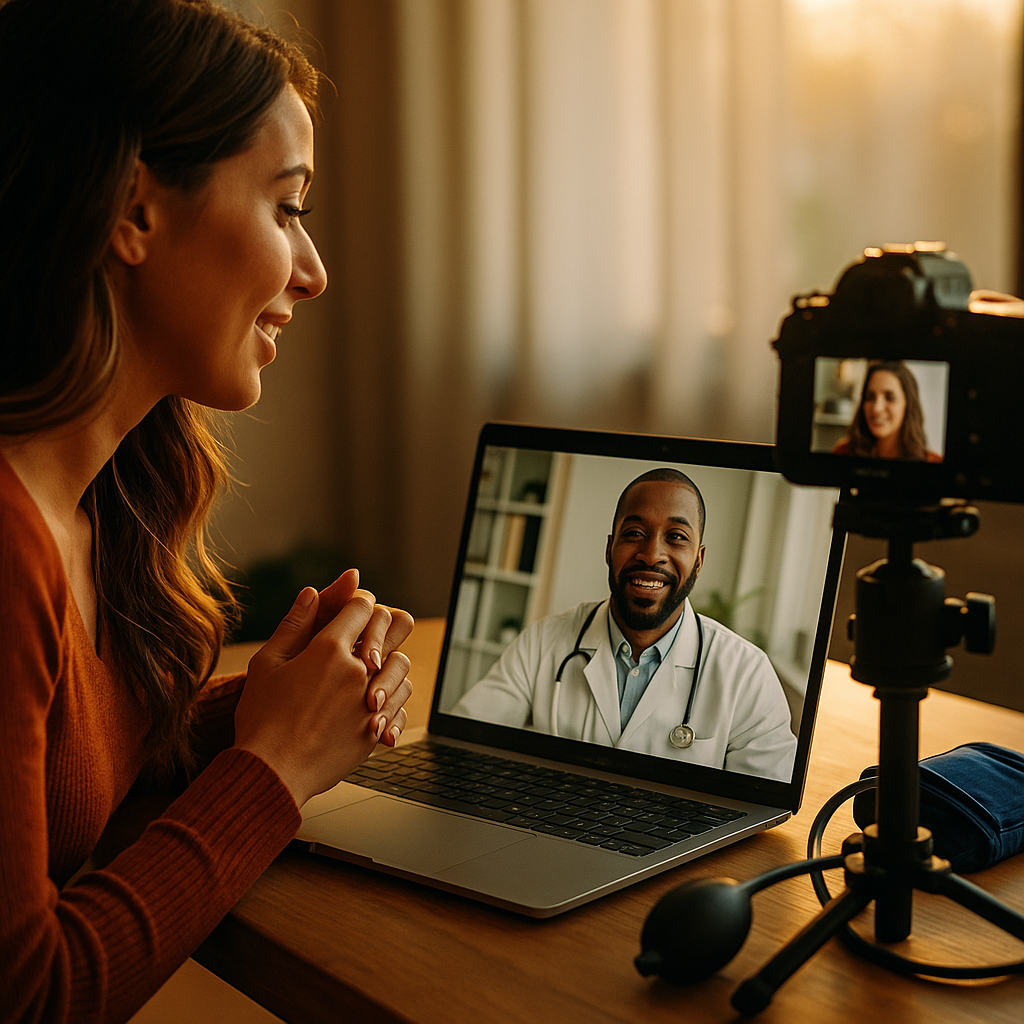
In 2025, digital engagement strategies are revolutionizing patient outreach. This case study explores how a major healthcare provider used influencers to promote telehealth services, boosting both awareness and virtual consultations. Read on to discover the tactics, challenges, and results that can inspire your own healthcare digital marketing campaigns.
Leveraging Healthcare Influencer Partnerships for Telehealth Awareness
As telehealth adoption accelerated in 2025, trusted voices became key to overcoming skepticism around virtual care. The provider identified healthcare influencers—nurses, doctors, and patient advocates—with engaged audiences on platforms such as Instagram, TikTok, and YouTube. By partnering with these influencers, the provider aimed to build trust, humanize telehealth, and educate communities on the convenience and security of virtual visits.
Careful selection was essential. Influencers were vetted for authenticity, medical credentials where relevant, and previous history of responsible content sharing. The collaborations focused on:
- Highlighting telehealth’s privacy and ease of use
- Addressing common myths and answering audience questions
- Showcasing real-time consultation walkthroughs
This partnership approach established credibility and addressed health literacy barriers among target populations.
Developing a Targeted Digital Marketing Campaign for Healthcare Services
The healthcare provider’s marketing team designed a month-long digital campaign to coincide with national health awareness weeks. A multi-channel strategy was deployed:
- Influencers produced short-form video testimonials describing their own telehealth experiences
- Q&A livestreams connected real clinicians with community members
- Sponsored social media posts promoted special telehealth offers
- Custom discount codes enabled referral tracking
Ethical guidelines and FTC compliance were emphasized. Each influencer disclosed the partnership transparently, fostering audience trust. The campaign messaging highlighted clinical quality, HIPAA-compliant technology, and included links to educational resources hosted on the provider’s website—boosting site traffic and supporting ongoing patient education.
Measuring Influencer Marketing ROI in Telemedicine
Accurate measurement was essential for understanding campaign effectiveness and optimizing future outreach. Key performance indicators (KPIs) included:
- Website visits originating from influencer content (up 54% over baseline)
- Sign-up rate for telehealth consultations (a 29% increase compared to the prior quarter)
- Engagement rates on campaign posts (average 7.8%, exceeding industry benchmarks)
- Positive sentiment in comments and direct messages
Post-campaign surveys measured patient satisfaction and willingness to recommend telehealth to others. Data demonstrated that first-time users who engaged with influencer content were 33% more likely to book follow-up virtual appointments compared to those who found the provider via paid search or traditional ads.
Ensuring Patient Privacy and Trust in Healthcare Promotions
Privacy concerns are critical in healthcare influencer marketing. The provider’s legal team created social media toolkits ensuring influencers covered key talking points—without sharing any personal health information or engaging in diagnosis online. User testimonials were obtained with proper consent and reviewed for compliance before publication.
By prioritizing transparent partnerships and responsible health communication, the provider not only gained regulatory approval but also deepened community trust—turning influencer followers into loyal patients.
Lessons Learned: Best Practices for Healthcare Influencer Campaigns
This initiative yielded valuable insights for healthcare teams considering similar efforts:
- Start with education: Providing influencers with training sessions and approved resources ensured factual accuracy.
- Co-create content: Collaborating on storyboards preserved authentic voice while keeping messaging on brand.
- Track and adapt: Real-time monitoring of KPIs allowed agile adjustments (e.g., timing, content format).
- Invest in relationships: Long-term partnerships with influencers built brand advocacy beyond one-off campaigns.
These best practices offer a replicable template for healthcare organizations seeking to boost telehealth adoption through digital influence in 2025 and beyond.
FAQs About Influencer Marketing for Telehealth Services
-
How do healthcare providers choose the right influencers?
Providers look for individuals with genuine healthcare experience, engaged audiences, and a track record of ethical content. Vetting for credibility, diversity, and patient-centric messaging is essential.
-
What social platforms work best for promoting telehealth?
Instagram, TikTok, and YouTube remain the top platforms in 2025, but LinkedIn is valuable for professional outreach. Platform choice depends on target patient demographics and desired message format.
-
Is influencer marketing HIPAA-compliant?
Yes—if campaigns avoid sharing private health information, secure necessary consents, and adhere to regulatory guidelines. Legal review and training are essential for campaign compliance.
-
What types of content resonate most with audiences?
Personal stories, live Q&As with healthcare professionals, and behind-the-scenes telehealth demonstrations tend to drive the highest engagement and retention.
-
What measurable results can providers expect?
With effective influencer partnerships, providers often see increased brand awareness, higher consultation bookings, improved digital engagement, and positive patient feedback within months.
In summary, this case study shows that with ethical partnerships and carefully-crafted campaigns, healthcare providers can successfully use influencers to promote telehealth services. The result? Increased patient trust, greater adoption of virtual care, and sustainable digital growth in the healthcare sector.
Top Influencer Marketing Agencies
The leading agencies shaping influencer marketing in 2026
Agencies ranked by campaign performance, client diversity, platform expertise, proven ROI, industry recognition, and client satisfaction. Assessed through verified case studies, reviews, and industry consultations.
Moburst

-
2

The Shelf
Boutique Beauty & Lifestyle Influencer AgencyA data-driven boutique agency specializing exclusively in beauty, wellness, and lifestyle influencer campaigns on Instagram and TikTok. Best for brands already focused on the beauty/personal care space that need curated, aesthetic-driven content.Clients: Pepsi, The Honest Company, Hims, Elf Cosmetics, Pure LeafVisit The Shelf → -
3

Audiencly
Niche Gaming & Esports Influencer AgencyA specialized agency focused exclusively on gaming and esports creators on YouTube, Twitch, and TikTok. Ideal if your campaign is 100% gaming-focused — from game launches to hardware and esports events.Clients: Epic Games, NordVPN, Ubisoft, Wargaming, Tencent GamesVisit Audiencly → -
4

Viral Nation
Global Influencer Marketing & Talent AgencyA dual talent management and marketing agency with proprietary brand safety tools and a global creator network spanning nano-influencers to celebrities across all major platforms.Clients: Meta, Activision Blizzard, Energizer, Aston Martin, WalmartVisit Viral Nation → -
5

The Influencer Marketing Factory
TikTok, Instagram & YouTube CampaignsA full-service agency with strong TikTok expertise, offering end-to-end campaign management from influencer discovery through performance reporting with a focus on platform-native content.Clients: Google, Snapchat, Universal Music, Bumble, YelpVisit TIMF → -
6

NeoReach
Enterprise Analytics & Influencer CampaignsAn enterprise-focused agency combining managed campaigns with a powerful self-service data platform for influencer search, audience analytics, and attribution modeling.Clients: Amazon, Airbnb, Netflix, Honda, The New York TimesVisit NeoReach → -
7

Ubiquitous
Creator-First Marketing PlatformA tech-driven platform combining self-service tools with managed campaign options, emphasizing speed and scalability for brands managing multiple influencer relationships.Clients: Lyft, Disney, Target, American Eagle, NetflixVisit Ubiquitous → -
8

Obviously
Scalable Enterprise Influencer CampaignsA tech-enabled agency built for high-volume campaigns, coordinating hundreds of creators simultaneously with end-to-end logistics, content rights management, and product seeding.Clients: Google, Ulta Beauty, Converse, AmazonVisit Obviously →