


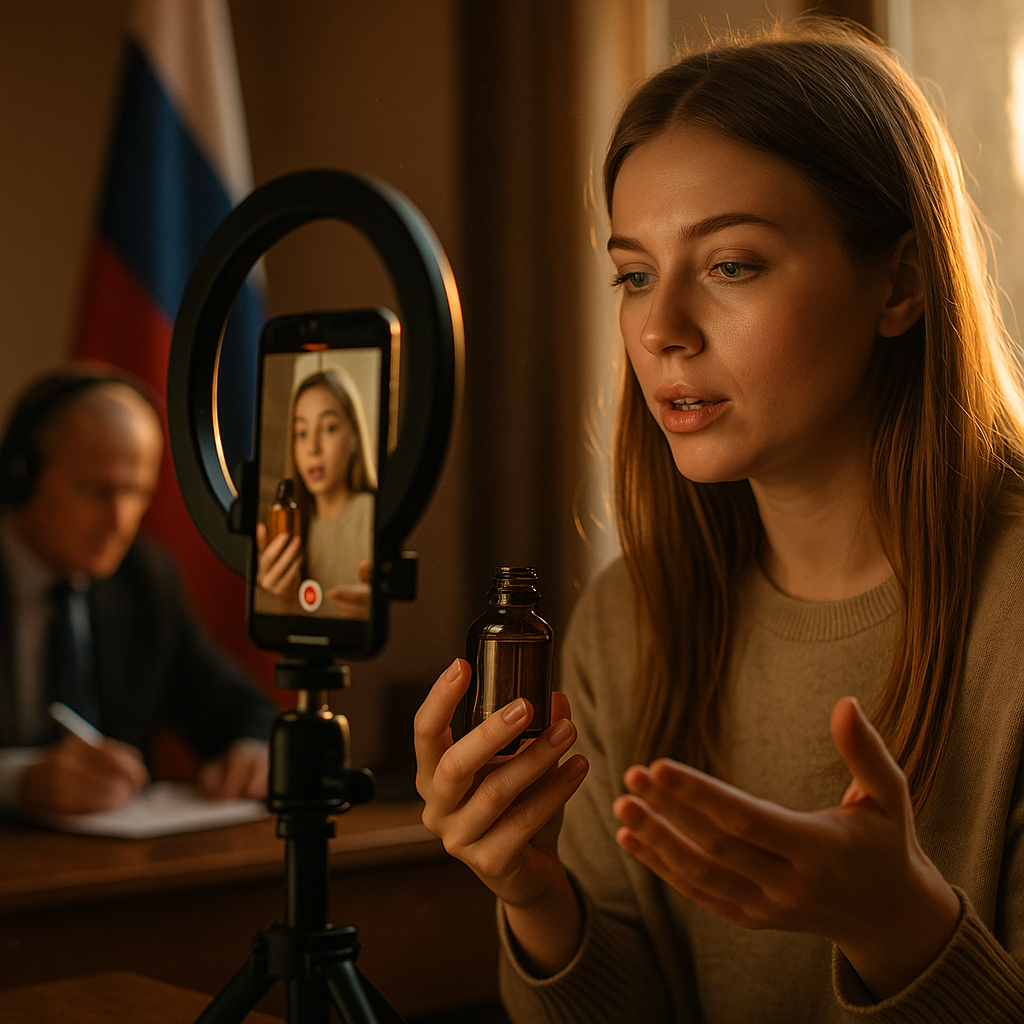
The weaponization of influence has transformed global information warfare, with state actors increasingly deploying creators to amplify disinformation. Governments are no longer content to spread falsehoods through official channels; instead, they covertly enlist social media personalities to shape public opinion. How do creators become unwitting tools—and what can be done to detect and counteract this rising threat?
The Strategic Relationship Between State Actors and Digital Creators
As the digital landscape evolves, state actors recognize the persuasive power of influencers and content creators in shaping narratives. Unlike traditional propaganda, which often emanated from clearly identifiable government sources, today’s information campaigns masterfully camouflage themselves behind familiar faces. This shift enables foreign and domestic governments to bypass skepticism that typically greets “official” messaging, reaching audiences through trusted voices.
Recent studies note a sharp increase in state-sponsored influence operations leveraging micro-influencers and subject matter experts. These creators, whose audiences may number from a few thousand to millions, yield unique impact as viewers see them as authentic and relatable. By cultivating covert partnerships—often involving payments, exclusive access, or offers of collaboration—state actors blend disinformation seamlessly into otherwise genuine content. In 2025, experts estimate at least 30% of major social platforms’ trending news topics contain elements seeded by covert influence campaigns.
Disinformation Tactics: The New Playbook for Manipulation
The mechanics of influence weaponization vary, but several core disinformation tactics have emerged as especially effective:
- Identity Laundering: State actors provide talking points or fabricated evidence to creators, who then present it as independent analysis.
- Astroturfing: Coordinated campaigns push creators to stoke artificial public outrage or enthusiasm, disguising state-backed narratives as grassroots movements.
- Algorithm Gaming: Using coordinated posting and engagement, creators boost disinformation until it becomes trending “news,” tricking algorithms into wider distribution.
- Emotional Manipulation: Disinformation that targets viewers’ deepest fears or beliefs spreads faster and more deeply, particularly when delivered by a trusted creator.
The result is a disorienting information environment. Legitimate creators, targeted for their credibility, may not realize when their messaging has been co-opted as part of a broader state-driven strategy.
The Impact on Society: Undermining Trust and Democratic Discourse
The consequences of this new weaponization of influence are profound. When state-backed disinformation succeeds, it erodes public trust not only in institutions, but in the very creators audiences have come to rely on. This undermines the integrity of democratic processes, exacerbates division, and can even incite real-world harm.
For example, during major elections or geopolitical crises, state actors have orchestrated creator-driven misinformation surges, leading to confusion at the polls or misperceptions about international events. The personal connection viewers feel with digital creators means falsehoods are internalized more deeply—and corrected less easily—than information delivered through official press releases or statements.
Additionally, the velocity with which influencers can amplify misinformation outpaces traditional fact-checking mechanisms, making timely correction extremely difficult. This dynamic plays directly into the hands of those seeking to destabilize open societies through information warfare.
How Creators Become Targets: Coercion, Incentives, and Manipulation
State actors use both overt and subtle tactics to enlist creators in disinformation efforts, sometimes targeting those who may be unaware of the broader impact of their participation. Common strategies include:
- Financial Incentives: Offering payment for content or ad placements subtly loaded with disinformation.
- Social Engineering: Befriending or building trust with creators over time before introducing disinformation narratives.
- Intimidation or Doxxing: Threatening creators with reputational harm or releasing private information if they refuse to cooperate.
- Exclusive “Scoops”: Providing seemingly valuable information or access that is actually fabricated or slanted to serve state interests.
Creators, motivated by platform algorithms that reward engagement, may unwittingly prioritize sensationalism, making them vulnerable to spreading propaganda that masquerades as legitimate controversy or “breaking news.” Media literacy, community support, and robust disclosure standards are crucial to protect creators from exploitation.
Countermeasures: Identifying and Disrupting Weaponized Influence
Addressing the weaponization of influence demands a coordinated response across governments, platforms, creators, and audiences. Key countermeasures include:
- Platform Accountability: Social media companies must strengthen detection of inauthentic activity, shadow campaigns, and covert state sponsorship by investing in advanced AI-driven moderation and transparency tools.
- Creator Education: Training programs can help influencers identify suspicious requests or narratives, and provide clear protocols for flagging state-backed disinformation efforts.
- Audience Literacy: Viewers should be equipped with the skills to critically evaluate creator content and recognize the signs of manipulation.
- Policy Action: Policymakers are enacting stricter disclosure and transparency laws, making it mandatory for online personalities to declare paid or state-linked collaborations.
- International Collaboration: Cross-border information sharing and coordinated counter-disinformation campaigns are essential to unmask and neutralize foreign influence operations.
Success also hinges on timely investigative journalism, which remains central in exposing covert operations and educating the public about the methods and intentions behind digital disinformation campaigns.
Building Digital Resilience: Steps for Creators and Consumers
Both creators and audiences play a pivotal role in resisting the weaponization of influence. Here’s how they can contribute:
- Creators:
- Maintain transparent disclosure policies for sponsorships and partnerships.
- Vet sources rigorously before amplifying claims, especially regarding geopolitics or sensitive topics.
- Participate in industry-led ethics programs to stay informed about evolving manipulation tactics.
- Consumers:
- Approach trending topics and sensational content with a critical eye.
- Cross-check information across reputable outlets before sharing.
- Support creators who consistently demonstrate transparency and verification in their work.
Adopting these practices fosters a healthier online environment, making it more difficult for state actors to exploit digital communities for malign influence.
Conclusion: Vigilance Against the Weaponization of Influence
The weaponization of influence will continue to challenge our information ecosystem as state actors find ever more creative ways to leverage creators for disinformation. By understanding the strategies in play and strengthening digital resilience, both creators and consumers can protect the integrity of online discourse and democracy itself.
FAQs: Weaponization of Influence and Disinformation
-
How do state actors recruit creators for disinformation campaigns?
State actors often approach creators with financial offers, exclusive information, or covert partnerships. They may use intermediaries, social engineering tactics, or even coercion to win cooperation—sometimes without creators fully understanding the broader goal.
-
What are the signs a creator’s content may be weaponized by state interests?
Red flags include sudden shifts in topic, unsubstantiated “breaking” claims about global events, lack of source transparency, and heavy promotion by accounts known for coordinated behavior. Always consider context and corroboration.
-
How can creators protect themselves from being exploited?
Creators should practice rigorous source verification, disclose all partnerships, participate in educational initiatives, and maintain skepticism of unsolicited offers—especially those involving politics or sensitive issues.
-
Can social media platforms effectively counter weaponized influence?
While progress is being made through AI moderation, transparency policies, and partnerships with fact-checkers, platforms alone cannot eliminate the threat. Collective vigilance among creators, audiences, and regulators is essential.
-
Why is the weaponization of influence considered more dangerous than traditional propaganda?
Because it uses trusted creators, disinformation can flow undetected, creating lasting impact and undermining trust from within communities. Its emotional resonance and speed spread falsehoods far more efficiently than official channels ever could.
Top Influencer Marketing Agencies
The leading agencies shaping influencer marketing in 2026
Agencies ranked by campaign performance, client diversity, platform expertise, proven ROI, industry recognition, and client satisfaction. Assessed through verified case studies, reviews, and industry consultations.
Moburst

-
2

The Shelf
Boutique Beauty & Lifestyle Influencer AgencyA data-driven boutique agency specializing exclusively in beauty, wellness, and lifestyle influencer campaigns on Instagram and TikTok. Best for brands already focused on the beauty/personal care space that need curated, aesthetic-driven content.Clients: Pepsi, The Honest Company, Hims, Elf Cosmetics, Pure LeafVisit The Shelf → -
3

Audiencly
Niche Gaming & Esports Influencer AgencyA specialized agency focused exclusively on gaming and esports creators on YouTube, Twitch, and TikTok. Ideal if your campaign is 100% gaming-focused — from game launches to hardware and esports events.Clients: Epic Games, NordVPN, Ubisoft, Wargaming, Tencent GamesVisit Audiencly → -
4

Viral Nation
Global Influencer Marketing & Talent AgencyA dual talent management and marketing agency with proprietary brand safety tools and a global creator network spanning nano-influencers to celebrities across all major platforms.Clients: Meta, Activision Blizzard, Energizer, Aston Martin, WalmartVisit Viral Nation → -
5

The Influencer Marketing Factory
TikTok, Instagram & YouTube CampaignsA full-service agency with strong TikTok expertise, offering end-to-end campaign management from influencer discovery through performance reporting with a focus on platform-native content.Clients: Google, Snapchat, Universal Music, Bumble, YelpVisit TIMF → -
6

NeoReach
Enterprise Analytics & Influencer CampaignsAn enterprise-focused agency combining managed campaigns with a powerful self-service data platform for influencer search, audience analytics, and attribution modeling.Clients: Amazon, Airbnb, Netflix, Honda, The New York TimesVisit NeoReach → -
7

Ubiquitous
Creator-First Marketing PlatformA tech-driven platform combining self-service tools with managed campaign options, emphasizing speed and scalability for brands managing multiple influencer relationships.Clients: Lyft, Disney, Target, American Eagle, NetflixVisit Ubiquitous → -
8

Obviously
Scalable Enterprise Influencer CampaignsA tech-enabled agency built for high-volume campaigns, coordinating hundreds of creators simultaneously with end-to-end logistics, content rights management, and product seeding.Clients: Google, Ulta Beauty, Converse, AmazonVisit Obviously →