


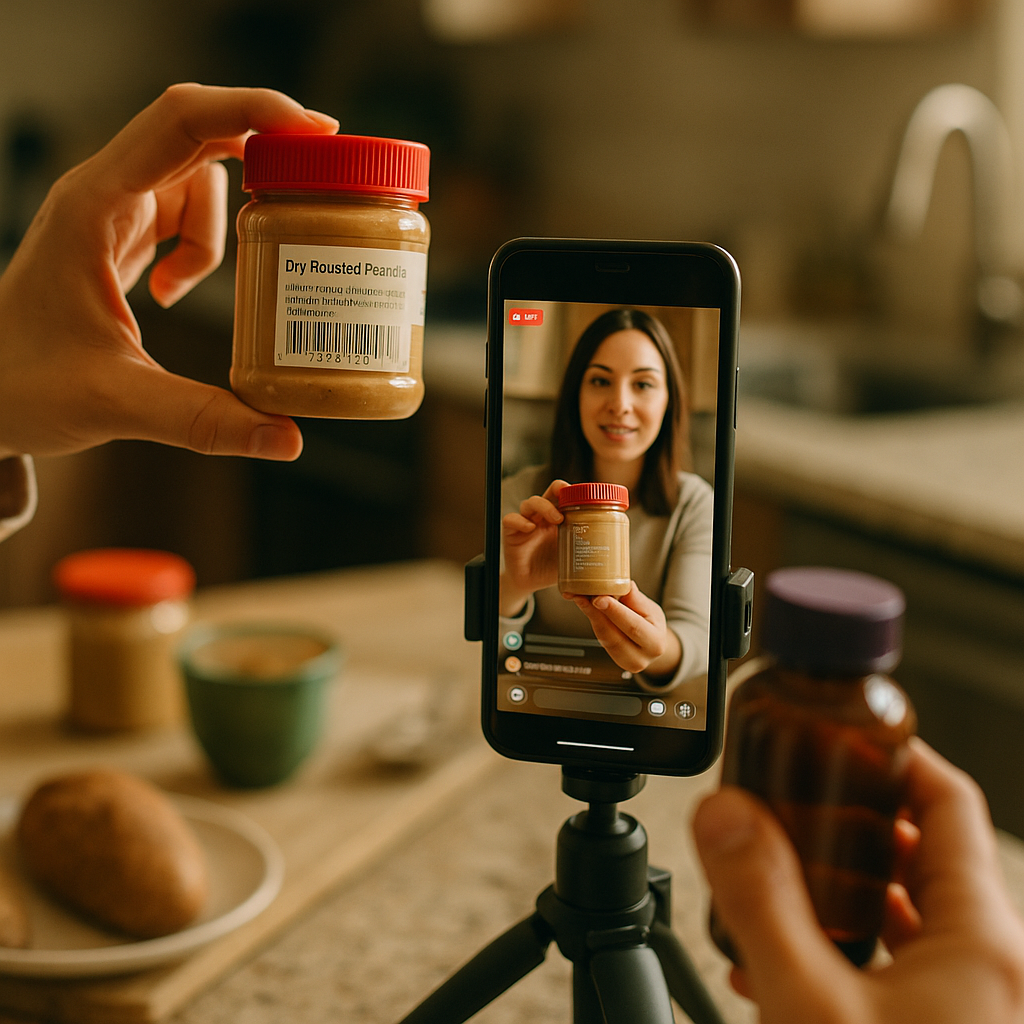
Supplement shoppers now read labels like contracts before they buy. A 2024 eMarketer survey found over 70% of wellness buyers cross-check ingredient claims before purchasing from an influencer link. The ingredient-callout livestream format exists precisely for that skepticism — pairing real-time nutrition overlays with product demos so brands can sell and substantiate in the same breath.
This isn’t another livestream gimmick. It’s a response to a very specific trust problem in the supplement category, where regulatory scrutiny and consumer wariness have both spiked at once.
Why Supplement Brands Need This Format Now
Supplements sit in a weird spot. They’re regulated loosely enough that anyone can make a bold claim, but scrutinized closely enough that a wrong one can trigger an FTC inquiry or a platform strike. Add in creators who’ve never read a Certificate of Analysis in their lives, and you’ve got a category primed for both viral growth and viral backlash.
The ingredient-callout format solves a specific problem: viewers don’t trust voiceover claims anymore, but they do trust what they can verify on-screen in real time. When a creator says “this has 5 grams of creatine per serving” and a graphic overlay confirms it against the actual label, skepticism drops. It’s the same psychological mechanism behind price-per-use breakdown briefs — turning an abstract claim into something the viewer can check themselves, instantly.
Overlay transparency doesn’t just reduce FTC risk — it actively increases conversion, because viewers stop mentally arguing with the pitch and start evaluating the product.
What the Format Actually Looks Like
Strip away the platform jargon and it’s simple: a creator demos the product (mixing a powder, swallowing a capsule, applying a topical) while a synced graphic overlay displays the relevant nutrition facts, dosage, or active ingredient percentage pulled directly from the Supplement Facts panel.
- Trigger-based overlays: the graphic appears the moment the creator names an ingredient, not before or after — timing matters for retention and comprehension.
- Source-linked callouts: some brands now embed a small “verified from label” badge or QR code that links to the actual product page or Certificate of Analysis.
- Comparative overlays: side-by-side dosage comparisons against category averages or competitor products, which is where the format gets genuinely persuasive.
- Live Q&A ingredient lookups: viewers drop a comment asking “does this have caffeine?” and the host pulls up the exact overlay on demand.
None of this requires expensive production. Platforms like TikTok LIVE and Instagram Live both support basic overlay tools, and dedicated commerce-livestream software (Firework, Bambuser, TalkShopLive) offers templated nutrition-label graphics that sync to a script cue. The bar to entry is lower than most brands assume.
Why Overlays Beat Verbal Claims Alone
Here’s the uncomfortable truth: viewers don’t remember what creators say. They remember what they see. A verbal ingredient claim evaporates in seconds. A visual overlay, especially one styled to match an actual label, lingers in the frame long enough to screenshot, pause, and share.
That screenshot behavior is underrated. Viewers who screenshot a nutrition overlay are functionally creating their own proof-of-claim asset — and they’ll reference it later when a friend asks “is this legit?” That’s earned trust the brand didn’t have to pay for twice.
The Compliance Angle Brands Can’t Skip
Let’s be direct: this format is also a risk-mitigation tool, and any marketing lead pitching it internally should frame it that way. The FTC has been increasingly active on supplement marketing claims, particularly around unsubstantiated health benefits made by affiliate creators who never saw a lab report.
An on-screen overlay pulled directly from the actual label does two things simultaneously: it substantiates the claim in real time, and it creates a timestamped, recorded proof point that the brand controls. If a creator veers off-script and claims something the label doesn’t support, the mismatch between spoken claim and visual overlay is immediately obvious — which, frankly, is a built-in safeguard against creator overreach.
This connects directly to broader disclosure hygiene. Brands running livestream campaigns should already be applying the same rigor covered in FTC-safe livestream urgency tactics and restock content compliance frameworks. Ingredient overlays are simply the nutrition-specific extension of that same discipline.
A synced nutrition overlay isn’t just a design choice — it’s a documented, timestamped substantiation record every time a compliance officer needs one.
Briefing Creators for Ingredient-Callout Livestreams
This is where most brands stumble. Handing a creator a spec sheet and hoping they read it isn’t a brief — it’s a liability. Effective briefs for this format need three components most standard influencer briefs skip entirely.
First, a claim-to-overlay map. Every claim the creator plans to make verbally should have a corresponding overlay graphic ready before the stream starts. If the creator wants to say “clinically studied dose,” the brief needs to specify exactly which study, what dose, and what graphic supports it. No overlay, no claim — full stop.
Second, a pacing script, not a word-for-word script. Livestream audiences smell scripted delivery immediately and disengage. Instead, give creators cue points: “when discussing the electrolyte blend, pause for 3 seconds while the overlay loads.” This mirrors the approach in shoppable livestream scripting frameworks, where rhythm matters more than exact wording.
Third, a fallback protocol for live Q&A. Viewers will ask questions the overlay doesn’t cover — allergens, third-party testing, drug interactions. Creators need pre-approved holding language (“great question, let me pull that up”) plus a live-support channel to a brand rep or pharmacist who can feed accurate info in real time. Skipping this step is how “innocent” live answers turn into FTC exposure.
A Quick Production Checklist
- Confirm overlay graphics are generated from the actual current label, not a marketing mockup (labels change; mockups don’t always keep up).
- Test overlay timing in a dry run — delayed graphics kill credibility fast.
- Assign one team member solely to monitor comments for compliance-risk questions.
- Archive the full stream with timestamps for at least the FTC’s typical lookback window.
- Pair overlays with a QR code or link driving to the full Supplement Facts panel on-site.
Where the ROI Actually Shows Up
Skeptical CMOs will ask the obvious question: does this actually move revenue, or is it just a compliance blanket? Early data from commerce-livestream platforms suggests it does both. Brands running ingredient-overlay formats on TalkShopLive and Whatnot in the wellness category report higher average watch time compared to standard demo streams, largely because the overlay gives viewers a reason to keep watching past the initial hook — they’re waiting to see the next ingredient confirmed.
Watch time correlates directly with conversion in livestream commerce; the longer someone stays, the more likely they are to click the cart. It’s a similar dynamic to what’s driving investment in live-reaction unboxing formats, where visible verification beats polished narration every time.
There’s also a secondary ROI lever: repurposing. A well-produced ingredient-callout segment clips beautifully into short-form content, giving brands a second life for the asset across TikTok and YouTube Shorts without reshooting. That’s the same efficiency logic behind cross-format asset briefs — shoot the live moment once, cut it a dozen ways.
Common Mistakes That Undercut the Format
A few patterns show up again and again when brands rush this format without proper prep:
- Overlays that don’t match the actual SKU. Using a generic nutrition graphic instead of the exact batch label destroys credibility the moment a sharp-eyed viewer notices.
- Overloading the screen. Five overlays stacked at once reads as noise, not proof. One claim, one overlay, one beat.
- No compliance sign-off before going live. Legal review needs to happen on the claim-to-overlay map before the stream, not after a viewer flags it.
- Creators improvising claims outside the map. This is the single biggest source of risk, and it’s entirely preventable with a tighter brief and real-time monitoring.
None of these are exotic failures. They’re the same operational gaps that show up whenever brands treat livestream as “just a bigger TikTok” instead of a distinct format with its own production and compliance demands.
FAQs
Frequently Asked Questions
What is an ingredient-callout livestream format?
It’s a livestream commerce format where creators demo a supplement product while synced on-screen graphics display real-time nutrition facts, dosage, or ingredient data pulled directly from the product’s actual label.
Does this format reduce FTC compliance risk?
Yes, when done correctly. Overlays sourced from the real label create a timestamped, visual substantiation record for every claim made during the stream, which helps brands demonstrate good-faith compliance if a claim is ever questioned.
What platforms support ingredient-callout overlays?
TikTok LIVE, Instagram Live, and dedicated commerce-livestream platforms like Firework, Bambuser, TalkShopLive, and Whatnot all support graphic overlays that can be synced to a live demo.
How is this different from a standard product demo livestream?
Standard demos rely on verbal claims and visual product handling alone. The ingredient-callout format adds a documented, on-screen data layer that verifies each claim as it’s made, increasing both trust and compliance protection.
Can smaller supplement brands afford this format?
Yes. Overlay templates are increasingly built into commerce-livestream tools at no extra cost, and the main investment is in briefing time and pre-production of the claim-to-overlay map, not expensive equipment.
What’s the biggest mistake brands make with this format?
Letting creators improvise ingredient claims that aren’t mapped to an approved overlay. This is the primary source of both credibility loss and regulatory exposure.
Start small: pick one hero SKU, build a tight claim-to-overlay map with legal sign-off, and run a single test stream before scaling the format across your creator roster.
Frequently Asked Questions
What is an ingredient-callout livestream format?
It’s a livestream commerce format where creators demo a supplement product while synced on-screen graphics display real-time nutrition facts, dosage, or ingredient data pulled directly from the product’s actual label.
Does this format reduce FTC compliance risk?
Yes, when done correctly. Overlays sourced from the real label create a timestamped, visual substantiation record for every claim made during the stream, which helps brands demonstrate good-faith compliance if a claim is ever questioned.
What platforms support ingredient-callout overlays?
TikTok LIVE, Instagram Live, and dedicated commerce-livestream platforms like Firework, Bambuser, TalkShopLive, and Whatnot all support graphic overlays that can be synced to a live demo.
How is this different from a standard product demo livestream?
Standard demos rely on verbal claims and visual product handling alone. The ingredient-callout format adds a documented, on-screen data layer that verifies each claim as it’s made, increasing both trust and compliance protection.
Can smaller supplement brands afford this format?
Yes. Overlay templates are increasingly built into commerce-livestream tools at no extra cost, and the main investment is in briefing time and pre-production of the claim-to-overlay map, not expensive equipment.
What’s the biggest mistake brands make with this format?
Letting creators improvise ingredient claims that aren’t mapped to an approved overlay. This is the primary source of both credibility loss and regulatory exposure.
Top Influencer Marketing Agencies
The leading agencies shaping influencer marketing in 2026
Agencies ranked by campaign performance, client diversity, platform expertise, proven ROI, industry recognition, and client satisfaction. Assessed through verified case studies, reviews, and industry consultations.
Moburst

-
2

The Shelf
Boutique Beauty & Lifestyle Influencer AgencyA data-driven boutique agency specializing exclusively in beauty, wellness, and lifestyle influencer campaigns on Instagram and TikTok. Best for brands already focused on the beauty/personal care space that need curated, aesthetic-driven content.Clients: Pepsi, The Honest Company, Hims, Elf Cosmetics, Pure LeafVisit The Shelf → -
3

Audiencly
Niche Gaming & Esports Influencer AgencyA specialized agency focused exclusively on gaming and esports creators on YouTube, Twitch, and TikTok. Ideal if your campaign is 100% gaming-focused — from game launches to hardware and esports events.Clients: Epic Games, NordVPN, Ubisoft, Wargaming, Tencent GamesVisit Audiencly → -
4

Viral Nation
Global Influencer Marketing & Talent AgencyA dual talent management and marketing agency with proprietary brand safety tools and a global creator network spanning nano-influencers to celebrities across all major platforms.Clients: Meta, Activision Blizzard, Energizer, Aston Martin, WalmartVisit Viral Nation → -
5

The Influencer Marketing Factory
TikTok, Instagram & YouTube CampaignsA full-service agency with strong TikTok expertise, offering end-to-end campaign management from influencer discovery through performance reporting with a focus on platform-native content.Clients: Google, Snapchat, Universal Music, Bumble, YelpVisit TIMF → -
6

NeoReach
Enterprise Analytics & Influencer CampaignsAn enterprise-focused agency combining managed campaigns with a powerful self-service data platform for influencer search, audience analytics, and attribution modeling.Clients: Amazon, Airbnb, Netflix, Honda, The New York TimesVisit NeoReach → -
7

Ubiquitous
Creator-First Marketing PlatformA tech-driven platform combining self-service tools with managed campaign options, emphasizing speed and scalability for brands managing multiple influencer relationships.Clients: Lyft, Disney, Target, American Eagle, NetflixVisit Ubiquitous → -
8

Obviously
Scalable Enterprise Influencer CampaignsA tech-enabled agency built for high-volume campaigns, coordinating hundreds of creators simultaneously with end-to-end logistics, content rights management, and product seeding.Clients: Google, Ulta Beauty, Converse, AmazonVisit Obviously →