


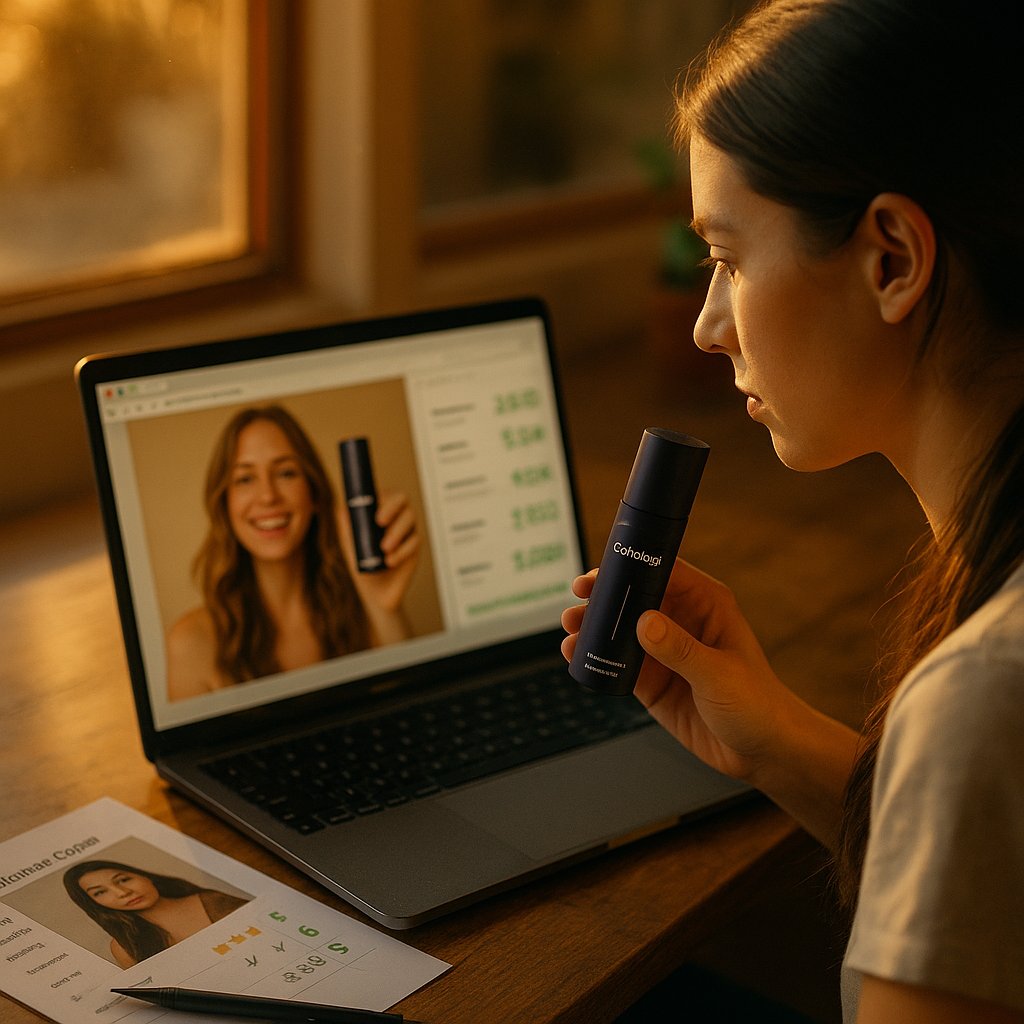
Nine times sales lift. Eleven million creators in the network. One brand, Curology, that most influencer platforms would’ve buried under manual vetting and payment chaos. So what actually made this work? The answer isn’t the size of the Stack Influence creator network — it’s the infrastructure most case studies never mention: how creators get vetted, how they get paid, and how fast both happen at scale.
Every marketer chasing creator-led growth eventually hits the same wall. You can find creators. Recruiting at volume is the easy part in a world with millions of nano and micro accounts. The hard part is filtering out the fraudsters, the bot-farmed engagement, the mismatched audiences, then paying thousands of people reliably without your finance team quitting. Curology’s result is a lesson in operational plumbing as much as it is a marketing win.
The Scale Problem Nobody Talks About
Most influencer platforms brag about network size like it’s the whole story. It isn’t. A database of 11 million creators is only useful if you can actually separate the 2% worth working with from the 98% who’ll waste your budget. Stack Influence’s approach to Curology leaned heavily on gifting-based activations — sending product to a large volume of micro and nano creators rather than negotiating high-dollar contracts with a handful of macro names.
That model only works with rigorous filtering. Send skincare product to the wrong 500 creators and you get zero conversion, a warehouse of wasted inventory, and a compliance headache when someone posts an unboxing that violates FTC disclosure rules. Send it to the right 500, screened for real audience engagement and category relevance, and you get exactly what Curology got: a sales curve that looks almost implausible until you dig into the mechanics.
A creator network’s real value isn’t its headcount — it’s the percentage of that headcount your vetting system can confidently activate without manual review.
How the Vetting Layer Actually Works
Vetting at the scale of millions can’t be a human task. It has to be systems work, and it happens in layers.
- Audience authenticity checks: engagement ratios, follower growth patterns, and comment quality get scored to flag bot-inflated accounts before a brand ever sees the profile.
- Category and niche matching: skincare needs creators who already post about routines, ingredients, or dermatology-adjacent content — not general lifestyle accounts with tangential relevance.
- Historical performance data: creators who’ve completed past gifting or paid campaigns with acceptable content quality and delivery timelines get prioritized over unknowns.
- Compliance screening: automated checks flag accounts with a history of undisclosed sponsored content, which matters enormously given FTC disclosure enforcement has only intensified.
This is the part brand teams underestimate. Vetting isn’t a one-time gate at signup — it’s continuous. A creator who performed well six months ago might be running bot-purchased followers today. Static approval lists rot fast in an ecosystem this dynamic.
For Curology specifically, the reporting on this campaign (detailed in Curology’s micro-influencer program) shows the brand leaned into nano and micro creators almost exclusively, a pattern that shows up again in how nano-creators drove comparable lifts for other skincare players. Smaller creators, correctly vetted, consistently outperform celebrity endorsements on trust signals — and trust is the entire currency of skincare marketing.
Payout Infrastructure: The Unsexy Engine Behind the Result
Here’s the part that rarely makes it into a case study headline. If you’re activating thousands of creators simultaneously, you need a payment system that can process product-for-post exchanges, flat fees, and commission-based payouts without a three-week reconciliation lag.
Stack Influence’s model for Curology relied heavily on gifted product plus modest flat payments, rather than pure commission structures. That’s a deliberate choice. Commission-only models create adverse selection — creators who need guaranteed income skip campaigns that don’t pay upfront, leaving you with a self-selected pool skewed toward hobbyists or people with weaker audiences. A hybrid model (product plus small guaranteed payment) widens the funnel of quality creators willing to participate.
But hybrid models are an operational nightmare without the right systems. Every creator needs:
- A shipping address verified before product goes out, cutting return-to-sender waste.
- A payout method that works whether they’re in Ohio or Manila, since cross-border payout friction kills campaign velocity fast when finance teams process wires manually.
- Automated tracking that ties content delivery to payout release, so nobody gets paid for a post that never happened or gets stiffed for one that did.
Get any of these wrong at scale and the whole gifting model collapses under its own logistics. Get it right, and you can run thousands of micro-activations in the time it takes a traditional agency to negotiate one macro-influencer contract.
Why Micro and Nano Creators Outperformed the Big Names
Curology’s result wasn’t an accident of volume alone. It reflects something the influencer marketing industry has been slow to internalize: for high-trust categories like skincare, audience size is often inversely correlated with conversion rate.
Nano and micro creators post to audiences who actually know them. A recommendation carries weight because it isn’t obviously transactional — even when it technically is, provided disclosure is handled correctly. Compare that to a celebrity partnership where everyone assumes the post is paid, and skepticism kicks in before the product even gets named.
eMarketer’s research on influencer marketing spend has repeatedly shown brands shifting budget toward smaller creator tiers for exactly this reason — the ROI math favors volume and authenticity over reach and celebrity. Stack Influence’s model for Curology is a case study in that shift executed at genuine scale, not just as a talking point in a pitch deck.
This pattern isn’t unique to skincare. Similar structural bets show up in Poppi’s nano-creator trust rebuild and in Stanley’s staged micro-creator waves, where brands intentionally avoided front-loading big-name talent in favor of sequenced, smaller activations that compound credibility over time.
What Brands Should Actually Take From the 9x Number
A 9x sales lift is a headline number, and headline numbers get misused. Before any brand tries to replicate this, a few questions need honest answers.
Was the lift measured against a comparable baseline period, or a low one? Skincare has seasonality and launch-cycle effects that can inflate lift percentages if the comparison window isn’t clean. Ask your analytics team, or your platform’s, to show the methodology, not just the multiple.
How much of the lift is attributable to vetting quality versus sheer volume? This matters operationally. If your team tries to copy the “send product to thousands of creators” tactic without the vetting infrastructure behind it, you’ll get the waste without the lift. The infrastructure is the moat, not the tactic.
Is your payout system ready for this volume? If a finance team is still cutting manual checks or approving PayPal transfers one at a time, none of this scales. Platforms and internal ops need to be built for hundreds or thousands of simultaneous micro-transactions before a campaign like this is even feasible.
The tactic — gifting product to micro-creators — is easy to copy. The vetting and payout infrastructure behind it is not, and that’s exactly why it’s defensible.
Brands evaluating platforms should also look at how vetting and payout systems handle failure cases. What happens when a creator doesn’t post after receiving product? Is there a clawback mechanism, a blacklist flag, a reduced future allocation? These operational details, boring as they sound, are the difference between a scalable program and a one-off viral moment. For a broader look at how brands are restructuring fragmented creator and media stacks to support this kind of volume, see Newell Brands’ approach to unifying a fragmented media stack.
It’s also worth benchmarking against industry data on influencer marketing effectiveness broadly — HubSpot’s marketing research and Sprout Social’s industry benchmarks both consistently show engagement rate and audience trust outperforming raw follower count as predictors of conversion, reinforcing why the vetting layer matters more than network size alone.
The Real Takeaway for Brand Teams
Don’t chase the network size number. Chase the vetting-to-activation ratio and the payout turnaround time — those two metrics predict whether a “9x lift” is replicable for your brand or was a one-time fluke of timing and category fit.
FAQs
What made Stack Influence’s approach to Curology different from typical influencer campaigns?
The campaign relied on gifting-based activations with a large pool of vetted nano and micro creators rather than a small number of paid macro-influencer contracts, combined with payout infrastructure built to handle high-volume, low-dollar transactions efficiently.
Why do micro and nano creators often outperform larger influencers for skincare brands?
Smaller creators typically have higher trust and engagement with their audiences, so product recommendations read as more authentic. Skincare purchases depend heavily on perceived trust, which tends to favor relatability over celebrity reach.
How does vetting at scale actually work with millions of creators in a network?
Vetting relies on automated systems that score audience authenticity, category relevance, past campaign performance, and compliance history, continuously re-evaluating creators rather than relying on a one-time approval process.
Can a brand replicate a 9x sales lift by simply gifting product to many creators?
Not reliably. The lift depends heavily on the quality of vetting and the operational systems for payout and fulfillment. Sending product to unvetted creators typically produces waste and low conversion rather than comparable results.
What role does payout infrastructure play in influencer campaign success?
Payout systems determine how quickly and reliably a brand can activate creators at volume. Manual payment processes create bottlenecks that limit campaign scale, while automated, hybrid payout models (product plus modest fees) tend to attract a broader, higher-quality creator pool.
Visible FAQ Section
Frequently Asked Questions
What made Stack Influence’s approach to Curology different from typical influencer campaigns?
The campaign relied on gifting-based activations with a large pool of vetted nano and micro creators rather than a small number of paid macro-influencer contracts, combined with payout infrastructure built to handle high-volume, low-dollar transactions efficiently.
Why do micro and nano creators often outperform larger influencers for skincare brands?
Smaller creators typically have higher trust and engagement with their audiences, so product recommendations read as more authentic. Skincare purchases depend heavily on perceived trust, which tends to favor relatability over celebrity reach.
How does vetting at scale actually work with millions of creators in a network?
Vetting relies on automated systems that score audience authenticity, category relevance, past campaign performance, and compliance history, continuously re-evaluating creators rather than relying on a one-time approval process.
Can a brand replicate a 9x sales lift by simply gifting product to many creators?
Not reliably. The lift depends heavily on the quality of vetting and the operational systems for payout and fulfillment. Sending product to unvetted creators typically produces waste and low conversion rather than comparable results.
What role does payout infrastructure play in influencer campaign success?
Payout systems determine how quickly and reliably a brand can activate creators at volume. Manual payment processes create bottlenecks that limit campaign scale, while automated, hybrid payout models (product plus modest fees) tend to attract a broader, higher-quality creator pool.
Top Influencer Marketing Agencies
The leading agencies shaping influencer marketing in 2026
Agencies ranked by campaign performance, client diversity, platform expertise, proven ROI, industry recognition, and client satisfaction. Assessed through verified case studies, reviews, and industry consultations.
Moburst

-
2

The Shelf
Boutique Beauty & Lifestyle Influencer AgencyA data-driven boutique agency specializing exclusively in beauty, wellness, and lifestyle influencer campaigns on Instagram and TikTok. Best for brands already focused on the beauty/personal care space that need curated, aesthetic-driven content.Clients: Pepsi, The Honest Company, Hims, Elf Cosmetics, Pure LeafVisit The Shelf → -
3

Audiencly
Niche Gaming & Esports Influencer AgencyA specialized agency focused exclusively on gaming and esports creators on YouTube, Twitch, and TikTok. Ideal if your campaign is 100% gaming-focused — from game launches to hardware and esports events.Clients: Epic Games, NordVPN, Ubisoft, Wargaming, Tencent GamesVisit Audiencly → -
4

Viral Nation
Global Influencer Marketing & Talent AgencyA dual talent management and marketing agency with proprietary brand safety tools and a global creator network spanning nano-influencers to celebrities across all major platforms.Clients: Meta, Activision Blizzard, Energizer, Aston Martin, WalmartVisit Viral Nation → -
5

The Influencer Marketing Factory
TikTok, Instagram & YouTube CampaignsA full-service agency with strong TikTok expertise, offering end-to-end campaign management from influencer discovery through performance reporting with a focus on platform-native content.Clients: Google, Snapchat, Universal Music, Bumble, YelpVisit TIMF → -
6

NeoReach
Enterprise Analytics & Influencer CampaignsAn enterprise-focused agency combining managed campaigns with a powerful self-service data platform for influencer search, audience analytics, and attribution modeling.Clients: Amazon, Airbnb, Netflix, Honda, The New York TimesVisit NeoReach → -
7

Ubiquitous
Creator-First Marketing PlatformA tech-driven platform combining self-service tools with managed campaign options, emphasizing speed and scalability for brands managing multiple influencer relationships.Clients: Lyft, Disney, Target, American Eagle, NetflixVisit Ubiquitous → -
8

Obviously
Scalable Enterprise Influencer CampaignsA tech-enabled agency built for high-volume campaigns, coordinating hundreds of creators simultaneously with end-to-end logistics, content rights management, and product seeding.Clients: Google, Ulta Beauty, Converse, AmazonVisit Obviously →