


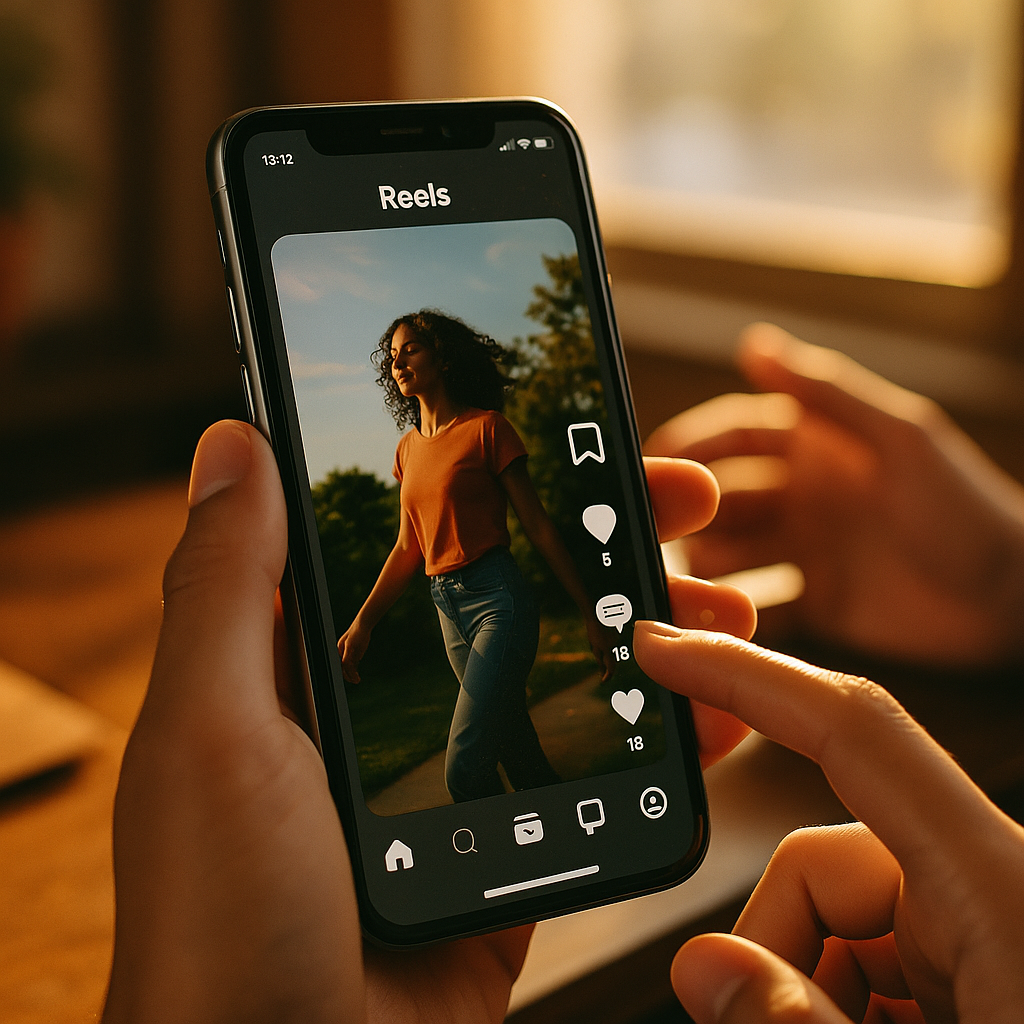
Meta quietly rewired what counts as “engagement” on Instagram, and most brand briefs haven’t caught up. If your Reels strategy still chases comments and likes, you’re optimizing for signals that carry less weight than they did a year ago. The Instagram save-and-DM signal weighting shift is now the single biggest lever for organic reach heading into Q4, and briefs that ignore it will underperform no matter how good the creative is.
What Actually Changed in Instagram’s Ranking Model
Instagram has never been shy about tweaking its ranking signals, but this round is different because it targets intent, not just interaction. Adam Mosseri and Meta’s engineering teams have said publicly, across various creator Q&As, that saves and shares-to-DM now correlate more strongly with “meaningful engagement” than comments or likes. The logic makes sense if you think about user behavior: liking a Reel takes half a second and means almost nothing. Saving it, or sending it to a friend, requires a decision. That decision is a stronger predictor of value.
For brands, this reshuffles the entire hierarchy of what a “successful” Reel looks like. A video with 2,000 likes and 40 saves used to look mediocre by vanity-metric standards. Now that same video might be outperforming a viral-looking post with 50,000 likes and almost zero saves, because the algorithm is distributing based on save-to-view and DM-share-to-view ratios, not raw volume.
A Reel with a 3% save rate now often out-distributes one with 10x the likes but a sub-0.5% save rate — the algorithm is optimizing for retention value, not applause.
Why Saves and DMs Beat Likes and Comments
Think about your own behavior for a second. When do you save a post? Usually when it’s useful — a recipe, a product comparison, a workout routine, a travel itinerary. When do you send something to a friend via DM? When it’s either hilarious, deeply relatable, or something you think that specific person needs to see. Both actions require a mental model of future value or a specific person in mind. Comments, by contrast, are often reflexive (“😂😂😂” or “need this”) and likes are practically involuntary at this point.
Meta’s own data teams have noted in creator-facing sessions that DM shares are one of the strongest predictors of a Reel’s downstream distribution, because Instagram treats a share as evidence the content works for a specific micro-audience, then tests it against adjacent audiences. This is the same principle TikTok has leaned on for years with its completion-rate weighting — content that changes behavior gets rewarded, content that gets passively consumed doesn’t. If you’ve read our breakdown of the TikTok completion rate shift, this will feel familiar: platforms are converging on behavioral signals over surface-level engagement.
The Data Backing the Shift
Industry trackers including eMarketer and Sprout Social have flagged declining comment volumes across Instagram Reels even as overall watch time holds steady, which supports the idea that Meta is deliberately deprioritizing comment-baiting formats in favor of content built for utility or shareability. Meta’s own Meta Business resources for advertisers have also started surfacing save rate and share rate as core Reels metrics inside Ads Manager and Insights, a tacit confirmation of where the weighting has moved.
How This Breaks Old Briefing Habits
Most creator briefs written in the last two years include some version of “ask a question in the caption to drive comments.” That instruction is now close to useless for organic reach purposes. It might still generate community sentiment, sure. But it won’t move the distribution needle the way a save-triggering hook will.
Here’s the uncomfortable part for a lot of brand marketing teams: comment-bait is easy to brief and easy to measure. Save-and-DM-bait requires the creator to build something genuinely useful, funny, or identity-affirming — categories that are harder to reverse-engineer from a template. You can’t just tell a creator “make people save this.” You have to give them a content shape that naturally produces saves.
Three content shapes reliably drive saves on Instagram right now:
- Reference content — listicles, step-by-step tutorials, comparison charts, “save this for later” formats that people genuinely intend to revisit.
- Identity content — Reels that make someone think “this is so me” and want to send it to a specific friend or partner, which drives DM shares rather than public comments.
- Transformation content — before/after, unboxing-to-result arcs, and process reveals that viewers bookmark to reference when making a purchase decision later.
Notice none of these require a comment prompt. They require structure. That’s the brief shift brands need to make.
Rewriting the Q4 Reels Brief
Q4 briefs are typically written around gifting, holiday shopping, and end-of-year budget flush campaigns. That timing actually works in favor of the save-and-DM shift, because gifting content is inherently save-and-share-friendly — “gift ideas for him” is a save-magnet, and “this would be perfect for [tagged friend]” is a DM-share magnet by design.
Brands should restructure their Q4 briefs around three deliverables per Reel concept:
- A save hook in the first three seconds. Phrases like “save this before you forget,” “bookmark this list,” or a visible on-screen list format cue the save behavior immediately.
- A tag-a-friend moment. Build in a specific line or visual cue that makes viewers think of one other person — “tag the person who needs this” performs better when it’s tied to a specific scenario rather than a generic CTA.
- A caption that reinforces utility, not conversation. Ditch the open-ended question. Replace it with a value statement: “Screenshot this gift guide” beats “What are you buying this year?” for save-driven distribution.
This isn’t a wholesale rejection of comments as a metric — sentiment still matters for community management and crisis monitoring. But comments should be reframed in your reporting decks as a qualitative signal, not a distribution driver.
Measurement: What to Track Instead
If your dashboards are still leading with likes and comment counts, Q4 reporting is going to misrepresent performance. Shift primary Reels KPIs to:
- Save rate (saves ÷ reach) — the strongest available proxy for algorithmic favor right now.
- Share rate, including DM shares where Meta’s creator tools expose it.
- Watch-through percentage, which still correlates with both metrics above and remains a co-signal, not a replacement.
- Follow-through conversion — profile visits and link clicks post-save, which matter more for full-funnel attribution than raw reach.
Agencies managing multi-brand Reels programs should build save rate benchmarks by content category, because a 2% save rate might be excellent for a fashion try-on but mediocre for a recipe format. Category-specific benchmarking avoids the trap of comparing apples to oranges across a content calendar. For teams managing budget reallocation around new watch-time and engagement models more broadly, the approach mirrors what we outlined in the TikTok watch-time rebudgeting playbook — the platforms differ, but the discipline of shifting budget toward the metric that actually drives reach is the same.
Compliance and Disclosure Still Apply
None of this changes FTC disclosure obligations. Save-and-DM-optimized content is still sponsored content, and the FTC’s endorsement guidance applies regardless of which engagement signal you’re chasing. If anything, brands need to be more careful here: content designed to feel like organic advice (gift guides, “must-haves,” personal recommendations) is exactly the category most prone to disclosure ambiguity. Make sure #ad or “Paid partnership” tags are baked into the brief requirements, not left to creator discretion. We’ve covered this tension in more depth in our piece on writing high-ranking captions without FTC risk, which is worth revisiting alongside any Q4 brief rewrite.
What This Means for Creator Selection
Not every creator is naturally good at producing save-and-share content. Some creators are built for comment engagement — they’re conversational, provocative, reply-heavy. Others are naturally utility-driven — list-makers, tutorial hosts, comparison-shoppers. Q4 briefing should include a creator-fit filter: pull save rate and share rate from past brand-partnership Reels (most creators will share these from Insights if asked) before greenlighting a partnership, rather than relying on follower count or average likes.
This is a bigger shift in vetting than most brand teams have made so far. It’s also a good opportunity to formalize a scorecard, similar to how creator verification playbooks have pushed brands to formalize authenticity checks — save rate benchmarking deserves the same rigor.
Worth noting: HubSpot’s creator marketing research and Statista’s social platform engagement data both show a broader industry pattern of declining public engagement (likes, comments) alongside rising private sharing behavior across nearly every major platform. This isn’t an Instagram-only phenomenon — it’s a shift in how people consume and pass along content generally, with users increasingly favoring private, curated sharing over public broadcasting.
Next Step for Q4 Planning
Pull your last two quarters of Reels data, sort by save rate instead of likes, and you’ll likely find your “best” content and your highest-distributing content aren’t the same posts. Rebrief your Q4 creators around save hooks and tag-a-friend moments now, before holiday content locks in, and update your reporting template to lead with save and share rate rather than comment volume.
FAQs
What is Instagram’s save-and-DM signal weighting?
It refers to Instagram’s ranking model placing greater weight on saves and shares sent via direct message when determining how widely a Reel gets distributed, rather than prioritizing likes and public comments as it historically did.
Why did Instagram shift away from comments as a top engagement signal?
Comments are often low-effort and reflexive, while saves and DM shares require deliberate intent — a viewer deciding content is worth revisiting or worth sending to a specific person. Meta treats these higher-intent actions as stronger predictors of content value.
How should brands change Reels briefs for Q4?
Briefs should prioritize save-triggering hooks (list formats, gift guides, tutorials), tag-a-friend moments that drive DM shares, and captions built around utility rather than open-ended questions designed to farm comments.
What metrics should replace likes and comments in reporting?
Save rate (saves divided by reach), share rate including DM shares, watch-through percentage, and post-save follow-through actions like profile visits and link clicks should become the primary Reels KPIs.
Does this change FTC disclosure requirements for sponsored Reels?
No. Disclosure obligations under FTC guidelines remain the same regardless of which engagement signal a brand is optimizing for. Sponsored content still requires clear, unambiguous disclosure such as “#ad” or “Paid partnership” tags.
How can brands vet creators for save-and-share performance?
Request save rate and share rate data from a creator’s Insights on past branded Reels before finalizing partnerships, rather than relying solely on follower counts or historical like averages.
FAQs
What is Instagram’s save-and-DM signal weighting?
It refers to Instagram’s ranking model placing greater weight on saves and shares sent via direct message when determining how widely a Reel gets distributed, rather than prioritizing likes and public comments as it historically did.
Why did Instagram shift away from comments as a top engagement signal?
Comments are often low-effort and reflexive, while saves and DM shares require deliberate intent — a viewer deciding content is worth revisiting or worth sending to a specific person. Meta treats these higher-intent actions as stronger predictors of content value.
How should brands change Reels briefs for Q4?
Briefs should prioritize save-triggering hooks (list formats, gift guides, tutorials), tag-a-friend moments that drive DM shares, and captions built around utility rather than open-ended questions designed to farm comments.
What metrics should replace likes and comments in reporting?
Save rate (saves divided by reach), share rate including DM shares, watch-through percentage, and post-save follow-through actions like profile visits and link clicks should become the primary Reels KPIs.
Does this change FTC disclosure requirements for sponsored Reels?
No. Disclosure obligations under FTC guidelines remain the same regardless of which engagement signal a brand is optimizing for. Sponsored content still requires clear, unambiguous disclosure such as “#ad” or “Paid partnership” tags.
How can brands vet creators for save-and-share performance?
Request save rate and share rate data from a creator’s Insights on past branded Reels before finalizing partnerships, rather than relying solely on follower counts or historical like averages.
Top Influencer Marketing Agencies
The leading agencies shaping influencer marketing in 2026
Agencies ranked by campaign performance, client diversity, platform expertise, proven ROI, industry recognition, and client satisfaction. Assessed through verified case studies, reviews, and industry consultations.
Moburst

-
2

The Shelf
Boutique Beauty & Lifestyle Influencer AgencyA data-driven boutique agency specializing exclusively in beauty, wellness, and lifestyle influencer campaigns on Instagram and TikTok. Best for brands already focused on the beauty/personal care space that need curated, aesthetic-driven content.Clients: Pepsi, The Honest Company, Hims, Elf Cosmetics, Pure LeafVisit The Shelf → -
3

Audiencly
Niche Gaming & Esports Influencer AgencyA specialized agency focused exclusively on gaming and esports creators on YouTube, Twitch, and TikTok. Ideal if your campaign is 100% gaming-focused — from game launches to hardware and esports events.Clients: Epic Games, NordVPN, Ubisoft, Wargaming, Tencent GamesVisit Audiencly → -
4

Viral Nation
Global Influencer Marketing & Talent AgencyA dual talent management and marketing agency with proprietary brand safety tools and a global creator network spanning nano-influencers to celebrities across all major platforms.Clients: Meta, Activision Blizzard, Energizer, Aston Martin, WalmartVisit Viral Nation → -
5

The Influencer Marketing Factory
TikTok, Instagram & YouTube CampaignsA full-service agency with strong TikTok expertise, offering end-to-end campaign management from influencer discovery through performance reporting with a focus on platform-native content.Clients: Google, Snapchat, Universal Music, Bumble, YelpVisit TIMF → -
6

NeoReach
Enterprise Analytics & Influencer CampaignsAn enterprise-focused agency combining managed campaigns with a powerful self-service data platform for influencer search, audience analytics, and attribution modeling.Clients: Amazon, Airbnb, Netflix, Honda, The New York TimesVisit NeoReach → -
7

Ubiquitous
Creator-First Marketing PlatformA tech-driven platform combining self-service tools with managed campaign options, emphasizing speed and scalability for brands managing multiple influencer relationships.Clients: Lyft, Disney, Target, American Eagle, NetflixVisit Ubiquitous → -
8

Obviously
Scalable Enterprise Influencer CampaignsA tech-enabled agency built for high-volume campaigns, coordinating hundreds of creators simultaneously with end-to-end logistics, content rights management, and product seeding.Clients: Google, Ulta Beauty, Converse, AmazonVisit Obviously →