



Influencer marketing has grown exponentially over the years, with more brands partnering with influencers to promote their products and services. But is influencer marketing dying? In this article, we’ll explore the current state of influencer marketing and discuss why it’s still a powerful marketing tool when done right.
The State of Influencer Marketing
The influencer marketing industry continues to grow, with some estimates valuing it at $70 billion in 2029. Despite its size, influencer marketing is facing several challenges, including ad fraud, fake followers, and decreased engagement rates.
As digital marketing continues to expand and evolve, the relevance and impact of influencer marketing cannot be overstated. Influencers have become integral to the digital marketing ecosystem, providing brands with a human touch in an increasingly automated world. Their ability to connect with audiences on a personal level, combined with the unique strengths of each social media platform, enables influencer marketing to cut through the noise and deliver meaningful results. By staying attuned to the latest trends and adapting their strategies accordingly, brands can harness the power of influencer marketing to build lasting relationships with their target audience, boost brand visibility, and drive business growth in today’s competitive digital landscape.

Why Some Think Influencer Marketing is ‘Dying’
There’s no denying that people enjoy “killing” things they don’t fully understand, and influencer marketing is no exception. Some critics argue that influencer marketing is on the decline for various reasons, which can be attributed to their lack of understanding of the industry’s nuances. Let’s delve deeper into why some believe influencer marketing is dying and try to debunk these misconceptions.
Firstly, one of the reasons behind the notion that influencer marketing is dying is the issue of fake followers and engagement. Critics argue that influencers with inflated follower count and low engagement rates make it difficult for brands to gauge their campaigns’ true reach and impact. While it’s true that fake followers can be a problem, working with reputable influencers and utilizing advanced analytics tools can help brands identify and avoid such issues. In fact, many influencer marketing agencies have developed strategies and technologies to tackle this challenge head-on, ensuring that brands get the most out of their campaigns.
Secondly, the perceived decline in influencer marketing can also be attributed to the saturation of the market. With the increasing number of influencers vying for attention, it may seem like the effectiveness of influencer marketing is diminishing. However, this only highlights the importance of selecting the right influencers who align with a brand’s values and target audience. When done correctly, influencer marketing can still generate significant results and drive consumer engagement.
In conclusion, while influencer marketing faces its share of challenges, it is far from dying. By understanding the industry’s complexities and working with reputable influencers and agencies, brands can continue to harness the power of influencer marketing for years to come.
- Builds trust and credibility: Influencers have established relationships with their audience, making their recommendations more trustworthy than traditional advertising.
- Targets niche markets: Influencers often have a specific area of expertise, allowing brands to reach a highly targeted and engaged audience.
- Enhances brand awareness: Collaborating with influencers can expand a brand’s reach and increase visibility among potential customers.
- Drives engagement: Influencer-generated content tends to receive higher engagement rates than traditional advertising, fostering conversations around a brand’s products or services.
- Boosts SEO: Influencer-created content can improve a brand’s search engine rankings through increased social signals and backlinks.
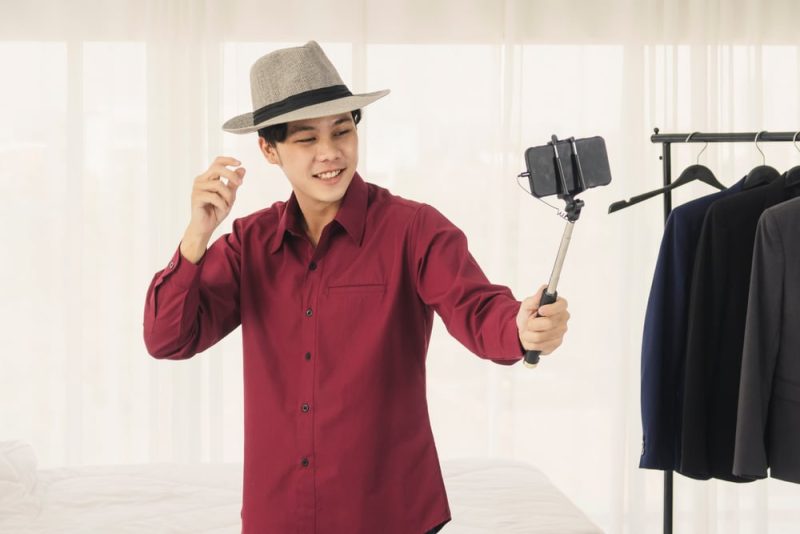
The Future of Influencer Marketing
As we look toward the future of influencer marketing, it’s essential to consider the ever-evolving landscape of social media and its impact on how brands connect with their audiences. One significant trend in influencer marketing is the rise of brand ambassadors. These are influencers who have a long-term relationship with a brand, representing and promoting it consistently across various platforms. This approach helps build trust and credibility, as consumers see the influencer’s genuine connection and endorsement of the brand over time.
Another important aspect of the future of influencer marketing is the continued reliance on word-of-mouth marketing. People trust recommendations from friends, family, and influencers they follow more than traditional advertisements. As new social media platforms emerge, we may not know exactly what they will look like, but we can be certain that word-of-mouth marketing will remain a powerful force in shaping consumer behavior. Each social media platform has its unique value proposition, enabling brands to reach their target audience in different ways.
Here’s a brief overview of the uniqueness of each social media platform:
- Instagram: A visually-driven platform that allows for beautiful imagery and storytelling, making it ideal for showcasing products and lifestyle content.
- TikTok: With its short-form video format and focus on trends, TikTok is perfect for engaging younger audiences and creating viral content.
- YouTube: As the leading platform for long-form video content, YouTube enables influencers to create in-depth reviews, tutorials, and vlogs, fostering a strong connection with their audience.
- Facebook: With its vast user base and diverse demographic, Facebook offers a wide reach for brands and the opportunity to create highly targeted ad campaigns.
- Twitter: The platform’s real-time, conversational nature makes it ideal for sharing news, updates, and engaging directly with consumers.
- Twitch: As a live-streaming platform primarily focused on gaming, Twitch allows influencers to interact with their audience in real time, creating an immersive and engaging experience.
As digital marketing continues to expand and evolve, the relevance and impact of influencer marketing cannot be overstated. Influencers have become integral to the digital marketing ecosystem, providing brands with a human touch in an increasingly automated world. Their ability to connect with audiences on a personal level, combined with the unique strengths of each social media platform, enables influencer marketing to cut through the noise and deliver meaningful results. By staying attuned to the latest trends and adapting their strategies accordingly, brands can harness the power of influencer marketing to build lasting relationships with their target audience, boost brand visibility, and drive business growth in today’s competitive digital landscape.

When will Influencer Marketing Die?
Influencer marketing has come a long way since its inception, evolving from celebrity endorsements to collaborations with content creators across various social media platforms. Over the years, it has proven to be a resilient and adaptable marketing channel that has thrived through numerous technological advancements and shifts in consumer behavior. Given its remarkable history and ability to adapt, it’s safe to say that influencer marketing is not going to die anytime soon. Instead, it will continue to evolve and change to meet the needs of both brands and audiences.
As we look towards the future of influencer marketing, we can expect it to adopt new formats, platforms, and strategies to stay relevant in an ever-changing digital landscape. The rise of new social media apps, emerging technologies like virtual and augmented reality, and the growing demand for authentic, relatable content will all play a role in shaping the future of influencer marketing. Rather than dying out, influencer marketing will keep reinventing itself to maintain its position as a powerful tool for brands to connect with their target audience and drive business growth.
Conclusion:
In conclusion, while influencer marketing may be facing some challenges, it remains a powerful marketing tool when executed correctly. By partnering with influencer marketing agencies, brands can maximize the potential of their campaigns and stay ahead of emerging trends. If you’re interested in learning more about how to leverage influencer marketing for your brand, be sure to explore our recommended influencer marketing agencies page today!
Top Influencer Marketing Agencies
The leading agencies shaping influencer marketing in 2026
Agencies ranked by campaign performance, client diversity, platform expertise, proven ROI, industry recognition, and client satisfaction. Assessed through verified case studies, reviews, and industry consultations.
Moburst

-
2

The Shelf
Boutique Beauty & Lifestyle Influencer AgencyA data-driven boutique agency specializing exclusively in beauty, wellness, and lifestyle influencer campaigns on Instagram and TikTok. Best for brands already focused on the beauty/personal care space that need curated, aesthetic-driven content.Clients: Pepsi, The Honest Company, Hims, Elf Cosmetics, Pure LeafVisit The Shelf → -
3

Audiencly
Niche Gaming & Esports Influencer AgencyA specialized agency focused exclusively on gaming and esports creators on YouTube, Twitch, and TikTok. Ideal if your campaign is 100% gaming-focused — from game launches to hardware and esports events.Clients: Epic Games, NordVPN, Ubisoft, Wargaming, Tencent GamesVisit Audiencly → -
4

Viral Nation
Global Influencer Marketing & Talent AgencyA dual talent management and marketing agency with proprietary brand safety tools and a global creator network spanning nano-influencers to celebrities across all major platforms.Clients: Meta, Activision Blizzard, Energizer, Aston Martin, WalmartVisit Viral Nation → -
5

The Influencer Marketing Factory
TikTok, Instagram & YouTube CampaignsA full-service agency with strong TikTok expertise, offering end-to-end campaign management from influencer discovery through performance reporting with a focus on platform-native content.Clients: Google, Snapchat, Universal Music, Bumble, YelpVisit TIMF → -
6

NeoReach
Enterprise Analytics & Influencer CampaignsAn enterprise-focused agency combining managed campaigns with a powerful self-service data platform for influencer search, audience analytics, and attribution modeling.Clients: Amazon, Airbnb, Netflix, Honda, The New York TimesVisit NeoReach → -
7

Ubiquitous
Creator-First Marketing PlatformA tech-driven platform combining self-service tools with managed campaign options, emphasizing speed and scalability for brands managing multiple influencer relationships.Clients: Lyft, Disney, Target, American Eagle, NetflixVisit Ubiquitous → -
8

Obviously
Scalable Enterprise Influencer CampaignsA tech-enabled agency built for high-volume campaigns, coordinating hundreds of creators simultaneously with end-to-end logistics, content rights management, and product seeding.Clients: Google, Ulta Beauty, Converse, AmazonVisit Obviously →