


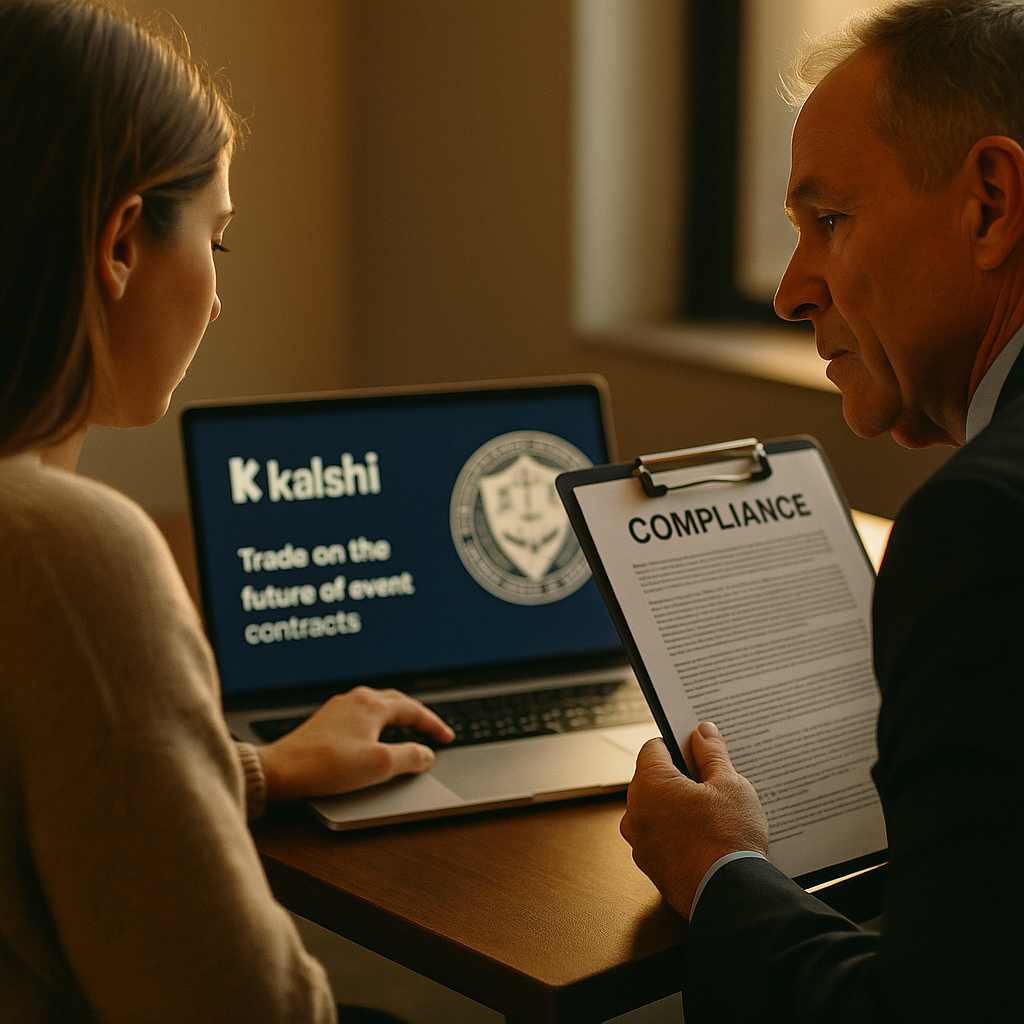
The FTC receives roughly 1.6 million consumer reports annually, and influencer disclosure violations are an accelerating slice of that pile. When the National Advertising Division referred Kalshi to the FTC for failing to ensure its paid creator posts carried proper sponsorship disclosures, it sent a clear signal: self-regulatory referrals are becoming a serious enforcement escalation path, not a procedural formality. If your brand runs influencer programs, this case belongs in your next compliance briefing.
What Actually Happened with Kalshi
Kalshi, the prediction markets platform, ran an influencer program where creators posted promotional content without clearly disclosing the material connection. The NAD reviewed the campaign, found the disclosures inadequate, and referred the matter to the FTC after Kalshi declined to participate in the self-regulatory process. That last part is the detail most compliance teams are glossing over.
Non-participation in an NAD inquiry is itself a red flag. The NAD exists as a first-line self-regulatory body precisely so brands can resolve issues without federal enforcement exposure. When a brand skips that process, the NAD’s only lever is escalation to the FTC, which has authority to pursue civil penalties. For brands in financial services, fintech, or any regulated sector, that escalation path carries significantly higher stakes than a standard influencer disclosure warning.
For a deeper breakdown of what the referral means operationally, the Kalshi FTC referral audit guide covers the disclosure gaps the NAD flagged and how to map them against your current creator contracts.
Why Brand Compliance Teams Are in the Hot Seat
Here’s the uncomfortable truth most marketing leaders don’t want to say out loud: the creator posted the content, but the brand owns the liability exposure. FTC guidance has been explicit since its updated Endorsement Guides — brands and their agencies are responsible for ensuring that creators they compensate (in cash, product, equity, affiliate commissions, or anything of material value) make that relationship clear to audiences.
The Kalshi case illustrates a pattern that has become predictable. Brand launches creator program. Brand provides brief. Creator posts. Compliance team either never reviews the live content or reviews it inconsistently. No one owns the disclosure audit function. Months later, a regulator or a competitor files a complaint.
Material connection disclosure is not a creator responsibility. It is a brand obligation. The FTC’s Endorsement Guides place the duty on the advertiser, not the influencer. Your compliance framework needs to reflect that reality in writing, in contracts, and in post-publication audits.
If you want the full action list for what compliance teams should implement immediately, see what brand compliance teams must do following the Kalshi referral.
The Disclosure Audit Gap Most Brands Still Have
Ask any influencer marketing manager whether their brand has a disclosure audit process. Most will say yes. Ask them to describe it, and you’ll usually get some version of: “We check the posts before they go live and make sure the creator uses #ad.”
That’s not an audit. That’s a pre-publication checklist. And it misses three critical failure points.
- Post-publication drift: Creators sometimes edit captions after approval, removing or burying disclosures once the brand stops watching.
- Platform-specific disclosure requirements: A disclosure that works on Instagram may not satisfy TikTok’s native paid partnership label requirements or YouTube’s built-in disclosure tool. The FTC expects platform-appropriate disclosure, not a one-size-fits-all hashtag strategy. See the detailed breakdown of FTC disclosure rules for TikTok and Instagram shoppable content.
- Affiliate and gifted product gray zones: Many brands still treat affiliate commissions and gifted product seeding as disclosure-exempt. They are not. The FTC’s definition of material connection is deliberately broad, and the NAD applies the same standard.
A robust disclosure audit process includes pre-publication review, a 48-72 hour post-publication check, and periodic spot audits of older content still driving traffic or conversions. If your program runs evergreen content or repurposes creator posts in paid amplification, those posts need to be re-evaluated for disclosure compliance at the point of paid distribution.
Material Connection Documentation: What You Actually Need
Documentation is where most programs fall apart when regulators come calling. Having a verbal brief that mentioned disclosure requirements does not constitute documentation. What you need is a paper trail that shows:
- The creator received compensation or material benefit (specify exactly what, in the contract).
- The brand explicitly required disclosure language in writing, with specific guidance on placement, wording, and platform.
- The creator acknowledged those requirements, preferably with a signed agreement that includes a disclosure compliance clause.
- The brand reviewed the live content and confirmed compliance before any paid amplification occurred.
This documentation serves two functions. First, it demonstrates good faith if regulators inquire. Second, it gives you contractual recourse against creators who fail to disclose properly. Without it, you’re absorbing liability that could be shared or shifted.
Brands also need to think about how AI-generated content intersects with these requirements. If creators are using AI tools to draft captions or produce content that gets posted under their name, disclosure obligations don’t disappear. The FTC’s framework applies to the material connection regardless of how the content was produced. The FTC AI disclosure audit guide is worth reviewing if your creator programs involve any AI-assisted content production.
What Fintech and Regulated-Sector Brands Face Specifically
Kalshi operates in prediction markets, a sector that already operates under layered regulatory scrutiny. That context matters. When the FTC receives an NAD referral involving a regulated financial product, the enforcement calculus changes. The FTC can coordinate with sector regulators, and the reputational exposure for brands in financial services, health, or other regulated categories is compounded.
If your brand operates in a regulated space and runs influencer programs, your legal and compliance teams need to be in the room when creator programs are designed, not brought in after campaigns go live. The disclosure standard for financial products, health claims, or anything touching on consumer financial decisions is higher, not lower, than the general endorsement guide baseline.
Brands in regulated sectors face a compounding risk: FTC disclosure violations can trigger parallel scrutiny from sector-specific regulators. A single non-disclosed fintech influencer post can generate inquiries from multiple agencies simultaneously.
Building a Compliance-Ready Creator Program
The Kalshi case is a forcing function. Here’s what a compliance-ready influencer program looks like in practical terms:
- Standardized disclosure language in every creator contract, with platform-specific guidance attached as an exhibit. Do not leave disclosure wording to creator discretion.
- A designated compliance reviewer separate from the campaign manager. The person optimizing for performance metrics should not be the same person signing off on compliance.
- A post-publication audit workflow that checks live content at 24 hours, 72 hours, and again at 30 days for high-traffic posts.
- A content archive with timestamps, including screenshots of live posts at the point of compliance review. If a creator edits a caption, you have documented evidence of what you approved.
- A termination clause tied specifically to repeated disclosure failures, not just general breach. This signals seriousness to creators and gives you clean legal grounds to exit a relationship without dispute.
For brands managing large creator rosters, consider how auditing creator content for FTC compliance can be systematized across platforms rather than handled on a post-by-post basis.
The NAD referral to the FTC in the Kalshi case is a procedural escalation, but its implications for brand compliance teams are structural. Audit your disclosure documentation now, before a regulator does it for you.
FAQs
What is an NAD referral to the FTC and why does it matter for brands?
The National Advertising Division (NAD) is a self-regulatory body that reviews advertising claims. When a company declines to participate in an NAD inquiry or fails to comply with its recommendations, the NAD can refer the case to the FTC for potential enforcement action. For brands, an NAD referral signals that a disclosure or advertising practice issue has escalated beyond self-regulation into potential federal enforcement territory, which can result in civil penalties and reputational damage.
What counts as a material connection under FTC rules?
A material connection is any relationship between a brand and a creator that might affect how audiences evaluate the creator’s endorsement. This includes cash payments, free products, discounts, affiliate commissions, equity stakes, family relationships, and employment. If there is any benefit, however indirect, that a reasonable consumer might find relevant, it must be disclosed clearly and conspicuously in the content.
How should brands document creator disclosure compliance?
Brands should document disclosure compliance through signed creator contracts that include explicit disclosure requirements and platform-specific language guidance, written confirmation that the creator reviewed and agreed to those requirements, timestamped screenshots of live content showing the disclosure is present and properly placed, and records of any compliance reviews conducted after publication. This documentation protects the brand in regulatory inquiries and provides contractual grounds if a creator fails to comply.
Are affiliate links and gifted products subject to FTC disclosure requirements?
Yes. The FTC’s Endorsement Guides make clear that affiliate commissions and gifted or loaned products constitute material connections. Creators who receive product in exchange for coverage, or who earn a commission on sales driven by their content, must disclose that relationship. Brands that operate these programs are responsible for ensuring creators understand and comply with this requirement.
What should brands do differently when running influencer campaigns for regulated products?
Brands in regulated sectors like fintech, health, or pharmaceuticals should involve legal and compliance teams at the campaign design stage, not after launch. Disclosure standards for regulated products are higher, and the risk of parallel enforcement from multiple regulators is real. Creator contracts should include sector-specific compliance clauses, and post-publication audits should be more frequent and more rigorous than those applied to general consumer product campaigns.
Top Influencer Marketing Agencies
The leading agencies shaping influencer marketing in 2026
Agencies ranked by campaign performance, client diversity, platform expertise, proven ROI, industry recognition, and client satisfaction. Assessed through verified case studies, reviews, and industry consultations.
Moburst

-
2

The Shelf
Boutique Beauty & Lifestyle Influencer AgencyA data-driven boutique agency specializing exclusively in beauty, wellness, and lifestyle influencer campaigns on Instagram and TikTok. Best for brands already focused on the beauty/personal care space that need curated, aesthetic-driven content.Clients: Pepsi, The Honest Company, Hims, Elf Cosmetics, Pure LeafVisit The Shelf → -
3

Audiencly
Niche Gaming & Esports Influencer AgencyA specialized agency focused exclusively on gaming and esports creators on YouTube, Twitch, and TikTok. Ideal if your campaign is 100% gaming-focused — from game launches to hardware and esports events.Clients: Epic Games, NordVPN, Ubisoft, Wargaming, Tencent GamesVisit Audiencly → -
4

Viral Nation
Global Influencer Marketing & Talent AgencyA dual talent management and marketing agency with proprietary brand safety tools and a global creator network spanning nano-influencers to celebrities across all major platforms.Clients: Meta, Activision Blizzard, Energizer, Aston Martin, WalmartVisit Viral Nation → -
5

The Influencer Marketing Factory
TikTok, Instagram & YouTube CampaignsA full-service agency with strong TikTok expertise, offering end-to-end campaign management from influencer discovery through performance reporting with a focus on platform-native content.Clients: Google, Snapchat, Universal Music, Bumble, YelpVisit TIMF → -
6

NeoReach
Enterprise Analytics & Influencer CampaignsAn enterprise-focused agency combining managed campaigns with a powerful self-service data platform for influencer search, audience analytics, and attribution modeling.Clients: Amazon, Airbnb, Netflix, Honda, The New York TimesVisit NeoReach → -
7

Ubiquitous
Creator-First Marketing PlatformA tech-driven platform combining self-service tools with managed campaign options, emphasizing speed and scalability for brands managing multiple influencer relationships.Clients: Lyft, Disney, Target, American Eagle, NetflixVisit Ubiquitous → -
8

Obviously
Scalable Enterprise Influencer CampaignsA tech-enabled agency built for high-volume campaigns, coordinating hundreds of creators simultaneously with end-to-end logistics, content rights management, and product seeding.Clients: Google, Ulta Beauty, Converse, AmazonVisit Obviously →