


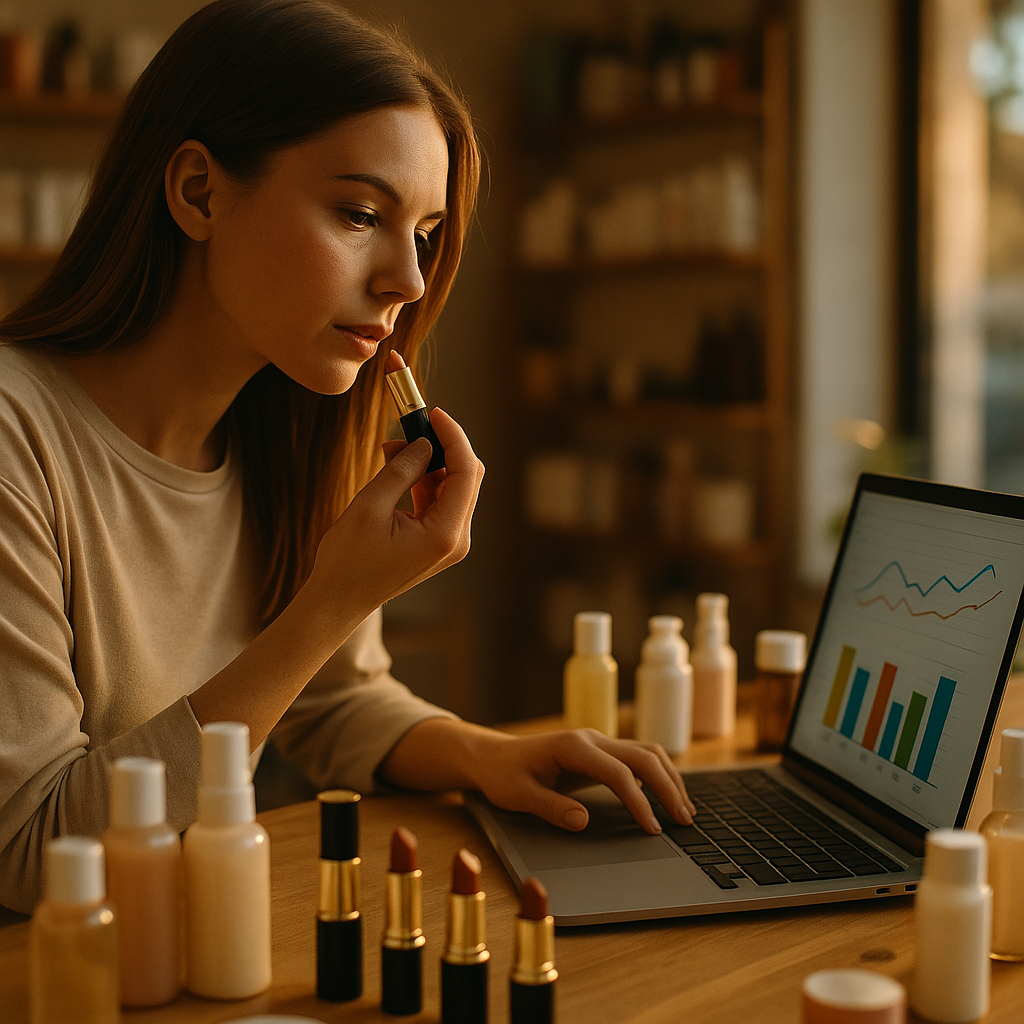
Circana pegs prestige beauty growth at a pace most CPG categories would kill for, yet the brands actually capitalizing on it aren’t just the ones with the biggest budgets. They’re the ones with the tightest operational stacks. If you’re running a beauty brand on a martech budget under six figures, the gap between you and Sephora’s data science team isn’t insight anymore. It’s tooling. And that gap has never been cheaper to close.
The uncomfortable truth: most small and mid-sized beauty brands are sitting on growth data they can’t act on fast enough. Circana’s tracked data shows prestige beauty continuing to outpace mass, with skincare and fragrance leading category expansion even as unit growth slows. That’s a documented, quantifiable opportunity. But documented opportunity means nothing if your team is manually pulling reports, guessing at creator ROI, and reacting to trends three weeks after TikTok already moved on.
Why Circana’s Data Matters More Than Ever for Indie Beauty
Circana (formerly IRI and NPD, now merged) has become the de facto scorekeeper for beauty retail performance. Its point-of-sale and consumer panel data shows exactly where dollars are flowing across skincare, color cosmetics, hair, and fragrance, broken down by channel, price tier, and demographic. For a brand with a research budget, that data is table stakes. For a founder-led beauty brand with three marketers, it’s often locked behind a paywall or buried in a PDF nobody has time to parse.
That’s the operational problem worth solving first. The growth numbers are real. The question is whether your team can translate them into a media plan, a creator brief, or a SKU decision before a competitor does it first.
The brands winning in beauty right now aren’t outspending competitors — they’re out-executing them with AI tools that turn category data into same-week decisions instead of quarterly retrospectives.
The Budget-Conscious Stack, Layer by Layer
Forget the enterprise martech suite. A lean beauty brand needs five functional layers, and each one has a sub-$500/month tool that does the job well. Here’s how to build it without signing a six-figure annual contract.
Layer 1: Social listening and trend detection
Beauty moves at TikTok speed, not quarterly-report speed. Tools like Exploding Topics, Brandwatch’s lower tiers, or even TikTok’s own Creative Center give you real-time visibility into what’s trending in skincare and makeup before it hits Circana’s retrospective data. Pair this with Google Trends for directional confirmation. The goal isn’t sophistication here, it’s speed. You want to know a “skin cycling” or “slugging” moment is building three weeks before it peaks, not three weeks after.
Layer 2: Creator vetting and fraud detection
This is where budget-conscious brands bleed money fastest. Influencer fraud, inflated followings, bought engagement, bot comments, remains rampant, and small brands with lean vetting processes get hit hardest because they can’t absorb a wasted $5,000 gifting campaign the way a Fortune 500 CPG brand can. AI-powered vetting tools now catch this before contracts get signed. For a full breakdown of what’s available and what it costs, see this creator vetting comparison and this fraud detection buyer’s guide, both of which break down pricing tiers relevant to smaller budgets.
Skip this layer and you’re gambling. Beauty influencer fraud rates run higher than most categories because engagement pods specifically target beauty and wellness niches, where product seeding is cheap and audience trust is high currency.
Layer 3: AI-assisted creative production
Small teams can’t brief, shoot, and edit content at the volume TikTok and Instagram Reels demand. AI creative tools close that gap. TikTok Symphony and Meta’s Advantage+ creative suite both generate ad variants from existing assets, letting a two-person creative team produce what used to require an agency retainer. If you’re deciding between the two, this Symphony vs. Advantage+ comparison breaks down actual conversion performance rather than platform marketing claims.
YouTube’s Reimagine tool is also worth a look for brands doing longer-format tutorial or routine content, especially in skincare where “get ready with me” and multi-step routine videos still drive strong watch time. There’s a practical review of its actual ROI here.
Layer 4: Attribution that doesn’t require a data science team
This is the layer most small beauty brands skip entirely, and it’s the most expensive mistake on the list. Without attribution, you can’t tell whether that trending TikTok creator actually drove Sephora.com sales or just drove vanity views. Server-side tracking has become the practical, compliant answer as cookie deprecation reshapes measurement. It’s more accurate than pixel-based tracking and holds up better under privacy scrutiny, according to this comparison of server-side tracking versus pixels. If you’re evaluating vendors before signing anything, this compliance buyer’s guide is worth reading first.
Small brands often assume attribution tooling is an enterprise-only expense. It isn’t anymore. Several server-side platforms now price by event volume, which favors smaller catalogs and lower-traffic sites, meaning a 20-SKU skincare brand can access the same measurement rigor as a 400-SKU mass retailer at a fraction of the cost.
Layer 5: Identity resolution, the quiet growth unlock
Here’s the layer most beauty founders have never heard of but desperately need. Identity resolution stitches together fragmented customer data (email opens, site visits, purchase history, social engagement) into a single profile, so your retargeting and lifecycle campaigns actually work instead of guessing. Circana’s growth data tells you the category is expanding; identity resolution tells you which specific customers within that expansion are yours to win back. For match-rate performance across vendors at different price points, this vendor shootout is genuinely useful, and the board-level framing in this piece on identity resolution as risk is worth sharing with finance if you need budget justification.
What This Actually Costs
Realistic monthly range for a five-layer stack at small-brand scale: $800 to $2,500 per month, depending on traffic volume and creator program size. Compare that to a single junior marketing hire at $60,000-$70,000 annually, and the ROI math becomes obvious fast. You’re not replacing headcount. You’re multiplying what your existing headcount can execute.
A five-layer AI stack running $800–$2,500 monthly can outperform a six-figure headcount investment for brands under $20M in revenue, simply because speed-to-trend matters more than headcount in beauty right now.
One caution: don’t let vendor sprawl creep in. It’s easy to accumulate seven tools doing overlapping jobs because each one had a compelling demo. Before adding anything new, run it against a consolidation framework, this renewal checklist is built exactly for catching redundant spend before it locks in for another contract year.
Where Brands Get This Wrong
The most common mistake isn’t picking bad tools. It’s sequencing them wrong. Brands buy the flashy creative AI first because it’s fun and produces visible content fast, then bolt on attribution later as an afterthought. That’s backwards. Without measurement in place first, you can’t tell whether the creative tool is actually driving revenue or just producing more content that performs the same as before.
Start with attribution and identity resolution. Then layer in creative and creator vetting. Trend detection comes last, because trend-chasing without measurement infrastructure just means you’re guessing faster, not guessing better.
Beauty is also uniquely exposed to platform risk. A brand overly reliant on TikTok organic reach learned that lesson hard during the platform’s regulatory uncertainty in the US. Diversifying attribution and creative tooling across Google, Meta, and TikTok, rather than betting the whole budget on one platform’s algorithm, matters more in beauty than almost any other category because trend cycles are so compressed. This comparison of AI ad agents across the three platforms is a useful reference when deciding budget allocation.
Industry data backs the urgency. eMarketer’s forecasts consistently show beauty and personal care as one of the fastest-growing social commerce categories, and Sprout Social’s research on consumer trust in influencer content shows beauty shoppers rank creator recommendations above brand advertising for purchase influence. Meanwhile Statista’s tracked data on influencer marketing spend growth confirms budgets are shifting toward performance-measurable creator programs, not vanity-metric sponsorships. The FTC’s disclosure guidance, available at ftc.gov, is also worth a periodic re-read for any brand scaling creator partnerships quickly, since compliance risk grows with program volume.
The Next Step
Don’t try to build all five layers simultaneously. Pick attribution and creator vetting first, since those two protect budget and prevent waste, then add creative and trend tools once measurement is solid. Circana’s growth data will still be there next quarter. The brands that win won’t be the ones who saw the opportunity first, they’ll be the ones whose stack let them act on it fastest.
FAQs
What is the minimum AI stack a small beauty brand needs to start capturing category growth?
At minimum, prioritize attribution/measurement and creator fraud vetting before adding creative or trend tools. These two layers protect budget and prevent wasted spend, which matters more for smaller brands with less room for error.
How much should a small or mid-sized beauty brand budget for AI marketing tools?
A realistic range for a full five-layer stack (listening, vetting, creative, attribution, identity resolution) runs $800 to $2,500 per month depending on traffic and creator program scale, far less than the cost of an additional full-time hire.
Is server-side tracking necessary for a brand with under $5 million in revenue?
Yes, increasingly so. Server-side tracking has become more accurate and more compliant than pixel-based tracking as cookie deprecation continues, and many vendors now price by event volume, making it accessible even for smaller catalogs and lower-traffic sites.
How does Circana data actually translate into brand decisions?
Circana’s point-of-sale and panel data shows where category dollars are moving by channel, price tier, and demographic. Brands should use it to inform SKU prioritization, media allocation, and creator brief targeting, but the data itself doesn’t drive campaigns without an operational stack to act on it quickly.
What’s the biggest mistake brands make when building a lean AI marketing stack?
Sequencing tools wrong. Most brands invest in creative or content generation tools first because they’re visible and fun to demo, then treat attribution as an afterthought. Measurement infrastructure should come first so every subsequent tool’s ROI can actually be tracked.
FAQs
What is the minimum AI stack a small beauty brand needs to start capturing category growth?
At minimum, prioritize attribution/measurement and creator fraud vetting before adding creative or trend tools. These two layers protect budget and prevent wasted spend, which matters more for smaller brands with less room for error.
How much should a small or mid-sized beauty brand budget for AI marketing tools?
A realistic range for a full five-layer stack (listening, vetting, creative, attribution, identity resolution) runs $800 to $2,500 per month depending on traffic and creator program scale, far less than the cost of an additional full-time hire.
Is server-side tracking necessary for a brand with under $5 million in revenue?
Yes, increasingly so. Server-side tracking has become more accurate and more compliant than pixel-based tracking as cookie deprecation continues, and many vendors now price by event volume, making it accessible even for smaller catalogs and lower-traffic sites.
How does Circana data actually translate into brand decisions?
Circana’s point-of-sale and panel data shows where category dollars are moving by channel, price tier, and demographic. Brands should use it to inform SKU prioritization, media allocation, and creator brief targeting, but the data itself doesn’t drive campaigns without an operational stack to act on it quickly.
What’s the biggest mistake brands make when building a lean AI marketing stack?
Sequencing tools wrong. Most brands invest in creative or content generation tools first because they’re visible and fun to demo, then treat attribution as an afterthought. Measurement infrastructure should come first so every subsequent tool’s ROI can actually be tracked.
Top Influencer Marketing Agencies
The leading agencies shaping influencer marketing in 2026
Agencies ranked by campaign performance, client diversity, platform expertise, proven ROI, industry recognition, and client satisfaction. Assessed through verified case studies, reviews, and industry consultations.
Moburst

-
2

The Shelf
Boutique Beauty & Lifestyle Influencer AgencyA data-driven boutique agency specializing exclusively in beauty, wellness, and lifestyle influencer campaigns on Instagram and TikTok. Best for brands already focused on the beauty/personal care space that need curated, aesthetic-driven content.Clients: Pepsi, The Honest Company, Hims, Elf Cosmetics, Pure LeafVisit The Shelf → -
3

Audiencly
Niche Gaming & Esports Influencer AgencyA specialized agency focused exclusively on gaming and esports creators on YouTube, Twitch, and TikTok. Ideal if your campaign is 100% gaming-focused — from game launches to hardware and esports events.Clients: Epic Games, NordVPN, Ubisoft, Wargaming, Tencent GamesVisit Audiencly → -
4

Viral Nation
Global Influencer Marketing & Talent AgencyA dual talent management and marketing agency with proprietary brand safety tools and a global creator network spanning nano-influencers to celebrities across all major platforms.Clients: Meta, Activision Blizzard, Energizer, Aston Martin, WalmartVisit Viral Nation → -
5

The Influencer Marketing Factory
TikTok, Instagram & YouTube CampaignsA full-service agency with strong TikTok expertise, offering end-to-end campaign management from influencer discovery through performance reporting with a focus on platform-native content.Clients: Google, Snapchat, Universal Music, Bumble, YelpVisit TIMF → -
6

NeoReach
Enterprise Analytics & Influencer CampaignsAn enterprise-focused agency combining managed campaigns with a powerful self-service data platform for influencer search, audience analytics, and attribution modeling.Clients: Amazon, Airbnb, Netflix, Honda, The New York TimesVisit NeoReach → -
7

Ubiquitous
Creator-First Marketing PlatformA tech-driven platform combining self-service tools with managed campaign options, emphasizing speed and scalability for brands managing multiple influencer relationships.Clients: Lyft, Disney, Target, American Eagle, NetflixVisit Ubiquitous → -
8

Obviously
Scalable Enterprise Influencer CampaignsA tech-enabled agency built for high-volume campaigns, coordinating hundreds of creators simultaneously with end-to-end logistics, content rights management, and product seeding.Clients: Google, Ulta Beauty, Converse, AmazonVisit Obviously →